
What was Garrincha's temperament?
A world champion, he came home and went off to play a barefoot pickup game with his friends until nightfall. What does that reveal about the man who enchanted Brazil?
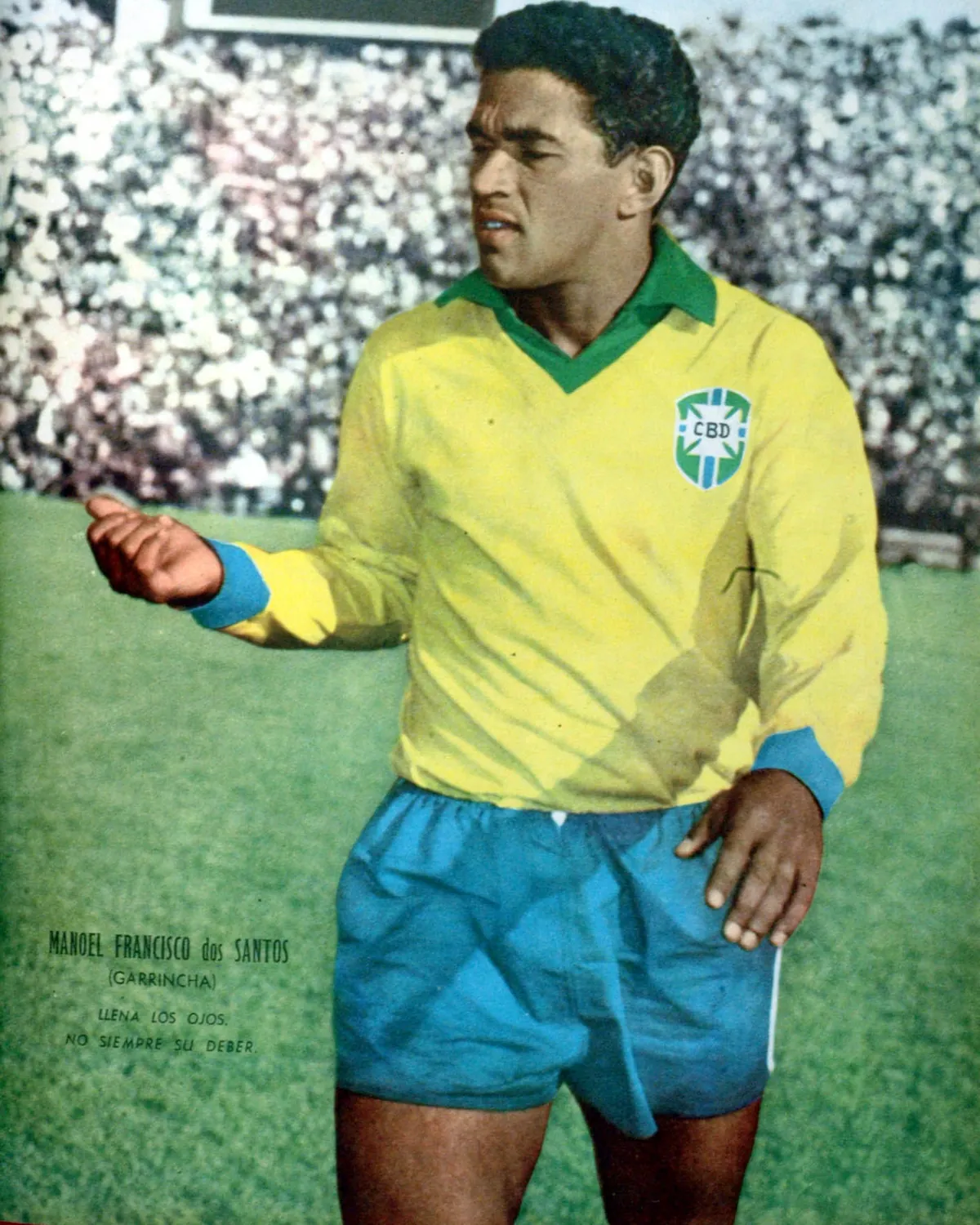
A world champion, he went off to play a pickup game
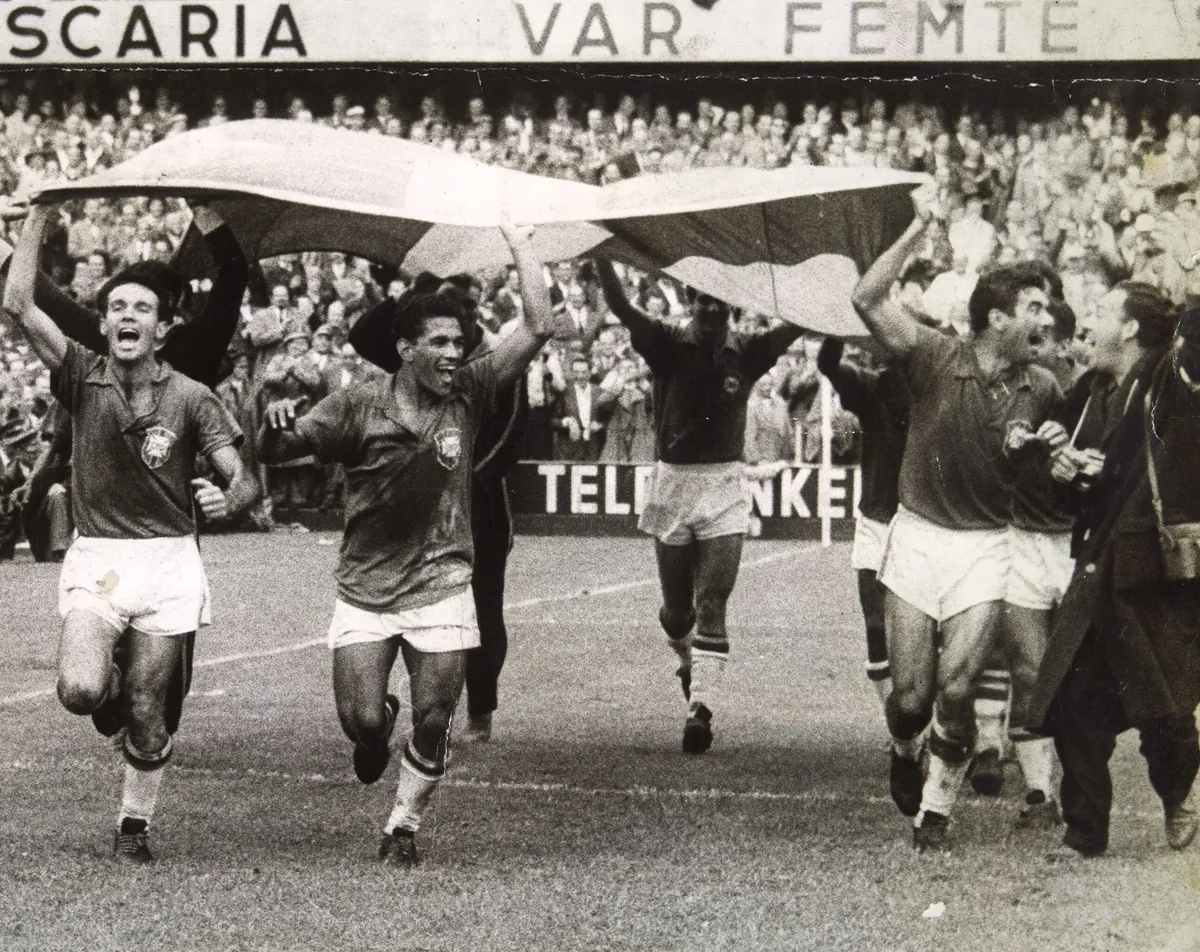
When he came back from Sweden, in 1958, Garrincha found Pau Grande celebrating: the church bell ringing, a crowd in the street, cachaça and guaraná on him.
The next day, he paid the bill, went to the general store, and settled his friends' tabs. Then he filled a bottle with cachaça, climbed the hill to the little field, and played a barefoot pickup game with his friends until nightfall.
He had just won a World Cup. And the pickup game was still worth as much as before.
A sweet, ungovernable boy
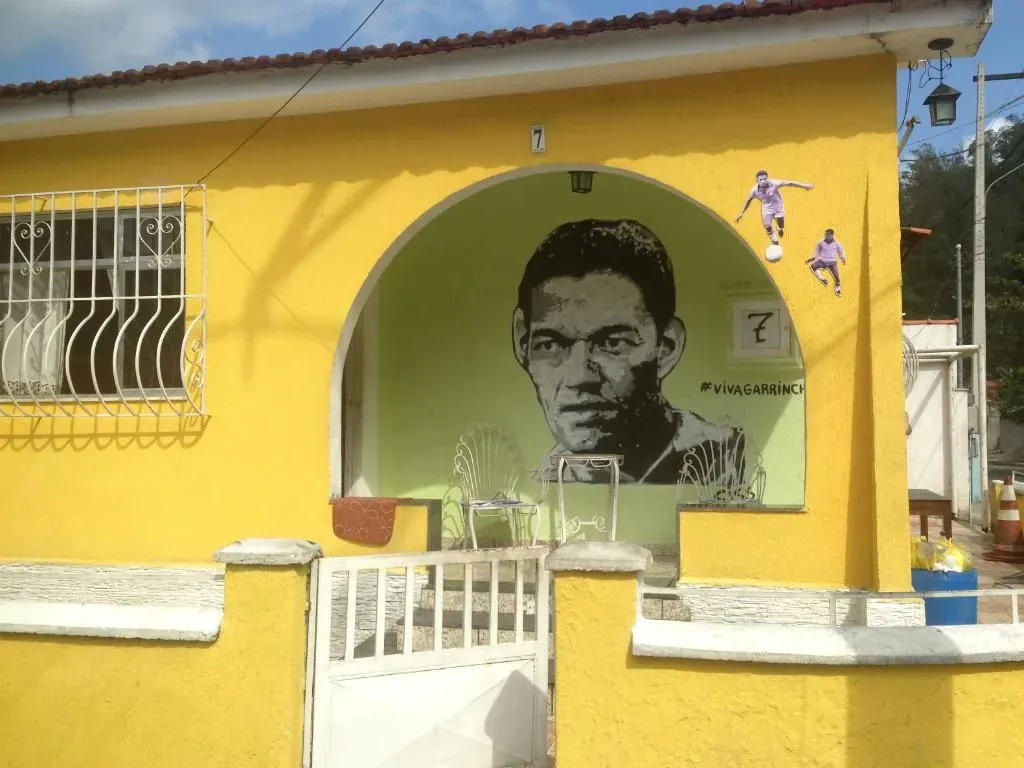
His childhood friends remembered Garrincha as a boy of enormous sweetness, who spoke little and never raised his voice. But, says Ruy Castro, "he was also ungovernable."
When he got scolded for stealing sweets from the pantry, he smiled sheepishly. And, at the first chance, he went back to doing exactly what they had forbidden.
Thirty cages
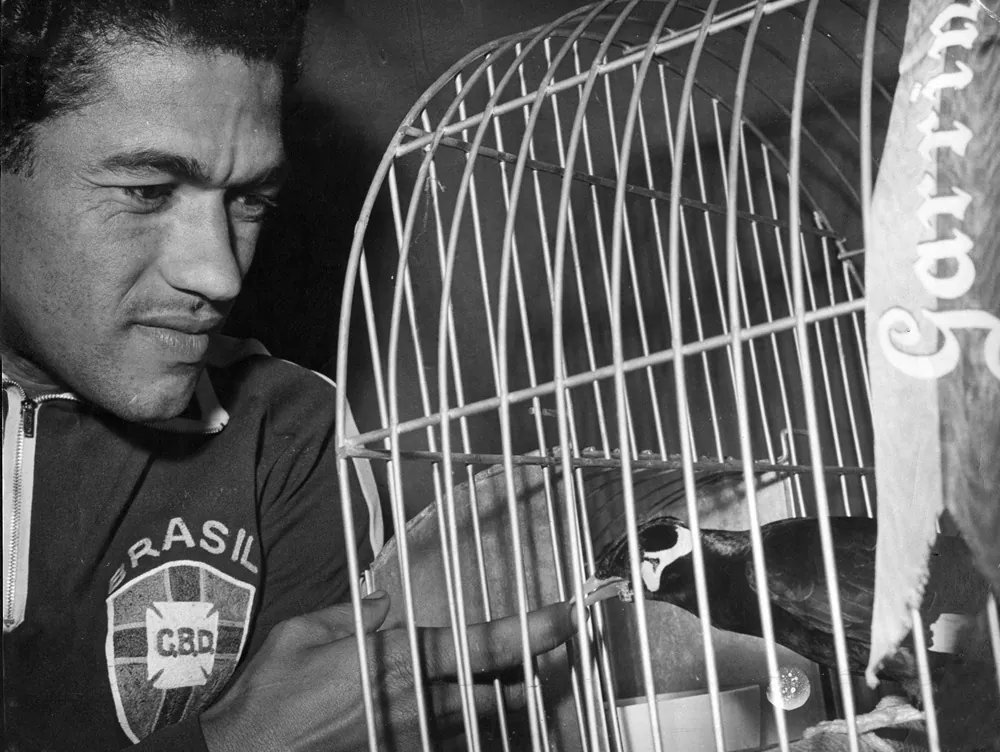
"Until he was seven, his life was hunting birds, swimming in the river, and playing pickup soccer," Ruy Castro sums up. Before he was ten, Garrincha already had thirty cages at home, made by himself.
But once the bird was caged, the charm was over. The one who cleaned the cages and fed the creatures was his sister, Rosa. When he wanted some change for a lollipop, he went around town selling the birds.
The factory worker who skipped his shift

At 14, Garrincha went to work at América Fabril, the textile mill in Pau Grande: heat, noise, and air that made you sick. He skipped work, showed up late, and was warned, fired, and rehired more than once.
Why did he always come back? Because only employees could play for the factory team, and the team depended on him. The worker who skipped his shift was the star no one could do without on Sunday.
"You're coming to Botafogo with me."
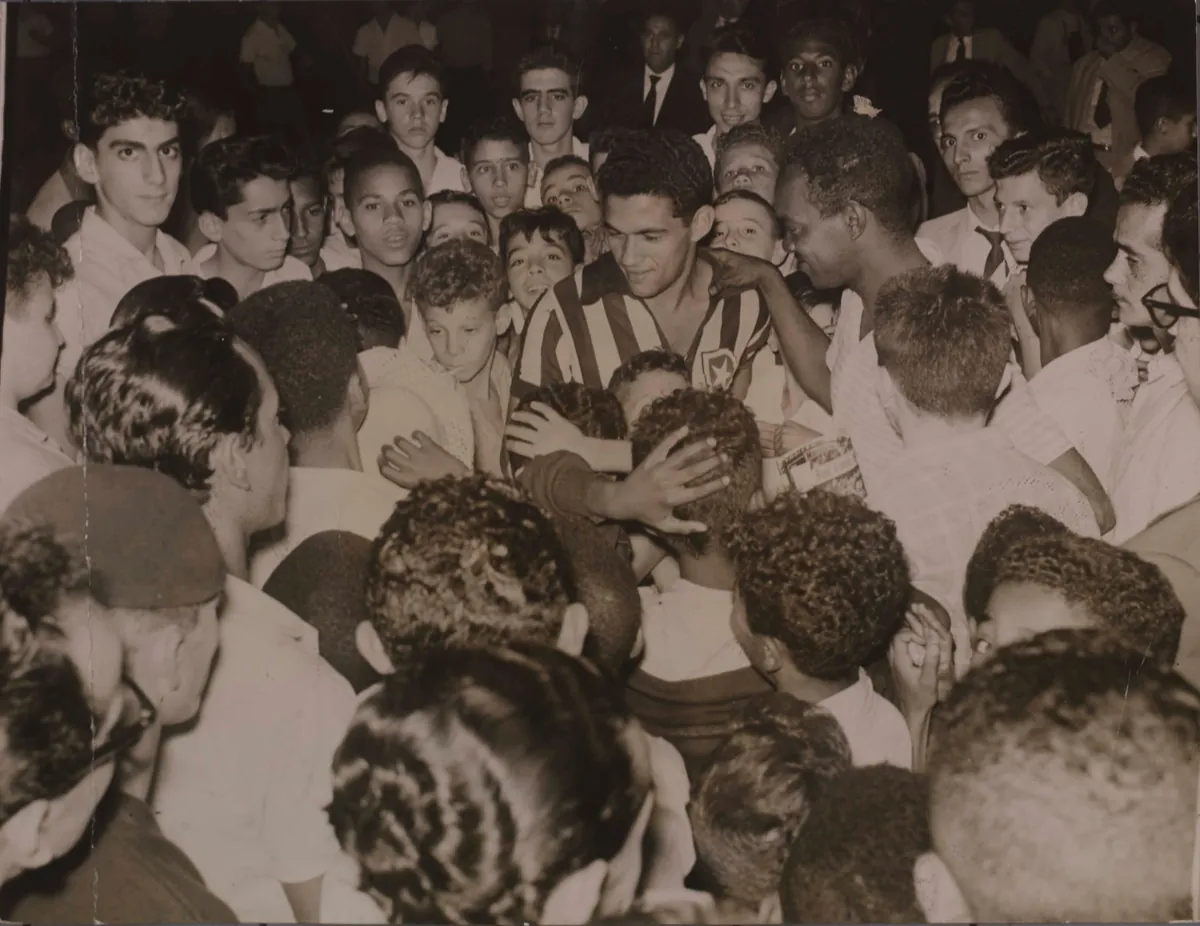
Before Botafogo, Garrincha tried out at Vasco, São Cristóvão, and Fluminense and was turned away. The coaches saw in him a "single defect, easily correctable, which is dribbling too much."
In 1953, Eurico Salgado, a passionate Botafogo fan, went to watch him play without his knowing, three times. At the end of the third, he walked to the edge of the field and decided for him: "You're coming to Botafogo with me." No one corrected the defect. Thank goodness.
He waited for the defender to come back

In his very first games for Botafogo, his teammates couldn't understand it: why, after dribbling past the defender, did Garrincha deliberately wait for him to come back, just to dribble past him again?
Not even Nilton Santos was spared. At a national team practice, after the third or fourth dribble, he went to ask for help: "Didi, tell him not to do that!" And he warned Garrincha himself: "Either you settle down or I'm not playing this World Cup."
"Today I'm the one serving!"
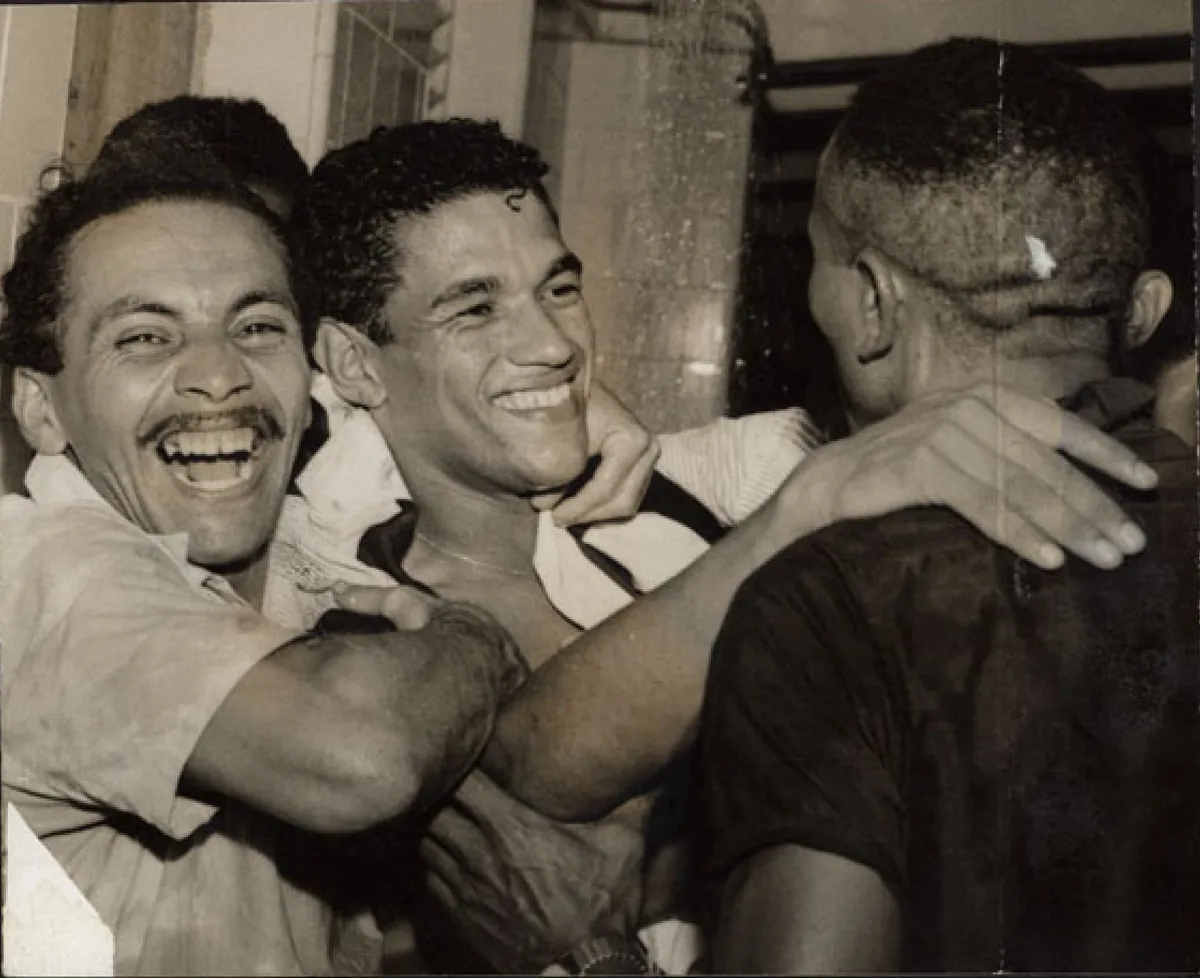
At Botafogo, newcomers had to shine the starters' cleats. Garrincha escaped the hazing: if they told him to shine them, he would hand the cleat back gleaming, with a dead rat inside.
In the dining hall, he would take the tray from the waiter and announce: "Today I'm the one serving!" He would ask a teammate whether he wanted beef or chicken and, from across the room, fling the steak: "Here you go. Airmail!" No one held a grudge, because no one saw any malice in him.
"Doctor Hilton, wouldn't it be better to send me back?"
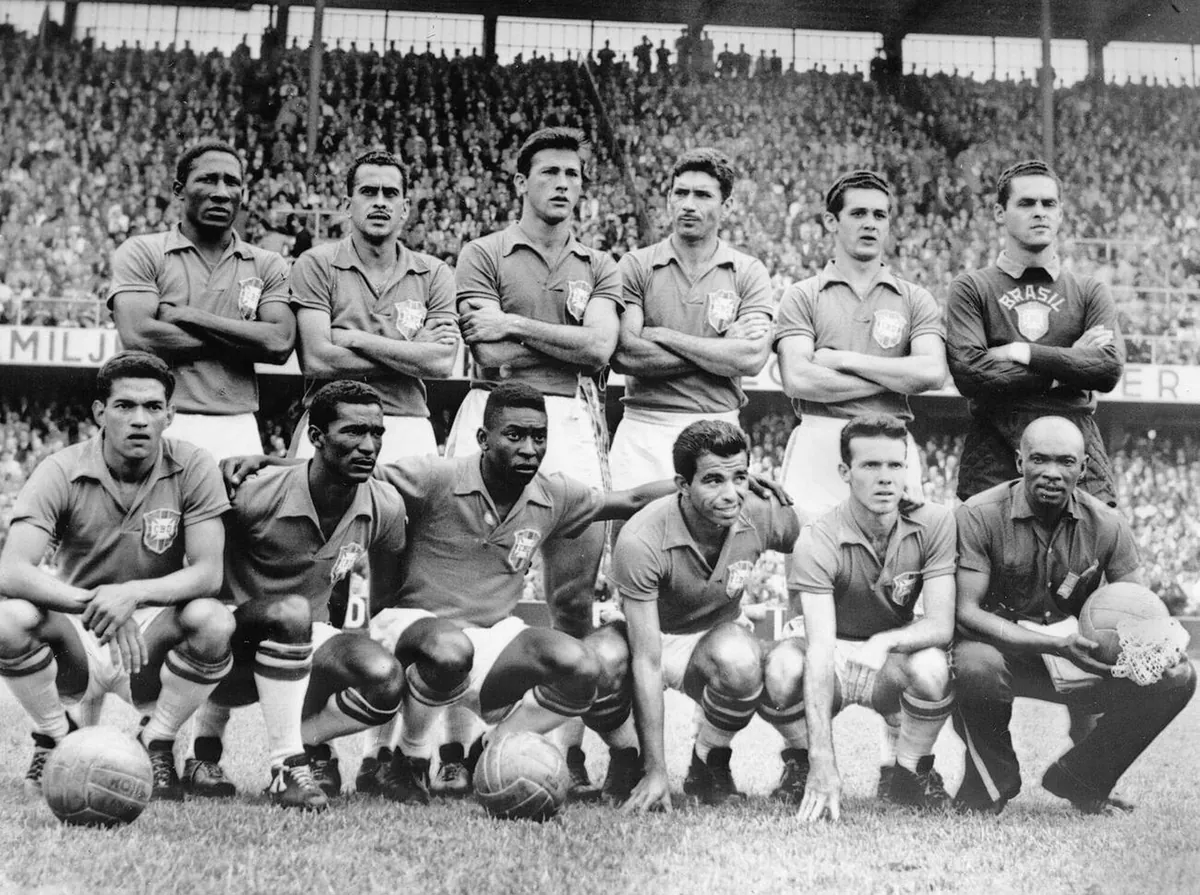
At the 1958 World Cup, Garrincha started on the bench. The trainer Paulo Amaral explained why: "He only does whatever pops into his head at the moment. He's not a player who follows instructions."
When he saw he was going to stay out, he wilted and went to talk to the team doctor: "Doctor Hilton, wouldn't it be better to send me back?" Being at the World Cup wasn't enough. He wanted to play. He debuted in the third game, against the Soviet Union, and never left the lineup again.
"Go on, Woodpecker, you're playing better than me."
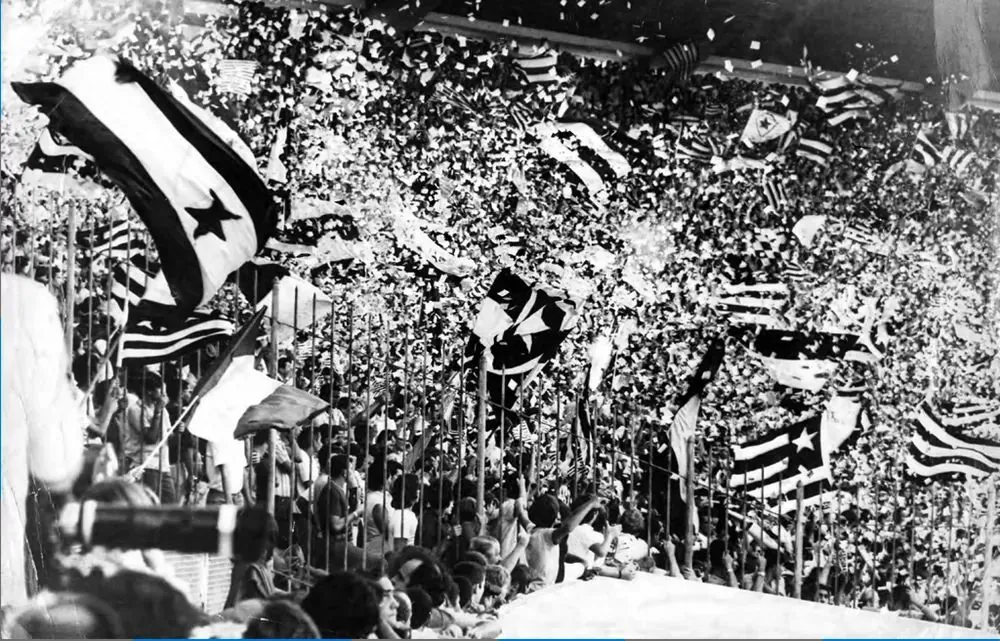
In 1959, Feola picked Julinho instead of Garrincha against England, at the Maracanã. Garrincha didn't ask for an explanation. He went over to Julinho and said: "Go on, Woodpecker, you're playing better than me. They're going to boo you, but you play your game and don't pay any attention."
Around the same time, Real Madrid had signed Didi, and Garrincha couldn't picture himself there: he was content in Brazil. For him, there was another Real Madrid far more important to beat: the one in Pau Grande, the rival of his pickup team, Vai Que É Mole ("Go, It's Easy").
Four and a half hours to Bicas
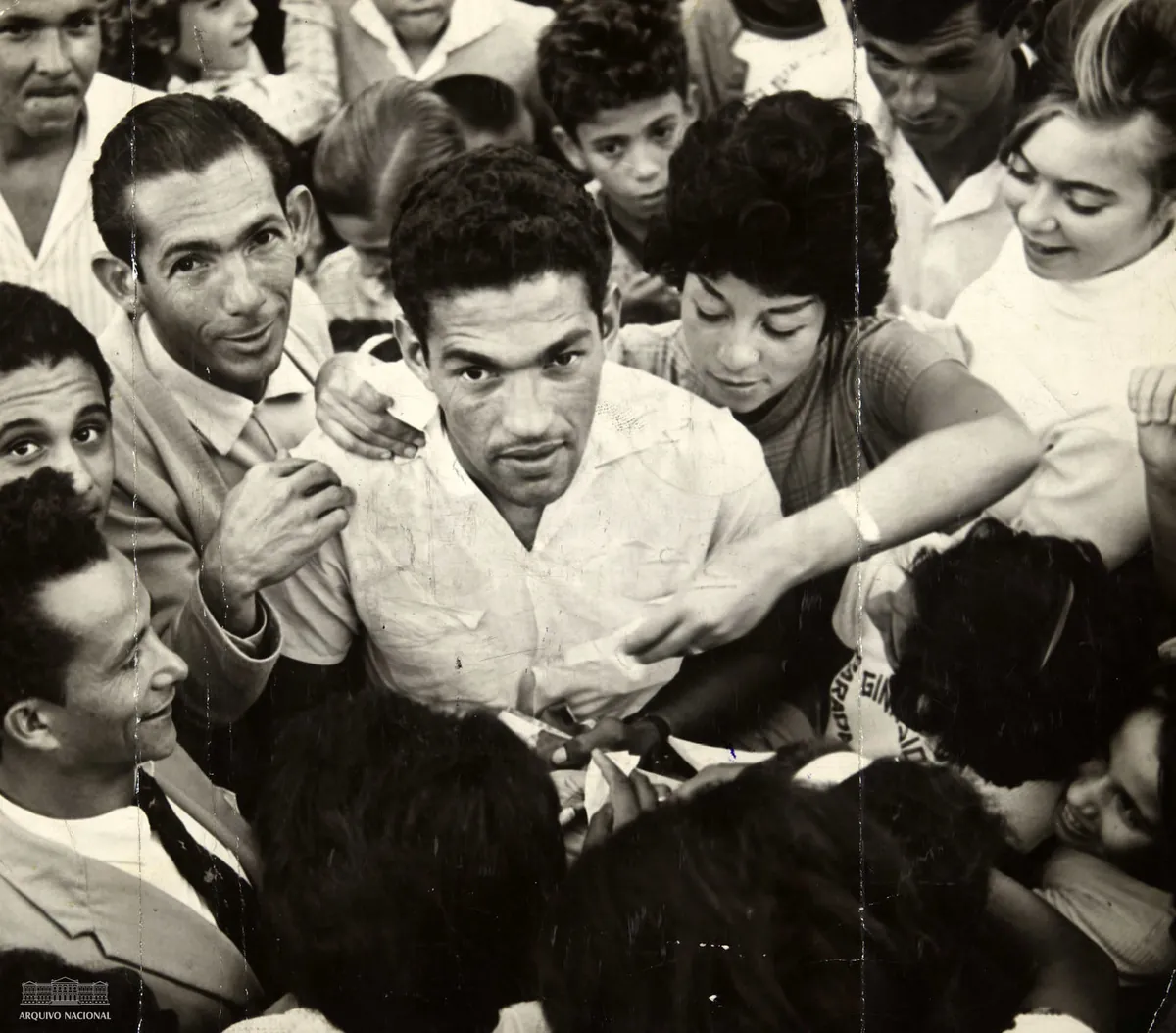
In March 1962, Botafogo won the Rio–São Paulo tournament. Garrincha didn't even stay for the celebration: he got in his car and drove four and a half hours to Bicas, in Minas Gerais, where he arrived at six in the morning, to play for a team of friends from a gas station.
His hosts took him fishing until game time. On the other side, a defender named Catimba was promising to break him. The World Cup in Chile was just around the corner, and Garrincha played anyway.
Chile, 1962
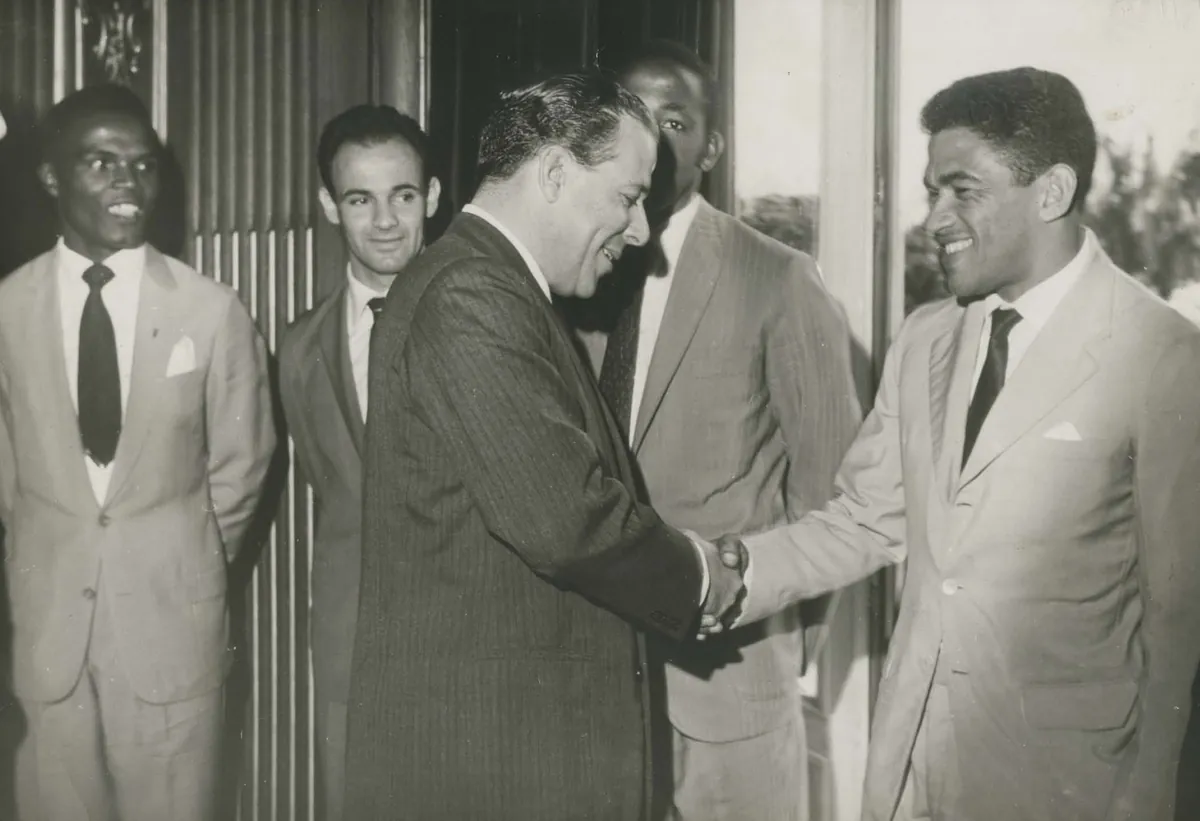
With Pelé injured in the second game, Garrincha carried Brazil. Against England, in the quarterfinals, he left the wing and did everything: he headed, took free kicks, shot from distance, and scored two goals.
In the same game, a dog ran onto the field. The magazine O Cruzeiro brought it to Brazil and raffled it off among the players. Garrincha won and named it Bi, in honor of the second championship in a row.
Elza
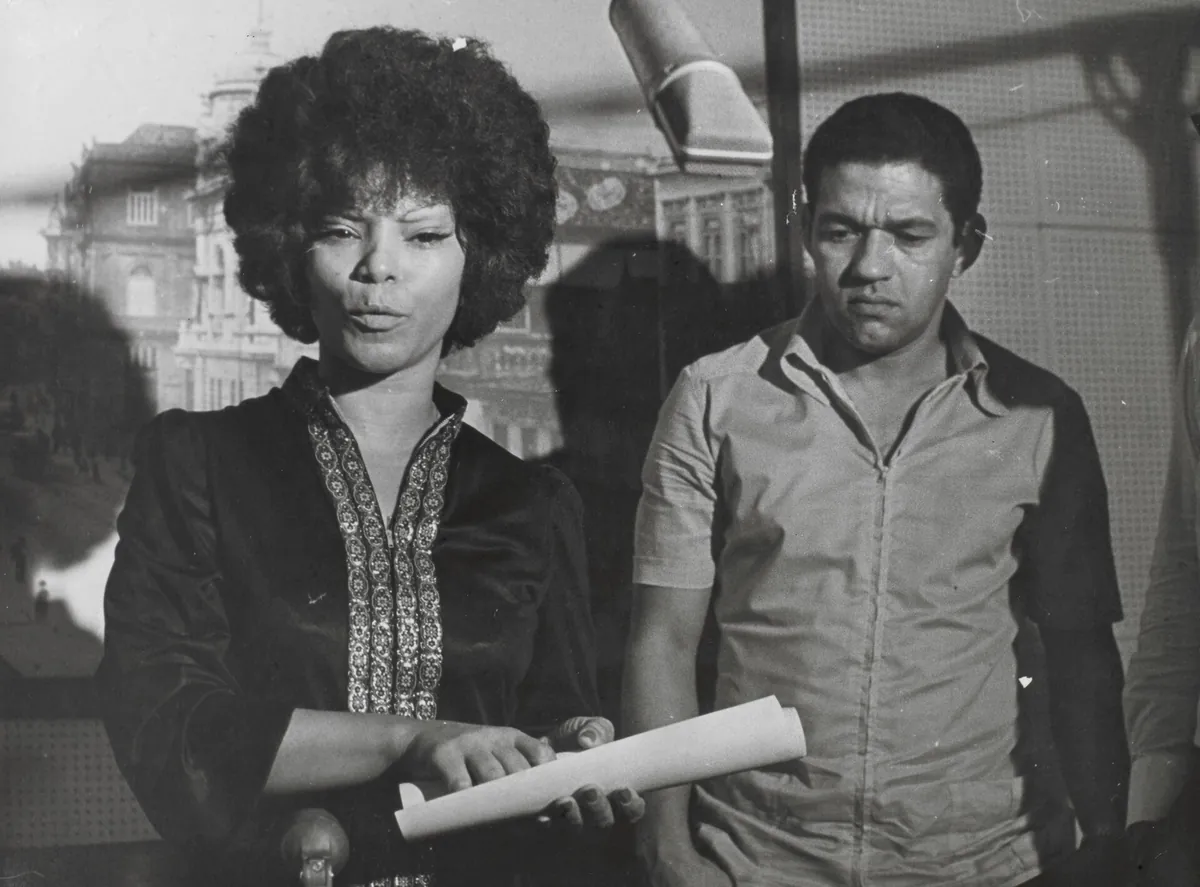
In 1962, Garrincha fell in love with the singer Elza Soares while he was still married. The hostility against her never let up: letters, insults, even stones. He didn't treat the romance as a fling, and, in the legal separation, he gave Nair the house in Pau Grande, a small farm, plots of land, and half an apartment.
Ruy Castro sums it up: "it's a miracle Garrincha didn't leave his pants behind in court." But his firmness with Elza didn't resolve the rest: absences and responsibilities toward his daughters were left behind.
"Do you think it's fair, Nílton, that I earn less than Amarildo?"
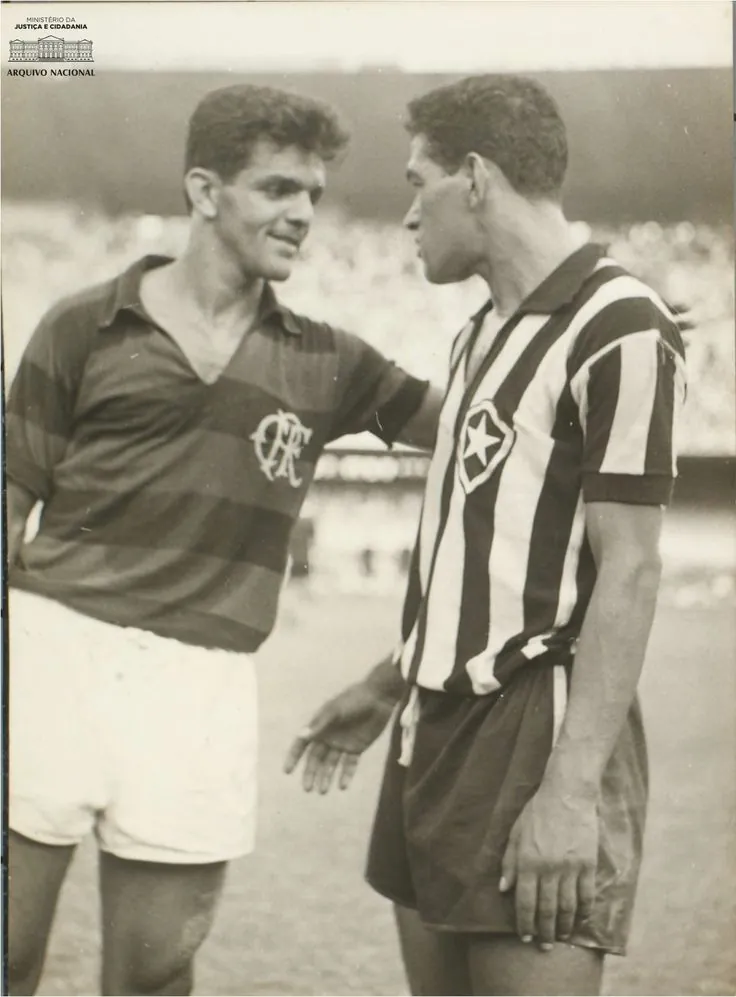
The Garrincha who fought with no one knew how to fight over money. He demanded late payments, compared salaries, and went to complain to Nilton Santos: "Do you think it's fair, Nílton, that I earn less than Amarildo?"
He also knew how to negotiate and strike a deal. Money and respect mattered. But they were never what made him step onto the field.
"I'm so sorry I can't do what I used to do anymore."
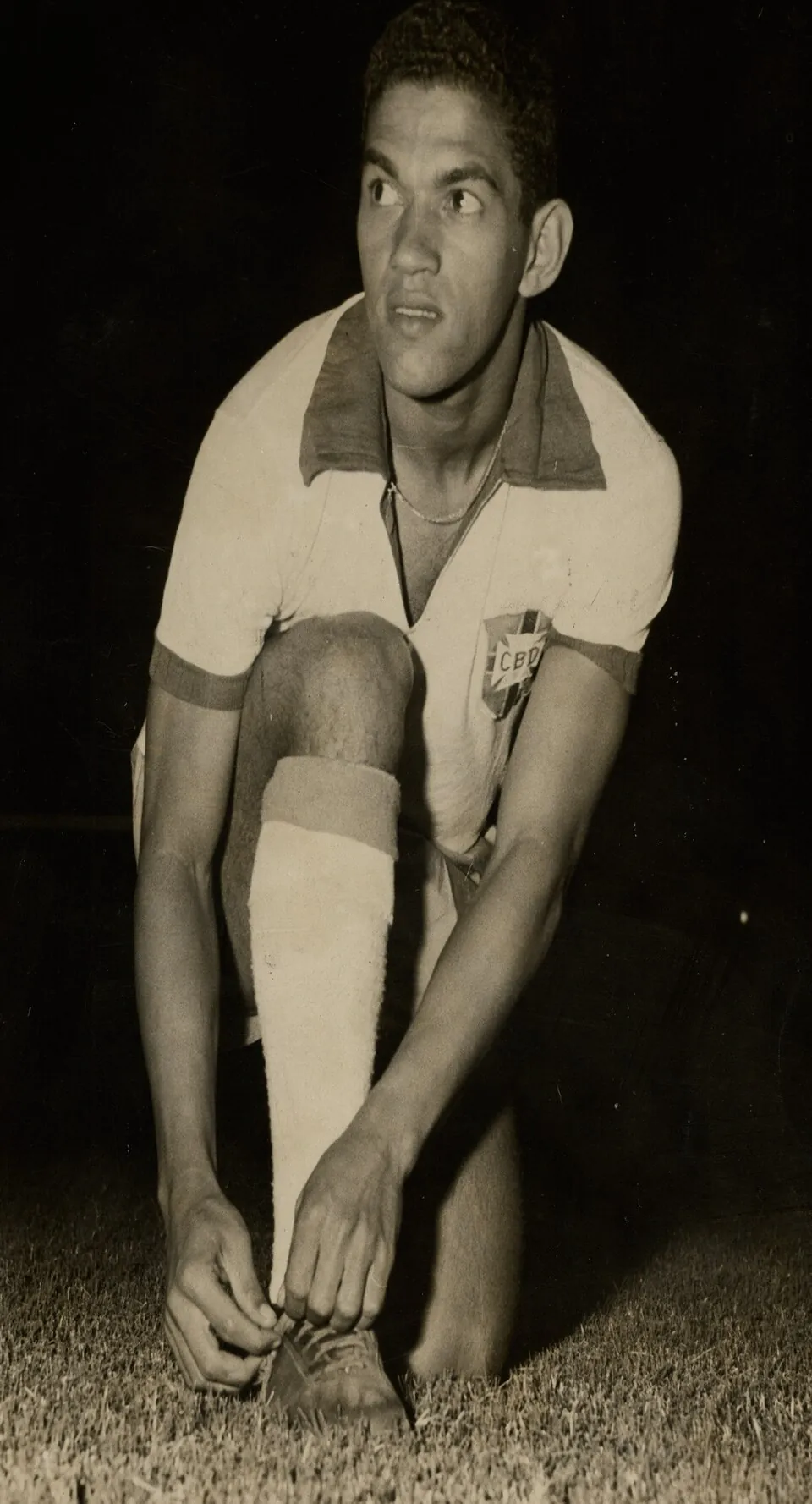
Knee injuries took soccer away from Garrincha little by little. There were treatments and attempted comebacks: at Corinthians, he trained hard and got back to his weight; later, he prepared to play for Flamengo.
At Olaria, in 1972, his knee swelled after twenty minutes. One day, he confessed to the coach: "I'm so sorry I can't do what I used to do anymore, Roberto."
The joy of the people

In Italy, he became friends with Chico Buarque. Chico wanted to talk about soccer; Garrincha wanted to talk about music, knew his Bossa Nova, and said one of his favorite singers was João Gilberto. In 1973, the Maracanã was packed for the Gratitude Match.
The last years were ones of alcoholism, hospitalizations, and violence that wounded those close to him. Friends and former teammates tried to help. Garrincha died on January 20, 1983, at 49.
Pure Sanguine
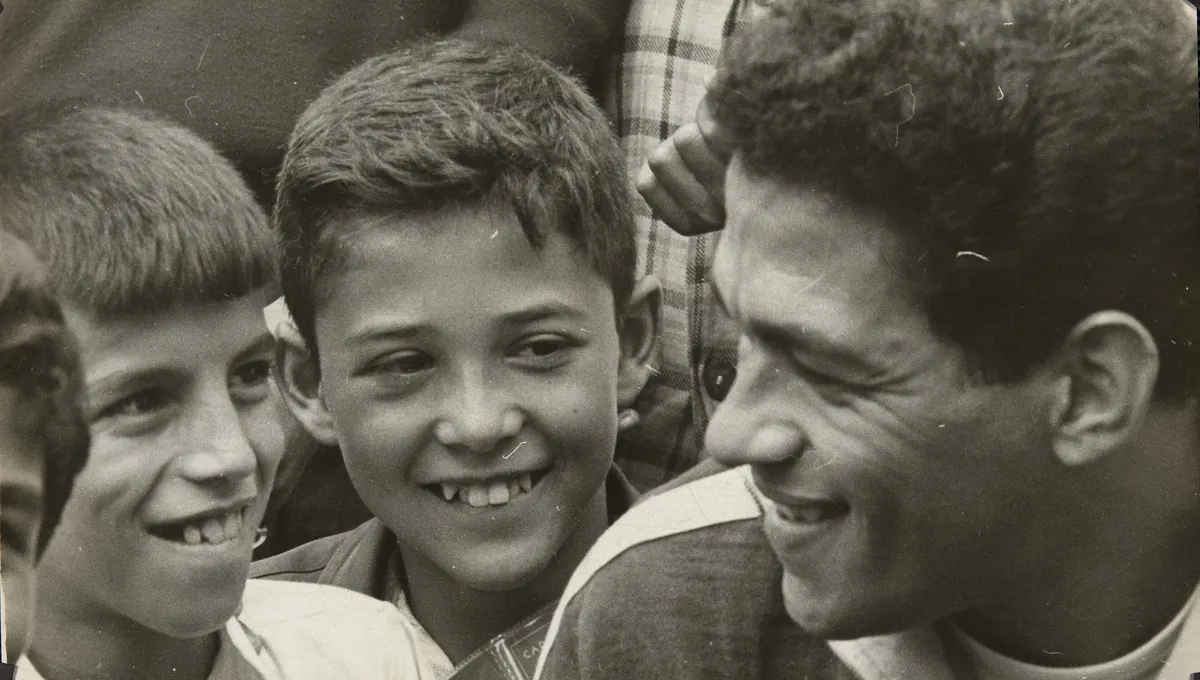
Our reading of Garrincha through Axis Ratio is that of a pure sanguine.
Playing, fishing, listening to music, and spending time with others could have great value for what they offered while they were being lived. He accepted considerable effort to take part in activities that interested him, even without a corresponding professional advantage.
The pickup game was still attractive after the World Cup. A conversation about music kept its interest alongside fame.
The experience itself could offer sufficient satisfaction.
The characteristics of the sanguine genus
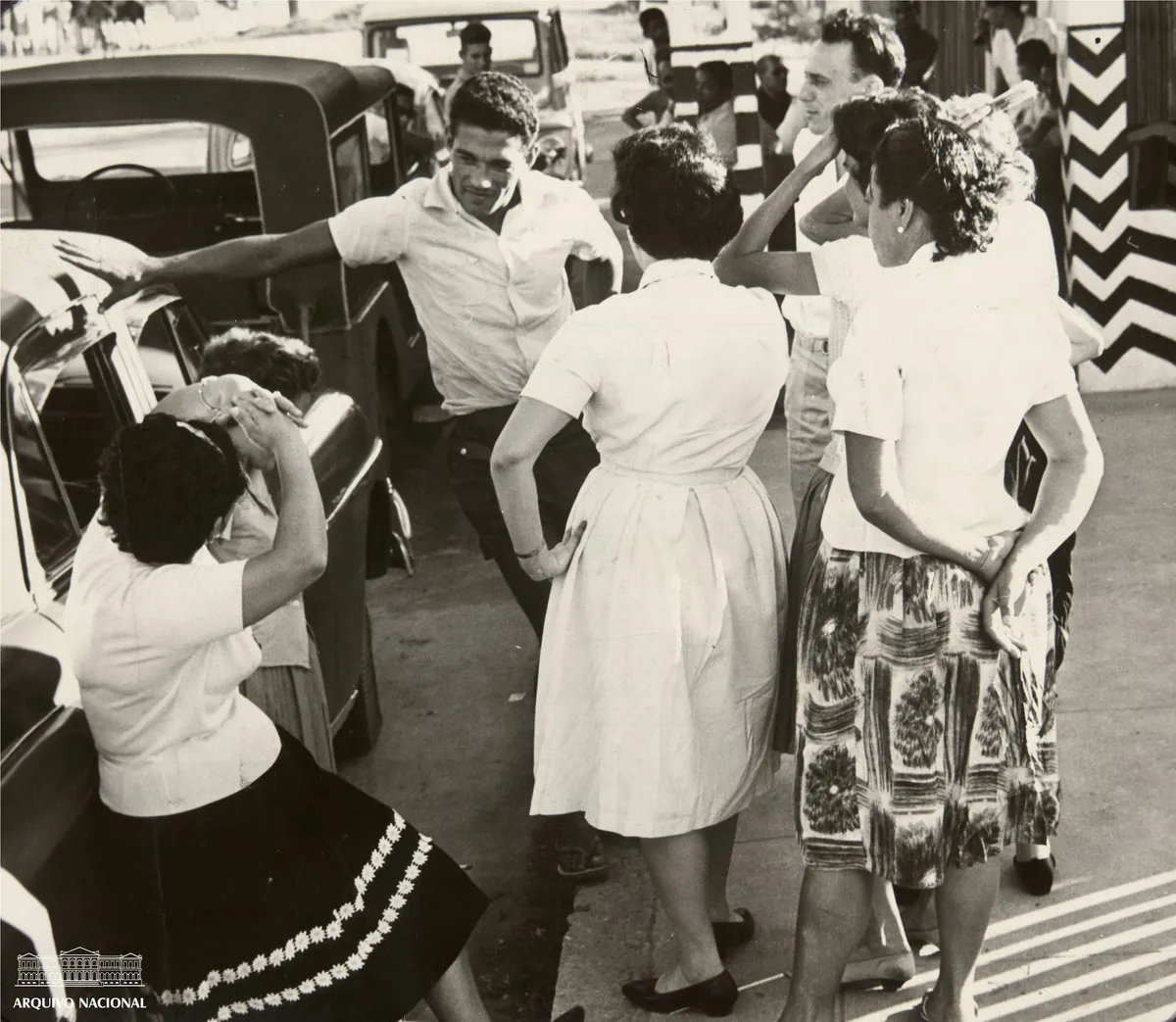
In Garrincha, this disposition finds expression in:
- Openness to the pleasant: soccer, fishing, and music stirred his interest.
- Affective participation: he got involved in what attracted him and felt the deprivation of not being able to play.
- Extroversion: his experience was renewed through contact with people, activities, and events.
- Value of companionship: jokes, conversations, and get-togethers offered satisfaction of their own.
This extroversion could show up in a man of few words. Its meaning lies in an orientation toward experience, not in the amount of talking.
The particular way of the pure sanguine
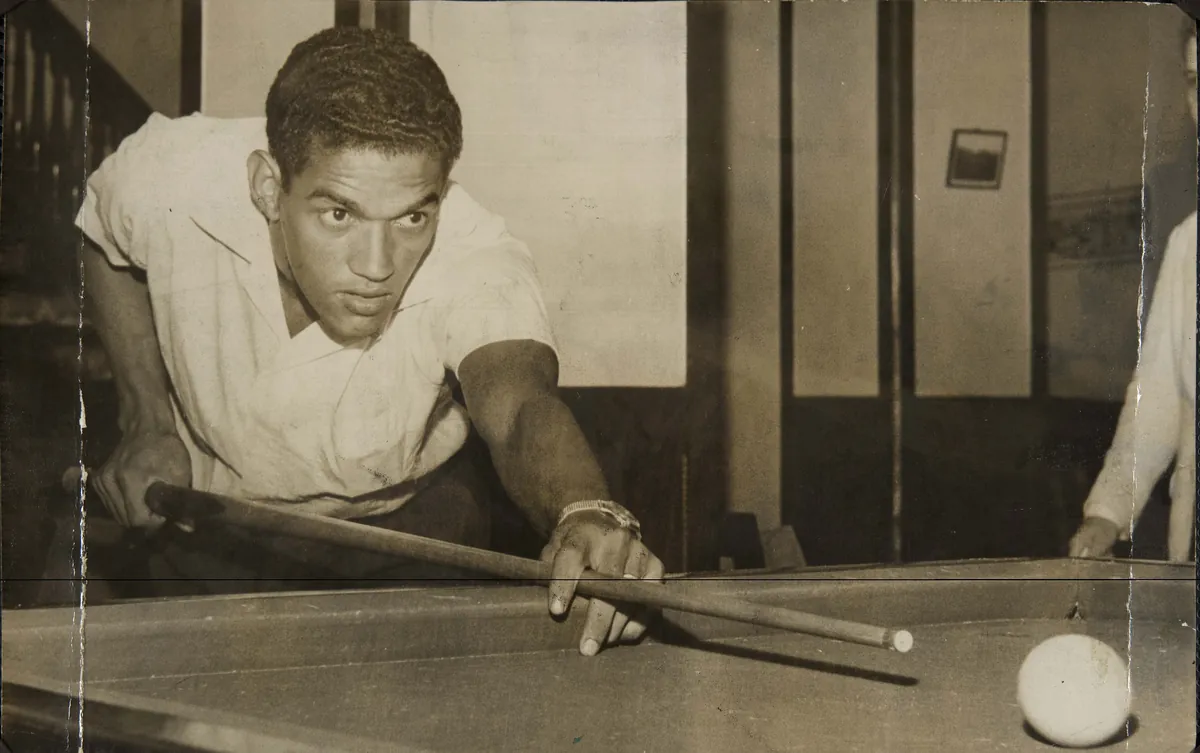
In the pure sanguine, taking part is already enough. This disposition makes it possible to:
- Enjoy the experience for its own value: taking part can already offer satisfaction.
- Be with others without needing to occupy the position of greatest importance: companionship can stay good under someone else's leadership or in someone else's spotlight.
- Take part without needing to show any special skill: listening, going along, and enjoying also have value.
In Garrincha, the pickup game after the World Cup offers an expressive image of this reading: the match was still something he wanted when he had already conquered the world.
The joy that stayed in soccer

Garrincha made millions of people feel joy as they watched a match. There is a sanguine beauty in that presence: enjoying the experience and letting other people enjoy it too.
His story had suffering and serious failings, but his memory preserves the good he offered on the field: the joy of playing.