
What was Chiara Luce Badano's temperament?
She loved dancing, singing, the sea and her friends. At 18, no longer able to walk, she told her mother: "Be happy, because I am." What way of being is this, one that did not lose its joy even at the end?
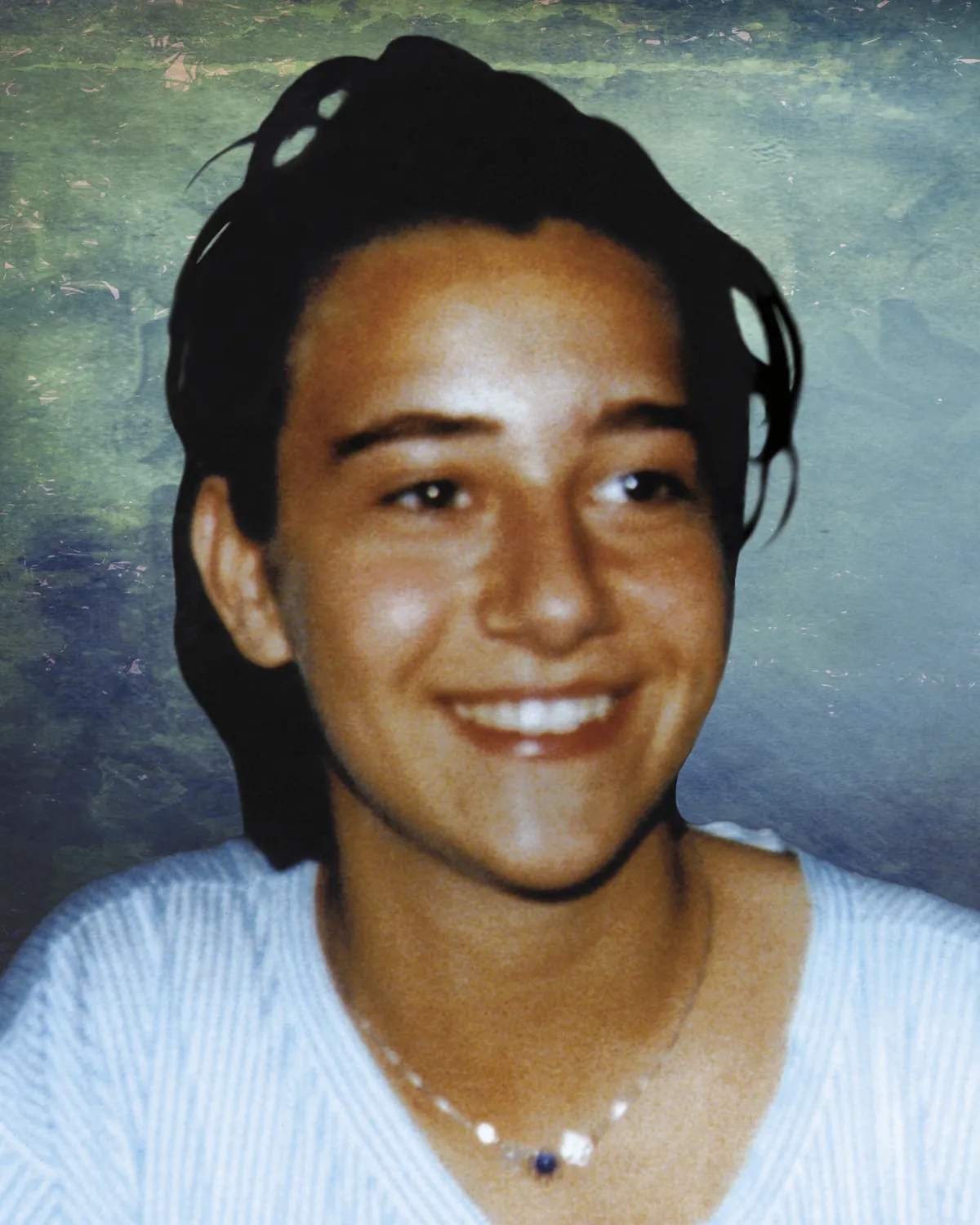
Eleven years of waiting
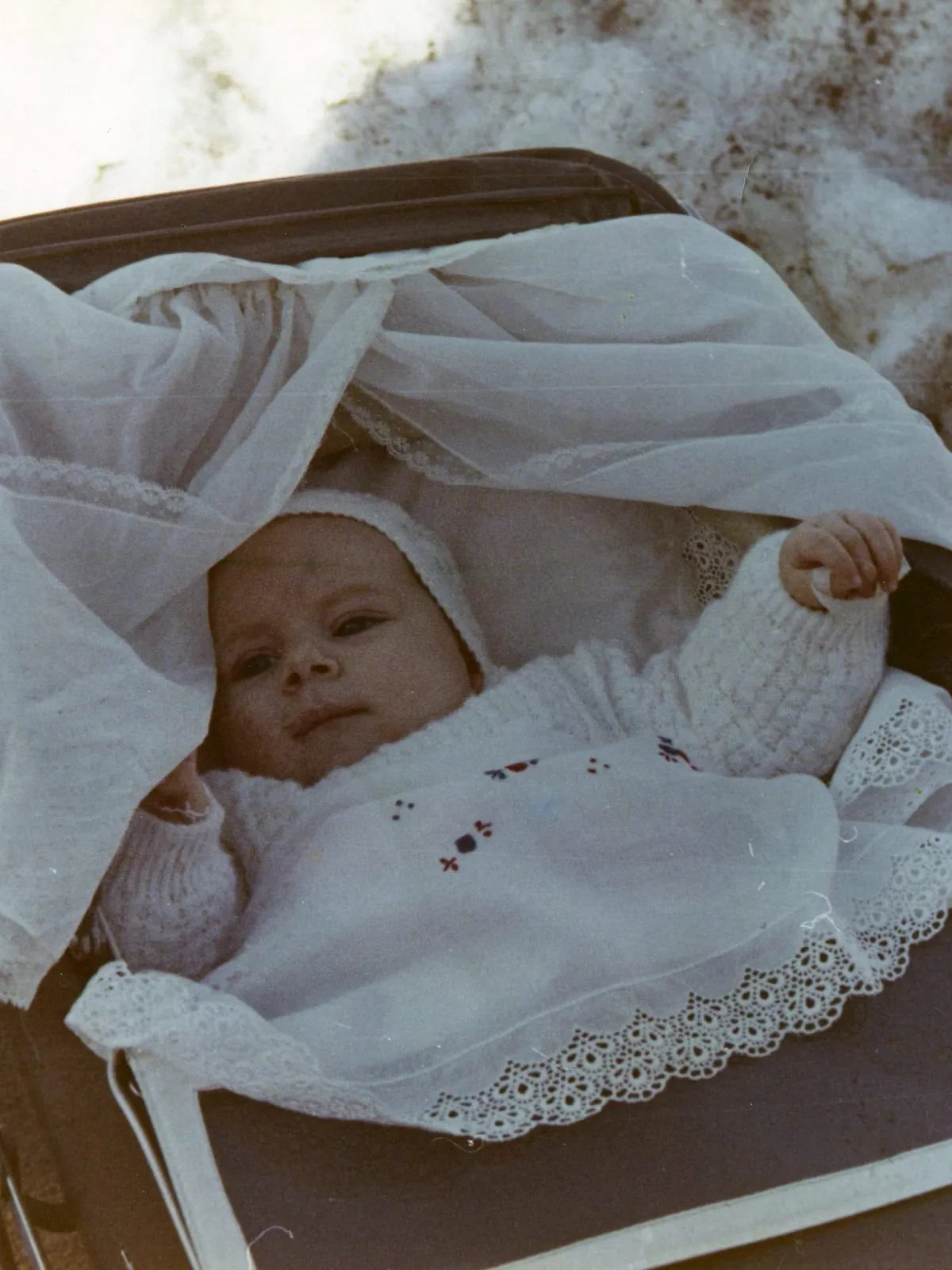
Maria Teresa, a factory worker, and Ruggero, a truck driver, waited eleven years for a daughter. Chiara was born on October 29, 1971, in Sassello, a small town in the mountains of Liguria, in northern Italy.
Her mother quit her job to raise her and summed up the upbringing they gave her like this: "She was first of all a daughter of God, and we had to raise her that way, respecting her freedom."
"No! They're mine!"
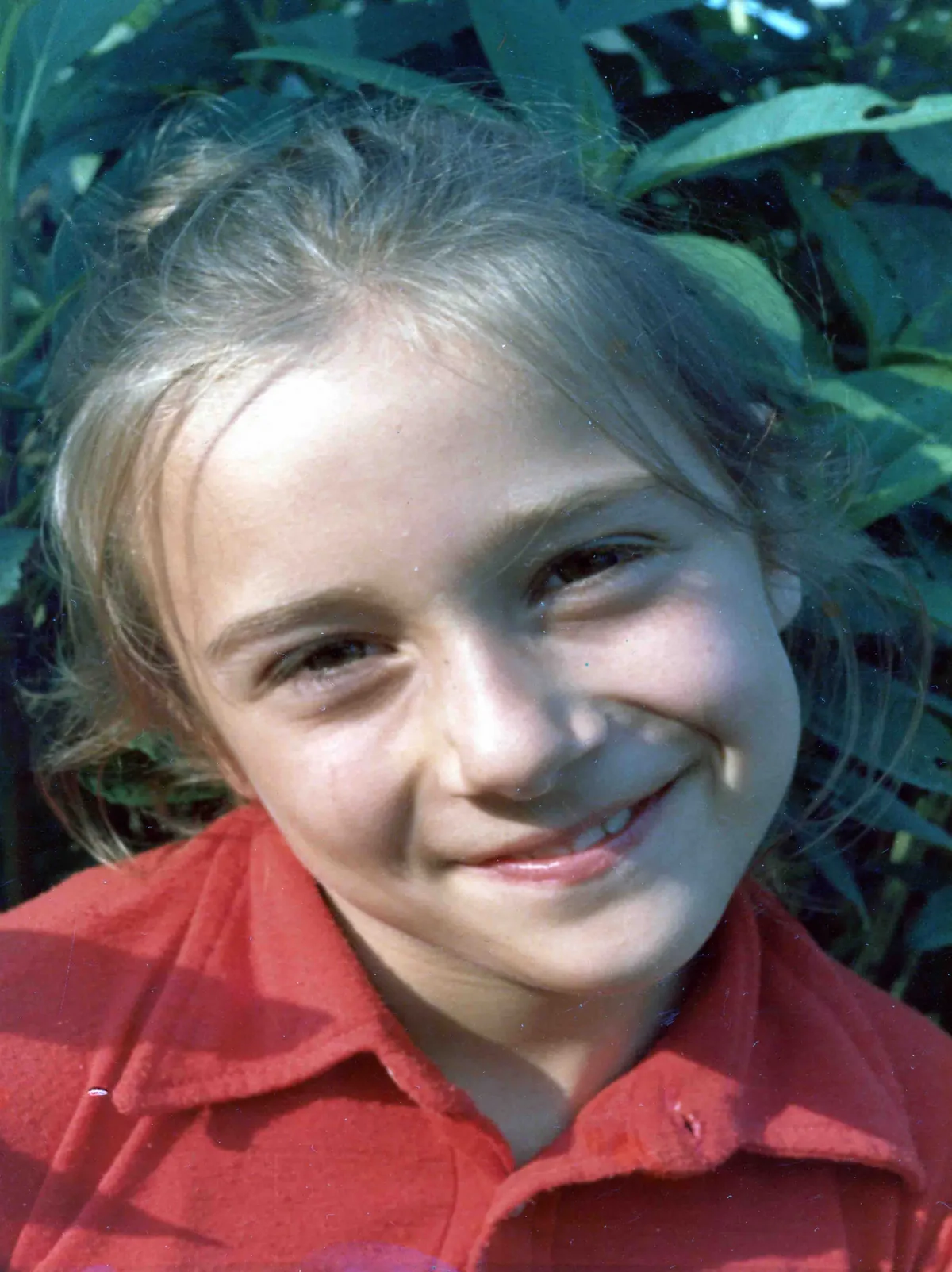
When she was four, her mother suggested she give some toys to poor children. The answer came right away: "No! They're mine!"
A little later, Chiara began sorting out her toys, and her mother noticed she was picking precisely the new ones. The little girl explained: "You can't give old toys to poor children!"
A friendship on a train
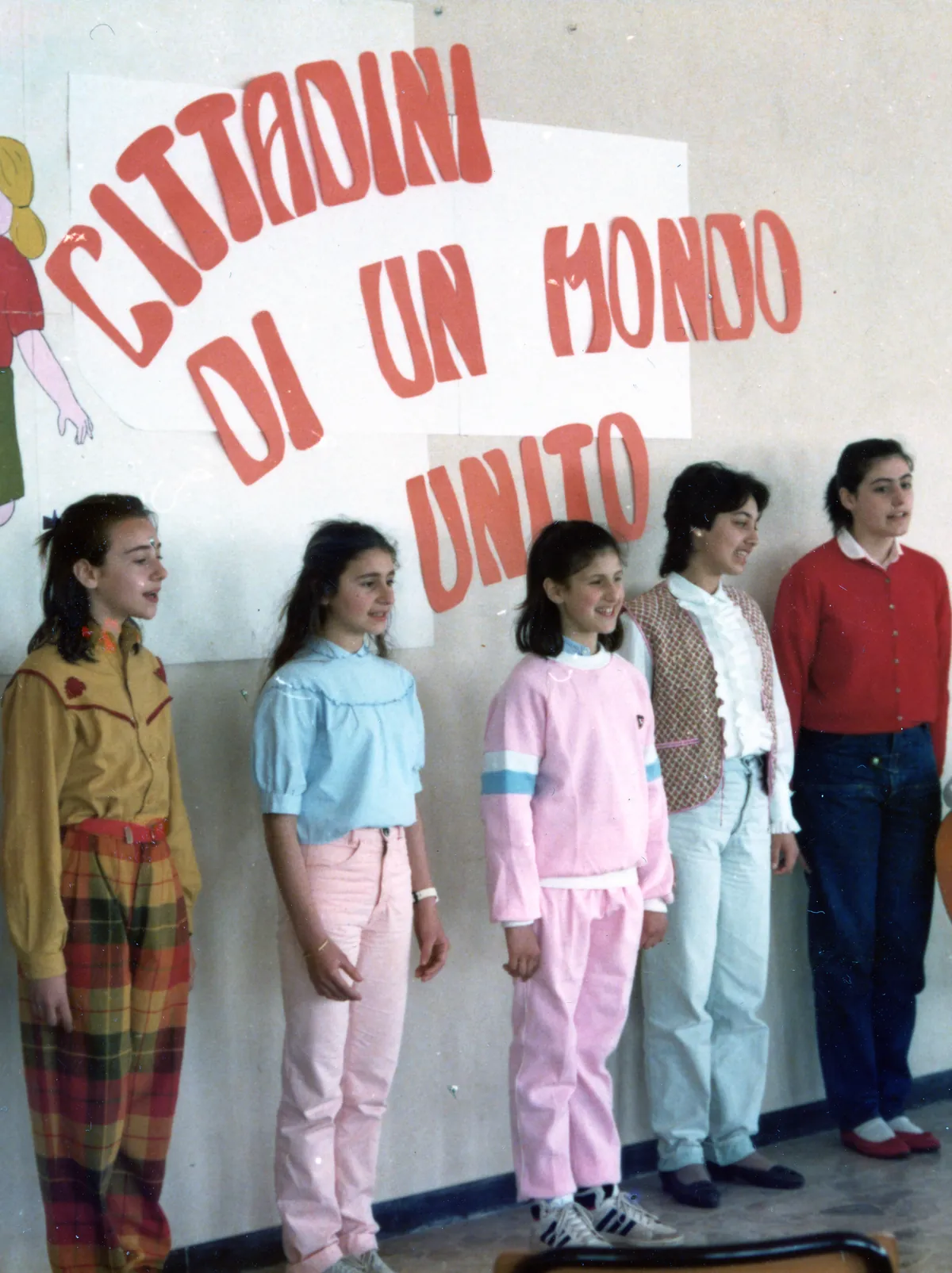
It all began on a train trip, when Chiara met a girl her age who would become her great friend, Chicca. With her, at nine and a half, she came to the Focolare Movement.
The two of them wrote together to Chiara Lubich, the founder: "We have begun our adventure." A girlhood friendship became the path by which faith truly entered her life.
At the sea, she burst into life
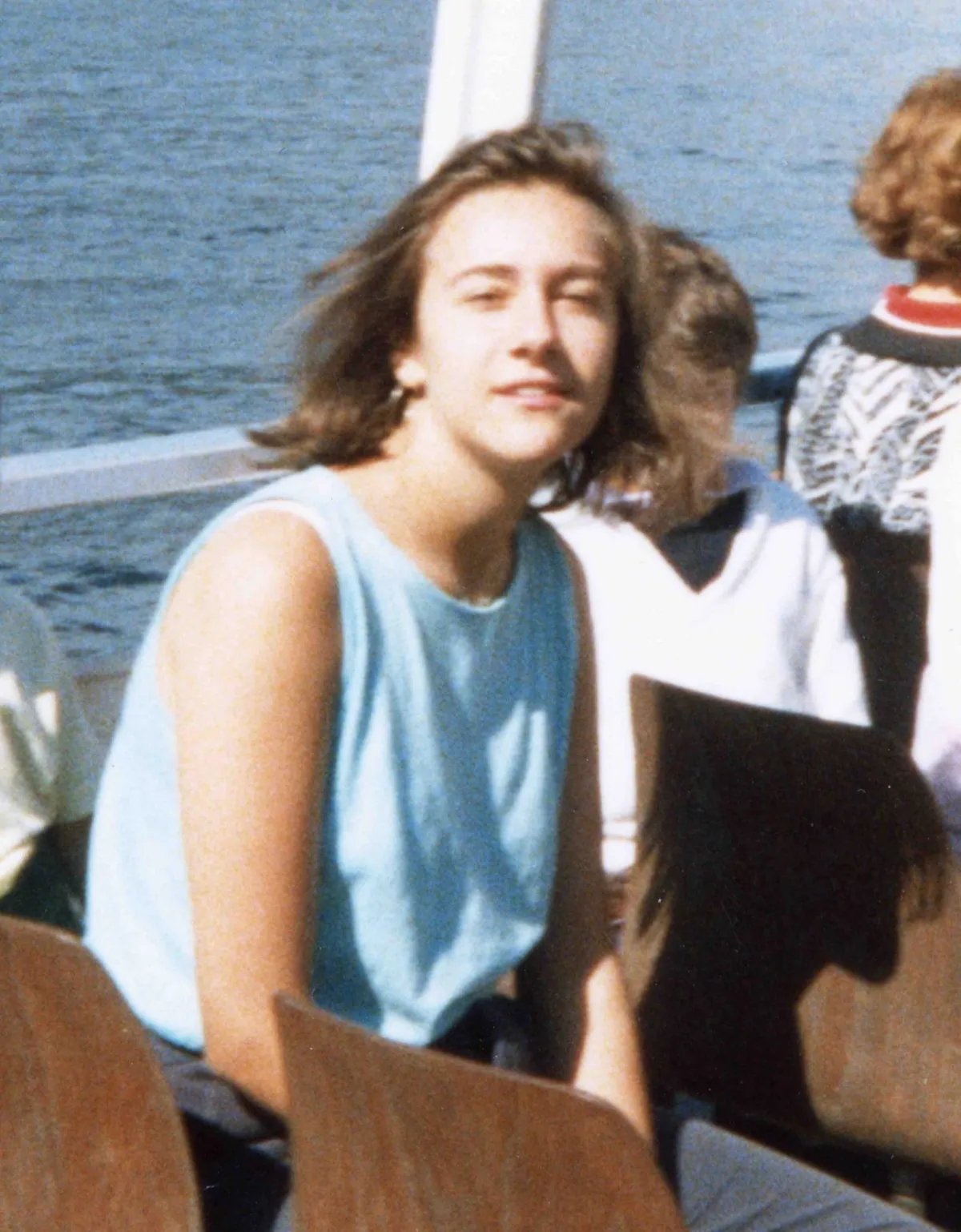
Chiara grew up beautiful, cheerful and surrounded by friends. She had a lovely voice, loved music and dancing, played tennis, roller-skated, climbed mountains. And at the sea, the official biography says, "she burst into life."
She dreamed of becoming a flight attendant and, later, of studying medicine to care for children in Africa. She was a real teenager, who loved life and loved living it together with others.
"I shouldn't talk about Jesus. I should give him."
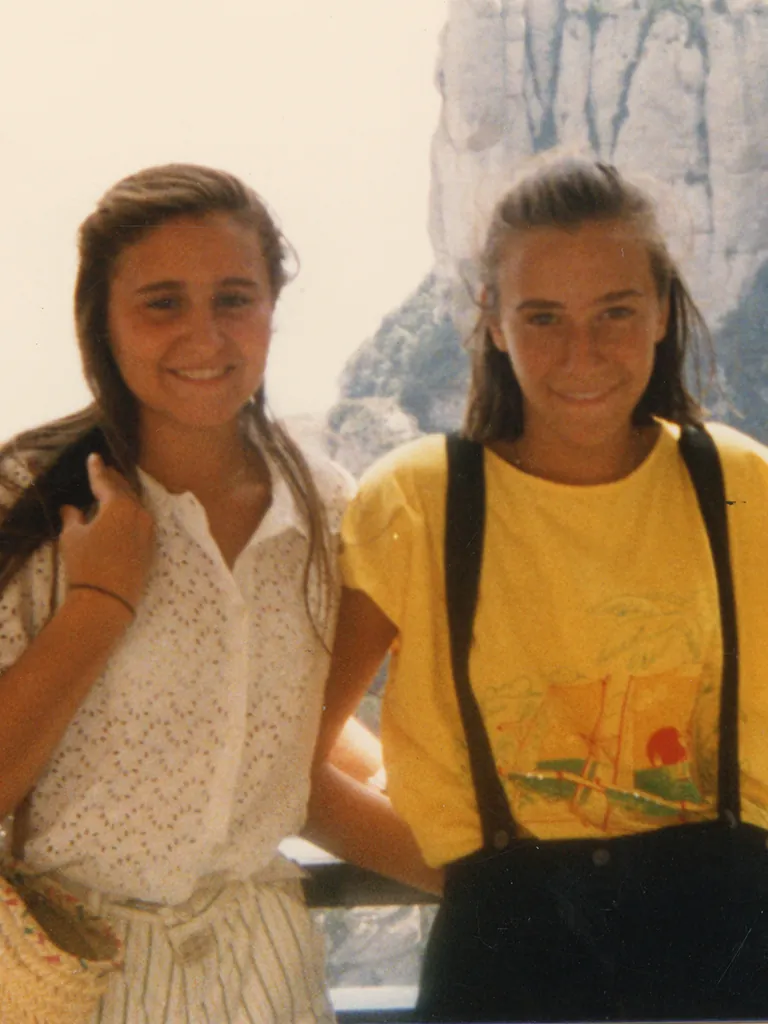
The group's meeting place was Bar Gina, in Sassello. And many friends took the chance to confide their doubts and difficulties to her.
When her mother asked whether she talked about Jesus to her friends, Chiara replied: "I shouldn't talk about Jesus, I should give him, by the way I listen, by the way I dress and, above all, by loving them."
The "nun"
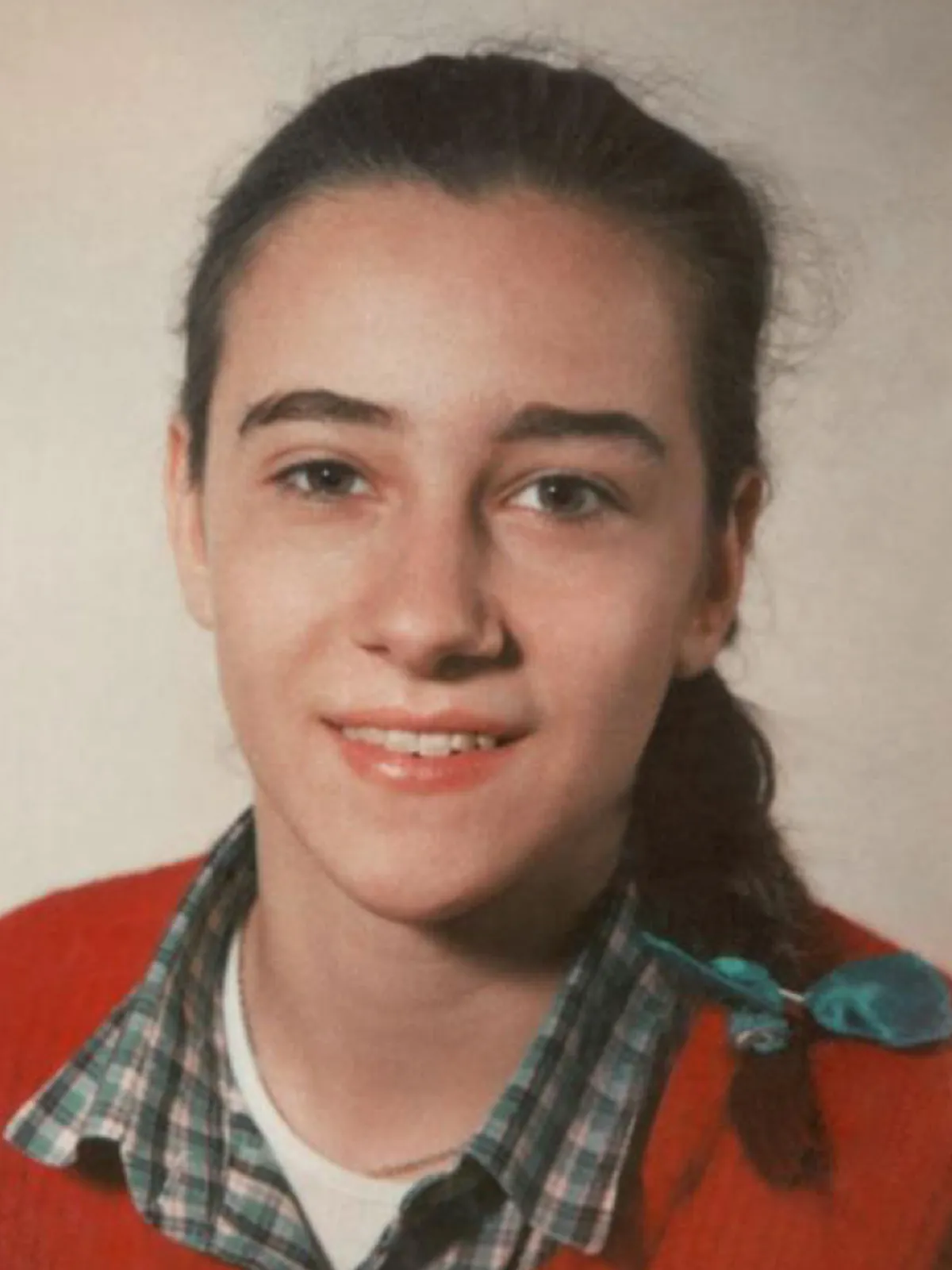
Not everyone thought it was beautiful. Because of her faith, some classmates called her "the nun," and it made her suffer.
Even so, she kept going to Mass and living the way she believed. And she was no girl without fire in her blood: when a boy made an inappropriate move on her on a bus, he got a slap no one forgot.
Savona, but with a return ticket
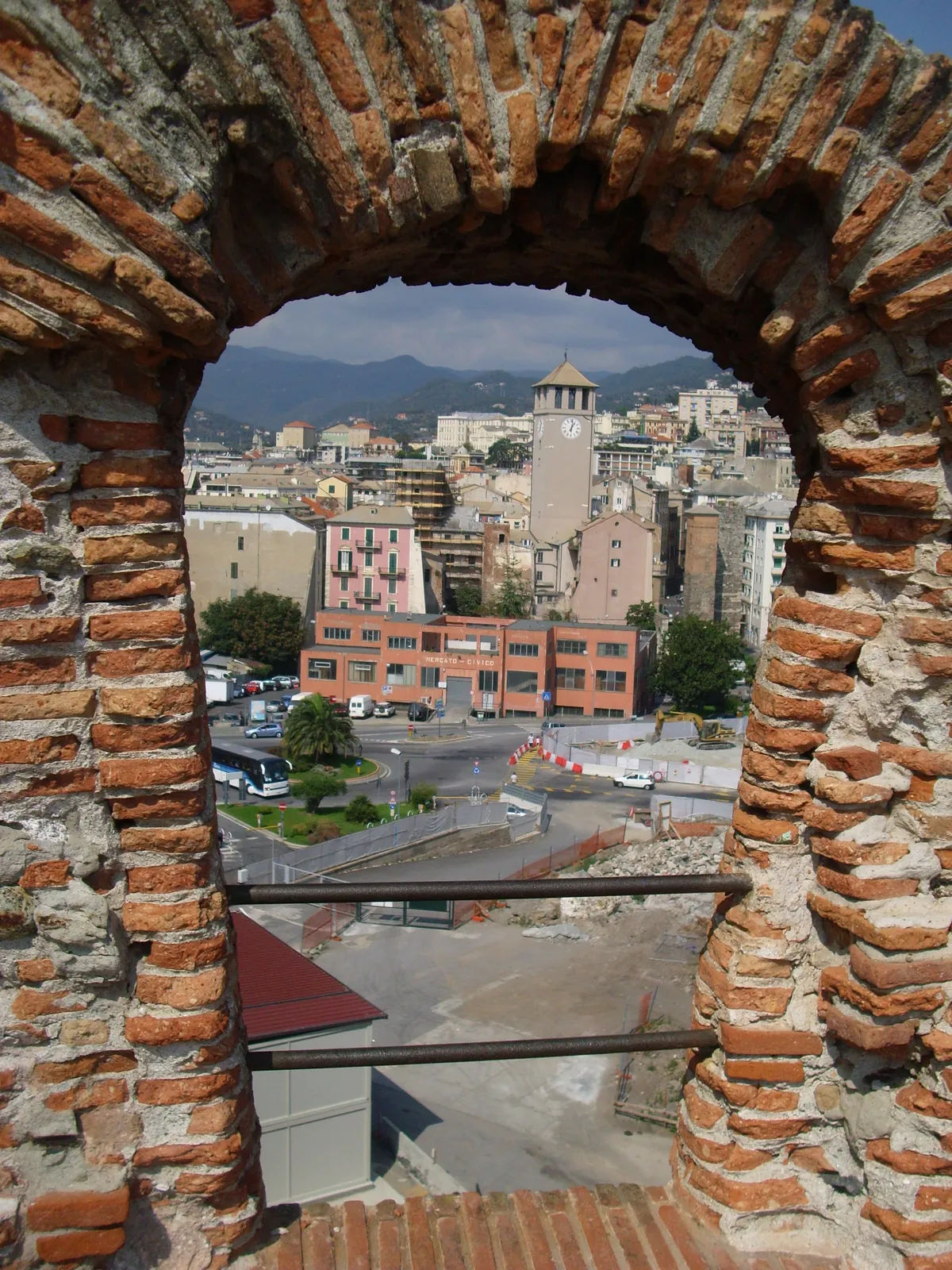
In 1985, so that Chiara could attend the classical high school, the family moved to Savona. For her, leaving Sassello and her friends was a real sacrifice.
The solution came from the family itself: on weekends, they went back to the little town, "to everyone's great joy." The new life began without undoing the old one.
"Even today it makes me want to cry."
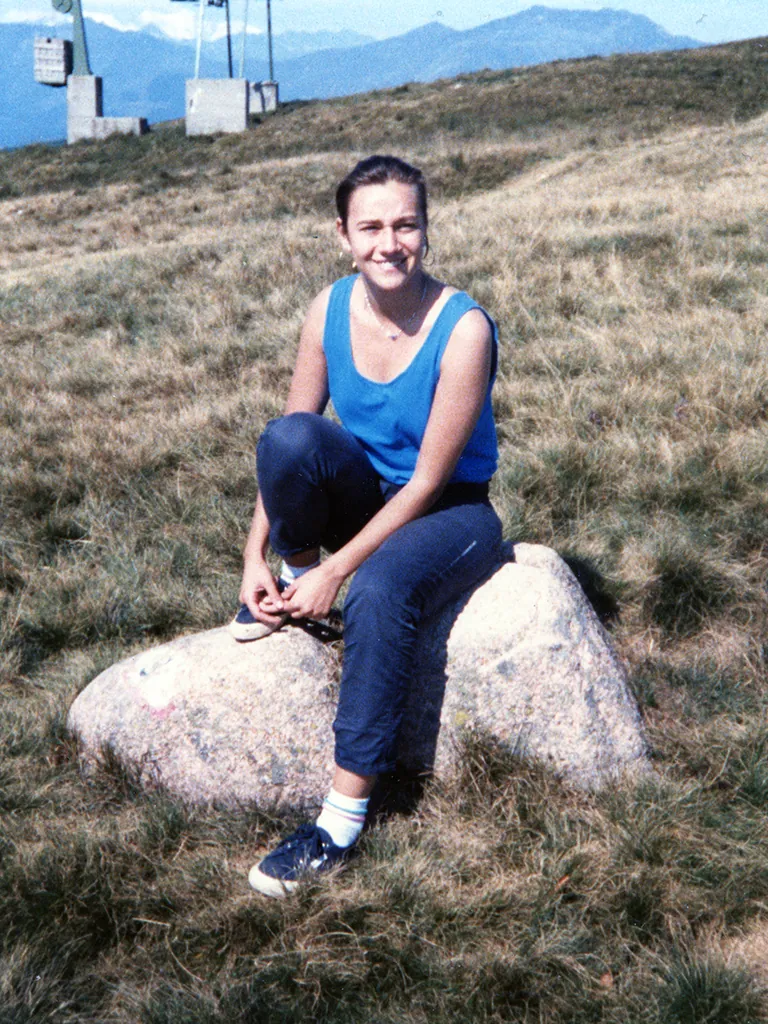
At the high school, Chiara was held back a year, and many people thought it was unfair, the result of clashes with a teacher. When some classmates wanted to get revenge on the teacher, she was the one who stopped them.
Some time later, she wrote to a friend: "For me, it was an enormous pain… even today, when I think about it, it makes me want to cry a little. But it is Jesus forsaken!"
The racket fell
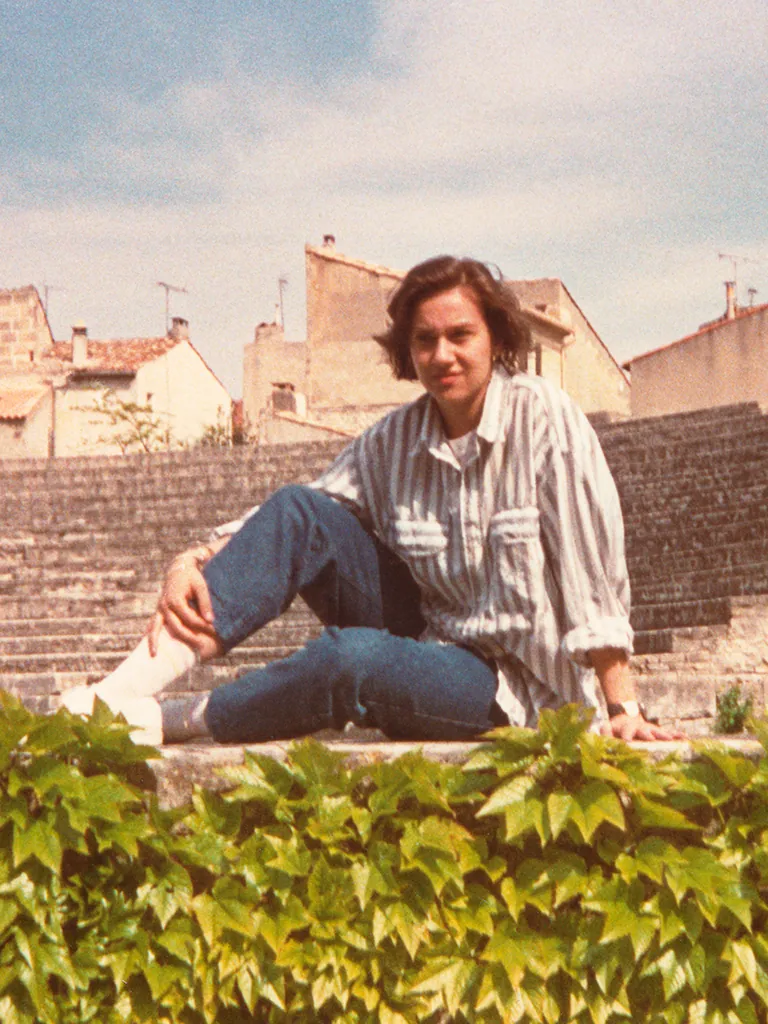
In the summer of 1988, at 16, Chiara was playing tennis with her friends when she felt such a sharp pain in her shoulder that the racket fell from her hand. The doctors thought it was a broken rib.
It wasn't. It was osteogenic sarcoma, a bone cancer, already with metastases. In February 1989 came the first surgery, in Turin.
"I'll have time to sleep later."
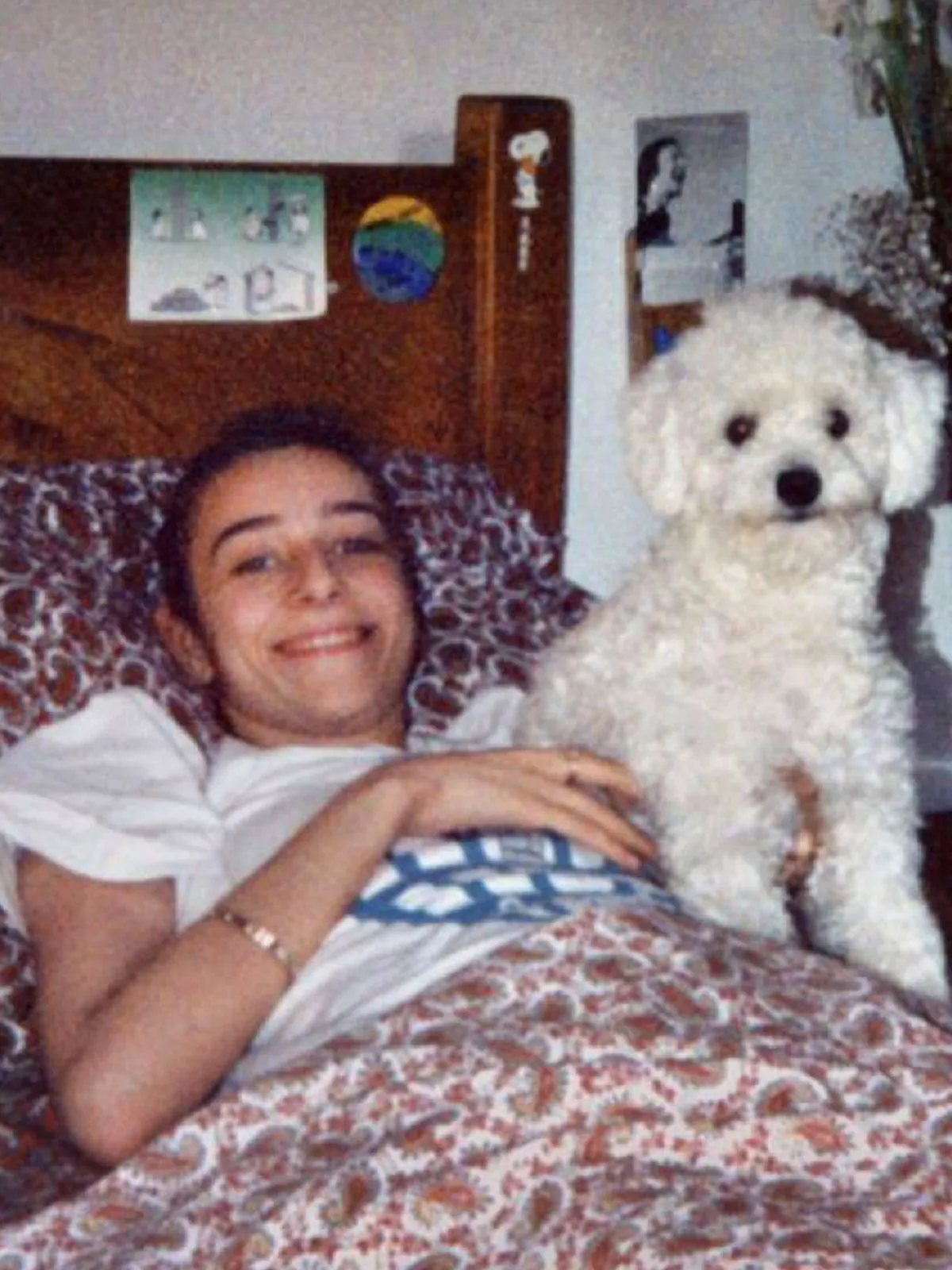
In the hospital, Chiara grew close to a depressed young woman who was a patient near her, and spent hours walking with her through the corridors. Her parents asked her to rest. Her answer: "I'll have time to sleep later."
In Sassello, already ill, she went to a nursing home to comb the hair and wash the face of an elderly lady, Grandma Speranza. The illness did not take her away from others.
Twenty-five minutes
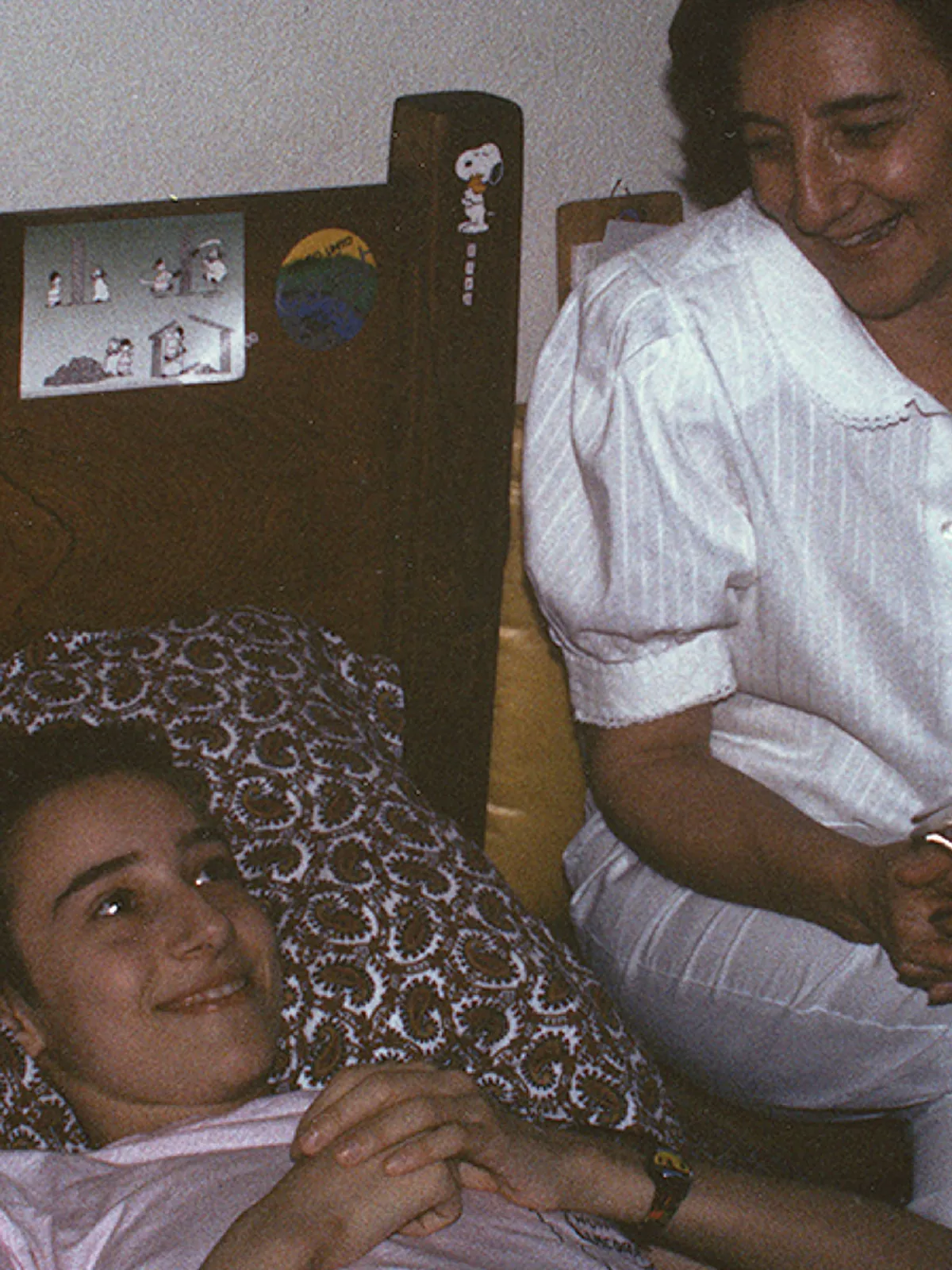
One day in 1989, coming back from the hospital, Chiara understood how serious her illness was. She came into the house, said to her mother "Don't talk now," and lay down in silence.
After a while, she spoke again: "Mom. Now you can talk." Her mother never forgot it: "Chiara took twenty-five minutes to say her yes, but she never looked back."
"This way I am closer to Jesus."
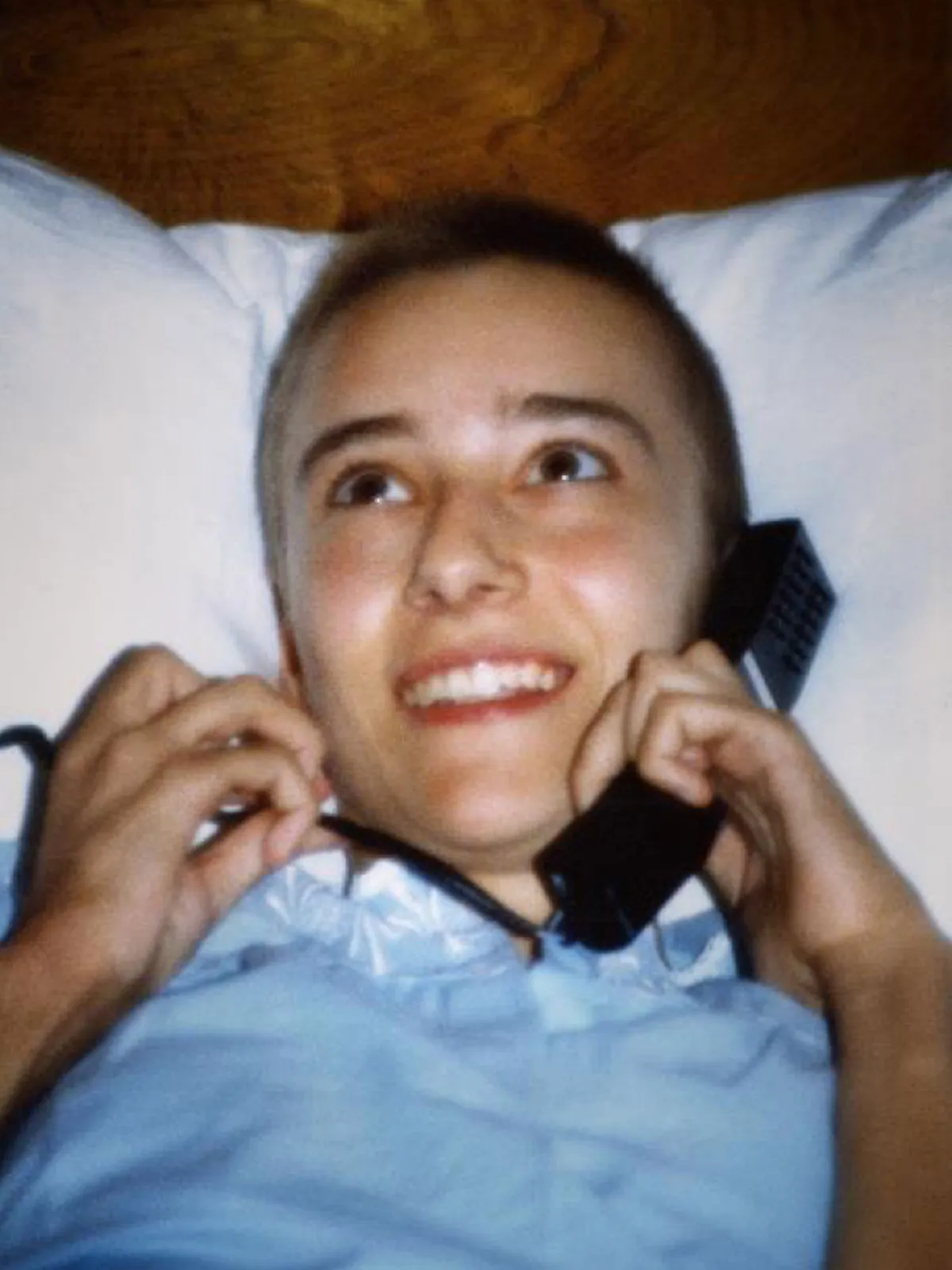
After chemotherapy, Chiara lost the use of her legs. She asked her mother: "Mom, am I never going to walk again?" And, some time later, she said: "If they asked me now whether I want to walk again, I would say no, because this way I am closer to Jesus."
The phone in her room became her window to her friends. Through an antenna on the roof, she followed the Genfest live, the great gathering of the Focolare youth in Rome.
Chiara Luce
It was around this time that Chiara asked Chiara Lubich for a new name. The answer came by letter: "'Chiara Luce' is the name I thought of for you; do you like it? It is the light of the Ideal that overcomes the world."
On her 18th birthday, she received money as a gift and gave it all to a friend who was leaving to dig wells in Benin, in Africa: "I don't need this money. I have everything!"
"If you want it, Jesus, I want it too."
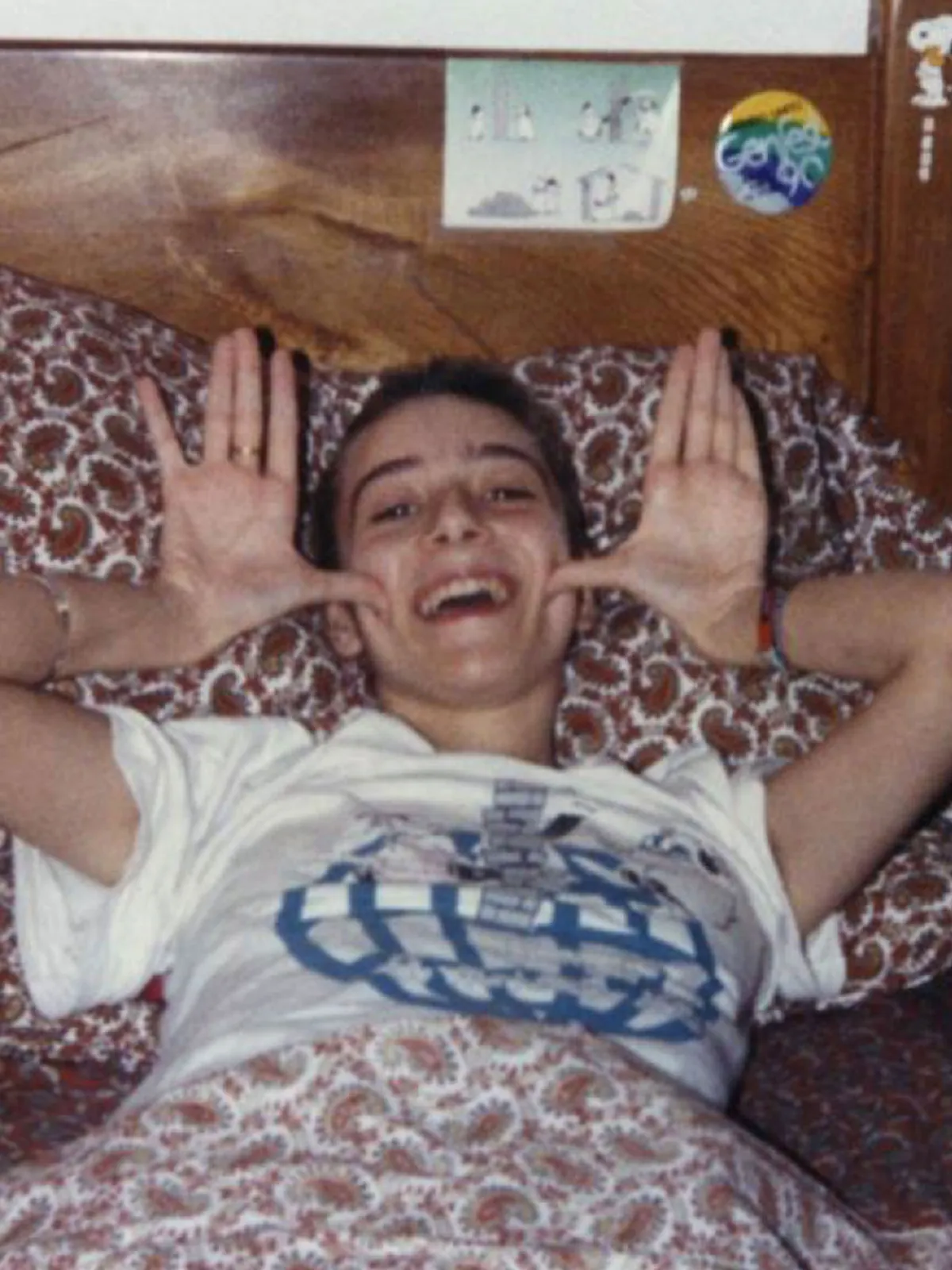
The pain was enormous, and Chiara refused an increase in morphine: "It takes away my lucidity, and the only thing I can offer Jesus is my pain."
With each new loss, she repeated the same prayer: "If you want it, Jesus, I want it too!" To the cardinal who asked her where the light in her eyes came from, she answered simply: "I try to love Jesus very much."
"Be happy, because I am."
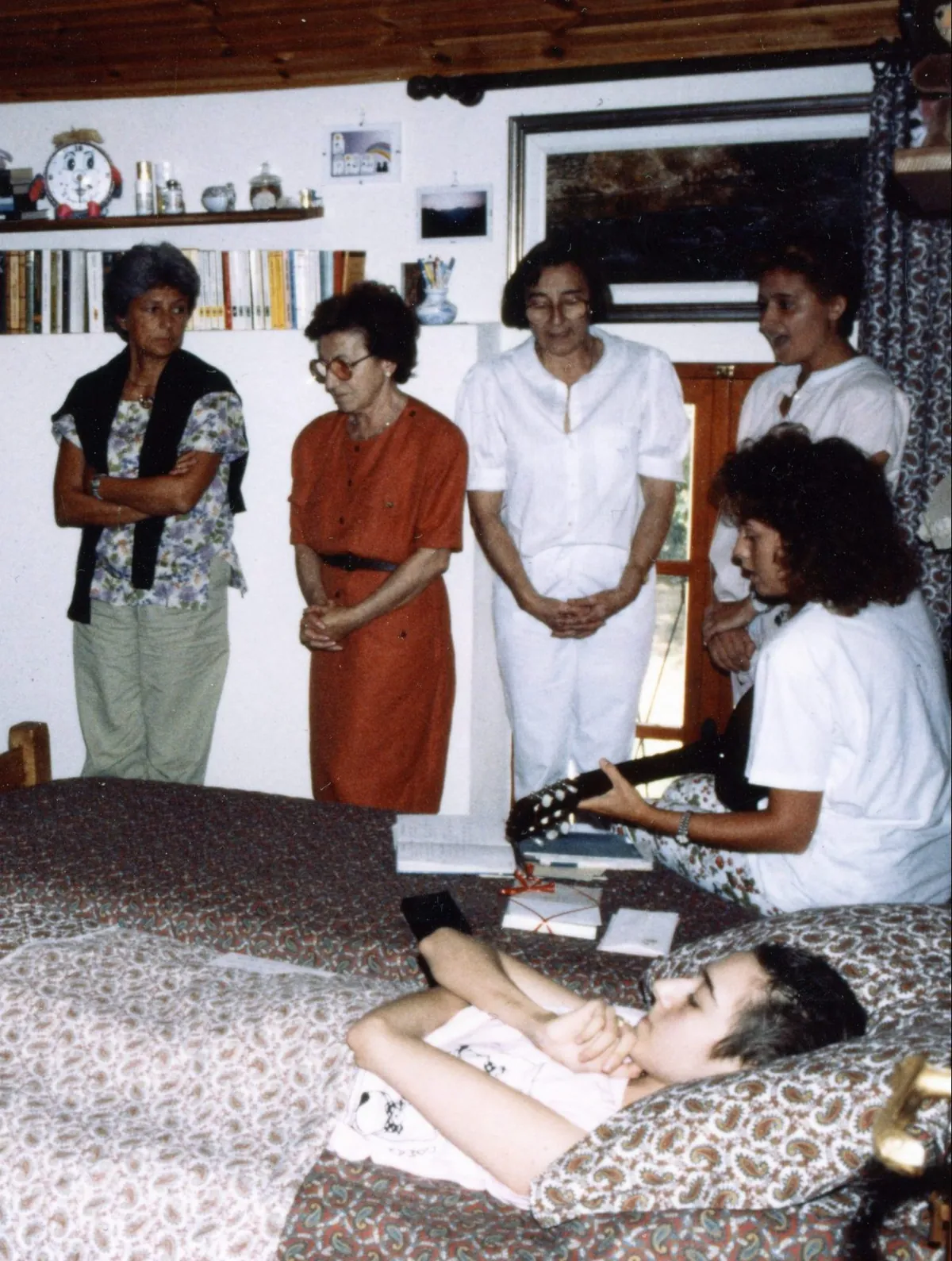
Chiara planned her own funeral: she wanted to be buried in a white wedding dress and chose the songs with Chicca. "At my funeral I don't want people who cry, but people who sing out loud."
She died at 4:10 a.m. on October 7, 1990, at 18, at home, with her parents. To her mother she left her last words: "Mom, bye! Be happy, because I am." She donated her corneas, the only part of her body the tumor had not reached.
Sanguine-Phlegmatic
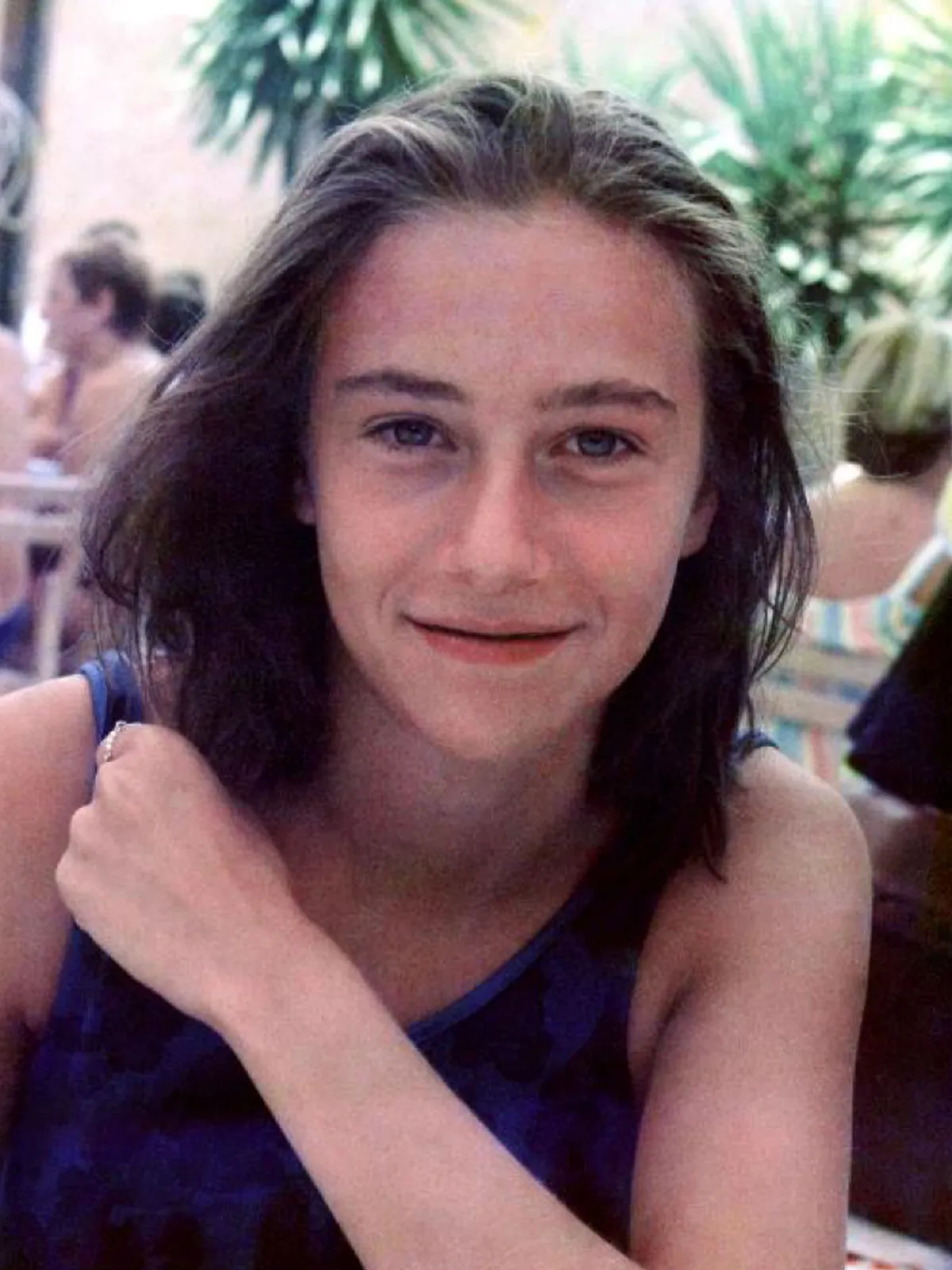
Through Axis Ratio, the most coherent reading of Chiara Luce's life is that she was sanguine-phlegmatic.
The sanguine sets the tone: the joy of living, of taking part, of being with others, and the pain of being rejected. And the phlegmatic comes to serve that belonging: it gives continuity to bonds and adjusts whatever is needed so as not to lose the togetherness, like the weekends in Sassello and the phone in her room.
In the sanguine-phlegmatic woman, belonging is the center, and the challenge is to belong without dissolving.
The joy of the sanguine genus
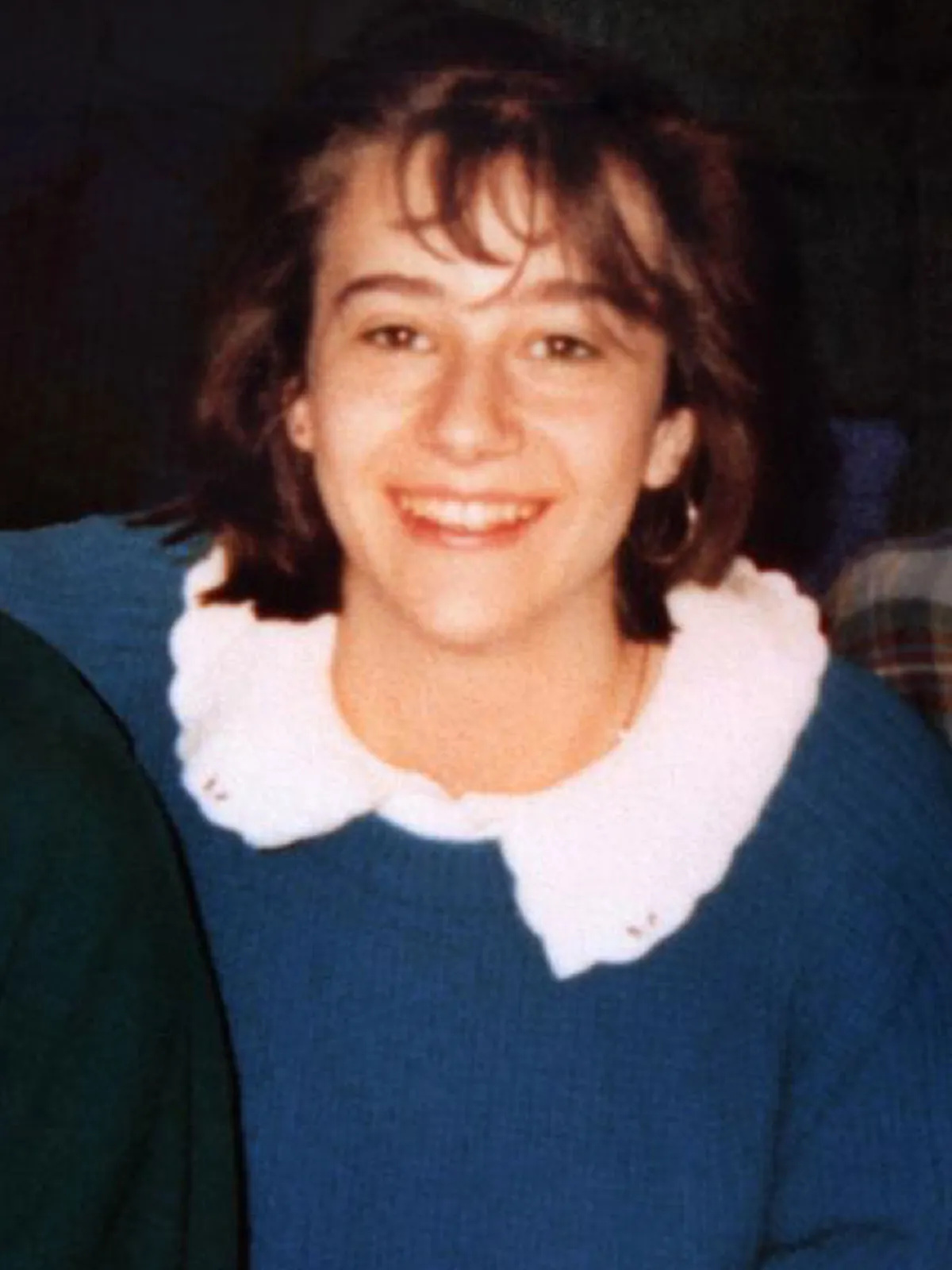
Like every sanguine, Chiara shows:
- A taste for what is good in life: the sea, music, dancing, tennis.
- Participation: she wanted to be in the thick of life, with her friends.
- A life turned outward: others always had a place, even in the hospital.
- The pain of being rejected: she suffered when they called her "the nun."
And that is why her joy at the end is so striking: it was the joy of someone who loved life.
The distinctive way of the sanguine-phlegmatic
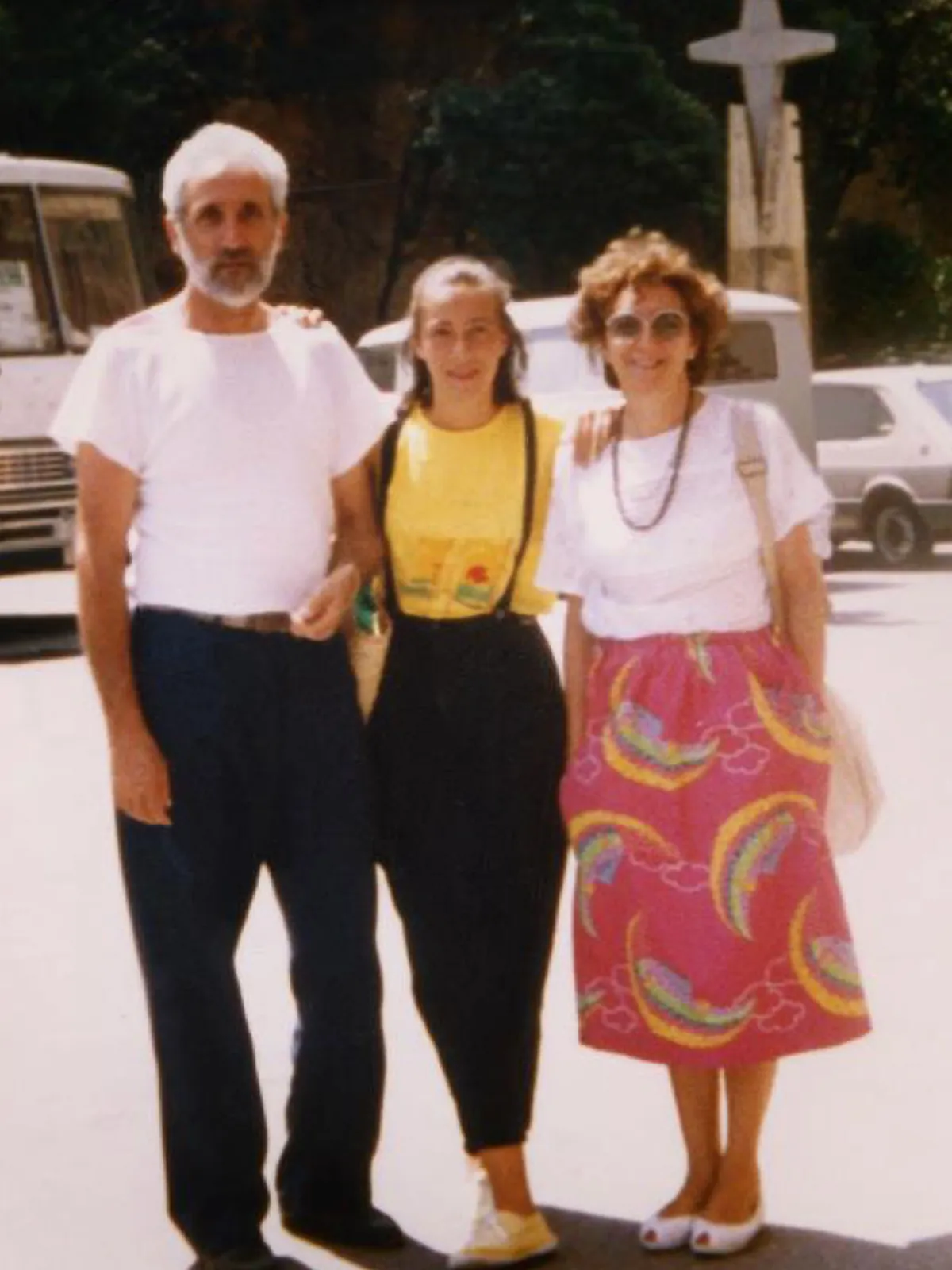
As a sanguine-phlegmatic, this joy comes together with:
- Belonging that lasts: her friendship with Chicca, from the train to the funeral.
- Adjustments so as not to lose the bond: Savona during the week, Sassello on the weekend.
- Continuity through change: when her legs stopped, the phone kept her friends close.
- Belonging without dissolving: she liked being loved, but did not drop her faith to please others.
That is how the mature sanguine-phlegmatic can be recognized: she stays with others without ceasing to be who she is.
Blessed Chiara Luce, pray for us
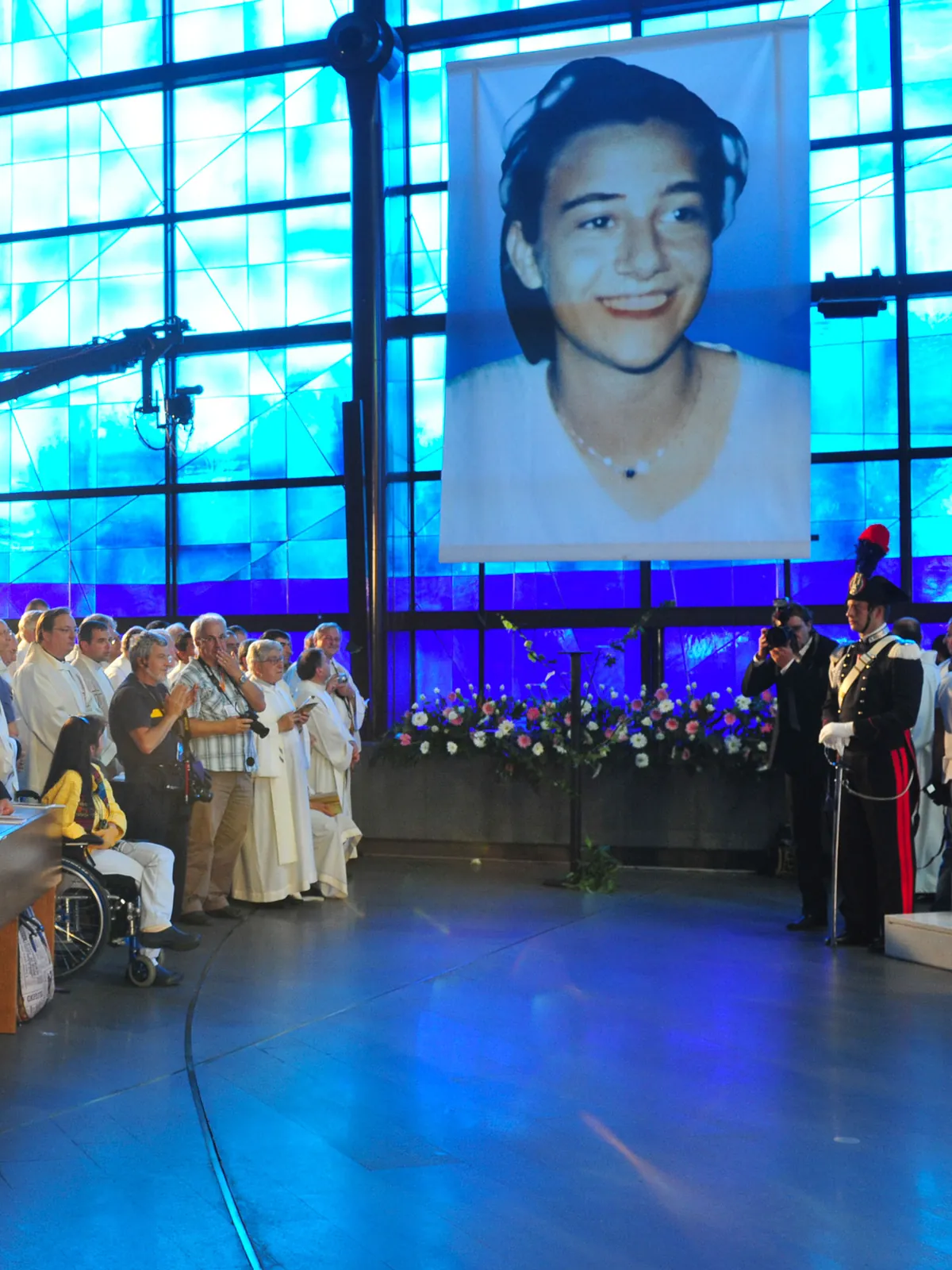
Chiara Luce loved being with her friends. Over time, she also learned to accompany those who suffered, to endure disapproval and to keep on loving when she could no longer get out of bed.
Grace did not erase her temperament: it made it an offering to God. And her memory invites us to take better care of the people who are part of our lives.