
What was Maradona's temperament?
As a boy, he juggled the ball during halftime, and the crowd shouted: "Let him stay! Let him stay!" As a grown man, he said: "I need to feel useful, to feel needed." What kind of disposition is that?
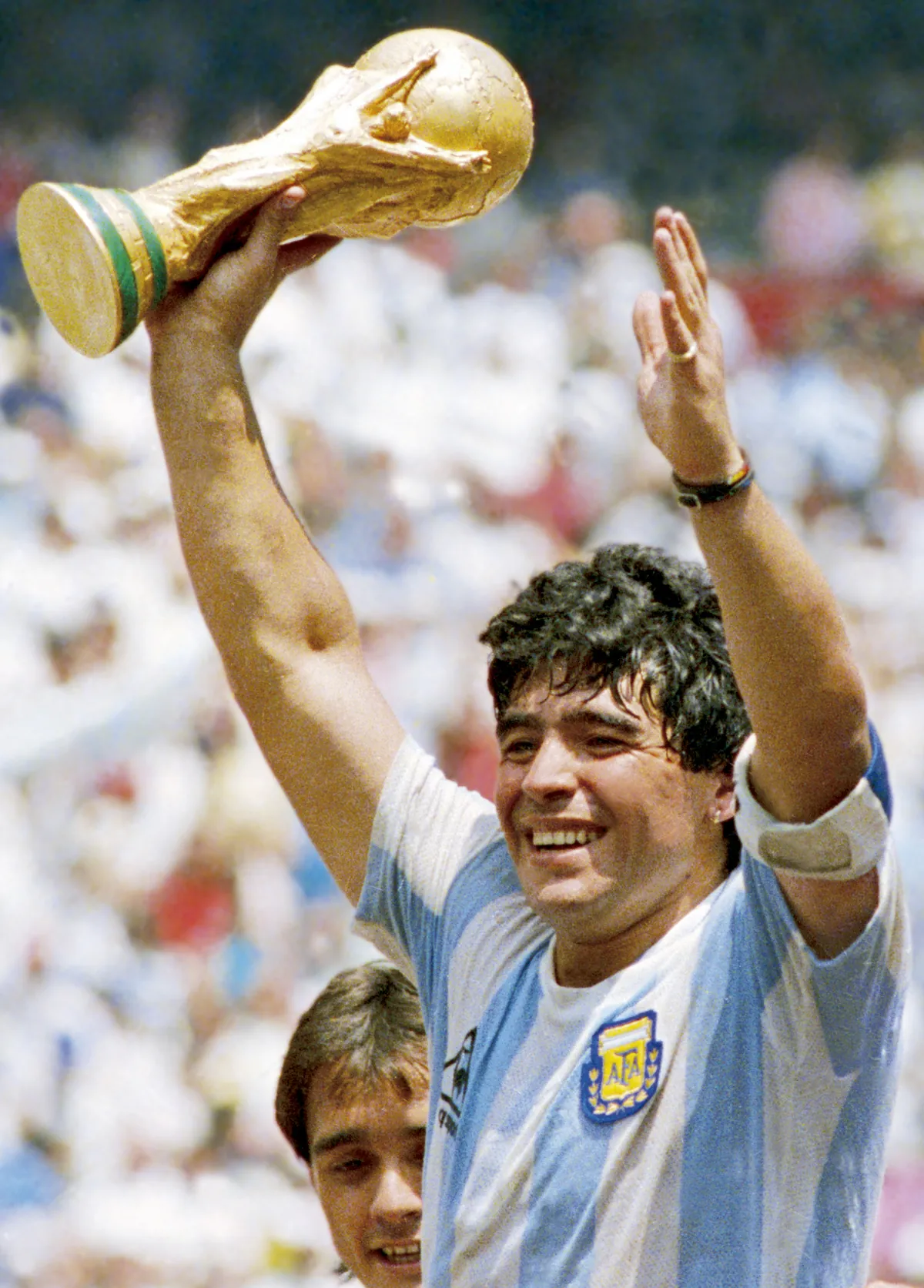
"I'm going to score four on him."

In 1980, Boca goalkeeper Hugo Gatti said Maradona was fat, or was going to get fat. A friend suggested he answer with two goals. Diego corrected him: "Not two. I'm going to score four on him."
He scored all four: one penalty, two free kicks and one chip. Argentinos Juniors won 5–3.
And what he kept from that afternoon wasn't the revenge. It was the noise coming from the opposing stands: for the first time, the Boca fans chanted his name.
It rained harder inside than outside
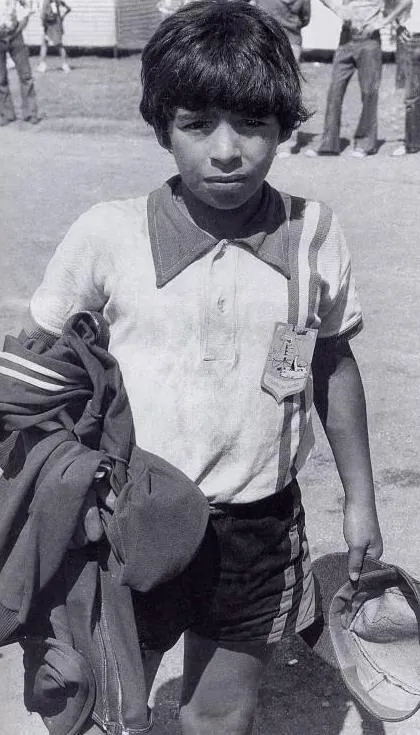
Diego Armando Maradona was born on October 30, 1960, in Lanús, and grew up in Villa Fiorito, on the outskirts of Buenos Aires. He was the fifth of eight children and the first boy.
The house had three rooms, no electricity and no running water: the water came from the only faucet on the street, carried in oil cans. When it rained, he says, "we got wetter inside than outside."
His father, Chitoro, left before dawn to grind cattle bones at a factory. His mother, Tota, held the house together.
"That kid isn't eight years old."
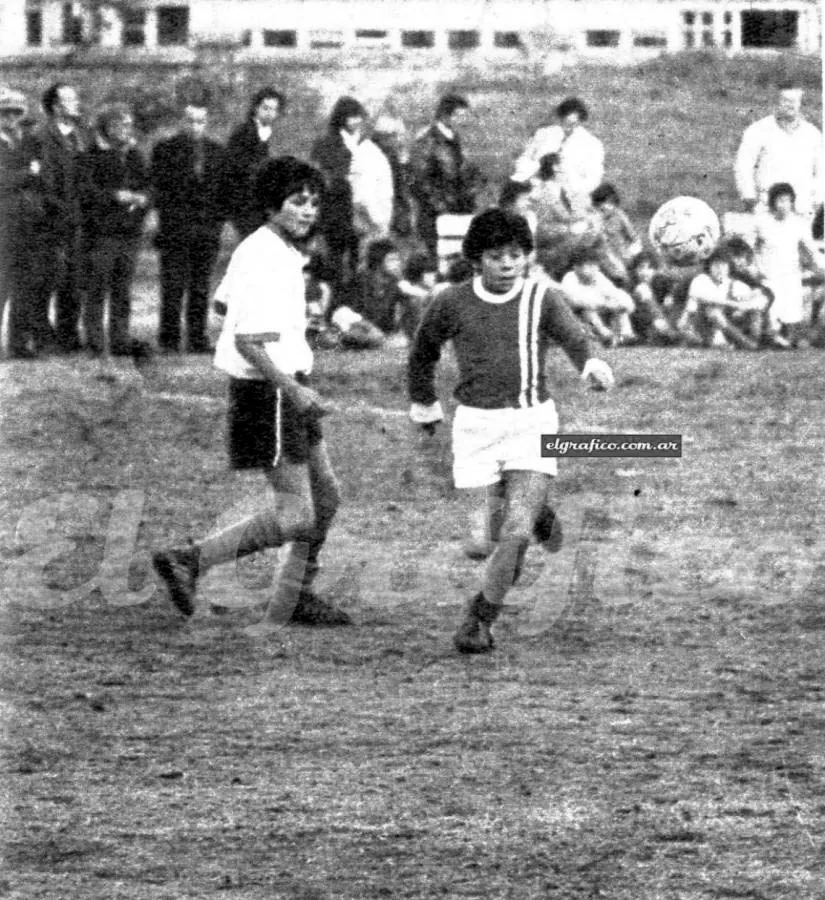
In 1969, a friend took Diego to a tryout with the Cebollitas, the youth team of Argentinos Juniors. The coach, Francis Cornejo, didn't believe it: "That kid isn't eight years old. He must be a dwarf." He went all the way to Fiorito to check the birth certificate.
The Cebollitas went 136 games without a loss. In one of them, Diego had cut his hand and gotten seven stitches. Cornejo didn't want to play him; his father and his friend interceded. He went in with his arm in a sling and scored five goals.
"Let him stay! Let him stay!"

Diego was also a ball boy. During halftime of a professional game, Cornejo tossed him a ball, and the boy started juggling it in the middle of the field. It became a regular attraction.
At an Argentinos vs. Boca game in 1970, when halftime ended and he had to leave, the whole stadium started shouting: "Let him stay! Let him stay!" And the Boca fans, he recalls, shouted louder than the Argentinos fans.
Shortly afterward, in a TV interview, he shared his two dreams: to play in a World Cup and to win the championship in his age group.
"My legs were shaking."

On February 27, 1977, at 16, Diego made his debut for the Argentine national team, against Hungary, at La Bombonera. On the bench, he felt his legs shaking. When he went in, his legs and hands were shaking.
From his minutes on the field, what he remembered most were his teammates: Gallego, who passed him the ball on purpose; Villa, who cheered him on; Carrascosa, who shouted "Very good! Very good!"
At the end, Gallego said: "That's how I want to see you always, Diego!" He never forgot it.
"I cried a lot, I cried so much."

In May 1978, Menotti cut Maradona from the World Cup squad that Argentina would play at home. "When I found out I hadn't been picked, I cried a lot, I cried so much," he says. It was, he says, the saddest day of his career.
The following year, he went to Japan for the U-20 World Cup. He won the final 3–1 over the Soviet Union, with a free-kick goal, and was voted the best player of the tournament.
And he summed up the experience like this: "I was the captain, and I loved it."
River had the money. Boca had his heart
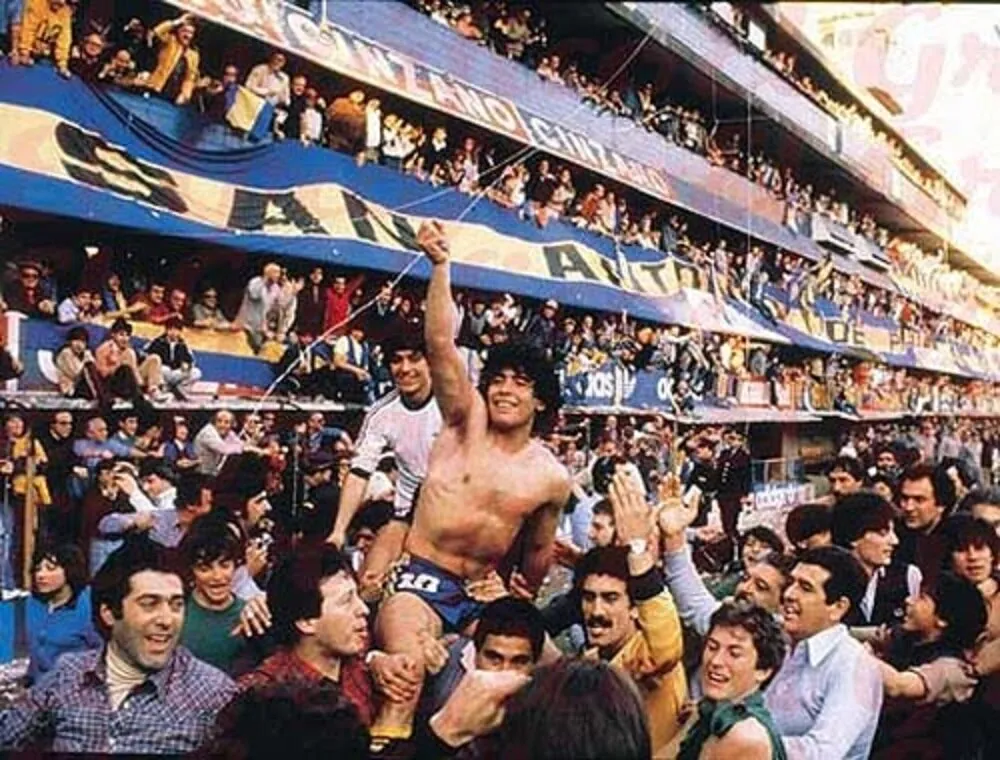
In 1981, River Plate was offering more money. But Diego's father had a dream: "It would be beautiful to see you one day in the Boca jersey, you at La Bombonera."
Maradona chose Boca and summed up the choice in one sentence: River had all the money and none of his heart; Boca, none of the money and all of his passion.
That same year, he became Argentine champion in the blue-and-gold jersey, the jersey his father had dreamed of seeing.
"He broke me!"
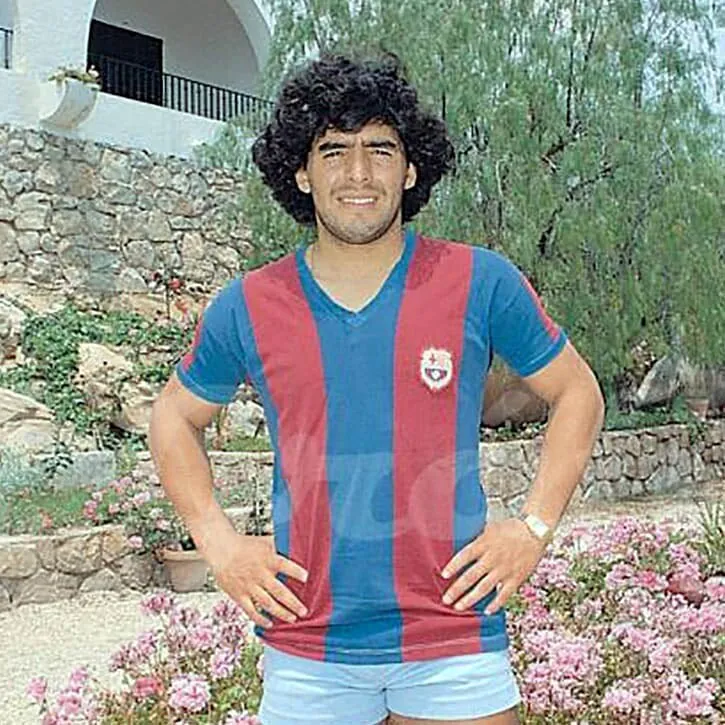
In 1982, Maradona moved to Barcelona. In December, hepatitis kept him off the field for three months. In September 1983, Goikoetxea, of Athletic Bilbao, hit him from behind and fractured his ankle. On the ground, Diego was shouting: "He broke me!"
He came back. But in the 1984 Copa del Rey final, again against Athletic, the defeat ended in a full-scale brawl, in front of the King of Spain. Maradona was right in the middle of it.
It was his last match for Barcelona.
Seventy thousand to see him arrive

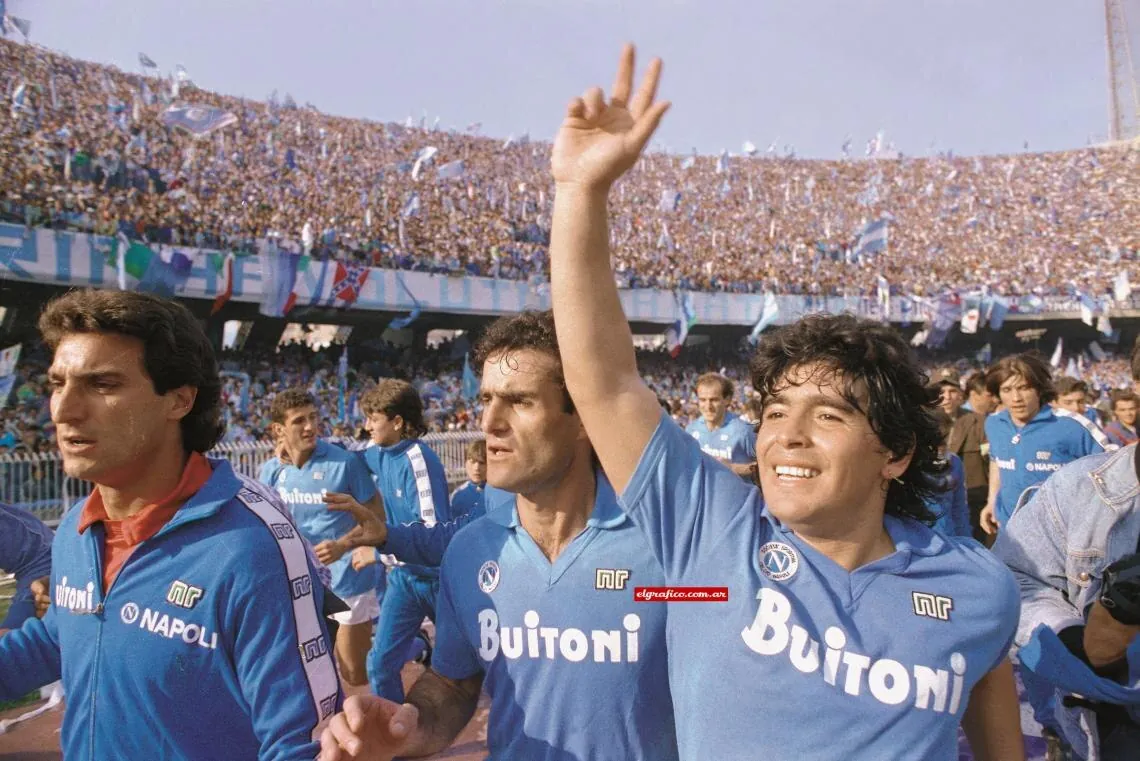
In July 1984, Napoli presented Maradona at the San Paolo stadium. He hadn't yet touched the ball for the club, and seventy thousand tickets were sold. Diego asked that children be let in for free.
Napoli had never been Italian champion. With him, it won twice, in 1987 and 1990, and took the 1989 UEFA Cup.
For a city in the South, looked down on by the rich North, that wasn't just soccer. Maradona became the pride of Naples, and Naples became Maradona's home.
A muddy field in Acerra
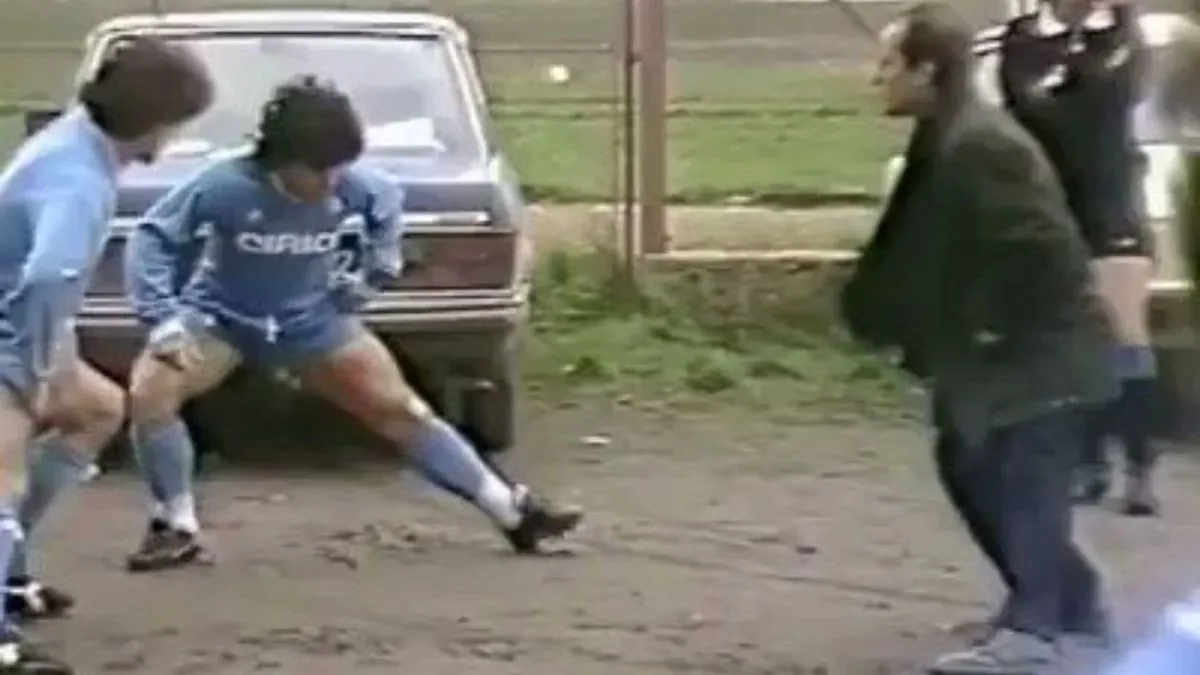
In 1985, a Napoli teammate, Pietro Puzone, asked for help: a boy from his hometown, Acerra, needed urgent surgery, and the family couldn't afford it.
The club president forbade it, claiming there was no insurance. Maradona paid for the insurance out of his own pocket and went to play on a soaked, muddy field, where the teams warmed up in the parking lot.
The stadium was packed, Diego scored two goals, and the money raised paid for the boy's operation, which was a success.
The most famous warm-up in history

In April 1989, before the UEFA Cup semifinal against Bayern in Munich, the loudspeakers played "Live is Life." Maradona, with his laces untied, turned the warm-up into a show: he danced with the ball, balanced it, kicked it high in the air, played with the rhythm.
It lasted about twelve minutes, in front of a German stadium that had come to root against him.
Then he gave two assists for goals by Careca. Napoli drew 2–2 and went on to the final.
Mexico, 1986

Maradona arrived at the World Cup as captain. Coach Bilardo put it this way: "There is Maradona, and there is the rest of the team." He played with injections and with his ankle taped up.
Against England, he scored two goals: the first with his hand, illegal, which he called the "hand of God"; the second running through half the field, the goal of the century. Here, besides the incredible talent, cunning also had its turn.
In the final against West Germany, it was his pass that set up Burruchaga's goal, the goal that won the title.
"From the kit man to the veterans."
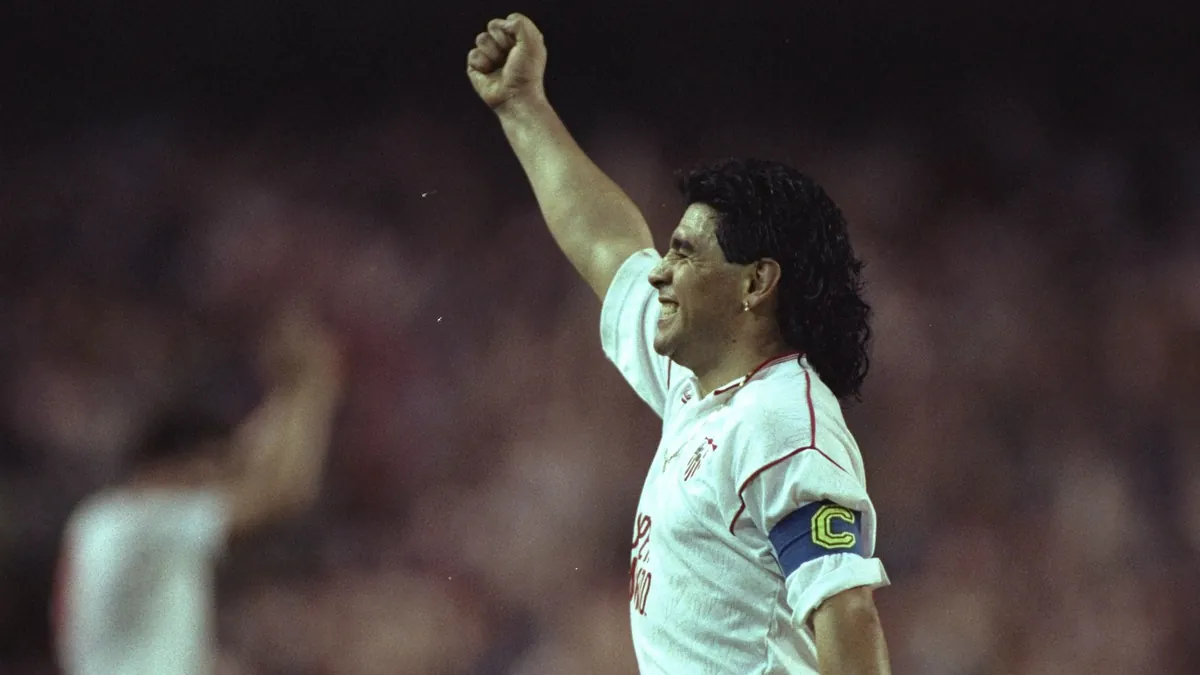
In 1992, already after his cocaine suspension in Italy, Maradona went to Sevilla. His teammates remember something else: "He was noble and treated everyone the same, from the kit man to the veterans," says Unzué.
He lent his cars to his teammates, gave a watch to the backup goalkeeper and advised the younger players: "I don't want you to make the same mistakes I made."
On his birthday, a teammate recalled, he ended up drenched in sweat from so much singing and dancing.
The apology in front of the camera
In 1994, journalist Macaya Márquez criticized the national team on TV. Maradona called in live to fire back, and Macaya replied that he was out of shape.
The next day, the two had coffee alone, and Maradona admitted he had been wrong. But he didn't stop there: he called in the show's cameraman to apologize again, this time in public.
Weeks later, at the World Cup in the United States, a positive doping test knocked him out of the tournament.
"The ball doesn't get stained."

On November 10, 2001, Maradona said goodbye to soccer in a packed Bombonera. Before the crowd, he said: "I made mistakes and I paid. But the ball doesn't get stained."
Then came television, where his show, La Noche del 10, broke ratings records, and the Argentine national team, now as coach. There also came the addiction, the hospital stays and the failures with his children.
He died on November 25, 2020, at 60. Naples and Buenos Aires wept in the streets.
Sanguine-Choleric
Through Axis Ratio, the most coherent reading of Maradona's life is that he was sanguine-choleric.
The sanguine sets the tone: a life turned outward, the joy of taking part, the pleasure of being welcomed. And the choleric comes to serve that presence: the power, the courage, the extraordinary skill. That's why his soccer memories are almost always memories of people: his father, his teammates, the crowd.
In the sanguine-choleric, skill is the way of being with others, and the challenge is to be welcomed for who one truly is.
The joy of the sanguine genus
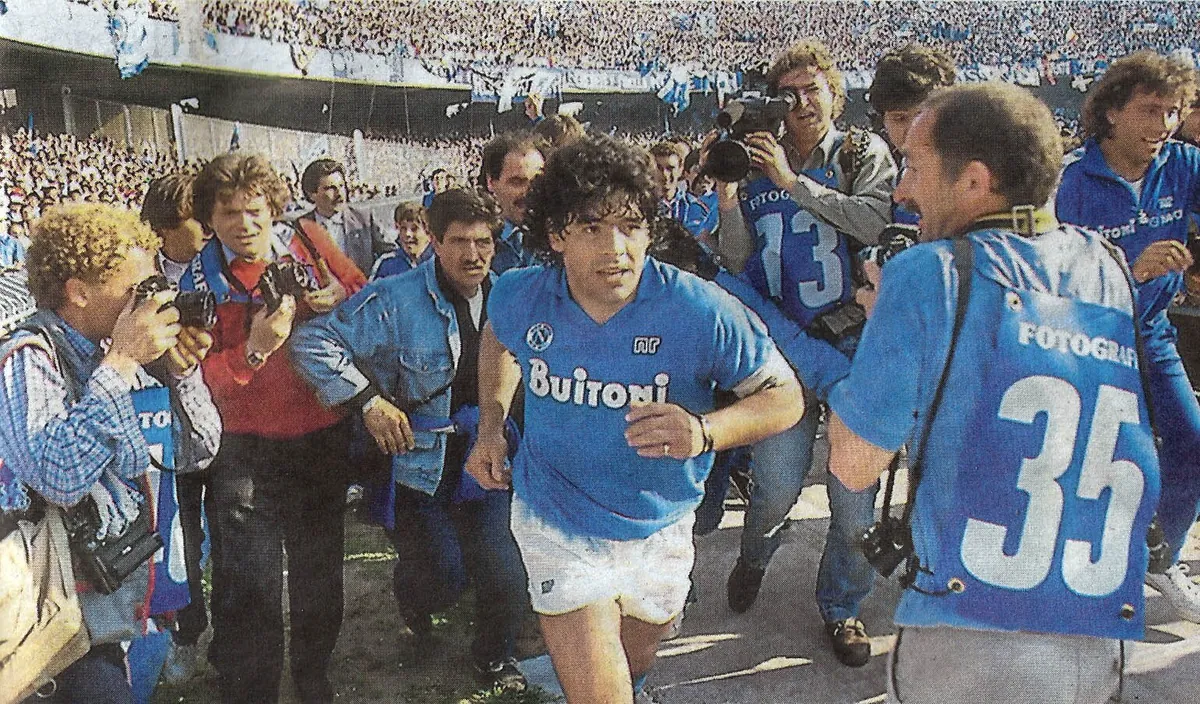
Like every sanguine, Maradona shows:
- A life turned outward: the ball was never something to play with alone.
- A taste for celebration: juggling at halftime, "Live is Life," singing in the locker room.
- Taking part: he wanted to be in the game, even with a stitched-up hand.
- The pain of being left out: the 1978 cut was the saddest day of his career.
And that's why so many people remember Maradona with joy, and not just with admiration.
The distinctive way of the sanguine-choleric
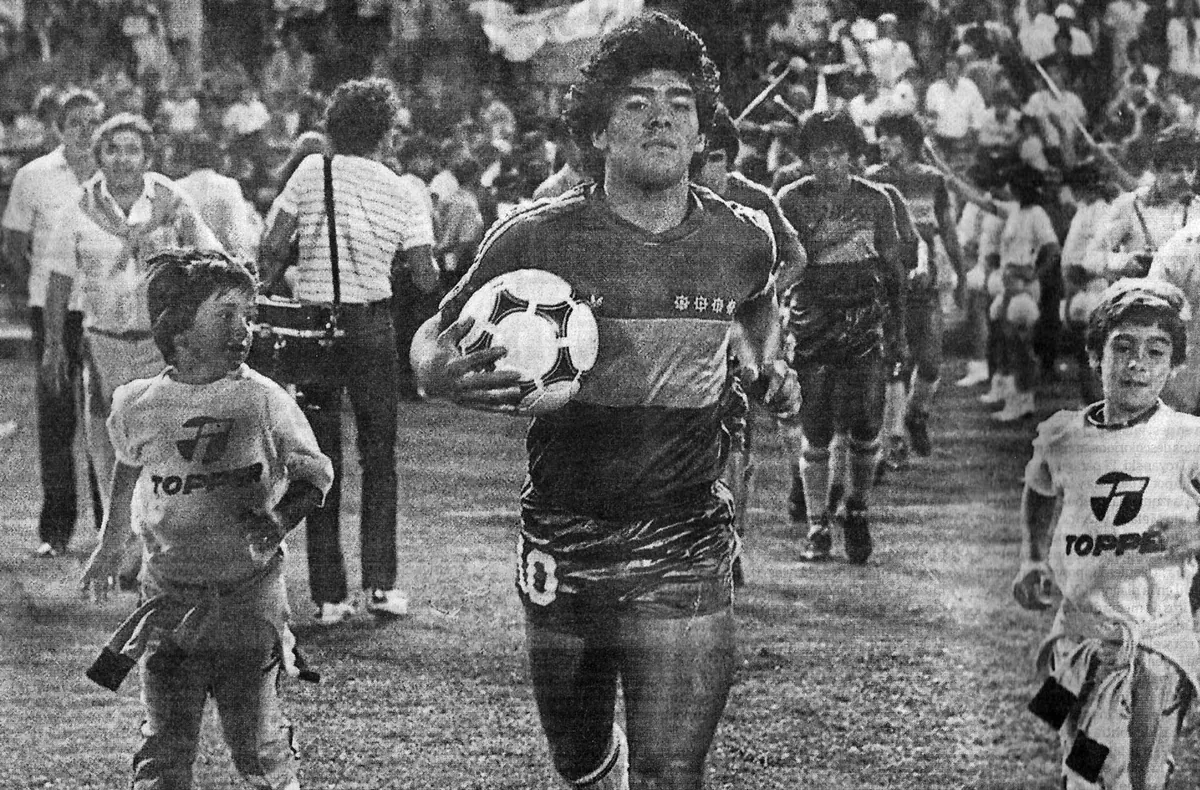
As a sanguine-choleric, that joy comes with:
- A capable presence: he offered what he knew how to do, and that put him in the middle of people.
- Feeling useful: "I need to feel useful, to feel needed."
- The pain of having his ability denied: called fat, he answered with four goals.
- Accepting correction: he wronged Macaya and apologized in front of the camera.
This is how the sanguine-choleric matures: he offers his talent without needing to look bigger than he is.
Talent doesn't answer for the man
Maradona gave joy to millions, helped those in need and knew how to apologize. He also failed gravely with his family, with his own body and with the truth on the field. And his political views, from a man who had Fidel tattooed on his leg and called Chávez a friend, weren't the most praiseworthy either.
Temperament explains which way he leaned. It doesn't explain every choice, nor does it take away his responsibility for them. The ball doesn't get stained; the man answers for what he does.