
What is Tarcísio de Freitas's temperament?
The son of a housekeeper, he earned the highest GPA in the history of the Military Institute of Engineering (IME), became "Thorcísio" by banging the gavel at the Stock Exchange and, without ever having run in an election, went on to win the largest vote in the history of São Paulo. What kind of force is that?

"My father carried shoe boxes."
Tarcísio Gomes de Freitas was born in Rio de Janeiro in 1975. His mother, who was Portuguese, worked as a housekeeper. His father started out in retail: "My father carried shoe boxes in retail. He sold balls, spent the day on bread and bologna."
Later, his father joined Banco do Brasil and was transferred to Brasília, and the family moved to Águas Claras when Tarcísio was three. It was his father who taught him to build a soapbox cart.
"Faith, the bended knee."
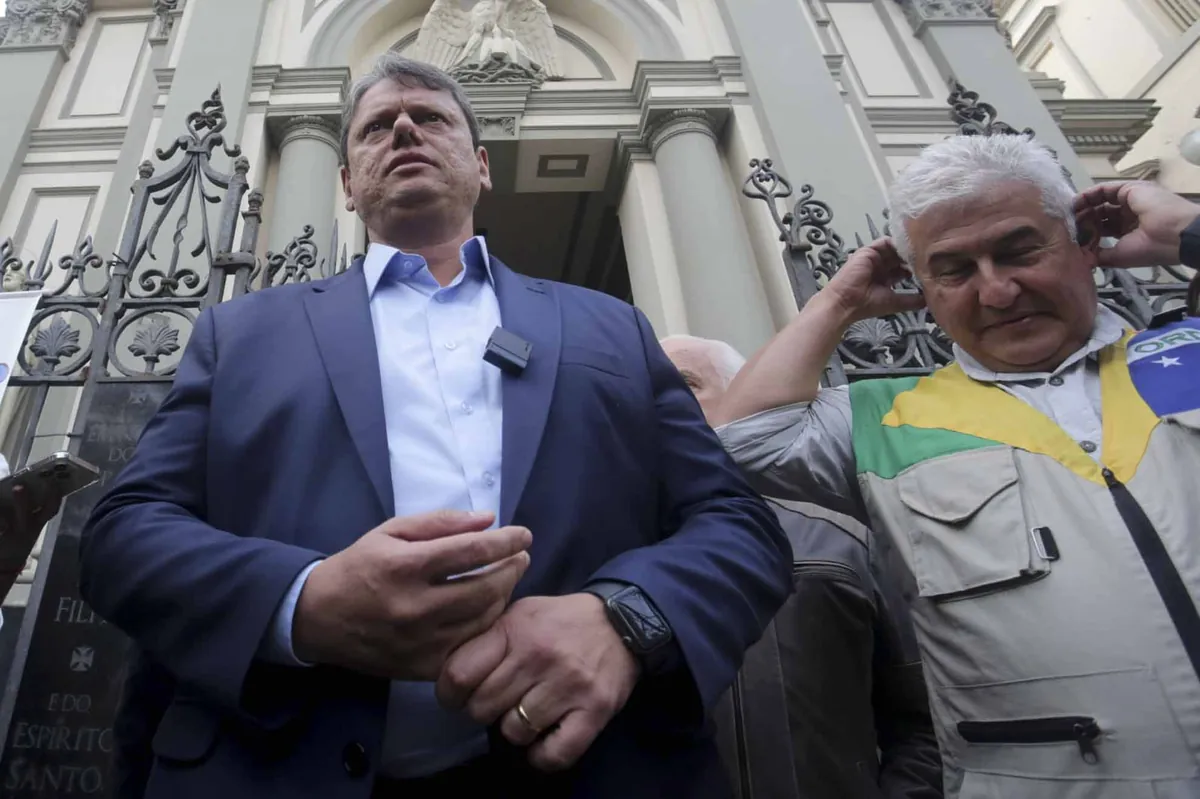
His father was Catholic, and his mother, evangelical. "I was raised in an evangelical home," says Tarcísio, who is now a practicing Catholic.
From his mother, he says he inherited the lesson that has guided him most: "So many lessons came from my mother… One of them, and I am absolutely certain it guided my paths, was faith, the bended knee." And, at a worship service, in front of her, he summed it up: "Thank you for everything, Mom."
In uniform at 16
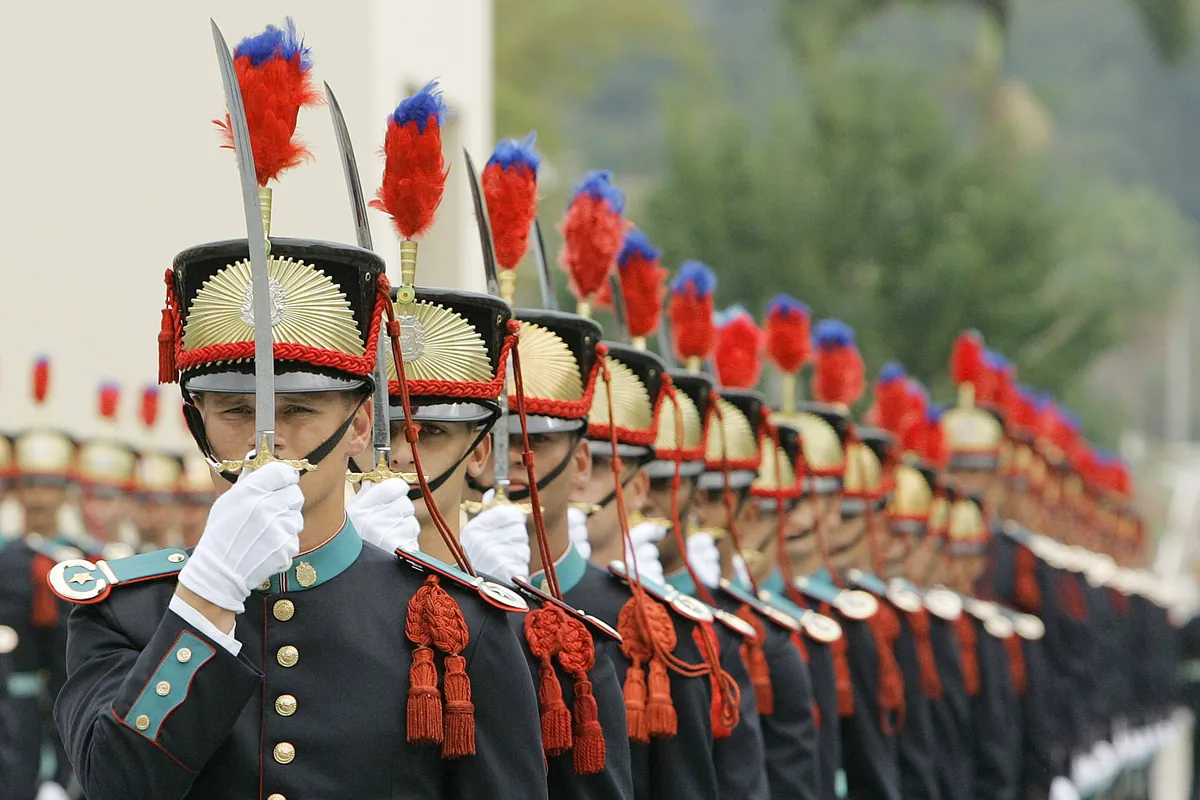
In 1992, at 16, Tarcísio entered the Army Cadet Preparatory School in Campinas. In 1996, he graduated from the Agulhas Negras Military Academy (AMAN) as an officer candidate in the Engineering branch.
His first posting was in Natal. It was there, in 1997, that he met Cristiane, a native of Parnamirim, in Rio Grande do Norte, his wife, with whom he has two children, Matheus and Letícia.
The highest GPA in the history of IME

Next came the Military Institute of Engineering (IME), where Tarcísio graduated in civil engineering with the highest GPA in the history of the program. It was also there that he discovered he had cancer, which was treated in time.
Years later, he would remind his wife: "You were by my side in the backcountry of the Northeast, in the Amazon, in the radiation therapy sessions, in the fight against cancer." And he also credits his cure to his mother's prayers.
From the Amazon to Haiti

Once he graduated, Tarcísio chose to serve in the Amazon, where he spent six years building bridges, roads and airports where almost nothing reached.
Between November 2005 and June 2006, he went to Haiti, on the UN peacekeeping mission, as head of the technical section of Brazil's Engineering Company. The engineer who calculated structures also knew how to work under risk.
From the uniform to the CGU

In 2008, already a captain, Tarcísio made a decision few would have expected: he left the Army. He had passed the civil service exam for the Office of the Comptroller General (CGU), with a better salary to support his family.
He didn't abandon what he had learned in uniform. He just switched positions: the engineer who built public works began auditing how public money was spent on them.
The DNIT trustee
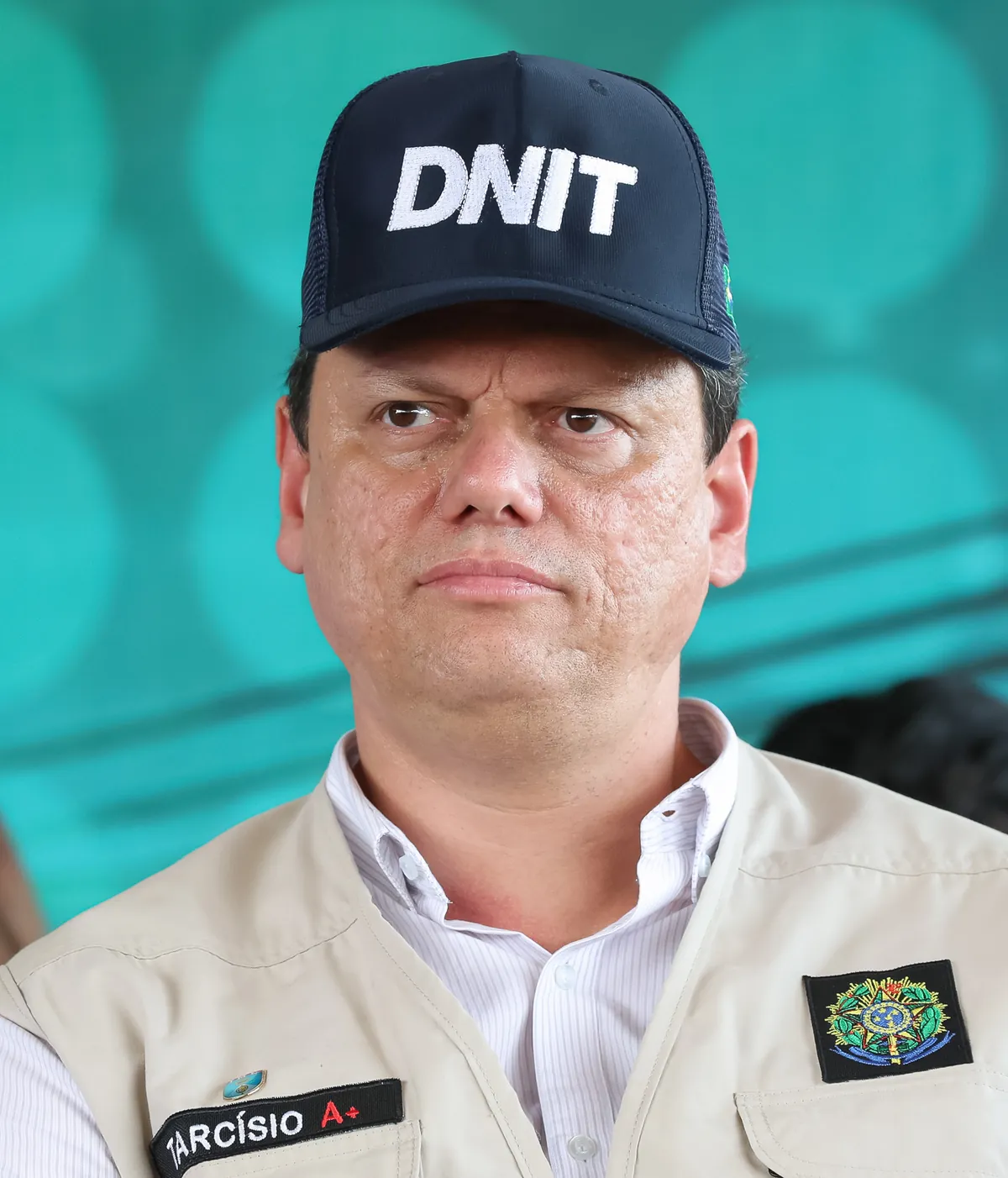
In 2011, DNIT (the federal highway agency) was at the center of corruption scandals, and the government cleaned house at the top of the agency. Tarcísio was called in to be executive director, as a kind of trustee. In 2014, he became director-general.
A nonpartisan technician, appointed under a PT (Workers' Party) government, to bring order to the agency that looked after the country's highways. He did the job and left in 2015.
A minister without a sponsor

After DNIT, Tarcísio handled the federal government's concession projects. In November 2018, Bolsonaro announced his name for the Ministry of Infrastructure.
It was a technical choice: he had no party sponsor and no election on his résumé. What he had was knowledge of every stalled public work in the country and a list of what needed to be done.
"Thorcísio."

At the ministry, Tarcísio auctioned off 27 assets in 2019, 12 in 2020 and 39 in 2021, among them 22 airports at once. At every auction at the Stock Exchange, he banged the gavel so hard that he earned a nickname: Thorcísio.
In 2023, already governor, he repeated the gesture at the auction of the Rodoanel Norte beltway, and the blow was so hard it knocked the letter "B" off the B3 logo on the podium.
BR-163

For decades, truck drivers got stuck in the mud on BR-163, in Pará, sometimes for more than ten days, in lines up to 50 kilometers (about 31 miles) long. At the end of 2019, the pavement finally reached the end of the road.
At the inauguration, Tarcísio recalled: "It was promised that we would finish the highway by the end of the year." And he added: "We are writing history at this moment."
He had never run in an election
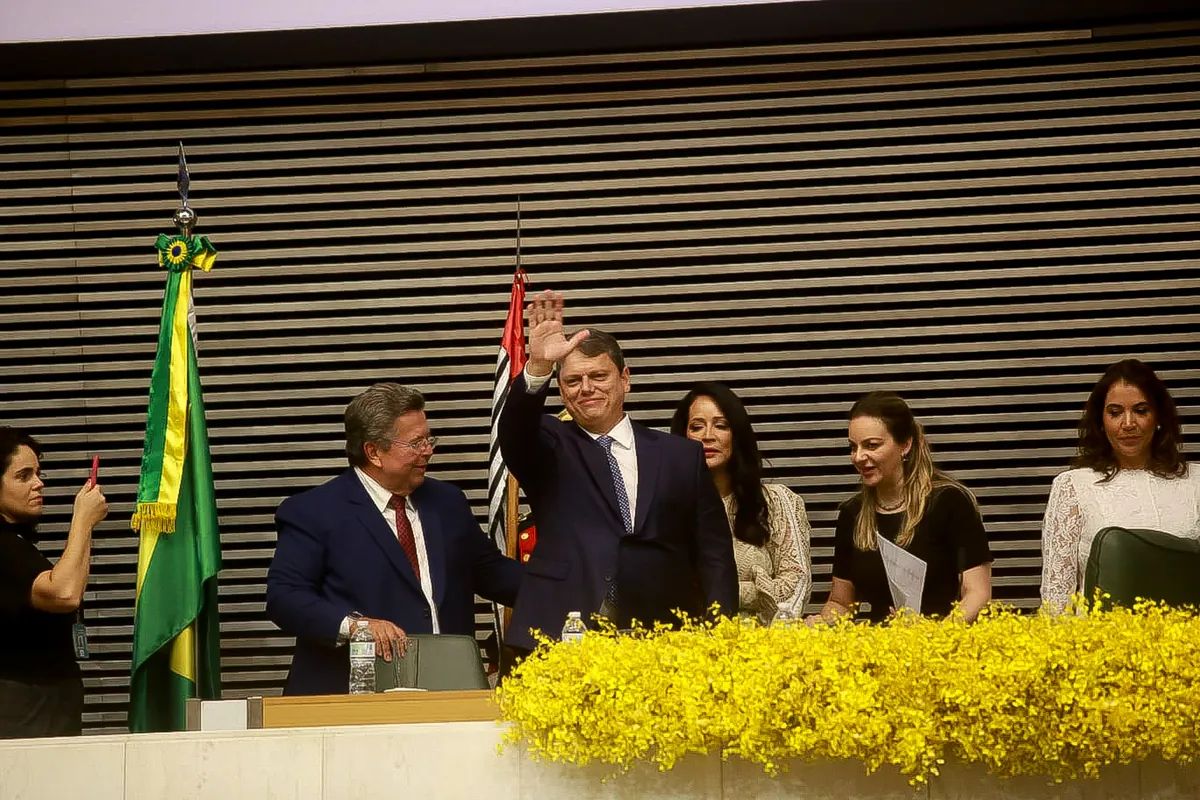
In March 2022, Tarcísio joined the Republicanos party to run for governor of São Paulo. He was from Rio, lived in Brasília and had never asked anyone for a vote in his life.
He had to learn everything in the middle of the campaign. In October, he defeated Fernando Haddad in the runoff, with 13,480,643 votes, 55.27% of the valid votes.
"The right cannot lose the narrative."
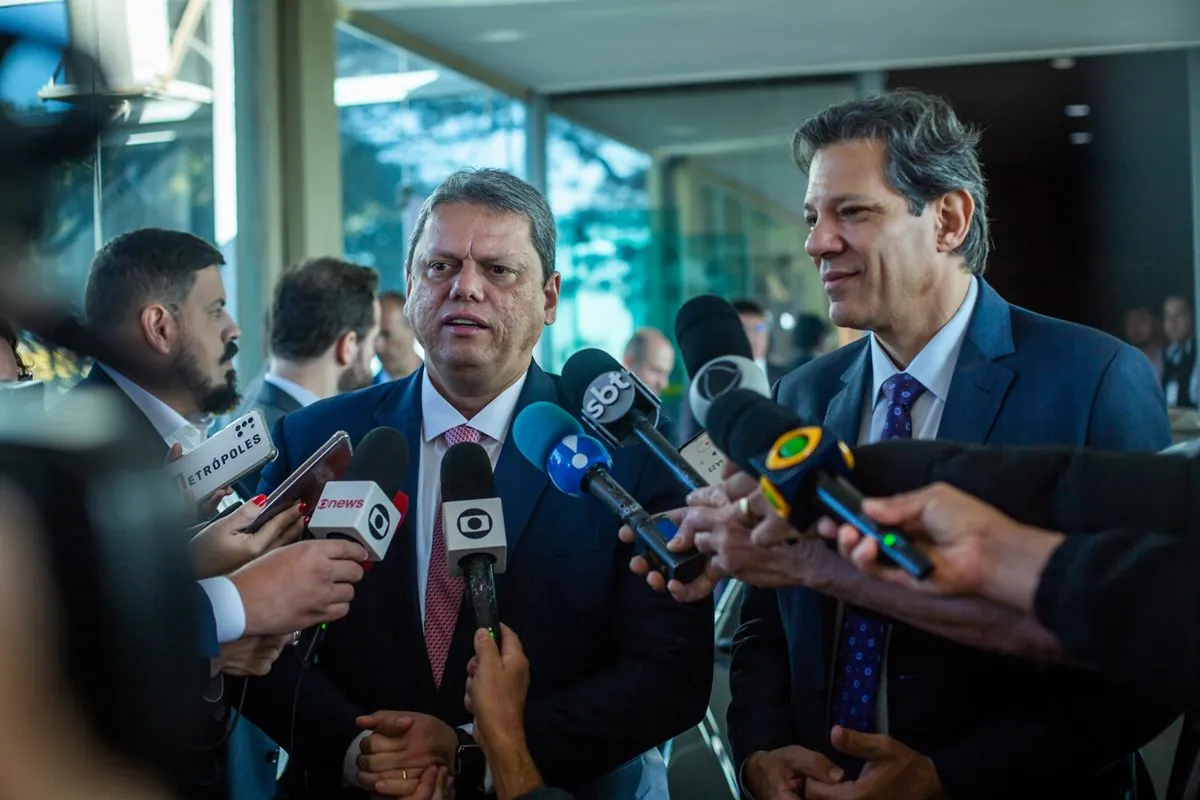
In 2023, Tarcísio negotiated changes to the tax reform with Haddad and said he agreed with "95% of the reform." At a PL (Liberal Party) meeting, he was booed, and he didn't back down: "The right cannot lose the narrative of being in favor of tax reform."
And he was even more blunt: "If you think tax reform isn't important, don't vote for it, damn it!" Bolsonaro admitted: "A lot of people got upset with Tarcísio, me included. But let's talk, damn it."
"To the devil himself."
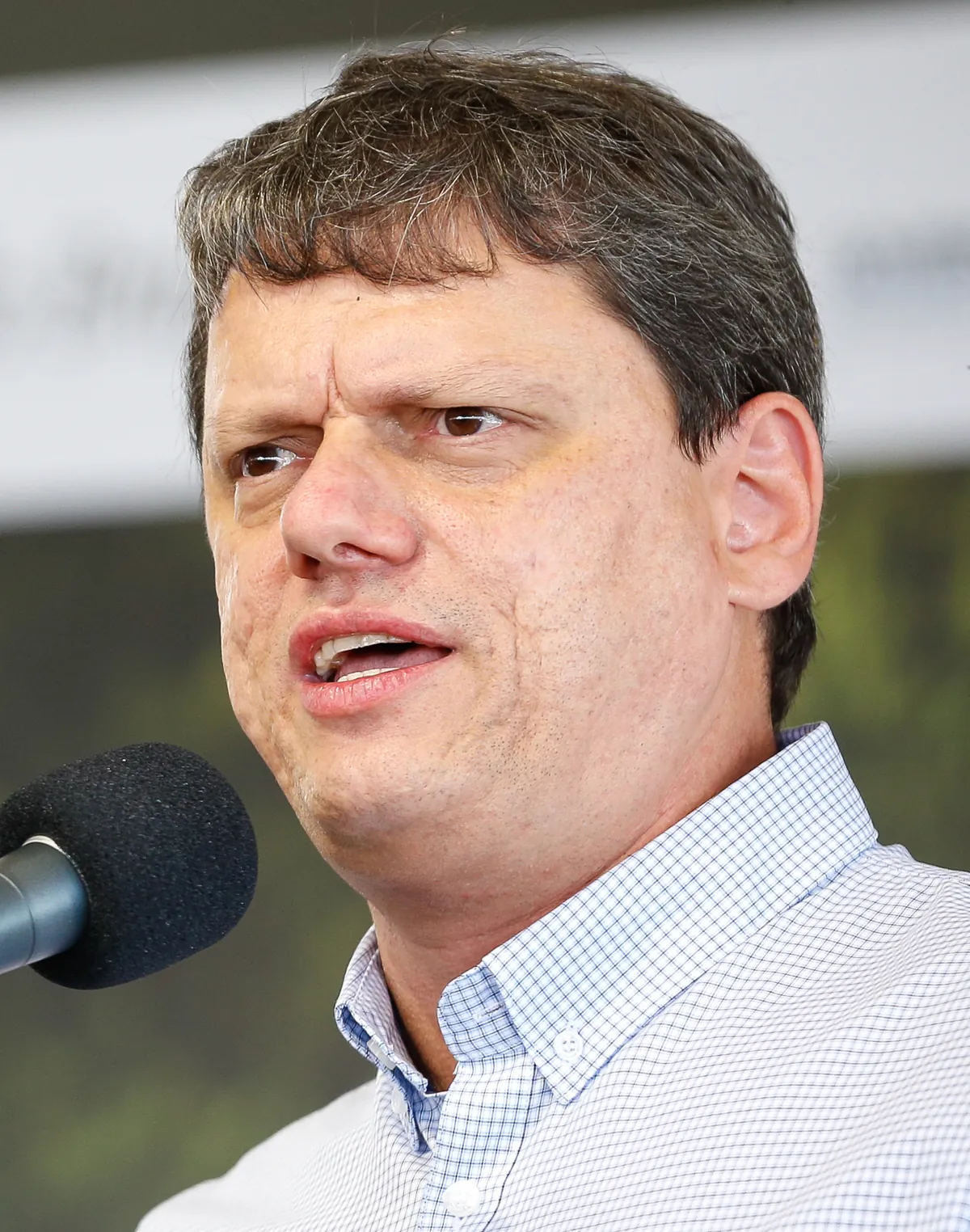
In March 2024, NGOs took complaints to the UN against Military Police operations in the Baixada Santista region. Tarcísio answered without beating around the bush:
"So people can go to the UN, to the Justice League, to the devil himself, I couldn't care less."
The low-key administrator also knows how to harden his voice when he thinks he's defending what's right.
"I was completely wrong."

In December 2024, after years of criticizing the Military Police's body cameras, Tarcísio changed his mind in public: "I was someone who was completely wrong on this issue."
And he explained: "Today, I am absolutely convinced that it is an instrument for protecting society and the police officer." Few politicians admit a mistake like that, in so many words.
14,491,874 votes
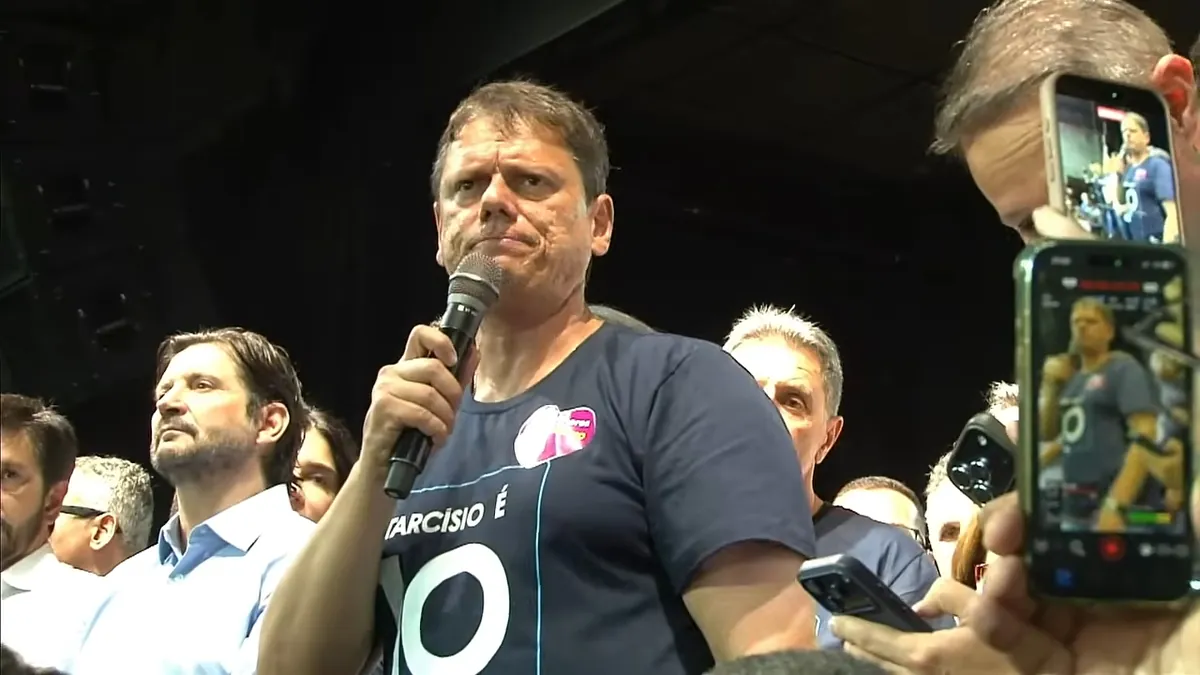
On October 4, 2026, Tarcísio was reelected in the first round with 14,491,874 votes, 62.65% of the valid votes, and won in 639 of the state's 645 municipalities. On the night of the victory, he said: "The people who gave us the largest vote in history in this era of redemocratization."
The housekeeper's son who carried the lesson of the bended knee now governs the largest state in the country for the second time. What temperament can be recognized along this path?
Melancholic-Choleric

Through Axis Ratio, Tarcísio de Freitas's temperament is melancholic-choleric.
What governs his life is measure: the judgment about what is worth accomplishing and what is out of place. The choleric force comes to serve that judgment. When he sees the gap between what is and what ought to be, he asks how to get there and goes, whether it's a stalled highway, a discredited agency or an entire state. And when the measure changes for a good reason, as with the cameras, the direction of the force changes along with it.
In the melancholic-choleric, measure sets the destination, and force sets the path.
What is the melancholic-choleric like?

In Tarcísio, it shows up like this:
- Reserved, but firm: he speaks less day to day, but takes a strong stand when the matter is important: "to the devil himself."
- Reflective and practical: he studies the problem and looks for the concrete path, from BR-163 to the auctions.
- Critical and interventionist: he was called to DNIT precisely to correct what was wrong.
- Determined in his achievements: from bread and bologna to the largest vote in the history of São Paulo.
The distance between where he was and where he wanted to go became a project.
This determination also shows up in his relationships and his frustrations

In Tarcísio's life:
- A sense of personal justice: he defended the tax reform even when booed by his allies.
- Depth and loyalty in his bonds: Cristiane, his "safe harbor" since 1997.
- Frustrations that linger: his family's hard beginnings have never left the way he talks.
- Flexibility in his paths: from the uniform to the CGU, from DNIT to the ministry, from the ministry to the governorship.
- Satisfaction with achievement: "We are writing history at this moment."
This is how you recognize the melancholic-choleric: measure chooses the destination, and force opens the path.
Measure that becomes work

Tarcísio de Freitas is that measure turned into work. He is the son of the ball seller who earned the highest GPA at IME, chose the Amazon, went to Haiti, put DNIT in order, paved BR-163, knocked the "B" off the Stock Exchange with a gavel and, without ever having run in an election, went on to win the largest vote in the history of São Paulo.
@tarcisiogdf, do you recognize yourself in this reading?