
What is Flávio Bolsonaro's temperament?
Jair Bolsonaro's firstborn and a senator of the Republic, Flávio received from his father, who was barred from running, the mission of competing for the Presidency, and he finished the first round of 2026 ahead of everyone, with more votes than Jair himself had won in 2018. What kind of nature is that?
Vacations were in Tarituba
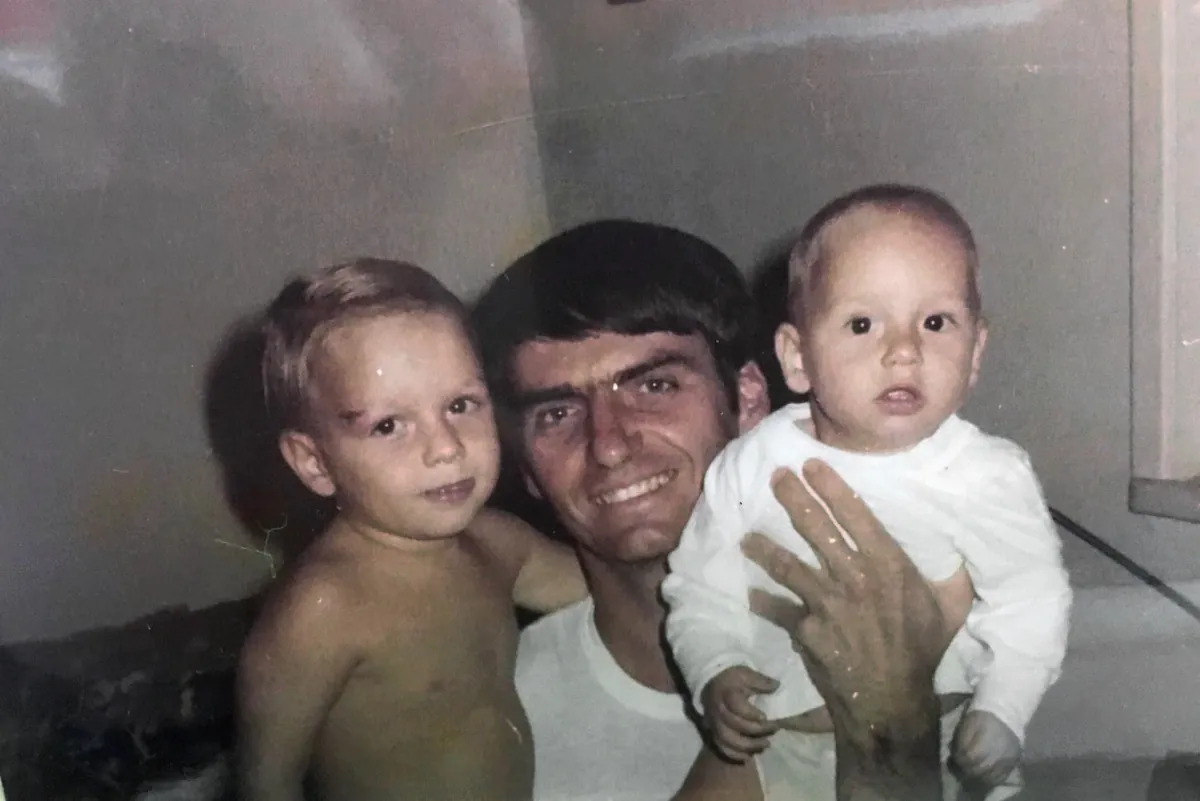
On vacation, the family camped in Tarituba, on the coast of Paraty, with the parents' tent near those of the uncles, aunts, and grandparents, and it was there that Jair taught the boys to dive. In the city, the one who kept up with school, soccer, and swimming was Rogéria.
Flávio credits his mother with the everyday demands and his father with the vacation adventures, and out of those two schools, the school of discipline and the school of the sea, came a boy used to throwing himself bodily into the task.
He made kites out of supermarket bags

Flávio made his own kites. He cut the bamboo, tied the sticks until the frame was balanced, and covered it all with the plastic of a supermarket bag, because that was the material they had at home.
The detail seems small, but it shows early on a way of acting: he didn't wait for a store-bought kite to put one in the sky. He worked with what he had at hand and adjusted until it worked, because what mattered, in the end, was seeing the kite go up.
At America, he was the Russian

As a teenager, Flávio played futsal in the youth divisions of America, in Rio. At around 15, his hair, bleached by sun and surfing, earned him a nickname on the team: Russo, the Russian.
Around the same time, when his parents still didn't let the kids ride the bus, he started taking the 233 alone from Saens Peña to Barra, with his surfboard under his arm. He says he was always the one who opened that path for his brothers, because, for the oldest, the hassle of the trip weighed less than going without the sea.
His knee took him out of soccer, not out of the game
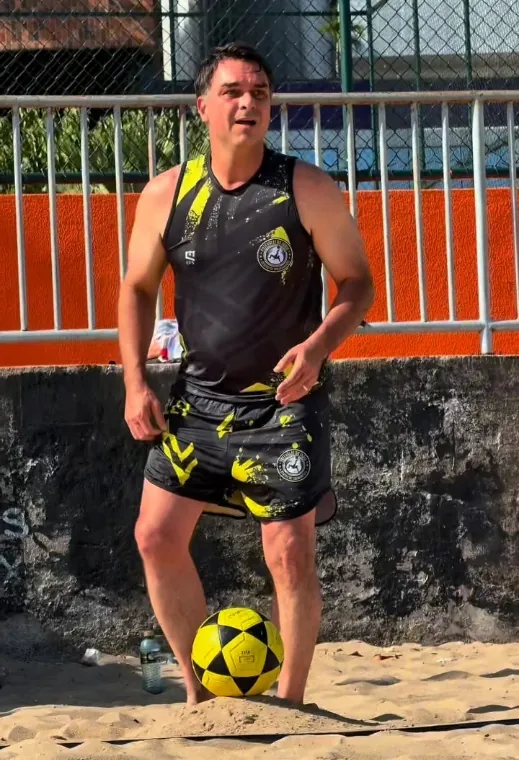
At 23, already a state representative, Flávio told the Jornal da Alerj (the newsletter of Rio de Janeiro's state legislature) that he played ball three times a week with the guys from college, until a knee injury took him out of the games.
While he missed the ball, he started playing video games at a LAN house and, over time, moved on to tennis and footvolley: in 2026, he posted a video of a match on Mucuripe beach, in Fortaleza, announcing that "here in footvolley, victory is guaranteed." Instead of standing still before the injured knee, he looked for another path that was still open, which is quite different from stubbornly insisting on the same one.
He didn't want to run against his mother
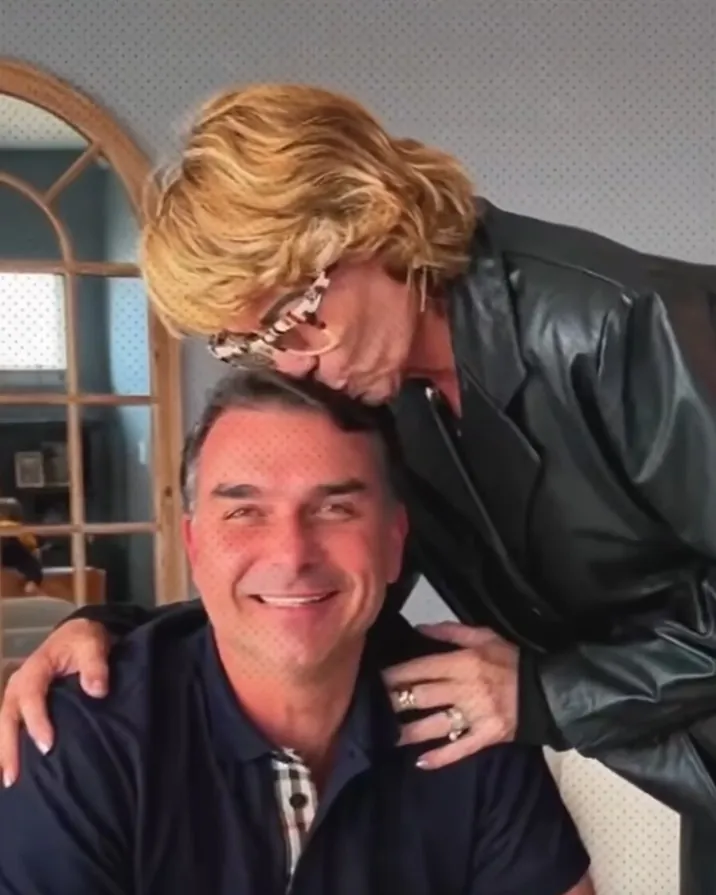
In 2000, his parents were separated, and Rogéria was seeking another term as a city councilwoman in Rio. Jair wanted to launch Flávio, then 19, in the same election, and Flávio refused.
His first election would only come two years later. For someone in a hurry to act, saying no to his father's invitation was no small thing, and it shows that, already at 19, the will to move forward had limits that he himself drew.
He gave up engineering after seeing the routine

Flávio once considered engineering. He saw up close the study routine at the Instituto Militar de Engenharia (Brazil's Military Institute of Engineering) and changed his mind: he went into Law, at Universidade Cândido Mendes.
Law also attracted him because of a scene at home, since he saw his father help people who came to him with problems over alimony and other rights. The law interested him less as theory than as a tool for solving someone's problem.
As an intern, he worked cases in Bangu
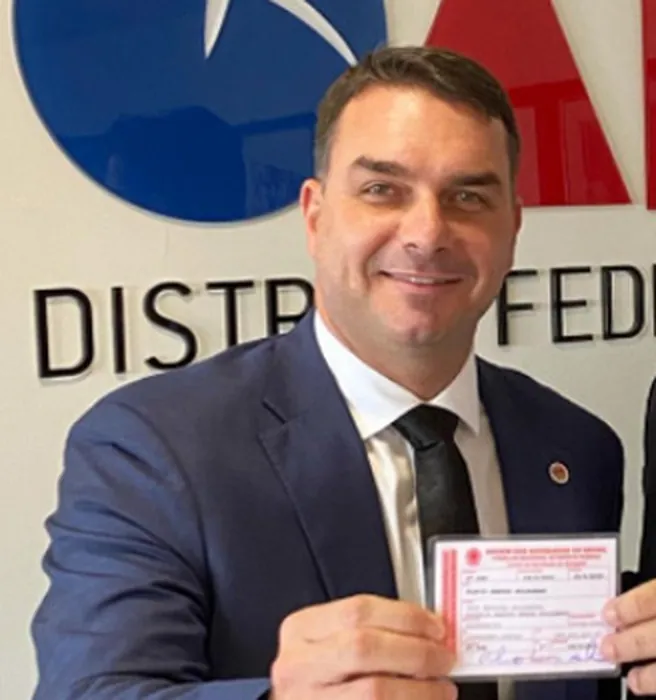
During college, Flávio interned at Rio's Public Defender's Office. He accompanied a public defender on client visits in Bangu and saw up close how legal assistance reached, or failed to reach, people in prison.
It was there that Law stopped being exam material and became a concrete case, with a name, a family, and a deadline, and it is this kind of problem, the kind that calls for a solution and not an opinion, that would mobilize him from then on.
At 21, he was already a state representative
In 2002, at 21, Flávio was elected state representative in Rio, and he would serve four terms in the Alerj.
While his father handled federal demands in Brasília, he chose a front of his own: police officers, firefighters, and other state employees. Instead of living in the shadow of the family name, he went after a field in which he could act and show results.
In the Alerj, anguish became an amendment

In the Alerj, Flávio said he felt anguished at wanting to cut taxes and seeing his position defeated one vote after another, like someone who sees the problem and can't get his hands on it.
In the debate over the ICMS (state sales tax) on diesel, the government proposed 12%, and he introduced an amendment for 11%, explaining why it would help Rio compete with neighboring states. Instead of turning frustration into a speech, he turned it into a proposal, because, for him, discomfort is only useful when it points to the exact place where something can be changed.
His father advised against it, and he went anyway
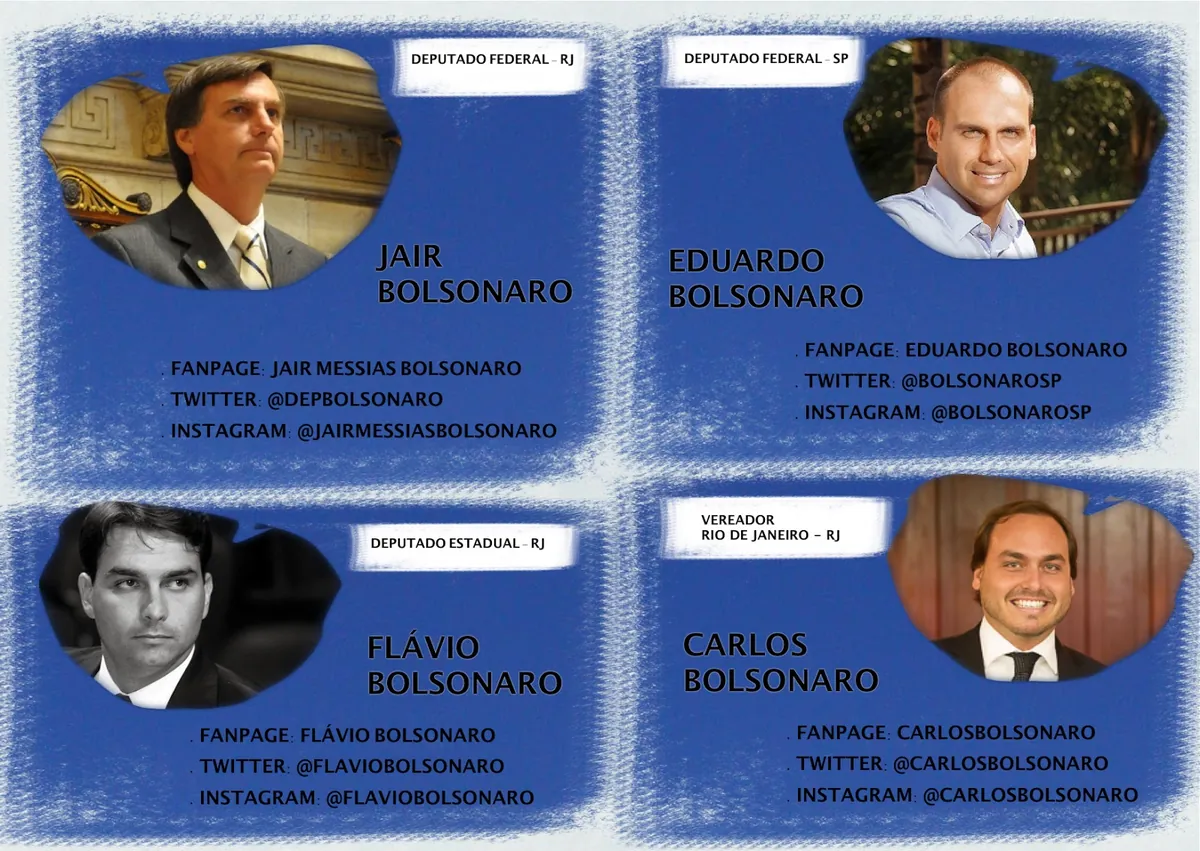
In 2016, Flávio wanted to run for mayor of Rio. Jair feared a defeat would get in the way of the family's plans, but Flávio maintained, according to piauí magazine, that there was room for the candidacy and that the campaign would have an effect even if he lost.
He got 424,307 votes, 14% of valid votes, and came in fourth. He lost the mayoral race, but it was with that vote count that, the following year, he made the case for his own Senate candidacy, because he doesn't treat defeat as an end point, but as a step.
He wrote a book about his father
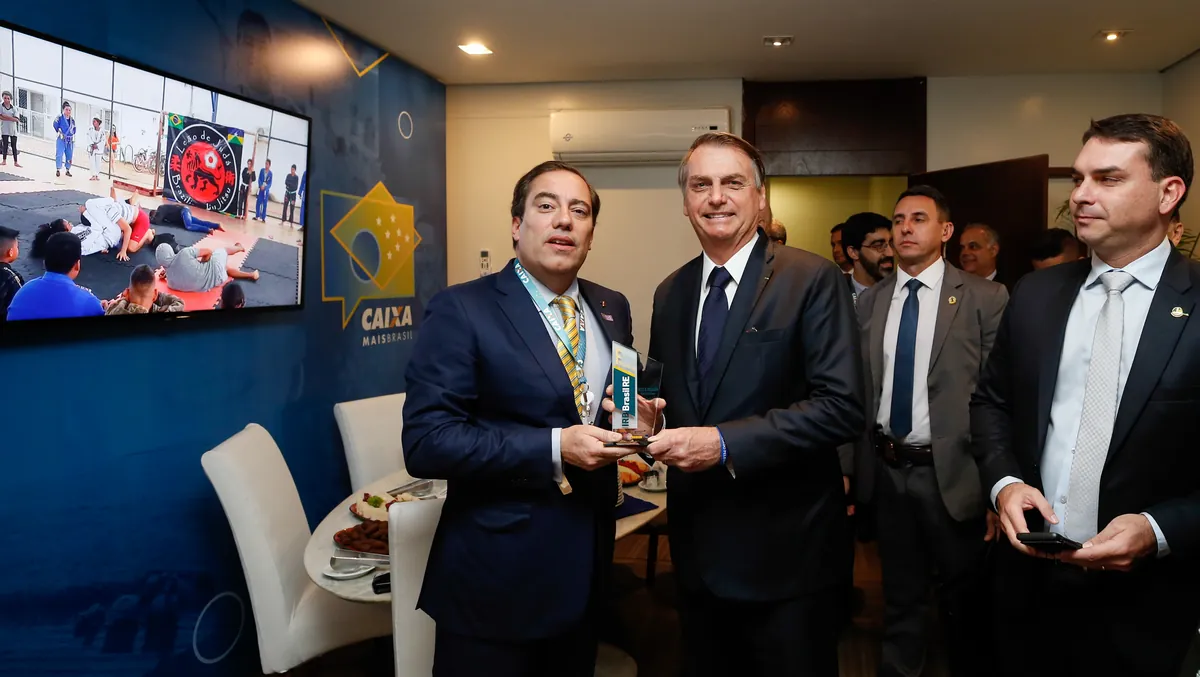
In 2017, Flávio published "Jair Messias Bolsonaro: mito ou verdade" ("Jair Messias Bolsonaro: Myth or Truth"). He gathered episodes from his father's life to confront the image that, according to him, had been built unfairly.
Instead of waiting for someone to tell the story the right way, he chose the means he had at hand, writing, and went straight to the point, because, when he sees an injustice against someone he loves, his impulse is to do something about it.
His father sang again
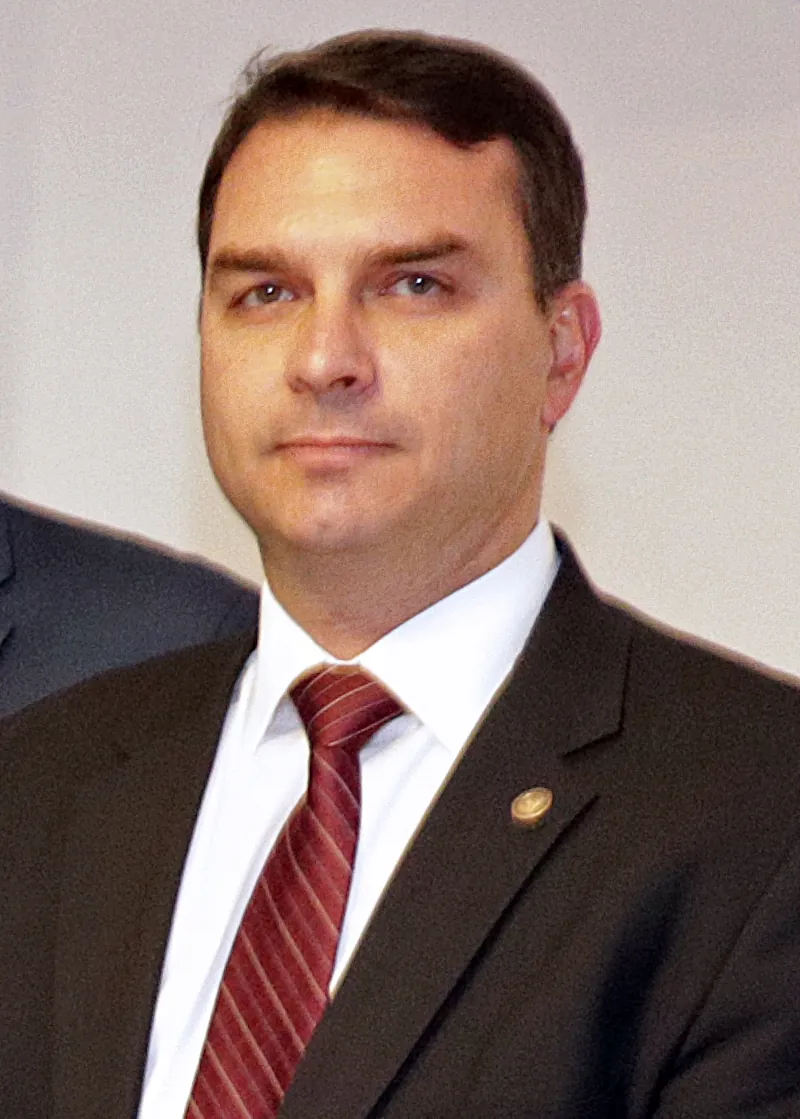
In September 2018, days after the stabbing attack in Juiz de Fora, Flávio began an interview by saying he had come from the hospital, where his father was recovering from yet another surgery.
He could have talked about the campaign, the doctors, or the attacker, but what he wanted to tell first was simple: he had heard his father sing again. In the middle of the crisis, the son who solved problems also knew how to notice the small sign that his father was coming back.
He knows when to hurry and when to wait
In the Senate, Flávio was the rapporteur of the bill that ended the "saidinhas," the temporary holiday releases of prisoners. Senator Lucas Barreto, of the PSD, summed up his way of working: "He calls ministers, he gets back to you."
When the partial veto of the law reached Congress, in May, he pushed to vote on it that very day and, for another veto, related to the National Security Law, he asked for more time, because few lawmakers knew the sections being voted on well. Hurrying and waiting, there, were two means serving the same end: seeing the matter resolved the right way.
At home, the word is patience
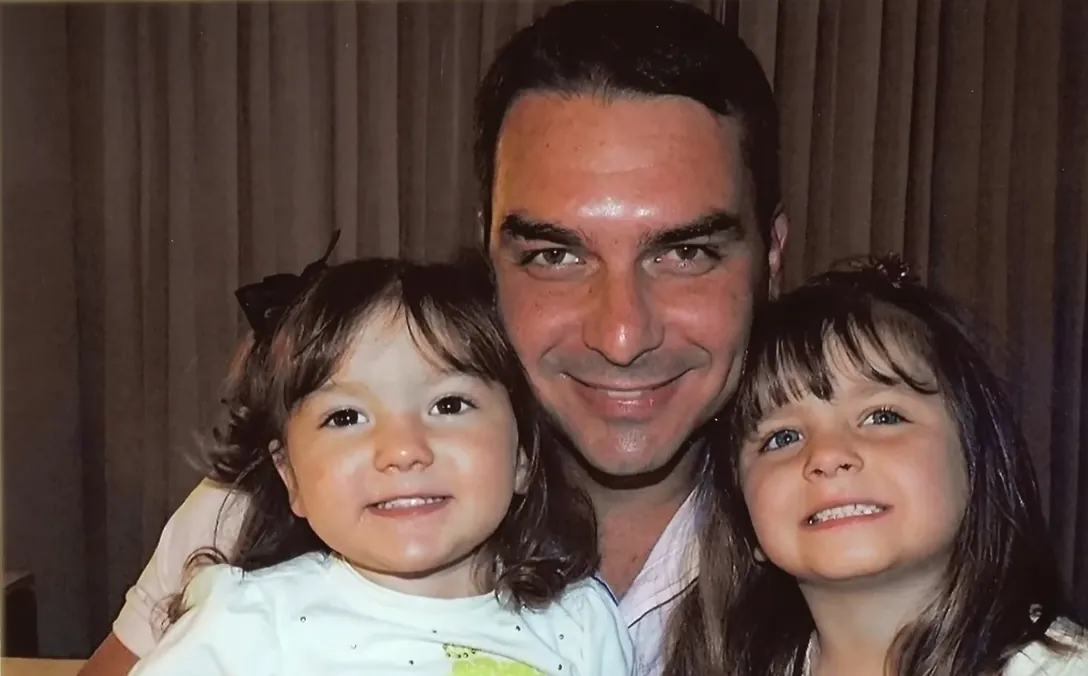
Anyone who sees Flávio on the Senate floor might not imagine it, but Fernanda describes him as very patient at home. She says that one night, when he got home from the Senate after 11 p.m. and their daughter's teacher had been absent, he stayed up until 2 a.m. studying math with her for the next day's test.
She also laughs about a focaccia she covered with too much coarse salt: Flávio ate it anyway, and the two still tell the story laughing. His force turns against the obstacle, not against people, and at home the challenge is usually just to make happen whatever brings the family joy.
He won the first round

With his father ineligible and imprisoned by order of Alexandre de Moraes, Jair chose Flávio, in December 2025, to run for the Presidency. On October 4, 2026, he won the first round with 56,098,457 votes, 47% of valid votes, more than his own father had won in the first round of 2018.
In the runoff, he got 59.8 million votes. Two days later, faced with clear signs that the judicial persecution would reach him, he acted fast: he went to the United States to organize the opposition out of reach of a justice system with an owner, one that no longer knows any limits.
Pure Choleric

According to Axis Ratio, the most coherent reading of Flávio Bolsonaro's life is that he is a pure choleric.
In the pure choleric, faced with an obstacle, the person mobilizes, acts, and goes for the result, without needing an audience.
The irritable, out-of-control choleric is a stereotype. Flávio's calm way of speaking is one of the paradoxes of the temperament: the pure choleric learns to regulate his force in order to use it against the obstacle, not against people.
In the pure choleric, force goes straight to the point, like lightning.
The marks of the choleric genus

Every choleric has a natural inclination toward the arduous, and in Flávio it shows up like this:
- Initiative: at 21, he was already running in and winning his first election.
- Confrontation: he pushed ahead with his 2016 candidacy, even with his father against it.
- Courage in the face of difficulty: he took on the race for the Presidency with his father in prison.
- Boldness: he was the first of the brothers to ride the bus alone to the sea.
In none of these moments was difficulty a reason to back down; it was precisely what mobilized him.
The marks of the pure choleric

In the pure choleric, force is sufficient unto itself. In Flávio:
- Practical: he made his kite with bamboo and a supermarket bag.
- Changes the means, not the end: when his knee took him out of soccer, he stuck with tennis.
- Goes straight to the point: instead of just complaining about the tax, he introduced the amendment.
- Gets up after defeat: he lost the mayoral race and, two years later, reached the Senate with 4.38 million votes.
That is why, when one path closes, he doesn't stand staring at the door: he quickly looks for the next one and walks through it.
The force that finds a way
From all these episodes, what remains is a man who, before every closed door, looked for another: the boy with the supermarket-bag kite, the Russian of America, the 21-year-old state representative, the candidate who lost the mayoral race and reached the Senate, the rapporteur who ended the "saidinhas," and the son who took on the race when his father was barred.
Flávio, may this force keep opening a way for Brazil.
@flaviobolsonaro, do you recognize yourself in this reading?