
What is Father Paulo Ricardo's temperament?
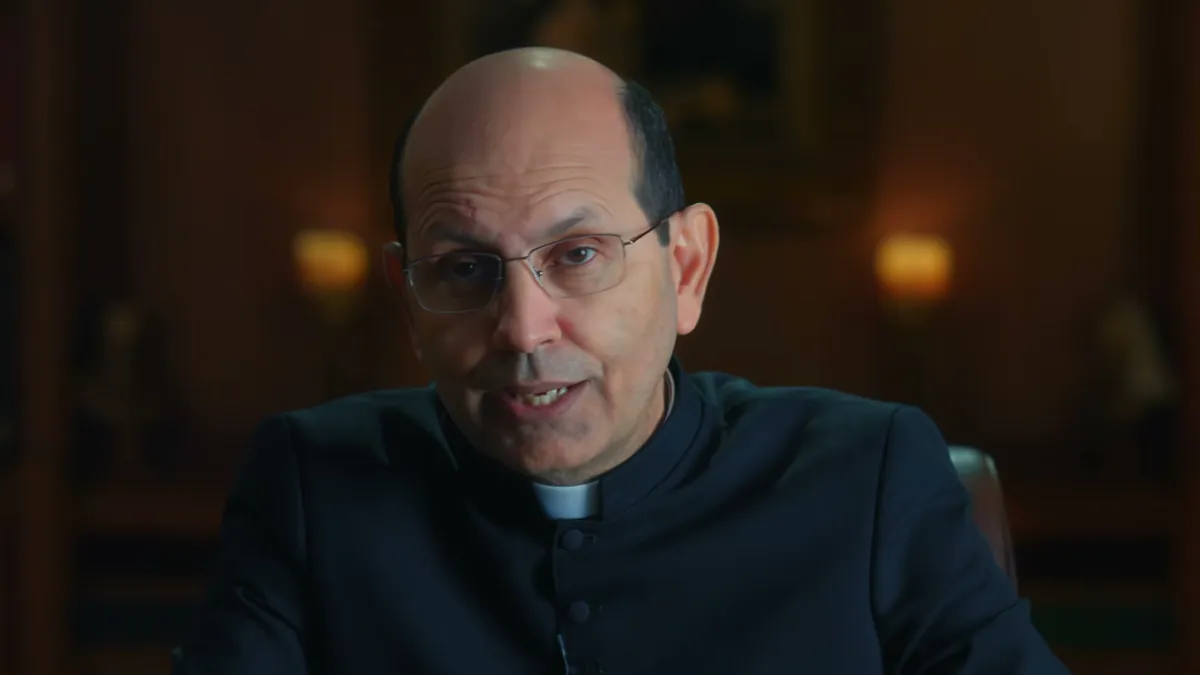
A priest for 34 years, with a master's degree in Canon Law, a trainer of priests and a teacher of millions of Catholics online, he came back from Rome with a career plan. Today he says he was born for something else, and the path of that change reveals a way of being.
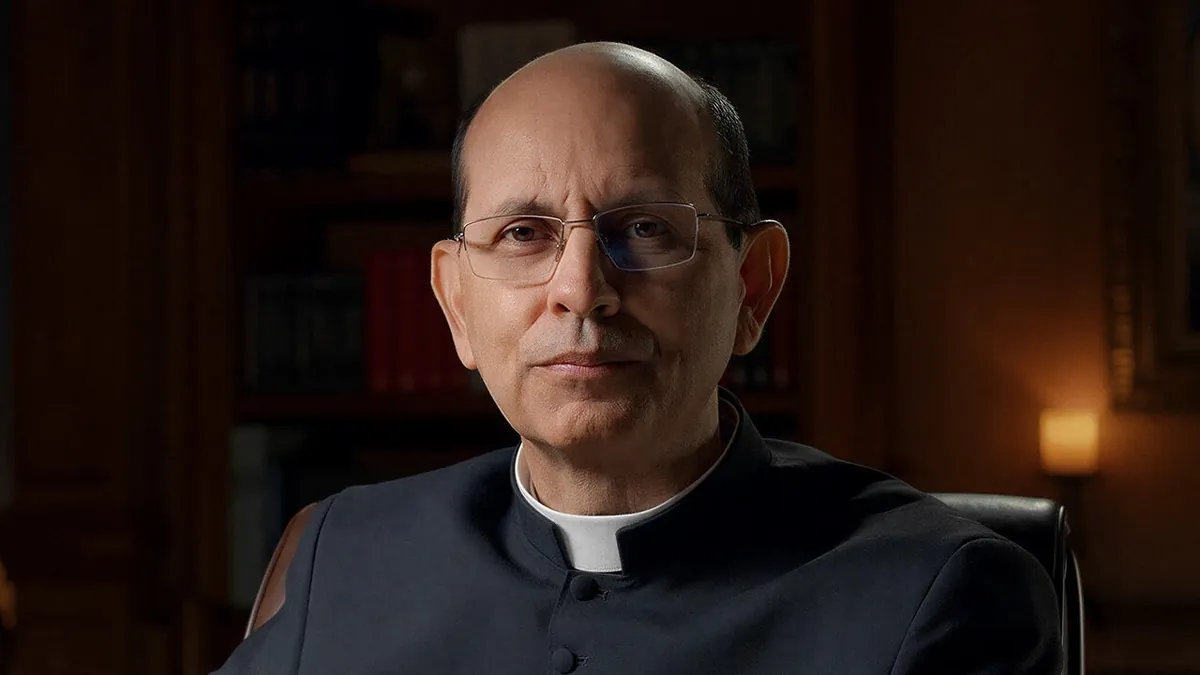
A bold move, with all due reverence
While still young, I read Um olhar que cura (A Look That Heals), on the spiritual illnesses, right after it came out, and that was my first contact with the study of the vices. Between 2010 and 2011, I took every course on the Christo Nihil Praeponere website through the account of a seminarian friend, since seminarians had free access. I owe Father Paulo Ricardo a good part of my Catholic formation.
That is why analyzing his temperament is a bold move, and I take that risk with my eyes open, because he himself has spoken about his own temperament and has an entire course on the subject. What I do here is a reading through Axis Ratio, a method with its own stable criteria, done with all the respect of someone who learned from him.
At 12, he already wanted to be a priest
Paulo Ricardo was born in Recife in 1967, and he says that by around age 12 he had already decided to become a priest. At the same time, he wore long-sleeved shirts and avoided the pool at home, and years later he told seminarians, with good humor, that he was too embarrassed to take his shirt off.
Instead of standing still before that insecurity, he found in his studies a place where he could value himself. He liked math and once calculated how many different children his parents could have had, an exercise that, according to him, helped him understand himself as someone loved by God.
From the Renewal to the seminary
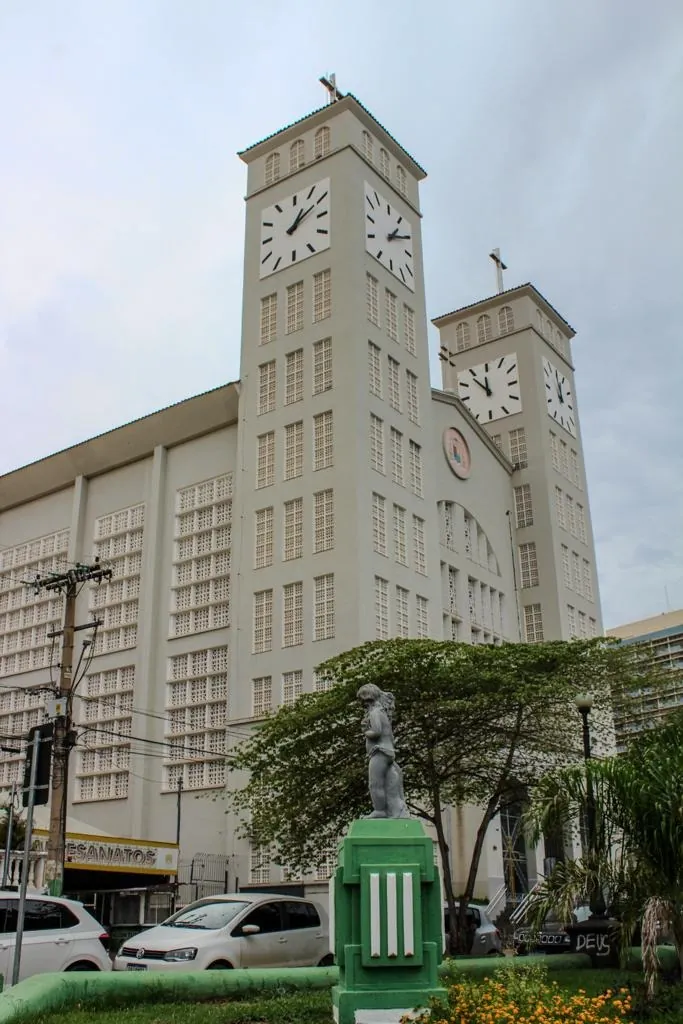
In 1983, during an exchange program in the United States, he drew close to the Charismatic Renewal and came back to Brazil determined to live that experience of faith. Two years later, in 1985, he entered the Seminary of Cuiabá.
This fact tends to surprise those who know him only for his defense of the liturgy and of tradition. In my view, it shouldn't, because I understand that the Renewal fights spiritual emptiness, tradition fights liturgical emptiness, and the two are fronts of the same action of the Holy Spirit in history. In his life, one led to the other without the first being renounced.
In Rome, the plan was to return to the Vatican
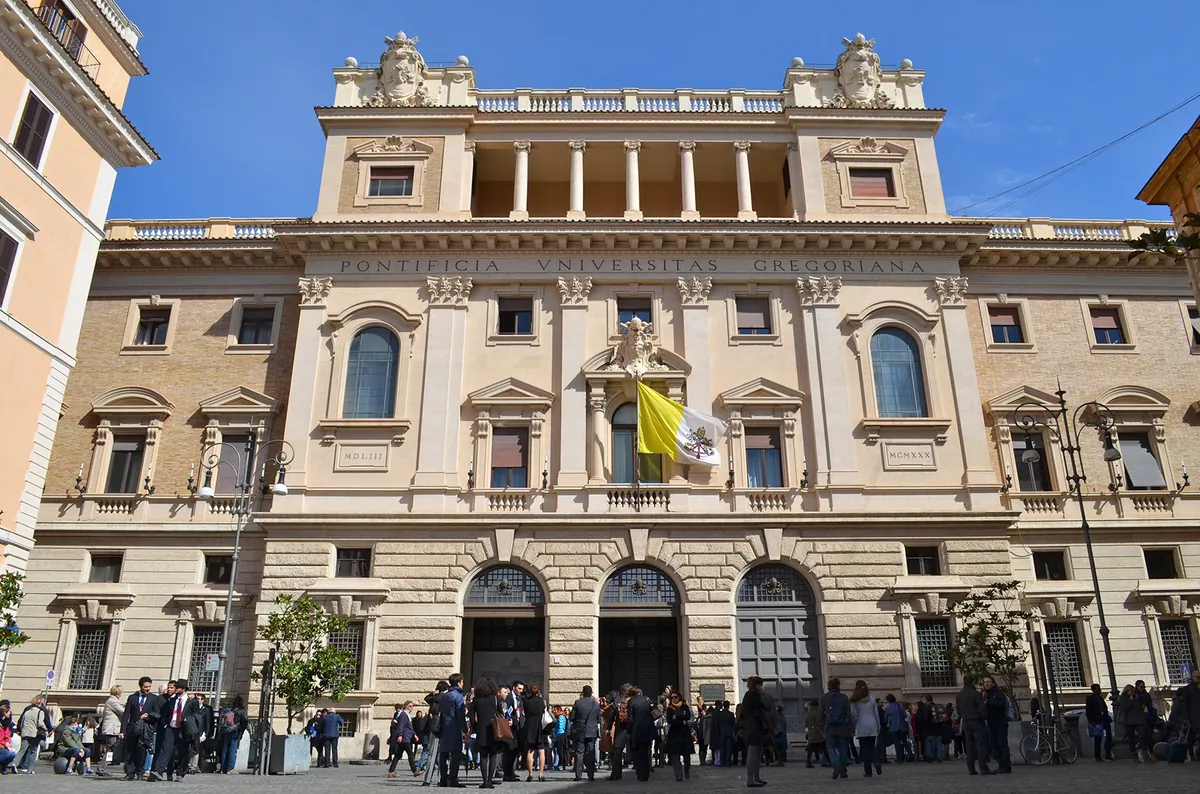
At the Pontifical Gregorian University, he studied theology and earned a master's degree in Canon Law. He says he did translations and revisions for the Congregation for the Doctrine of the Faith, and he was ordained by Saint John Paul II on June 14, 1992.
At that point, he planned to serve for a while in the diocese and then return to the Vatican. He himself says plainly what the goal was: he wanted to be a bishop, he wanted to build a career, and so he acted with prudence so as not to burn his bridges. It was a well-laid plan, by someone who knew where he wanted to go and had the means to get there.
In 1997, the priesthood took on a new meaning
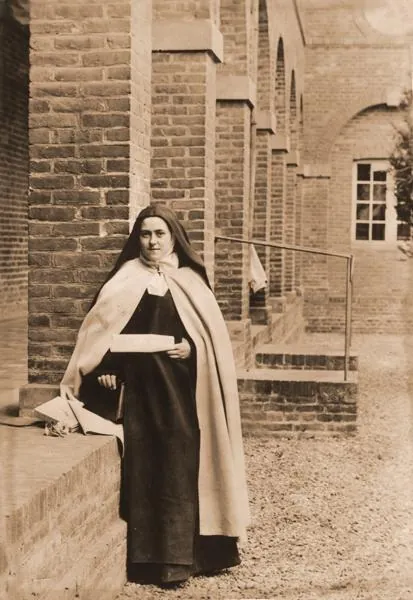
Back in Mato Grosso came frustrations, losses and expectations that were never met. He places in 1997 a revision of the way he understood his own priesthood, and he attributes to prayer and to the intercession of Saint Thérèse of Lisieux the grace of beginning to live it as self-giving, and not as a career path.
When he tells this story, he makes a point of saying that the change was gradual, and that the Rome plan did not disappear overnight. What changed first was the way he looked at it, and only afterward his decisions.
Olavo de Carvalho made the scales fall from his eyes
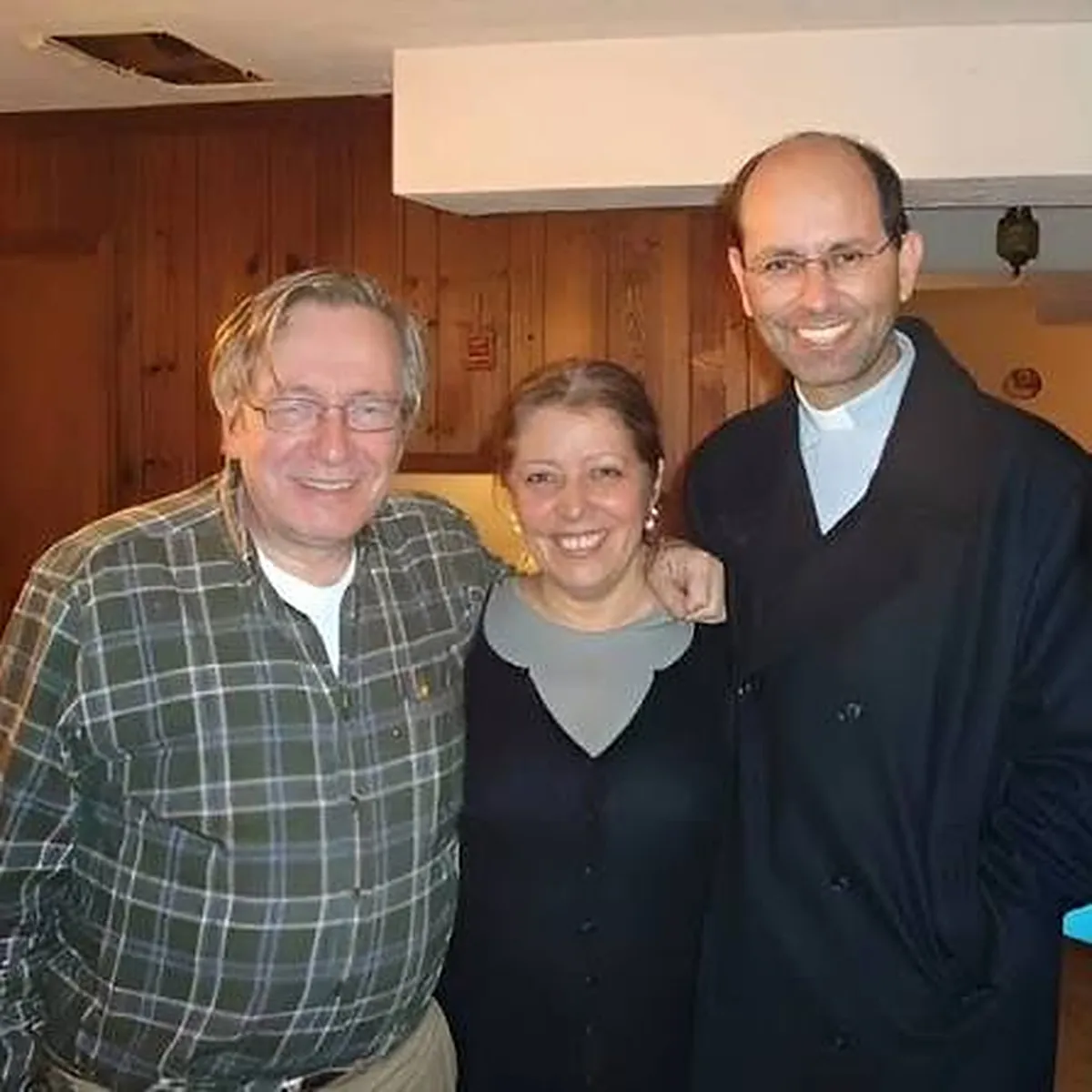
In 2002, the same year he joined the Holy See's International Council for Catechesis, he came across the philosopher Olavo de Carvalho online and began reading everything he wrote. Olavo, a great philosopher and a Brazilian hero, did for him what he did for so many Catholics in this country: he taught him to see what lay behind the debate.
In his words, it was as if scales fell from his eyes. He understood why he won the arguments and nothing changed: there was always something going on under the table, typical of the revolutionary mentality. Over time, the reader became a friend and went to visit him in Virginia, where Olavo lived.
Two bangs after takeoff
In 2005, on a flight leaving Londrina, he heard a bang in the right engine and, thirty seconds later, another. He got ready to give general absolution if the worst came and, while he waited, made his own examination of conscience.
He realized he had been prudent his whole life to protect his career and that, in guarding that plan, he had failed to do what he considered part of his ministry. The conclusion he drew right there was this: "the priesthood is a gift, and a gift is not something to be kept." From then on, he says, his preaching became clearer and more direct.
A small website and a TV show

In May 2006, the Catholic formation website that bears his name was born, with an irregular podcast, one course and a few articles. It was little, but it was enough to start teaching those who were far from a seminary or a good parish.
The following year, he debuted a weekly show on TV Canção Nova. The priest who used to hold back his voice so as not to burn his bridges began speaking to the whole country, and the work that started small grew, over time, into a whole team.
Fifteen years forming priests
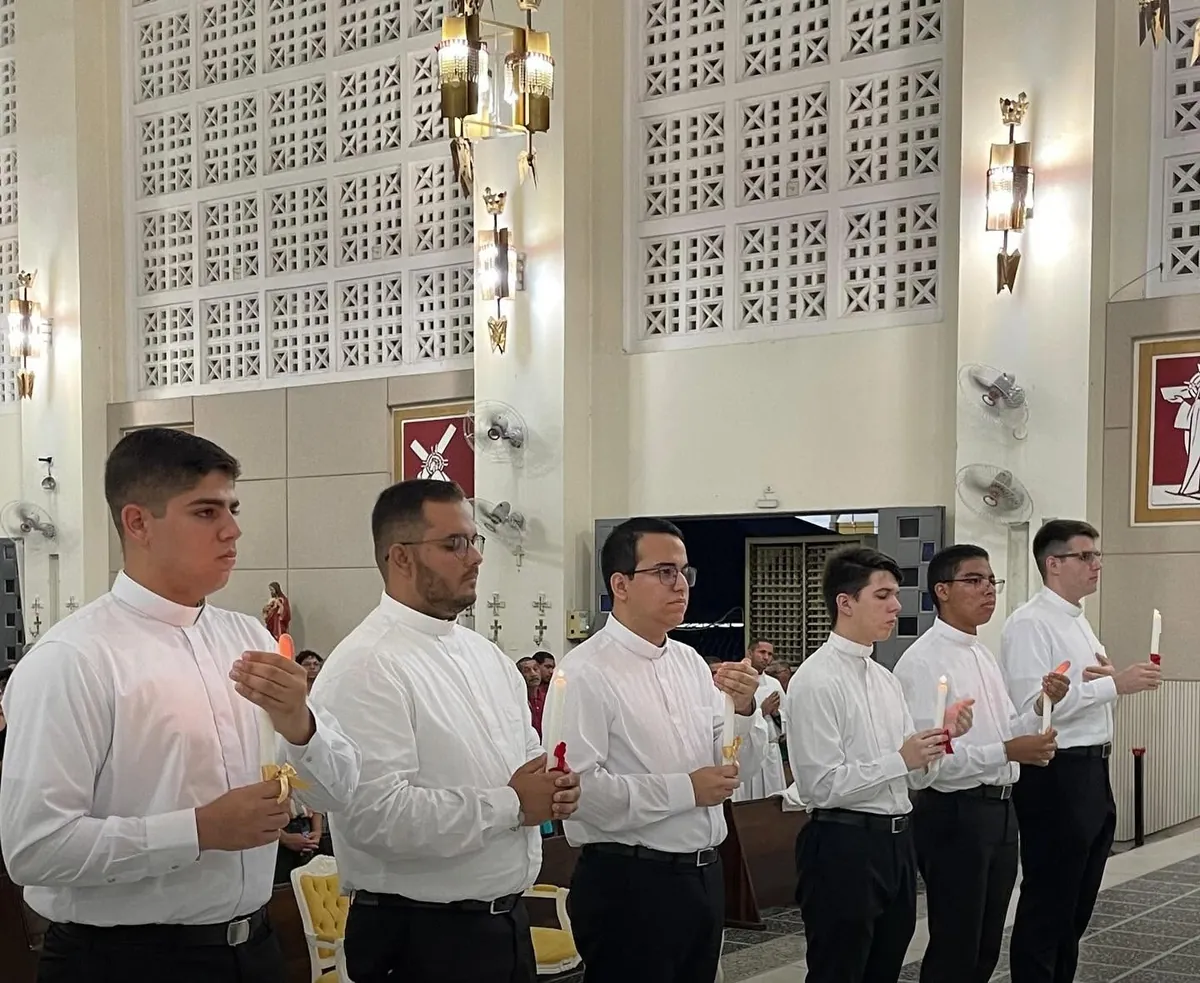
For fifteen years, he was rector of the Christ the King Seminary (Seminário Cristo Rei) in Várzea Grande, the same house he had entered as a seminarian in 1985 and which forms the priests of the Archdiocese of Cuiabá. Generations of priests from Mato Grosso passed through his hands.
Starting in 2011, he also began teaching theology at the Benedict XVI Institute in Lorena, in the interior of São Paulo state, where seminarians from several dioceses study. The rector who formed priests for Cuiabá began forming them for Brazil. Today he is parochial vicar of Christ the King Parish, in the same neighborhood as the seminary.
He used to defend Communion in the hand
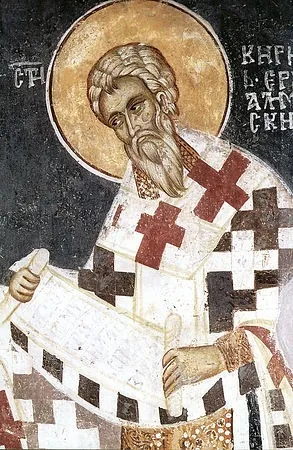
For a long time, Paulo Ricardo defended Communion in the hand, because he had studied the catecheses of Saint Cyril of Jerusalem and found there reasons for that preference.
He admitted, years later, that he used to get irritated when a seminarian preferred to receive on the tongue. Even so, he acknowledged the young man's right and respected the choice, because his own preference was one thing and the other's right was another, and the rector who had the authority to impose his own opinion chose not to.
Benedict XVI sent him back to the books

When he saw Benedict XVI give Communion on the tongue to the faithful kneeling, he wanted to understand the reason for that gesture. He went back to studying the history of the practice and the Church's legislation and, at the end of that study, revised his own position.
In the same interview in which he recounted his old irritation, he explained what made him change, with the rare frankness of someone who publicly lays out the path of an opinion he abandoned. He didn't change out of pressure or fashion, but because he found better reasons than the ones he had.
A teacher who writes
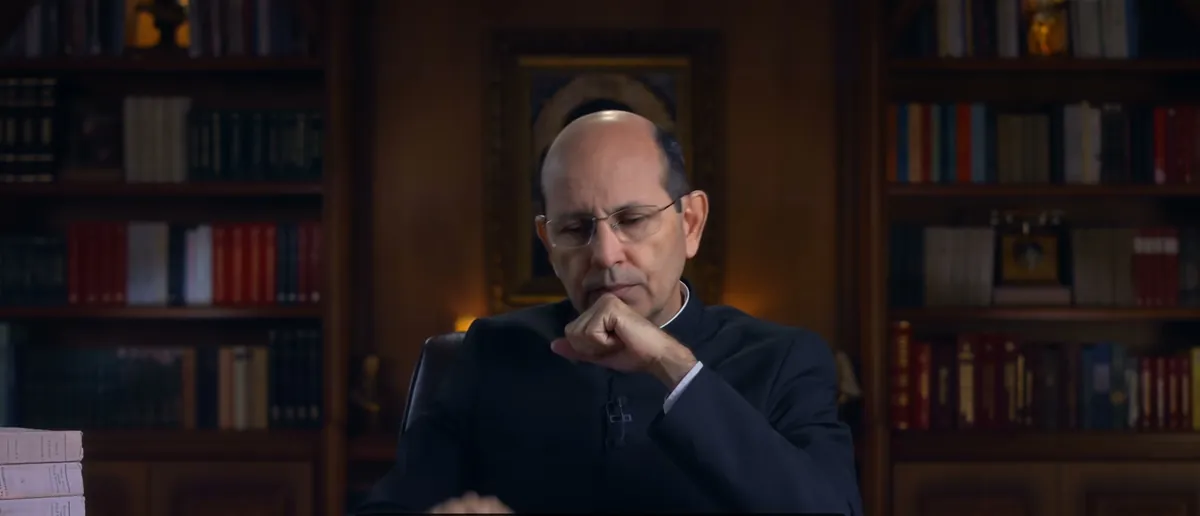
In 2008, he published Um olhar que cura (A Look That Heals), on the spiritual illnesses, and in the following years came Vaticano II: ruptura ou continuidade? (Vatican II: Rupture or Continuity?), the volumes of Fundamental Theology, Trinity, Christology and Soteriology, A resposta católica (The Catholic Answer) and Os mártires de hoje (Today's Martyrs).
These are books by someone who teaches, and not by someone who merely wants to give an opinion: they deal with doctrine, Church history and the spiritual life. Through them, what used to stay in the pulpit and the seminary classroom began to reach people who had never heard him.
In the Senate, against abortion
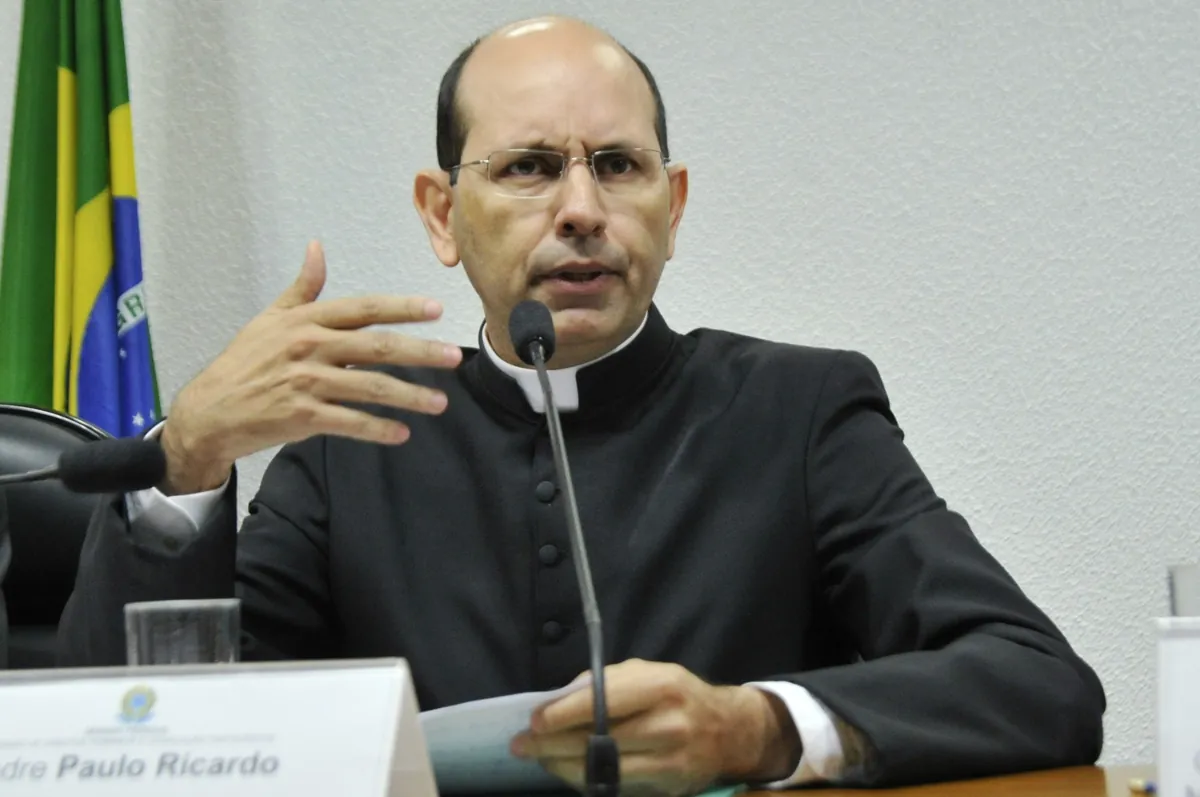
On August 6, 2015, the Brazilian Senate's Human Rights Committee discussed a proposal to allow abortion through the SUS (Brazil's public health system) up to the 12th week. Father Paulo Ricardo asked them to forget the cassock: he would speak as a citizen, with reasons and documents.
He pointed out that at 12 weeks the fetus already has a head, limbs and organs, and is not "a ball of blood." Then he showed, with reports from the foreign foundations themselves, who was paying for the abortion campaign in Brazil. He closed by saying that all that talk about secularism was a "maracutaia," a crooked scheme. The audience applauded.
Years of fighting for the family
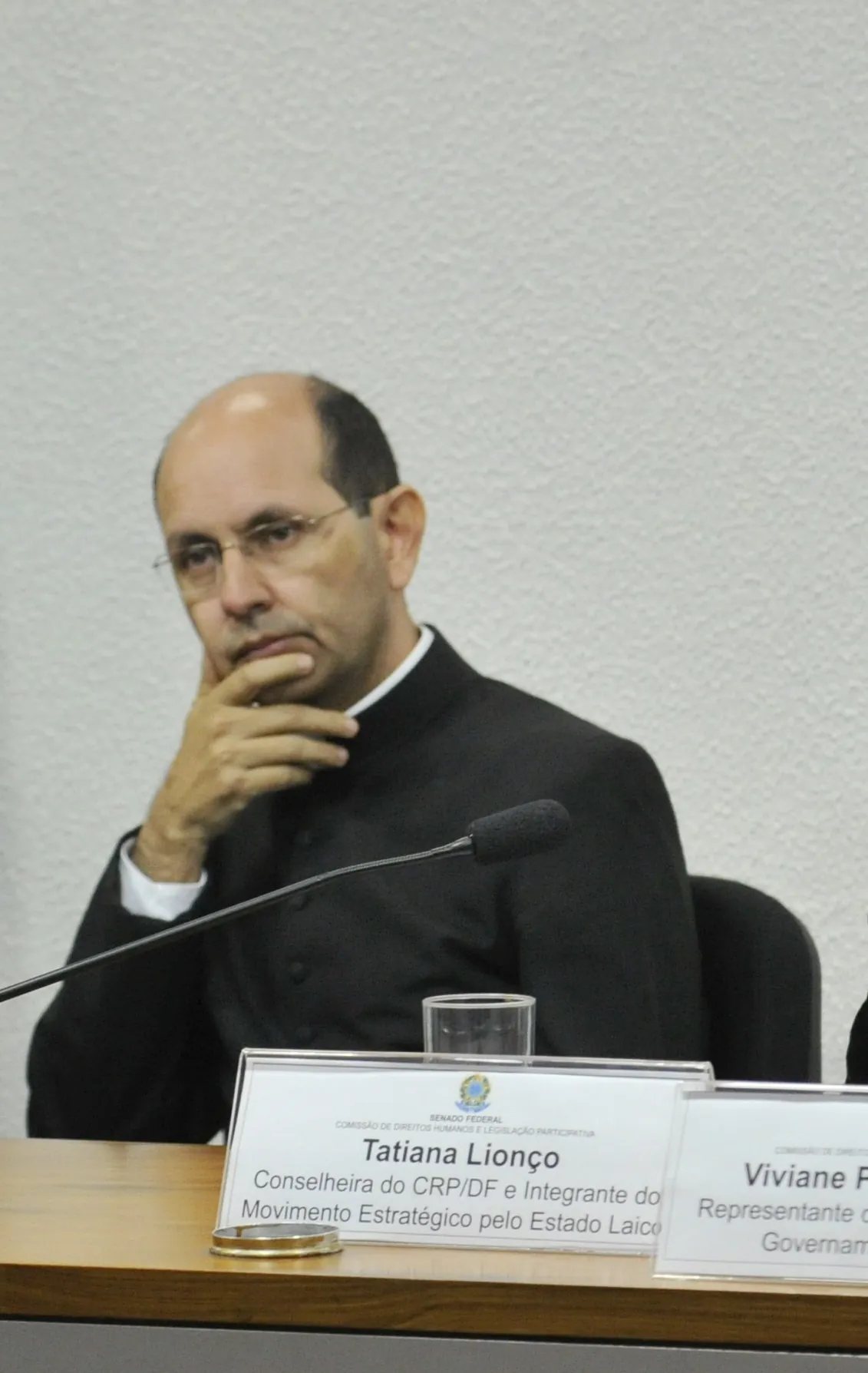
It wasn't an isolated speech. In 2012, he had already gone to a hearing in the Senate. In 2013, he called for a full veto of the law that, according to him, opened the way for abortion in the SUS without requiring proof of rape, but Dilma signed it all into law. In October of that year, he went to the Chamber of Deputies to warn against gender ideology in family policy.
In 2015, when the municipal education plans tried to bring it into the schools, the newspaper El País named him among the religious figures leading the resistance. A priest looking for a quiet life would have stayed in the pulpit.
Twenty years later
In May 2026, the website turned 20, with more than 60 courses, and in June he completed 34 years of priesthood. He has about 2 million followers on Instagram, is still parochial vicar of Christ the King Parish in Várzea Grande, and, in July, he preached to young people at Canção Nova's PHN camp.
In August, he publicly asked for help to keep the apostolate going, something that, according to him, he rarely does, because the monthly subscription costs less than a pizza and the bills barely close. Twenty years later, the small website has become a school, and it still depends on those who learned from it.
Melancholic-Choleric
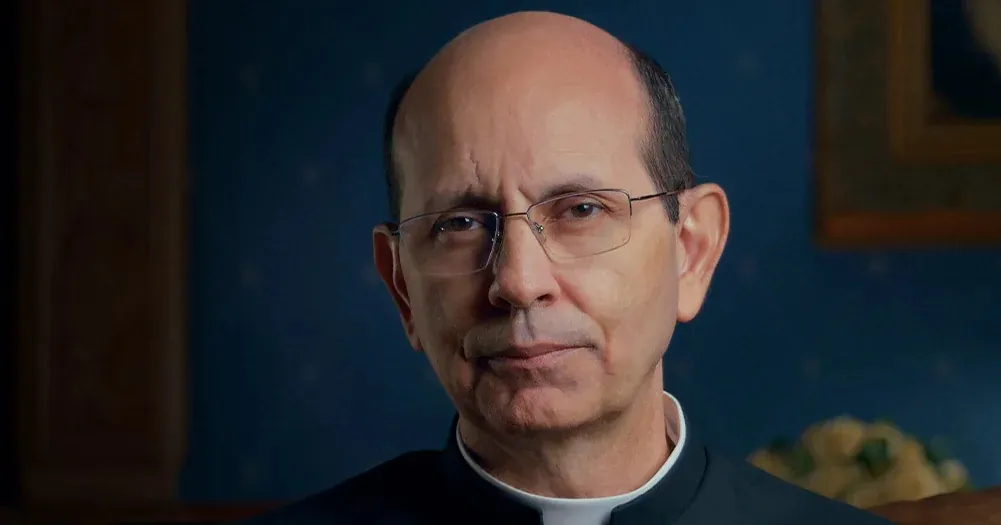
Through Axis Ratio, the most coherent reading of Father Paulo Ricardo's life is that he is melancholic-choleric.
In the melancholic-choleric, judgment comes first: the person examines what is lacking, forms an assessment of what is due, and only then puts strength at its service. That is why, when the judgment changes, the course of action changes too, and in his life what changed was not just the way he acted, but the goal itself.
The marks of the melancholic genus
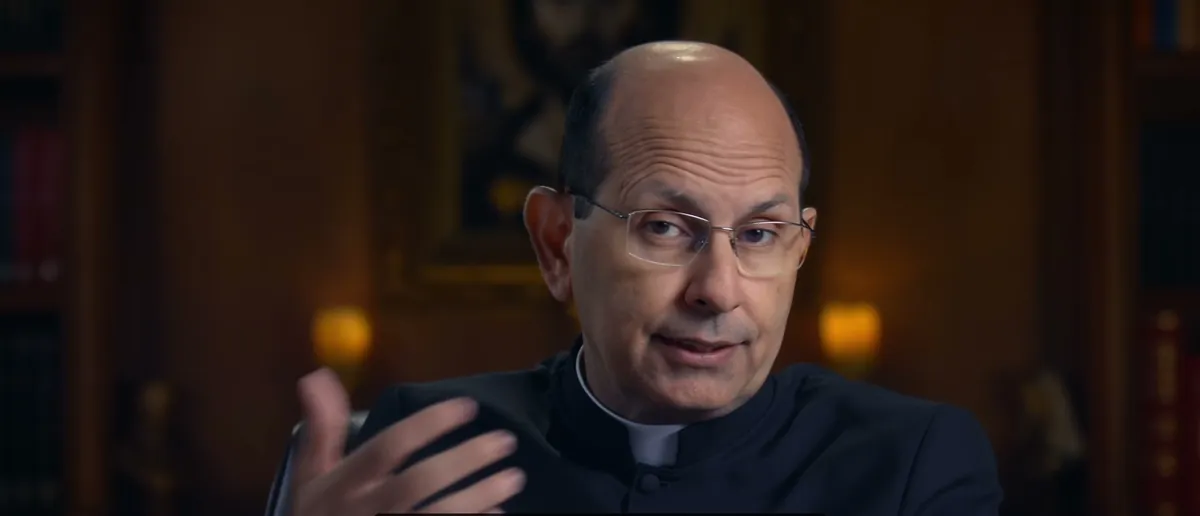
Every melancholic has a natural inclination toward measure, and in Father Paulo Ricardo it shows up like this:
- Inner life: working through, on the inside, what is lived. On the failing plane, he made his own examination of conscience.
- Sense of measure: perceiving whether a thing corresponds to what it should be. Winning the debate wasn't enough if nothing changed.
- Love of study: seeking the reason for things. Faced with Benedict XVI's gesture, he went back to the books.
- Fidelity to judgment: changing only for better reasons. He revised his view on Communion in the hand after studying, and not under pressure.
The melancholic, then, does not rest until he knows whether what he does corresponds to what is due.
The marks of the melancholic-choleric
In the melancholic-choleric, measure does not stand still: it gains strength to be fulfilled. In Father Paulo Ricardo:
- Measure that becomes provision: whatever is lacking, he sets out to supply. He saw Catholics without formation and opened a website to teach them.
- Determination in achievements: turning distance into a project. His teenage embarrassment became dedication to his studies.
- Sense of personal justice: even irritated, he respected the right of the seminarian who received Communion another way.
- Flexibility in the paths: changing the means without changing the end. When debate didn't change anyone, he looked for another way to teach.
That is why, in him, every revision of judgment became a work: a website, a school of courses and a generation of priests.
He was born to be a father of bishops
The priest who came back from Rome wanting to be a bishop now says he was born to be a "father of bishops": to form priests who take on the responsibility he once wanted for himself.
@padrepauloricardo, forgive my boldness: I was faithful to my method. This reading is my tribute for your 59th birthday, on the 7th, and my thank-you for everything you taught me. Happy birthday, Father!