
What were the temperaments of Blessed Luigi and Maria Beltrame Quattrocchi?
She was hard to convince and, in an argument, could seem aggressive. He would get hurt and nervous. The Church raised the two of them to the altars together.
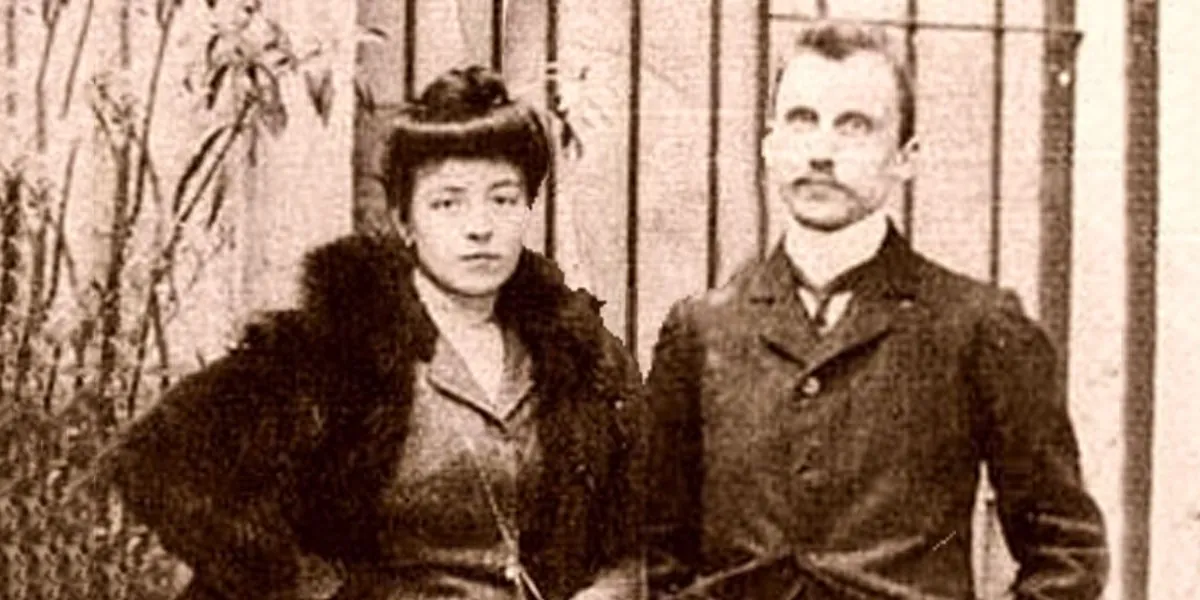
She put an olive leaf on the table
Maria Corsini was born in Florence in 1884, an only child. Her father was authoritarian and irritable, and her mother had a domineering temper. When she set the table, the girl left a small olive leaf under each person's napkin, so they would make peace.
The same girl, described as sensitive and reserved, was able to tell her father: "Look, Papa, I wouldn't have married you, like Mama did, with that bad temper of yours!" She didn't just watch the problem at home: she looked for a way to move it, with a gesture or with a sentence.
He was honest, but far from the Church
Luigi was born in Catania, Sicily, in 1880. Around age 9, he went to live in Rome with his maternal aunt and uncle, who had no children and adopted him. From them he got the surname Quattrocchi. He earned his law degree in 1902 and joined the State Attorney's Office.
Like many men of his time, he lived far from religion. But he was, according to the biography prepared by the Vatican, "deeply honest." It was Maria who showed him "a justice that goes beyond the law books," speaking of intentions and morals. The young lawyer already had a sense of what was right, but he lacked the foundation, and she was the one who pointed it out.
She knew how to make the most of what she had
Her father enrolled Maria in a business school, even though she loved literature. She didn't rebel: she studied accounting and, on her own, learned English and French, read a lot, played the piano and loved art. At 18, she debated divorce and took on the arguments of a learned general, a friend of the family.
An only child in a house of adults, she could have grown up lonely and bored. Her biographer Cristina Righi says the opposite: Maria "knew how to make the most of her family, drawing from it all the good she could, never crushed or submissive." Her joy didn't wait for the surroundings to be good before it showed up.
The holy card stayed in his wallet for 47 years
Luigi and Maria met in Rome at the start of the 20th century. He kept deepening his faith at her side. According to biographer Giorgio Papàsogli, "Maria's simple, joyful assurance helped Luigi and made him progress."
When he nearly died of peritonitis, she sent him a holy card of Our Lady of Pompeii: "This is the image before which I have prayed and pleaded so much for your health. Kiss it every night and every morning, and always keep it with you." Luigi recovered. When he died, 47 years later, the holy card was found in his wallet.
They married on November 25, 1905
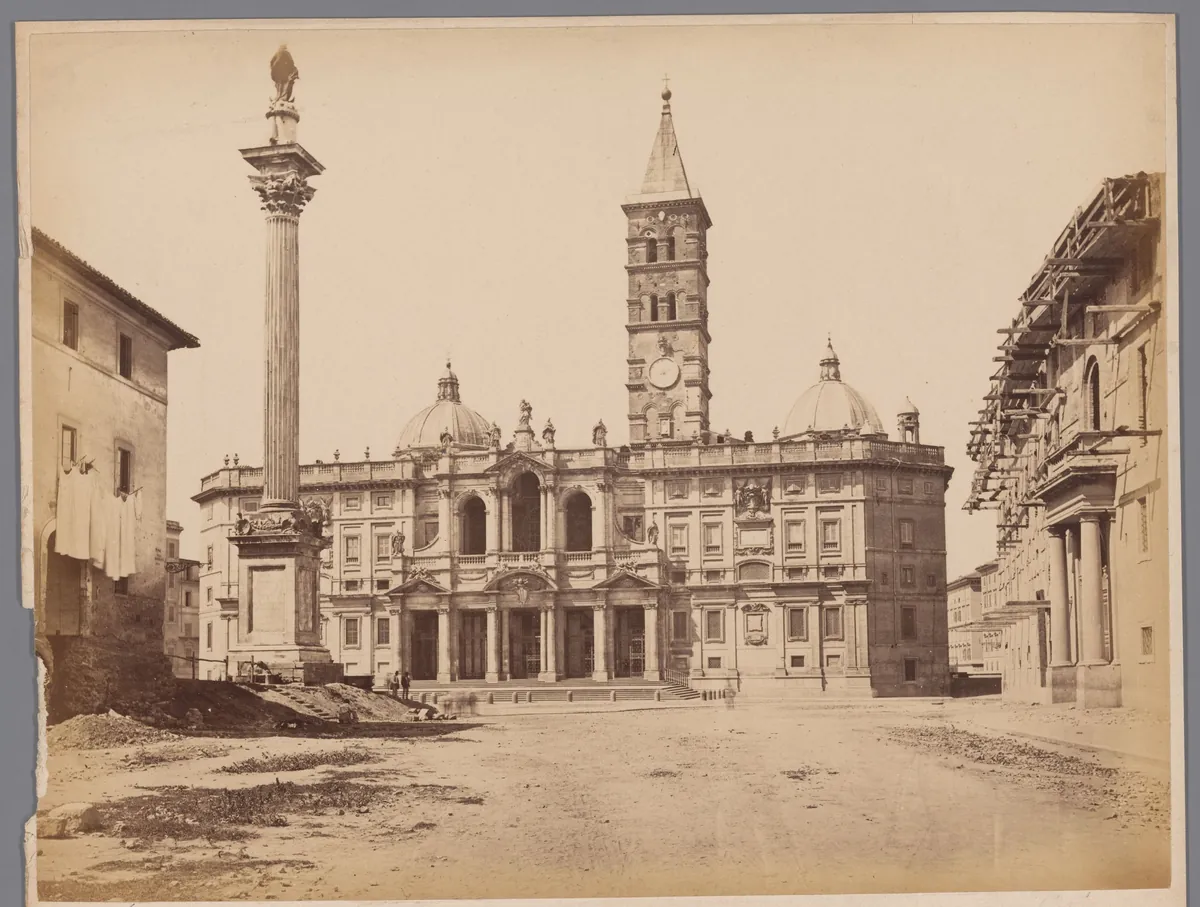
The wedding was at the Basilica of Santa Maria Maggiore in Rome. The newlyweds went to live in the Corsini home, with Maria's parents and grandparents. She suffered from still being treated as "the young miss," with no role of her own in the house.
The letters from that time show how great the love was. Luigi wrote that her love had redeemed his soul "from a barrenness that would have killed it." Maria wrote: "My soul needs your soul to live." Within three years, Filippo and Stefania were born, and the love of their courtship got more than enough work.
"Correcting faults, curbing our tempers."
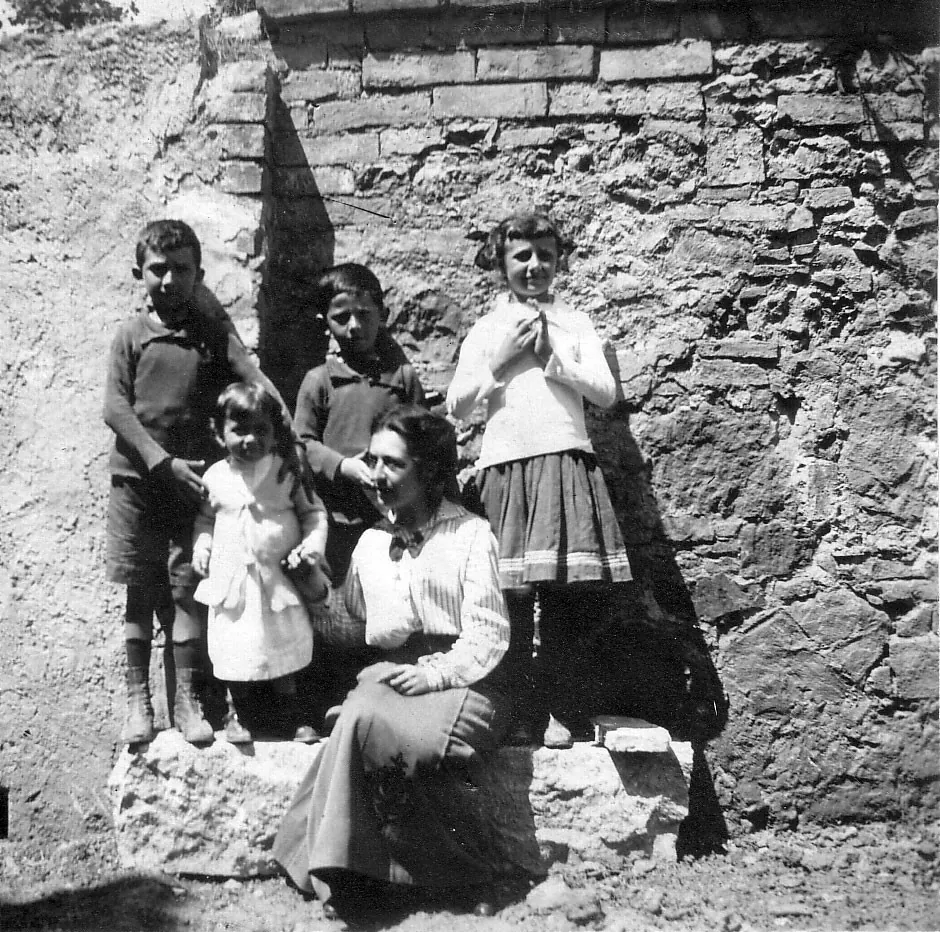
With the children came sacrifices. One daughter recounts that Maria, used to the latest in theater, music and literature, cut "reading down to almost nothing and shows and concerts down to zero."
And a discovery came. Maria later wrote: "We studied books on child psychology, trying to improve ourselves, correcting faults, curbing our tempers, out of love for them." Both had strong wills, and it was precisely that strength they decided to point inward: before correcting their children, they set about correcting themselves.
"No is still no."
In 1913, during her fourth pregnancy, Maria had placenta previa. At the time, that was almost a death sentence for both mother and baby. The doctors advised abortion, and the couple answered with a categorical "no."
A professor pressed Luigi: "You don't see it, counselor: this way, you're preparing to be left a widower with three children to raise!" The answer didn't change. According to Papàsogli, "no is still no." There were months of anguish and prayer. On April 6, 1914, Enrichetta was born, and mother and daughter both survived.
He was afraid of losing his wife to God
In 1918, Maria took up a demanding spiritual life under the direction of Father Mateo Crawley. One of their sons said that his father then went through a crisis: he came to feel "afraid of God," almost as of a rival who, by drawing his wife too high, was taking her away from him.
Maria neither backed down nor left him behind. She wrote to him: "I will always sustain you, comfort you, defend you. I lend you my own faith; I hold out my hands to you, and you, lean on them to keep standing on the way." According to their son, their love came out of that crisis greater.
"Let's get moving!"
What Maria did when faced with a problem shows up in a scene told by Cristina Righi. When she heard of an injustice against someone, she would say right away: "Let's get moving! I'll talk to… Let's see to it…" And "she was always the first to pay out of her own pocket."
She didn't stop at complaining, nor did she solve things alone: she called people in, handed out the tasks and led the way. The same energy showed in the books on education she wrote, in her work with Catholic women and in caring for the sick. At 53, she even earned her Red Cross nursing diploma.
He wouldn't ask for favors, not even for his children
Luigi was a respected state attorney and could have used his name to help his children at school. According to Papàsogli, he never wanted to put in a word for any of them in any exam, "even at the risk of seeing them sent to make-up exams in October."
When one of them was, it was their father himself who spent the vacation teaching Greek, Latin or science to "the one who'd failed this time." For him, avoiding the wrong shortcut wasn't enough: he did the work of the right path himself, and he did it with care.
In 1919, he opened an oratory for poor boys
When the children joined the Scouts, the parents joined too. Luigi founded, with a friend, Gaetano Pulvirenti, an oratory at the Basilica of Santa Pudenziana for the boys of the Suburra, a poor neighborhood in Rome. The oratory became a Scout group, which he led himself.
At home, he was the one who, after dinner, started and led the family rosary, according to one of the children. He received decorations for his work, but, one biography says, he "puts them at the bottom of a drawer and never mentions them again." What mattered to him was the work done, not the medal.
The top post went to someone else
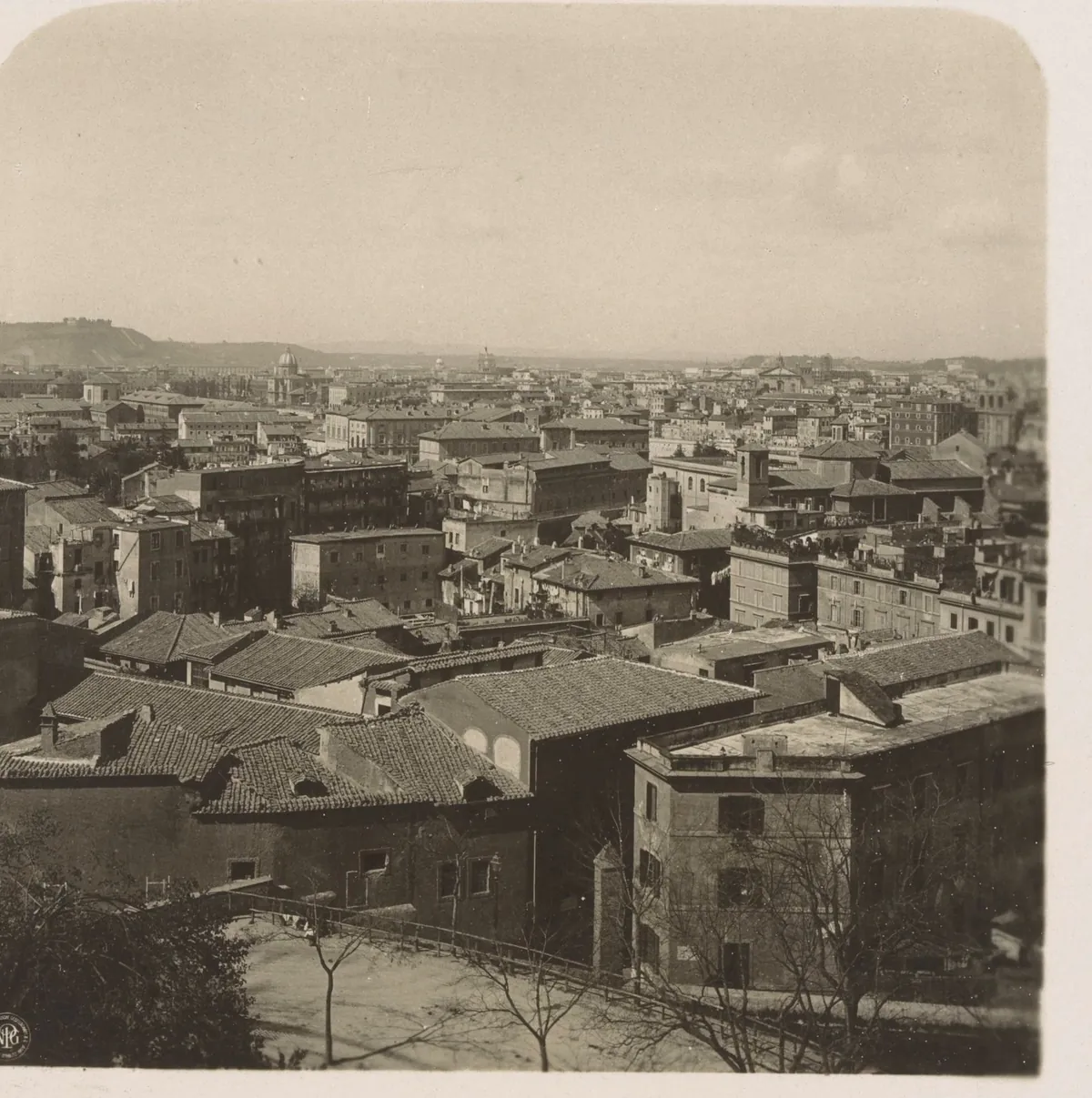
On merit, Luigi should have been the first to head the State Attorney's Office. A friend recounts that "a sneaky campaign," waged by anticlerical colleagues, blocked him. He was "deeply hurt" by the injustice, but showed "no visible reaction."
In 1948, he was offered a run for the Senate. He didn't agree with the line of those who would back him and, according to Maria, he turned it down. According to the Vatican biography, when the choice was between career and honesty, he didn't hesitate to stop or take a step back.
"MARIA is not easily swayed."
The biographers don't hide the fights. "Opposing opinions, heated discussions and even clashes are not lacking. Maria is not easily swayed, and arguing with her to change her mind is not easy. In those moments, Luigi can feel hurt and nervous, while Maria seems aggressive."
"But it never lasts long, and the apologies, made right away, bring back serenity." Maria later wrote that a person is perfected "in clashes and contrasts," because only then "are the rough edges smoothed." Both had strong wills, and neither one stopped having their own.
Three of the four children gave themselves to God
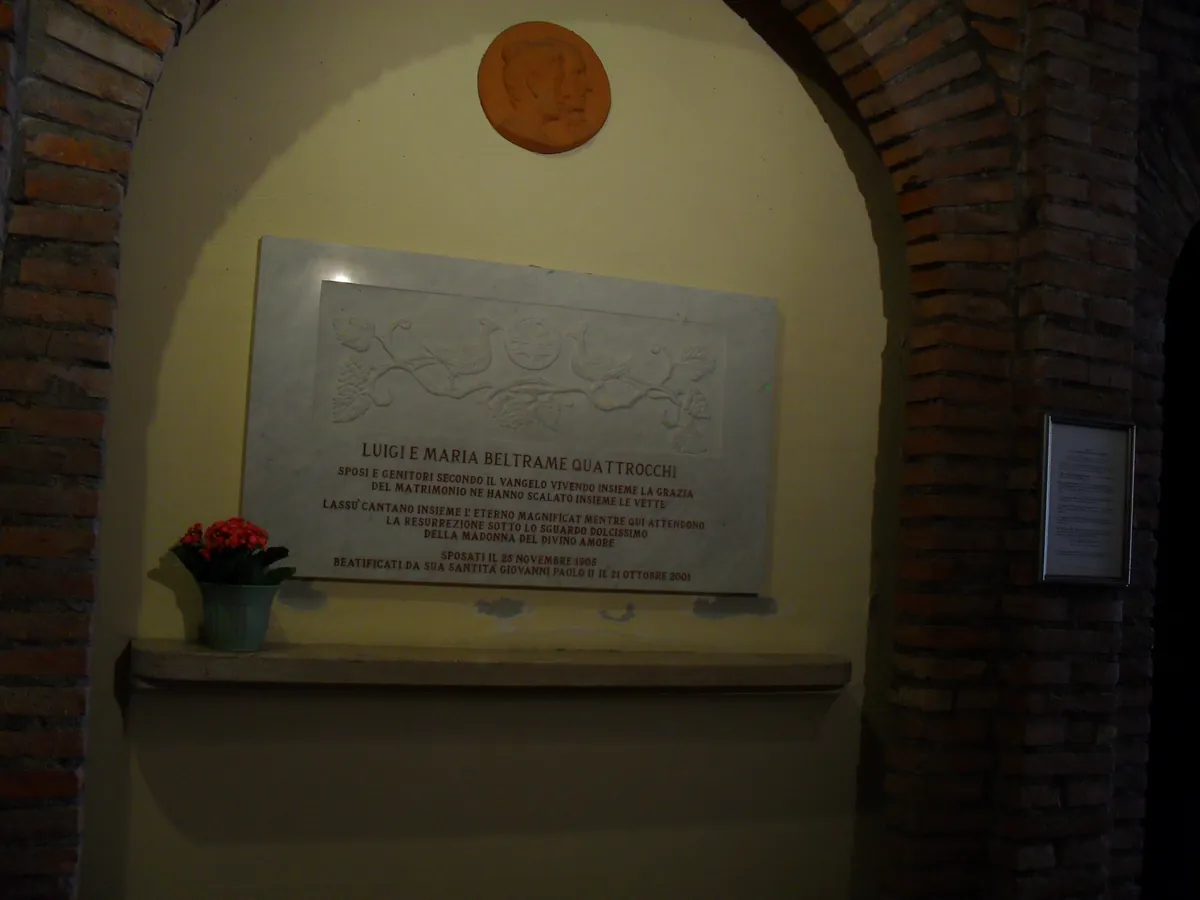
Filippo became Father Tarcisio. Cesare became Father Paolino, a Trappist monk. Stefania entered a Benedictine monastery and became Sister Cecilia. Only Enrichetta, the daughter the doctors wanted to abort, stayed with her parents and cared for them until the end.
Luigi died on November 9, 1951, at 71, at home. In his will, he wrote that he hoped from God for "the grace of final perseverance in this faith that I feel so alive today." Maria lived 14 more years, writing and praying, and died on August 26, 1965.
The first beatification of a married couple
On October 21, 2001, in St. Peter's Basilica, Saint John Paul II beatified Luigi and Maria together. He called the ceremony "the first beatification of a married couple." Three of the four children were present. The Pope said the two "lived an ordinary life in an extraordinary way."
The Church celebrates their memorial on November 25, the day they married. Their life had its clashes, and the Church did not hide them: what it recognized was that the two made their own tempers, their fights and their everyday sacrifices into a path to God, without either one ceasing to be who they were.
Choleric-melancholic and choleric-sanguine
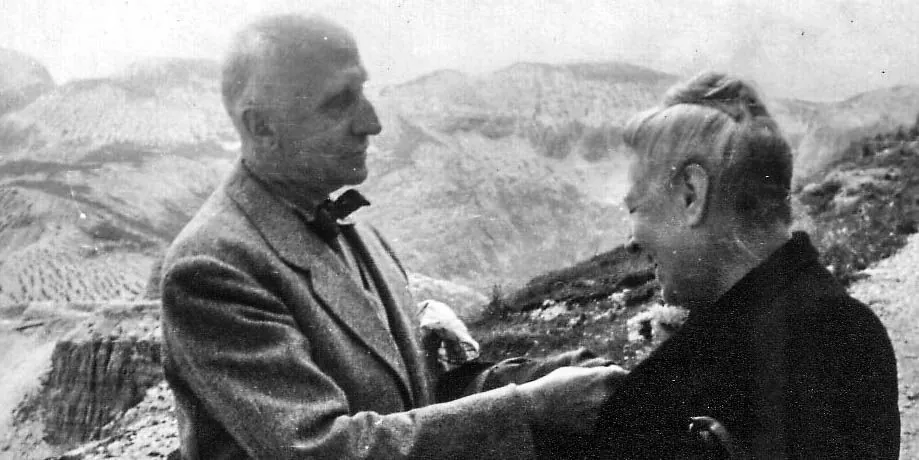
According to Axis Ratio, Luigi was choleric-melancholic, and Maria was choleric-sanguine.
Both were choleric: they had strong wills and went out to meet what was hard. In Luigi, the strength came with a measure: doing wasn't enough, it had to be done the right way. In Maria, the strength came with joy and people: whatever she wanted to do, she did by mobilizing others.
His symbol is the closed circuit: the force runs within a precise track. Hers is plasma: the force gains brilliance among people, but stays in command.
The marks of the choleric-melancholic
In the choleric-melancholic, a strong will comes with a standard: the result only counts if it is reached the right way. In Luigi:
- Honesty without bargaining: when the choice was between career and honesty, he stopped or took a step back.
- Work done well: instead of asking for favors for his children, he taught them himself during vacation.
- Initiative: he founded an oratory and a Scout group for the poor boys of the Suburra.
- Seriousness: he put his decorations at the bottom of a drawer and never spoke of them again.
That is why, in him, strength never walked alone: it went together with the criterion of what is right.
The marks of the choleric-sanguine
In the choleric-sanguine, a strong will gains joy and people: what she wins, she wins among others. In Maria:
- Contagious joy: her "simple, joyful assurance" made Luigi progress in faith.
- Immediate initiative: faced with an injustice, she would say right away: "Let's get moving!"
- Firmness: she was not easily swayed, not by her father, not by her husband.
- Mobilization: she called people in, handed out the tasks and was always the first to pay.
That is why, in her, strength was never solitary: it drew others along, starting with her husband.
Two strong wills, one path
Luigi and Maria did not become saints in spite of their temperament, nor because of it. Nature gave them both a strong will. Grace and daily effort taught that will to serve: the other, their children and God.
Today is a day to pray for all married couples. Blessed Luigi and Maria, pray for us.