
What was Freddie Mercury's temperament?
At school, he laughed with his hand over his mouth to hide his teeth. Later, mouth wide open, he had whole stadiums singing with him. Both were the same man.
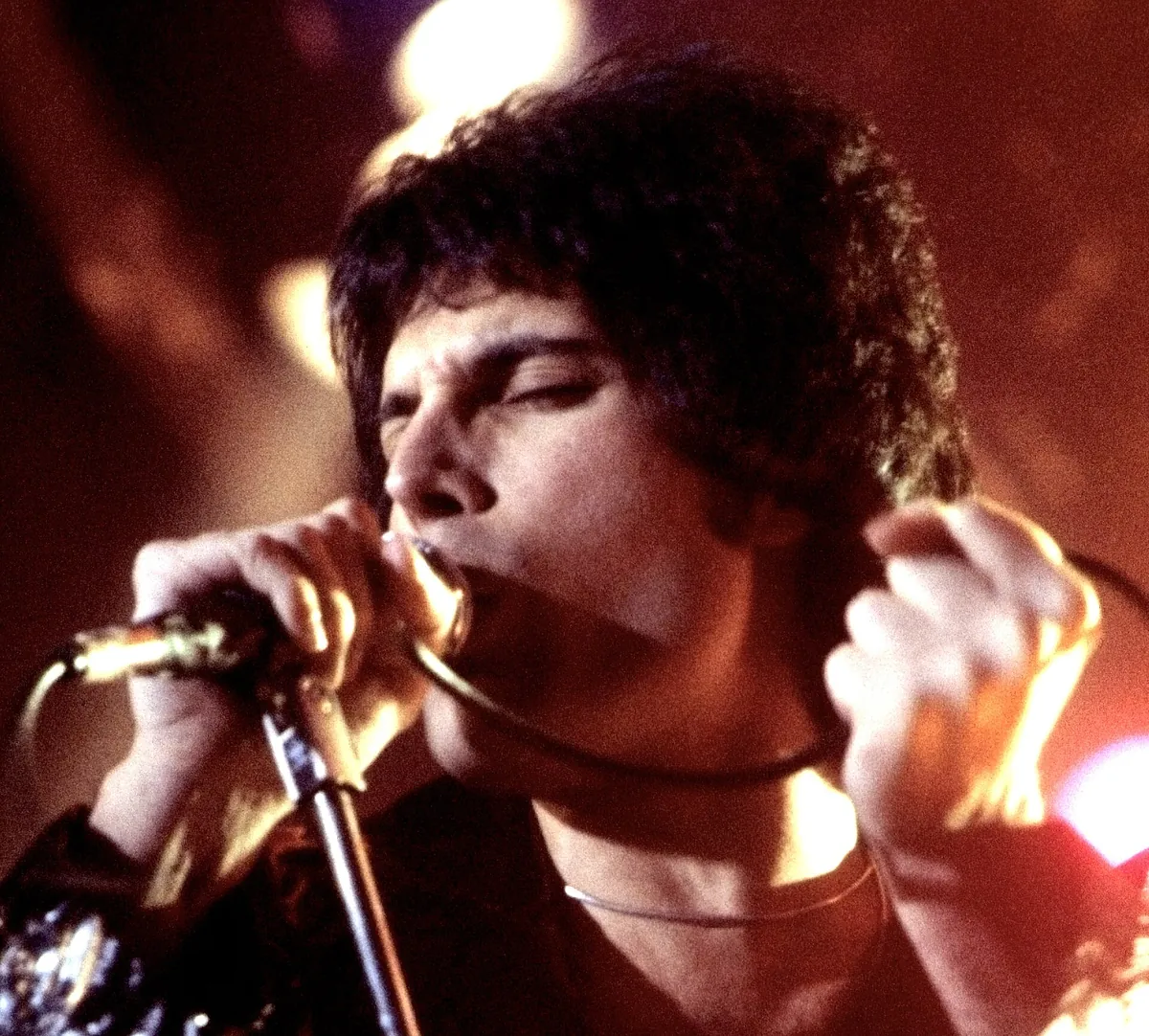
He hid his teeth with his hand
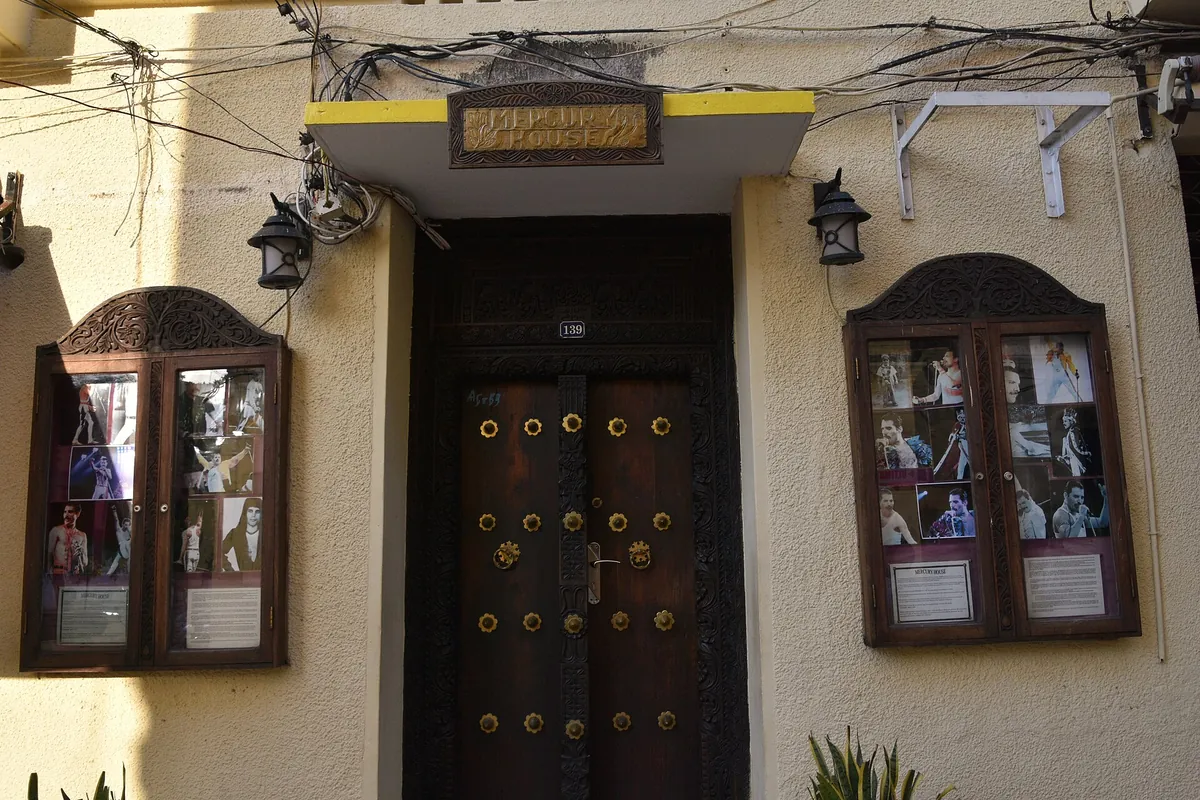
Farrokh Bulsara was born in Zanzibar in 1946, into a family of Indian origin. At 7, by his own account, he was sent to a boarding school in India. His mother, Jer, remembered: "I cried when we left him, but he just mixed in with the other boys."
At school, the other boys nicknamed him Bucky, because of his protruding teeth. "He tried to cover them with his upper lip, and when he laughed he had a habit of covering his mouth with his hand," said his friend Farang Irani. It was to escape the nickname that he started calling himself Freddie.
When he played, he became someone else

"Freddie was very shy, but when he started playing the piano he became a completely different person," recalled his classmate Victory Rana. At 12, he joined his first band, The Hectics. The idea came from another pupil, Bruce Murray, who sang and was the star of the group. Freddie stayed at the piano.
"He could hear a song on the radio just once and play it perfectly," said Murray. In his temperament, shyness about his teeth did not close the door: talent opened it. In front of others, the boy only came forward when he had something to offer.
Blood on his face, and he would not give up
Freddie also took up hockey, athletics and boxing. Bruce Murray kept one fight in particular: "Freddie was taking a real beating in the ring, and we were all telling him to give up. But no. Freddie insisted on fighting to the end, his face covered in blood."
"He could be very tenacious," he added. There was no contract, no trophy, no paying crowd. There was a shy boy who, facing a stronger opponent, refused to leave the ring a loser. His competitiveness was born long before fame.
"A clown, when he wanted to be."
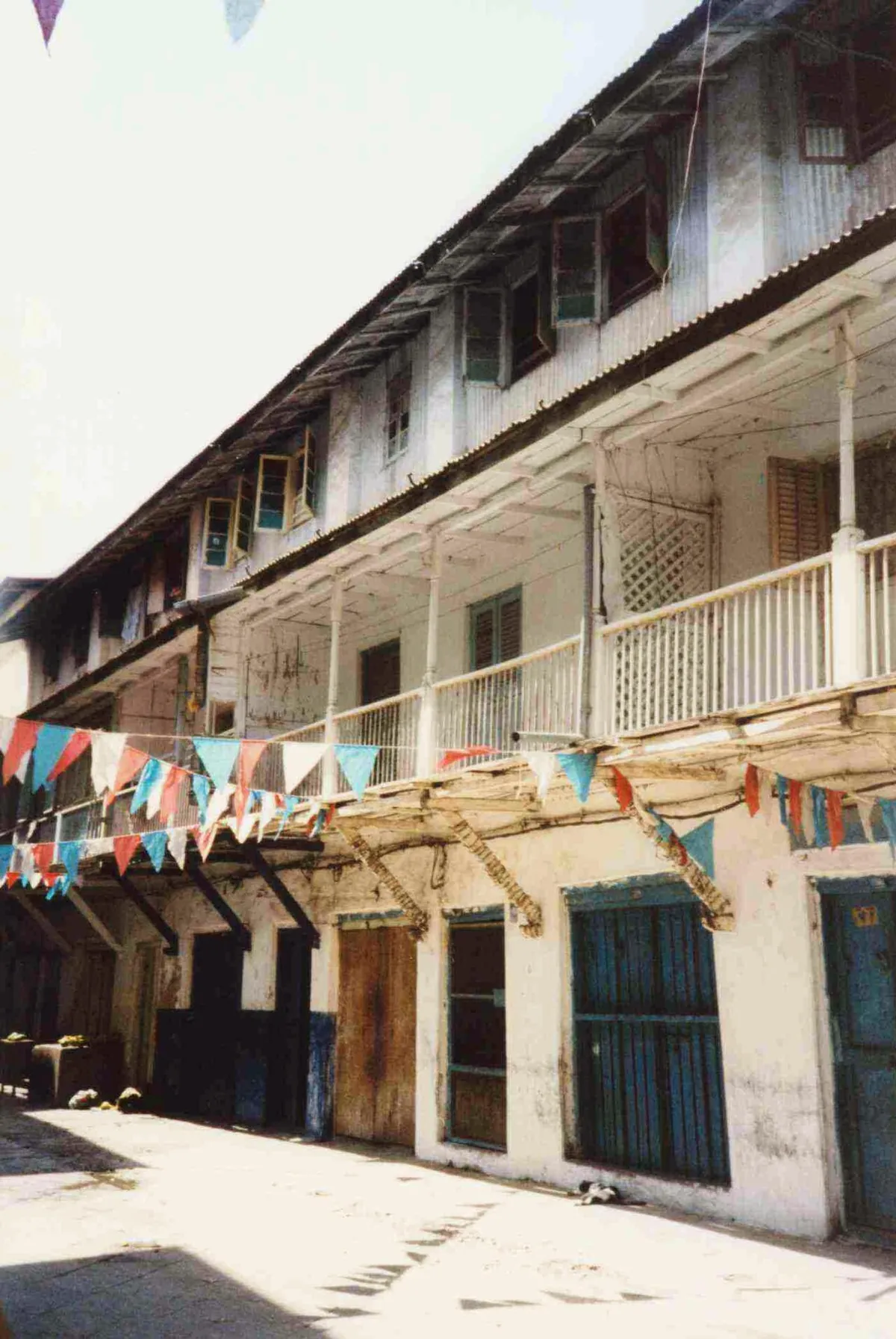
"He was an introvert, but he could be quite a clown when he wanted to, like Jerry Lewis," recalled Farang Irani. The two of them would cycle from Panchgani to Mahabaleshwar and back, about 20 km, "just for fun".
Subash Shah told of a night on the beach in Zanzibar. A song was playing, and Freddie started dancing the twist right there. "Before we knew it, a group of local girls in burkas had formed a circle around him and started dancing the twist with him." In his temperament, joy was not kept inside: it pulled other people in.
"I hope I don't get it."
In 1964, after the revolution in Zanzibar, the family fled to England. Freddie studied art and graphic design at Ealing and took odd jobs to support himself. His mother remembered the scene: "I remember him filling in job applications and saying: 'I hope I don't get it.'"
What he wanted was on television. Watching Elvis Presley, he promised: "One day I'm going to be like him." "He wasn't a rebel," said Jer, "but he always wanted to be a stage performer." A safe job held no appeal at all for someone who already pictured himself in front of an audience.
"The whole group aimed for the top."
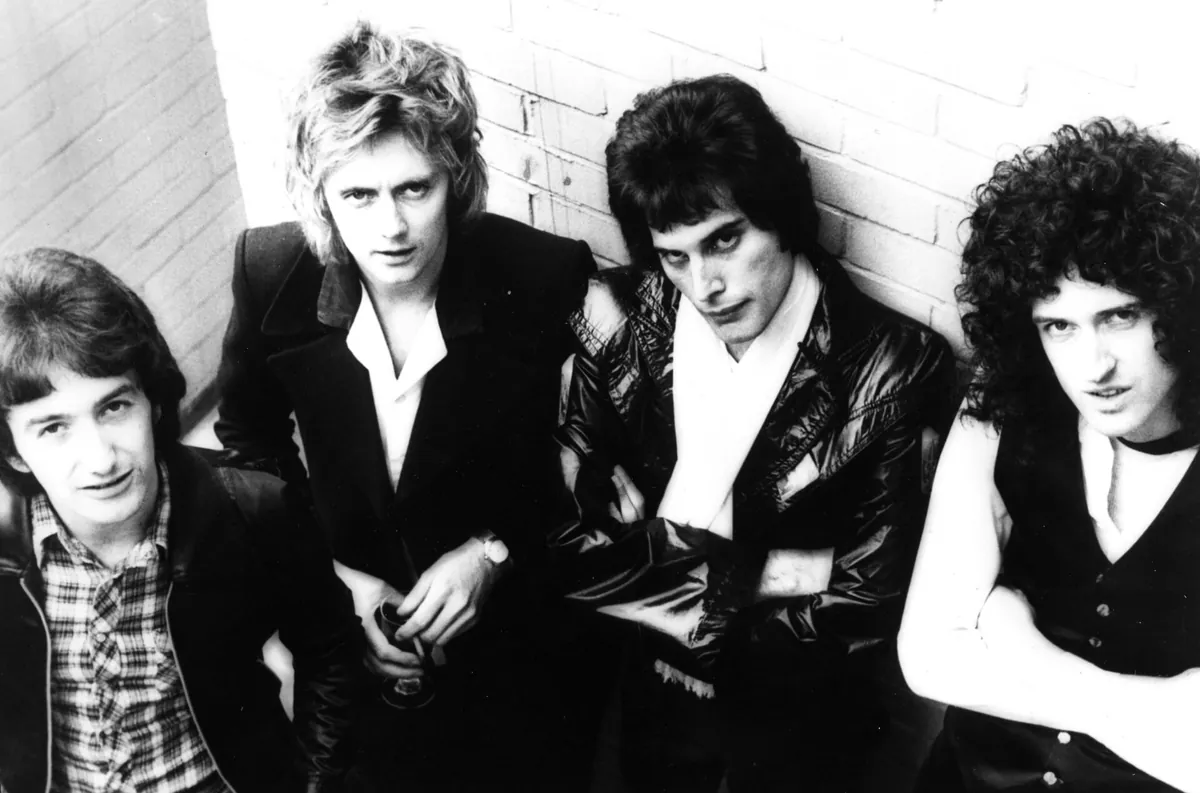
In 1970, Freddie joined Brian May and Roger Taylor, and the following year John Deacon arrived. It was Freddie who gave the group the name Queen and, with his design diploma, drew the band's crest.
In 1974, they were asked whether they had aimed high. "That's it. The whole group aimed for the top. We're not going to settle for anything less." And on confidence: "If you start telling yourself 'maybe I'm not good enough, maybe I'd better settle for second place,' it's no use." The boy from the ring was still there.
He scored more with fewer letters
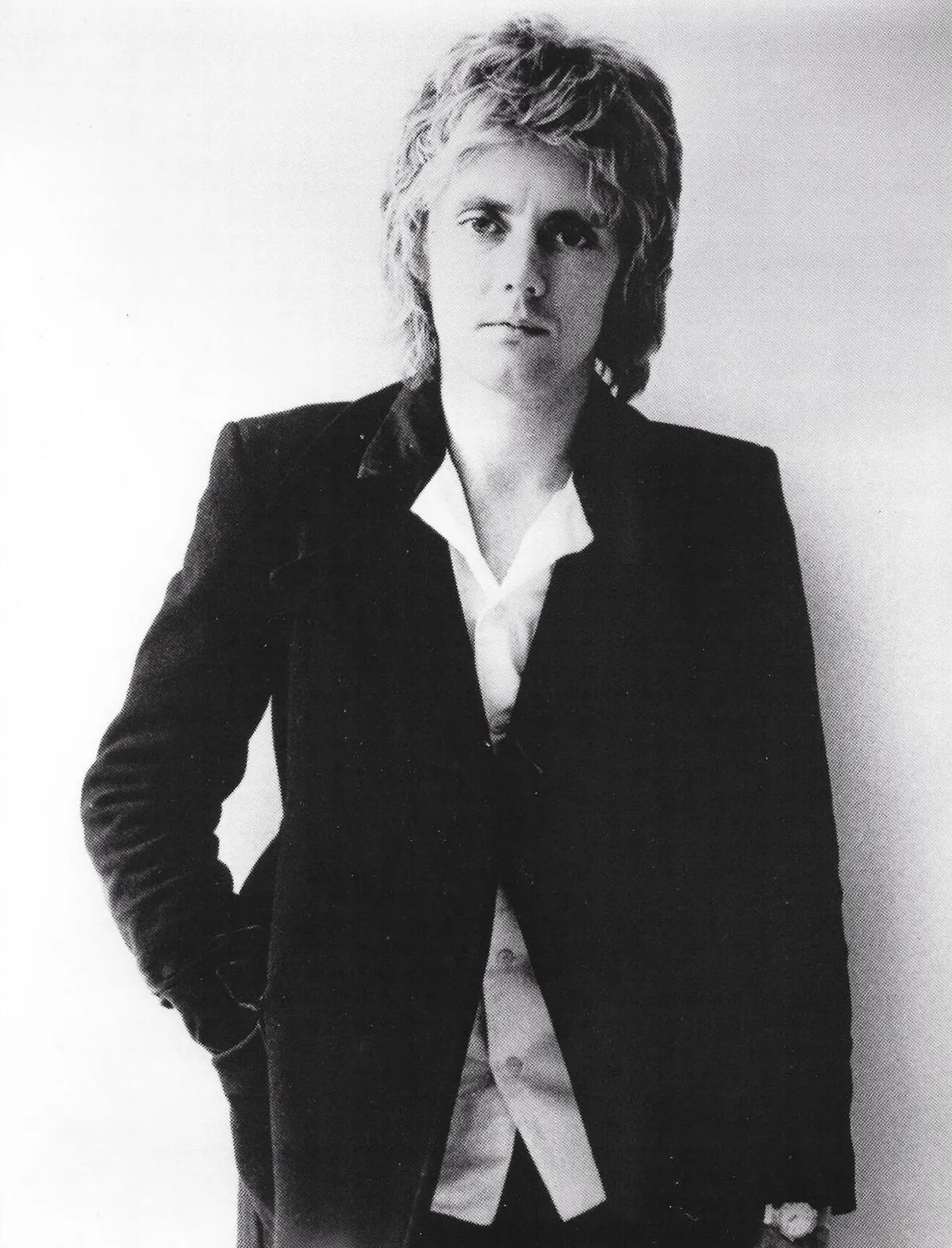
On tour, Queen played Scrabble, the word-building game. "We all played, but it got far too serious, and the other two gave up," said Roger Taylor. "Freddie was brilliant, because he could score more with fewer letters."
Peter Freestone, his assistant for 12 years, saw the same at table tennis: "He was competitive at anything." Freddie himself told the journalist David Wigg: "Some people accept second best, but I can't." For him, even a game was a chance to show what he could do.
"My job is to make the audience enjoy themselves."
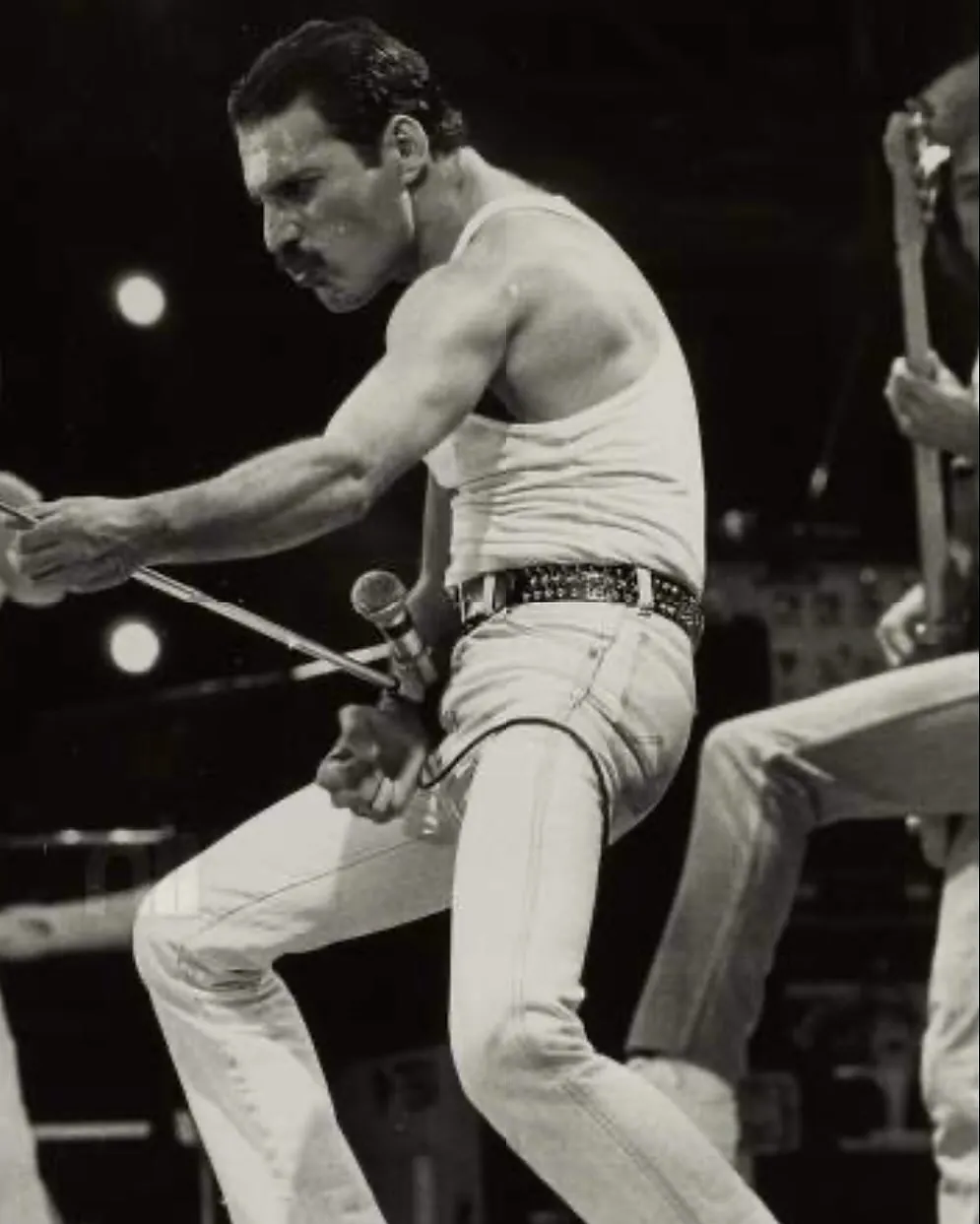
Freddie explained what he did on stage: "I have to win people over, otherwise the show hasn't worked. It's my job to make sure the audience enjoys themselves. It's part of my duty."
In 1985, at Live Aid in Wembley, Queen played for about 20 minutes to 72,000 people in the stadium and a television audience in the billions. Freddie had the whole stadium repeat the notes he sang. In his temperament, talent was not for standing above the crowd, but for getting right in among it.
Shy in the room, master of the stage
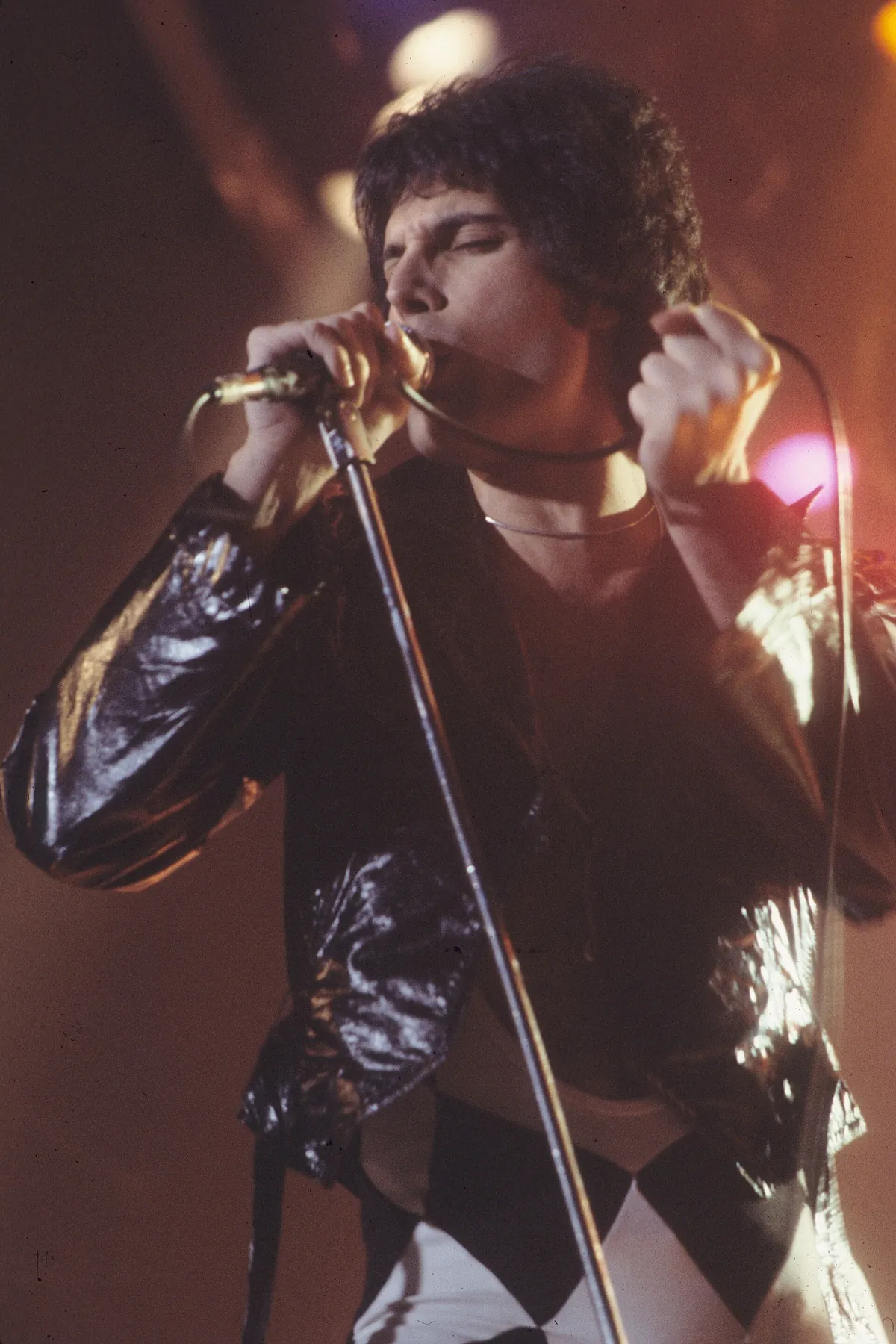
"He had a very shy side and a very flamboyant side," said Roger Taylor. "In a social situation he could be quite shy, but he could also walk into a room with all the charisma turned up to full and take it over. He just needed to prepare himself for it." Going on stage was the same.
Where talent was at stake, the shyness vanished: "In the studio he worked very hard. There he was completely at home, not shy at all." The shy man and the showman were the same man. The only thing that changed was whether there was something he knew how to offer.
FREDDIE was the one who found the compromise
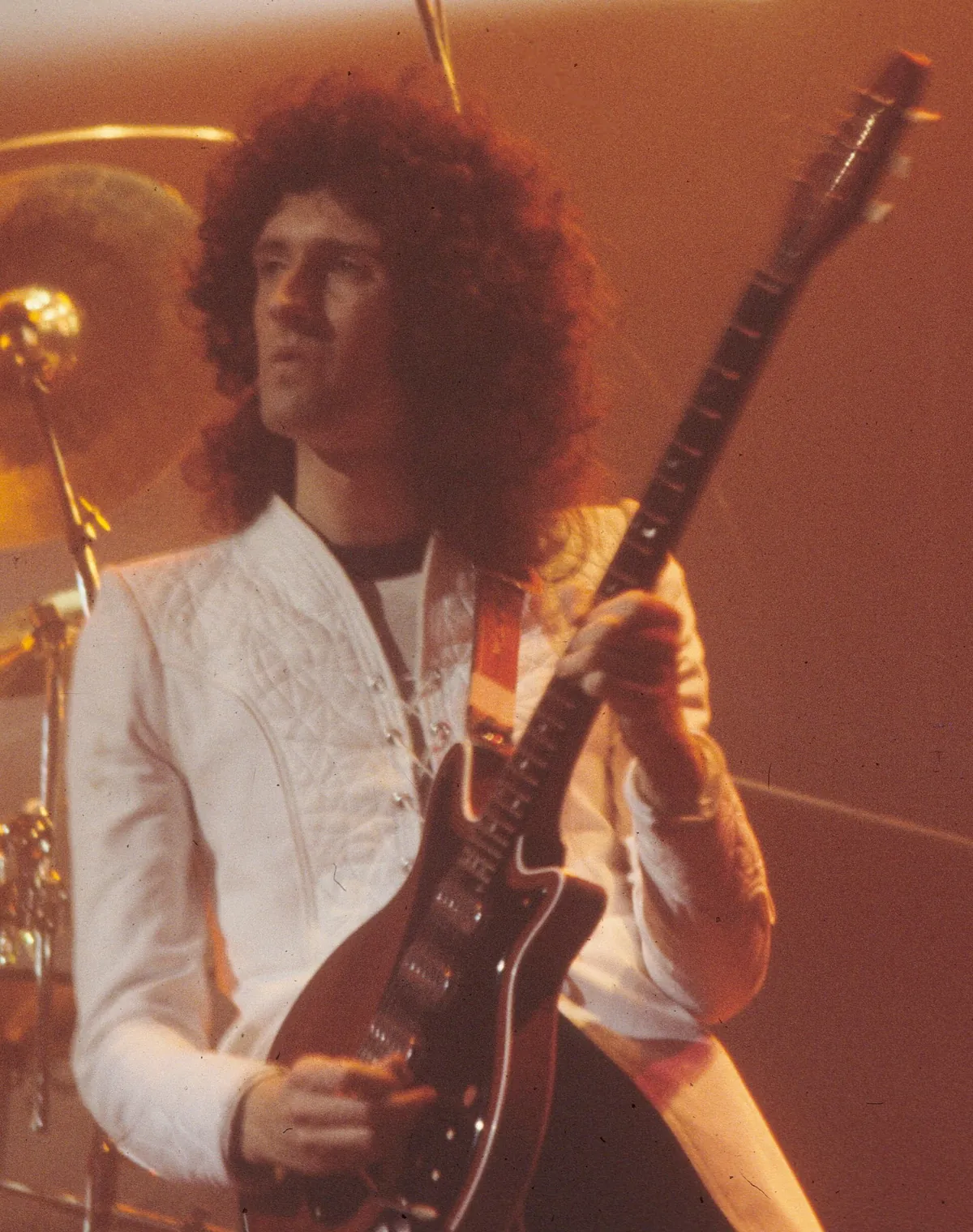
"We fought like cat and dog," Brian May admitted. "Funnily enough, Freddie, who everyone thinks was the great prima donna, was very often the one who found the compromise." When May and Taylor pulled in opposite directions, "Freddie would find a way".
And he did not forget the conversation: "If you had a discussion, he'd come back days later and say, 'I've been thinking…', and bring a development of what we'd talked about." But May made a point of adding: "He certainly fought for the things he believed in."
At four in the afternoon, the phone would ring
The solo album Mr. Bad Guy, recorded in Munich, took almost two years. Peter Freestone explains: "We'd get to the studio and, at four in the afternoon, sometimes a call would come from a friend: 'Freddie, I'm bored, come and pick me up.' Then work would suddenly stop, and off we'd go."
With Queen it was different: "It was four people's responsibility to finish the work." On his own, Freddie worked when he felt like it. In his temperament, the pleasure of the moment called loudly, and it was his commitment to the others that kept him at the work.
At home, he laughed without hiding his teeth
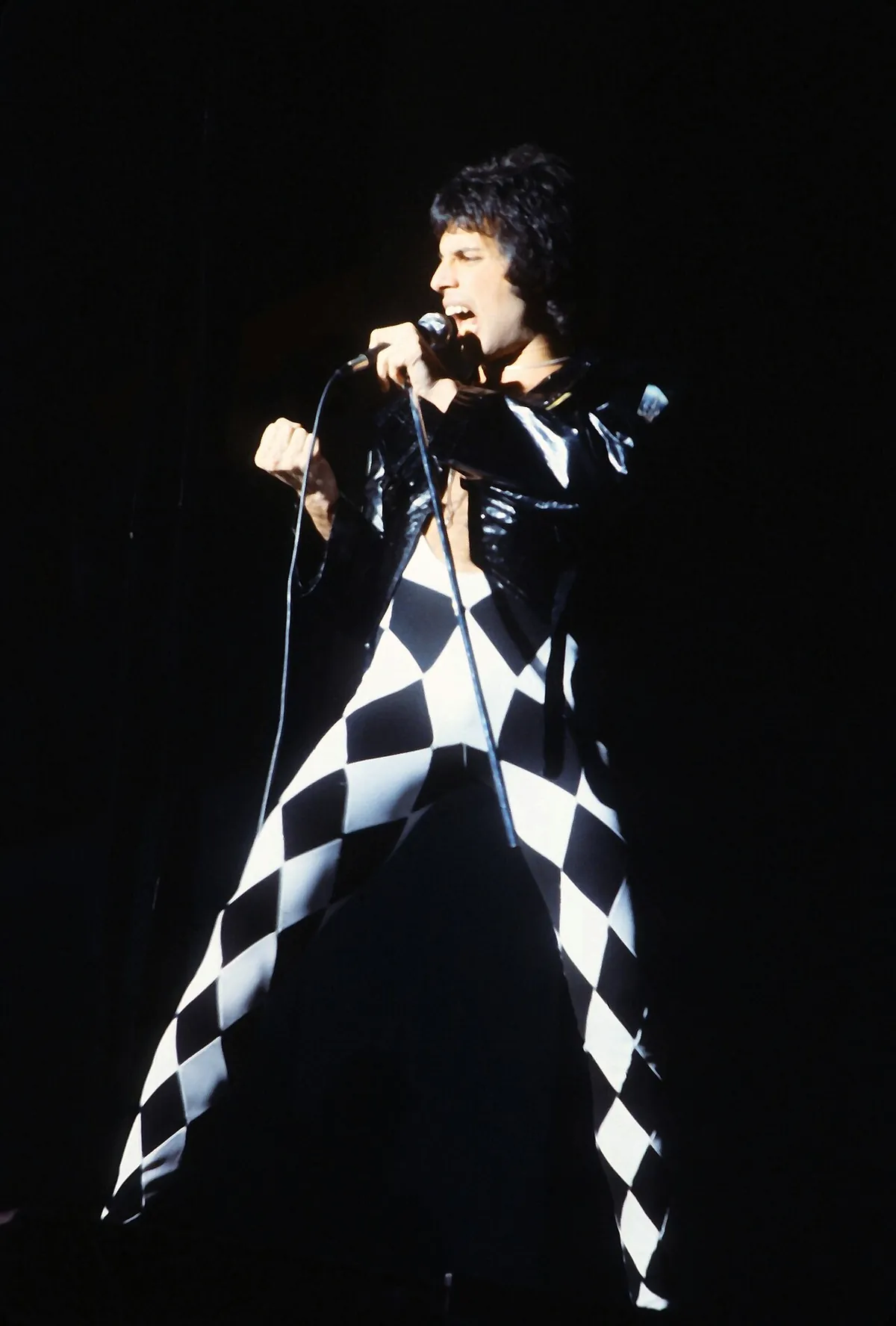
"Freddie had a very dry, English sense of humour," says Freestone. "He could find humour in practically any situation. He loved to laugh." And he kept one image: "At home he didn't have to worry about his teeth. He would throw his head back and laugh and laugh."
The boy who covered his mouth at school laughed freely at home. There were the people he trusted, like Mary Austin, his lifelong friend: "I confide in her more than in anyone else." For Freddie, a good home was a home full of his own people.
His hands were ice-cold
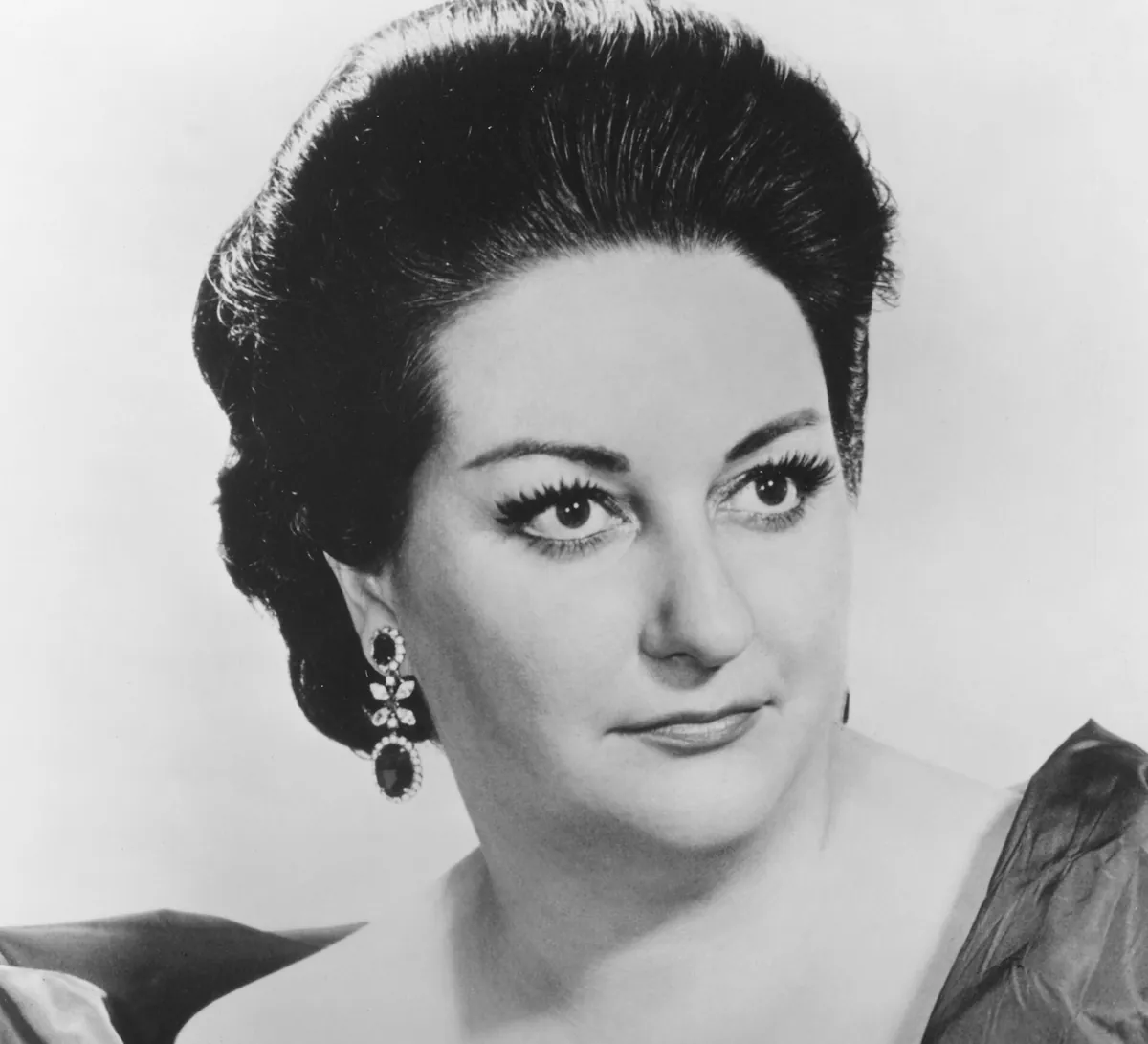
On 24 March 1987, Freddie went to Barcelona to meet the soprano Montserrat Caballé, whom he admired. He brought a tape with a song written for her. Caballé recalled: "Freddie's hands were so cold… So I thought: he is nervous too. That is good, because someone who is nervous is expecting something from the other person."
From that came the album Barcelona. The pianist Mike Moran says Freddie deeply respected talented people and recognised their merit, "and when it was the other way round, when he received the recognition, he was delighted."
"We left our egos outside."
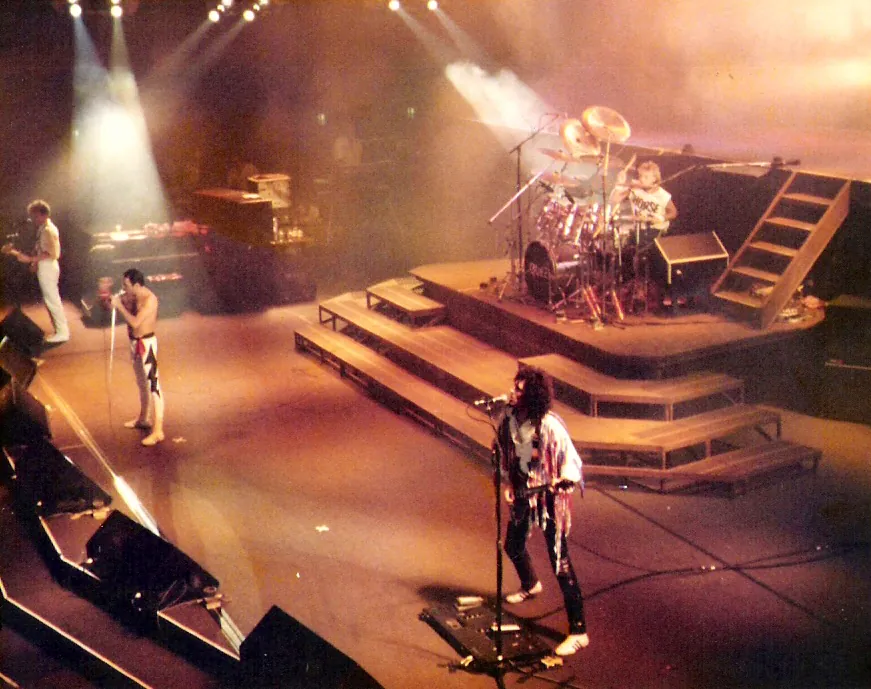
Queen argued for years over who had written what. On The Miracle, in 1989, the four of them decided to split the credits equally, no matter whose idea it had been. "We left our egos outside the studio and worked together as a real band," said Brian May. "I wish we'd done it 15 years earlier."
Freddie, who would not accept second place, accepted that no one would be first: "I think it's the closest we've ever come to writing together." From then on, each man's worth showed up in the work of all four.
"Give me anything, and I'll sing it."
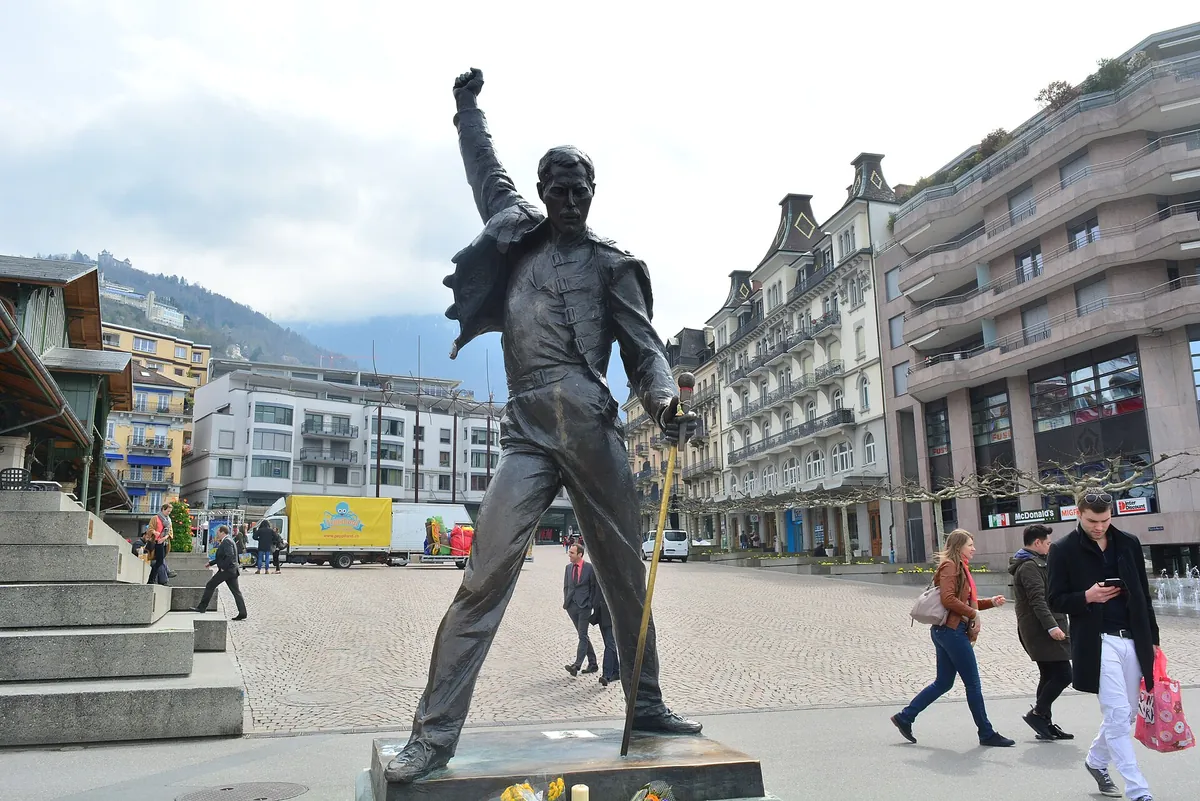
Already very ill, Freddie kept going to the studio. Brian May remembers what he would say: "Make me sing anything, write anything, and I'll sing it and leave you everything I can."
On 13 May 1991, in Montreux, he recorded almost all of Mother Love, written with Brian. He stopped before the last verse, which he never got to record. Brian sang the missing part. On 24 November 1991, Freddie died, aged 45. His friends finished the last album with the voice he left behind.
Sanguine-choleric
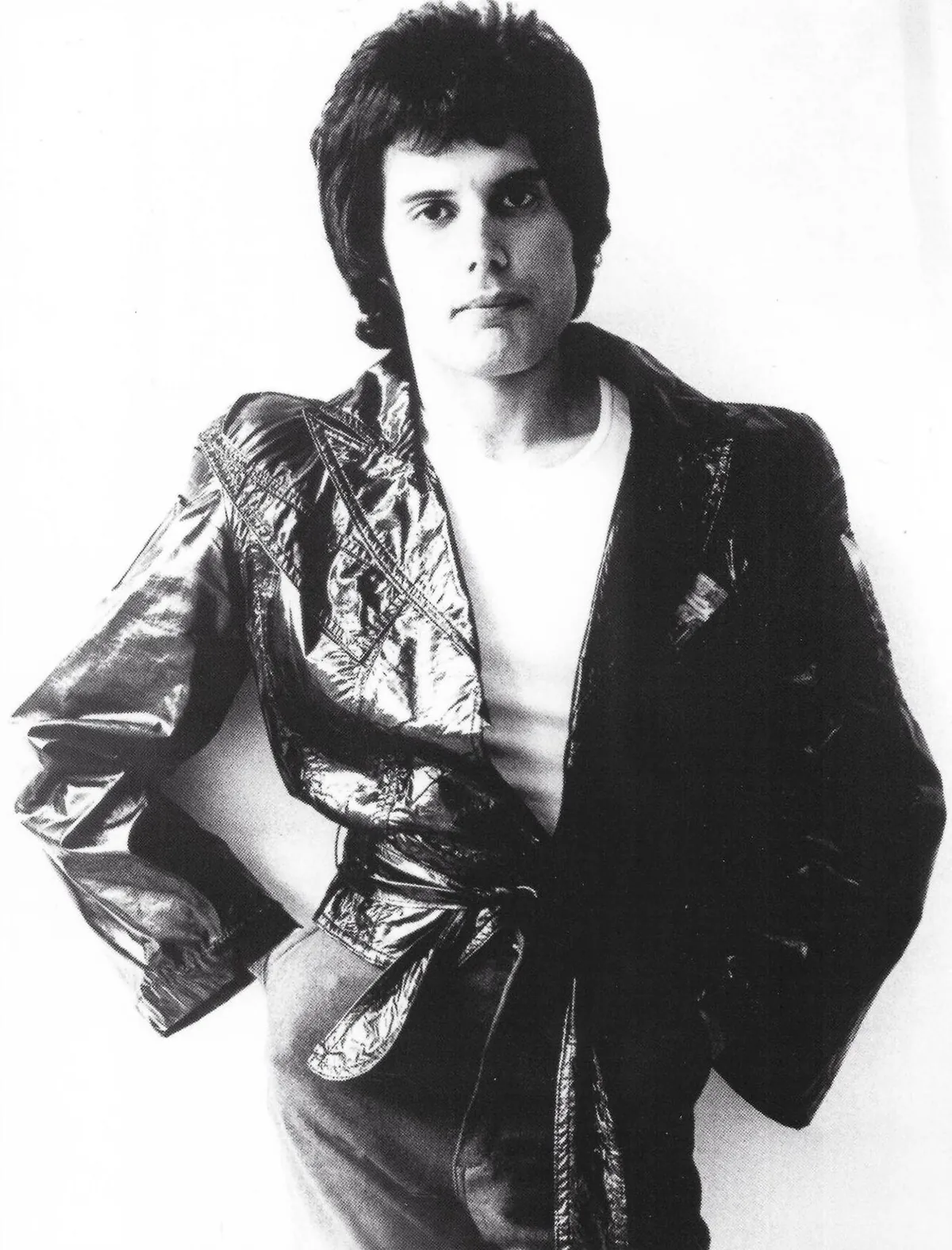
According to Axis Ratio, Freddie Mercury was sanguine-choleric.
What rules is the desire to take part: to be in the middle of things, to entertain and enjoy himself, to live the experience with others. The choleric comes in to serve that participation and gives it strength and competence: talent is the door through which he enters. That is why the shy boy only came forward at the piano, and the man made a point of winning over every audience.
The symbol of the sanguine-choleric is fire: presence gains drive and power, and strength serves to be with others, not to stand above them.
The marks of the sanguine genus
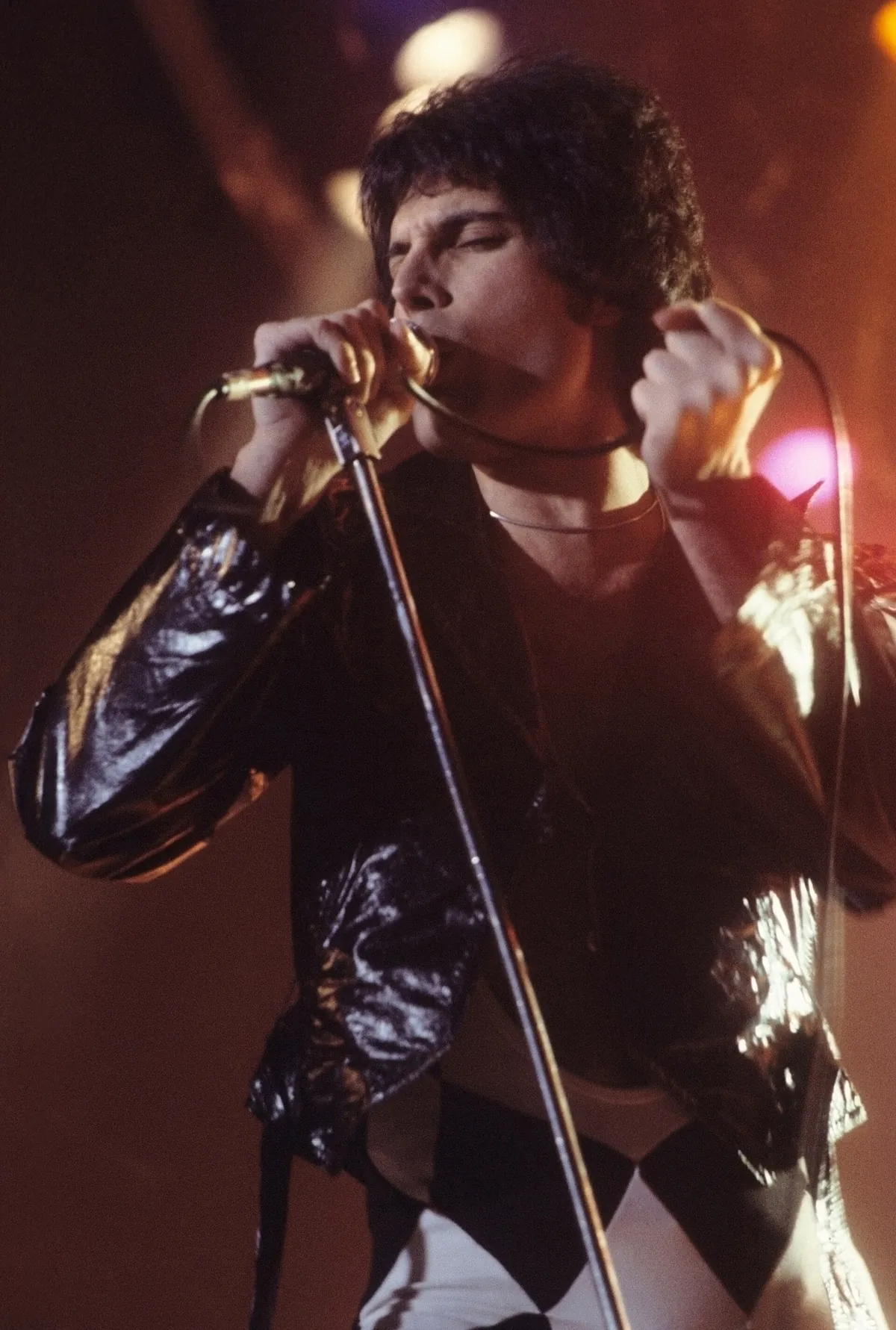
Every sanguine has a natural inclination to take part, and in Freddie Mercury it shows like this:
- Easy humour: he "could find humour in practically any situation", according to Peter Freestone.
- Contagious joy: he started dancing the twist on the beach, and the girls formed a circle to dance with him.
- Pleasure of the moment: in Munich, a friend's call at four in the afternoon would end the recording session.
- A taste for beauty: "Always buy the best, dear," he told his friends, and he filled his house with art and antiques.
The marks of the sanguine-choleric
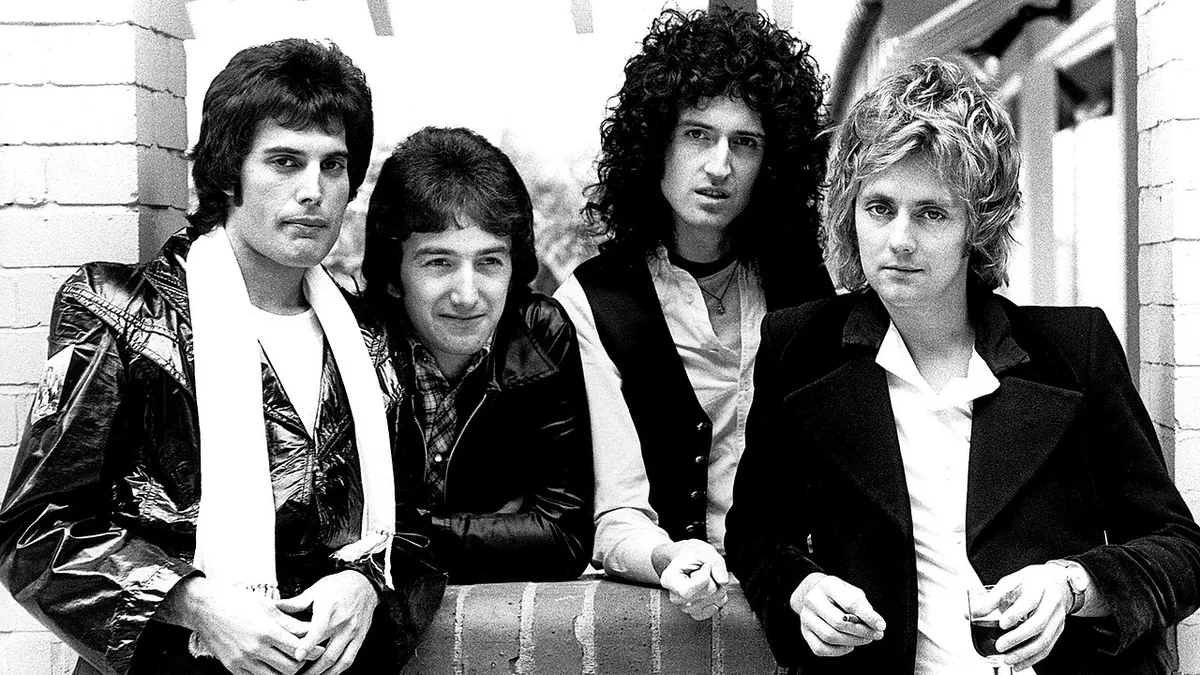
In the sanguine-choleric, the desire to take part gains the strength of someone who wants to offer his own talent. In Freddie Mercury:
- Competing even at play: at Scrabble, the other two in Queen gave up the game.
- Talent that opens the door: shy at school, he became someone else when he started to play.
- An audience to win over: "I have to win people over, otherwise the show hasn't worked."
- The joy of being recognised: when someone he admired recognised his talent, he "was delighted".
The fire did not need a stage
The world remembers the man at Wembley. But Freddie's fire was already in the boy who learned a song by ear to play with his friends, and in the man who, at home, laughed without hiding his teeth.
Freddie's talent was not for keeping people at a distance. It was for getting closer to them. Thirty-five years ago, the world lost the voice. The songs still get crowds singing together.