
What was the temperament of Saint Leo the Great?
He went out to meet Attila, stood up to Constantinople and corrected his own representative, but what reveals his character most is what he did after he had won.
Before he was pope, he already persuaded
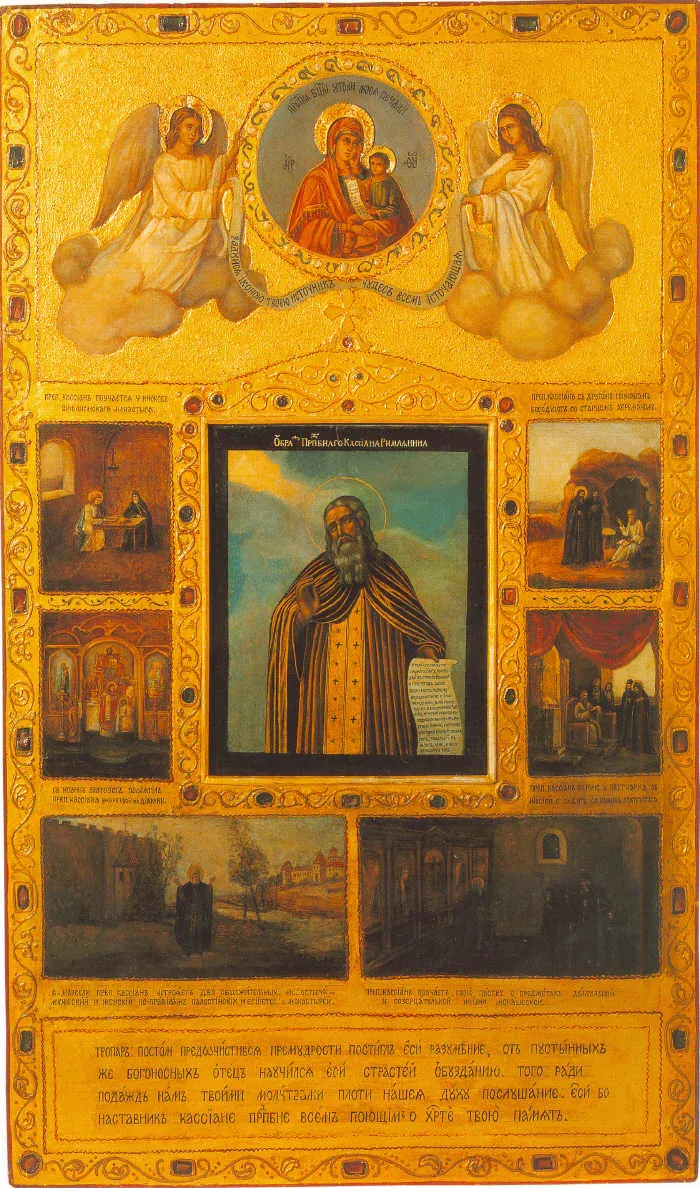
Around 430, Leo was still a deacon in Rome when he asked John Cassian, the great teacher of the monks of Gaul, to write a work on the Incarnation against the error of Nestorius.
Cassian wanted to withdraw and had no plans to write anything else. In the book's preface he says he only agreed because of Leo's affectionate insistence, and that is why the work exists: a deacon with no authority over him saw what the Church was missing and did not rest until he found someone to do it.
While still a deacon, he changed a decision of the pope
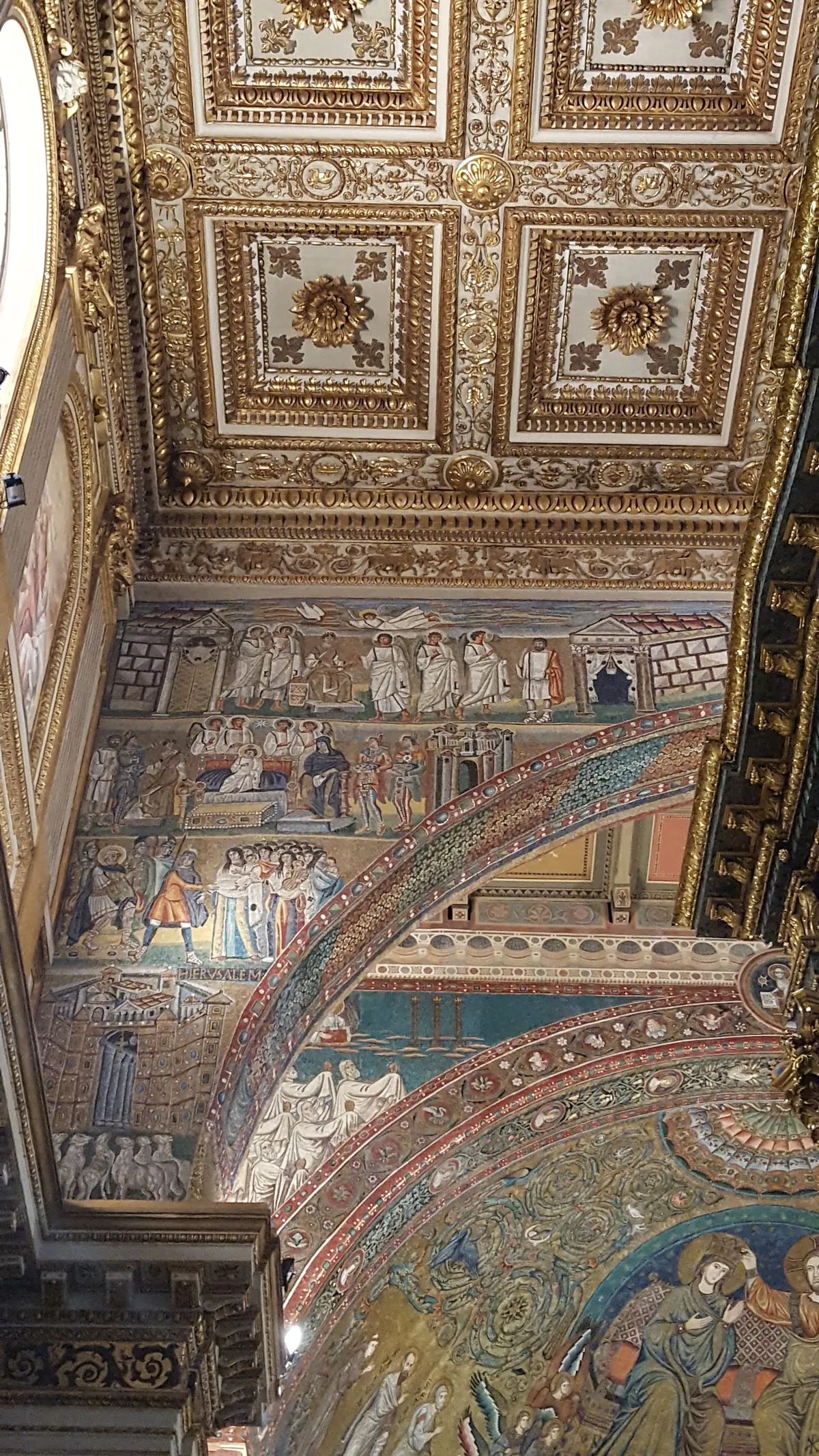
In 439, Julian of Eclanum, the leading defender of Pelagius's ideas, was trying to return to communion with the Church without having given up his errors. Pope Sixtus III refused the request.
According to the chronicler Prosper of Aquitaine, the refusal was due to the intervention of the deacon Leo. The decision belonged to the pope, not to him, but Leo did not wait for someone else to see the danger: he acted first, with the means he had, because he understood that the problem demanded an answer right then.
He was elected pope far from Rome
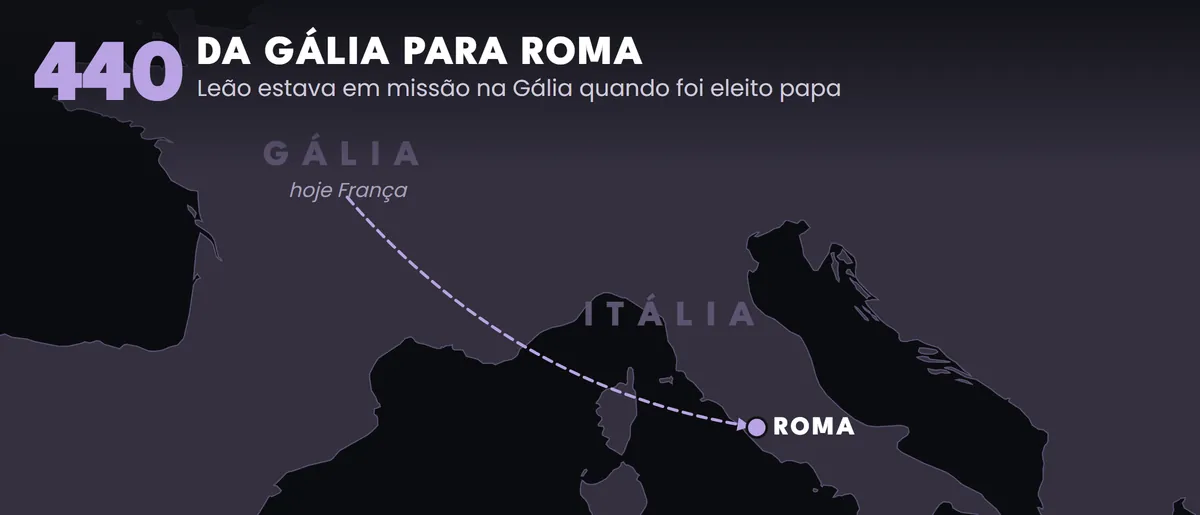
In 440, Leo was in Gaul, charged with reconciling the general Aetius and Albinus, two Roman officials in conflict, on a mission that called for firmness and tact at the same time.
It was there that he received the news: Sixtus III had died, and Rome had chosen him as his successor. He returned and was consecrated on September 29, 440. Rome chose the man who, even without the office, was already being sent to the hardest problems, because his temperament takes on what is arduous before it has the title for it: what moves him is the difficulty to be overcome, not the position.
Two saints on opposite sides
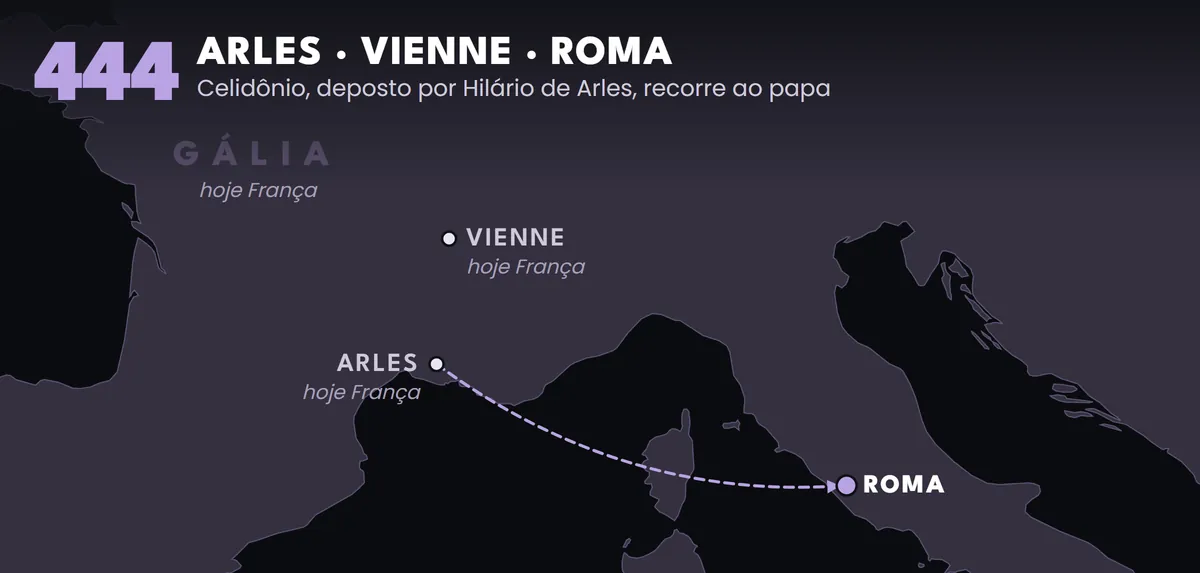
Already pope, in 444, Leo received an appeal from Gaul: Hilary of Arles, today also venerated as a saint, had deposed the bishop Celidonius. Celidonius appealed to Rome, and Leo heard the witnesses and reviewed the sentence.
Years later, when he confirmed Hilary's successor, Leo called him "of holy memory", and when he settled the dispute between Arles and Vienne he divided the sees between the two. The sense of justice of his temperament separates the case from the person: Leo corrected what he judged wrong in the sentence and, later, gave Hilary everything he was owed.
He corrected his own representative
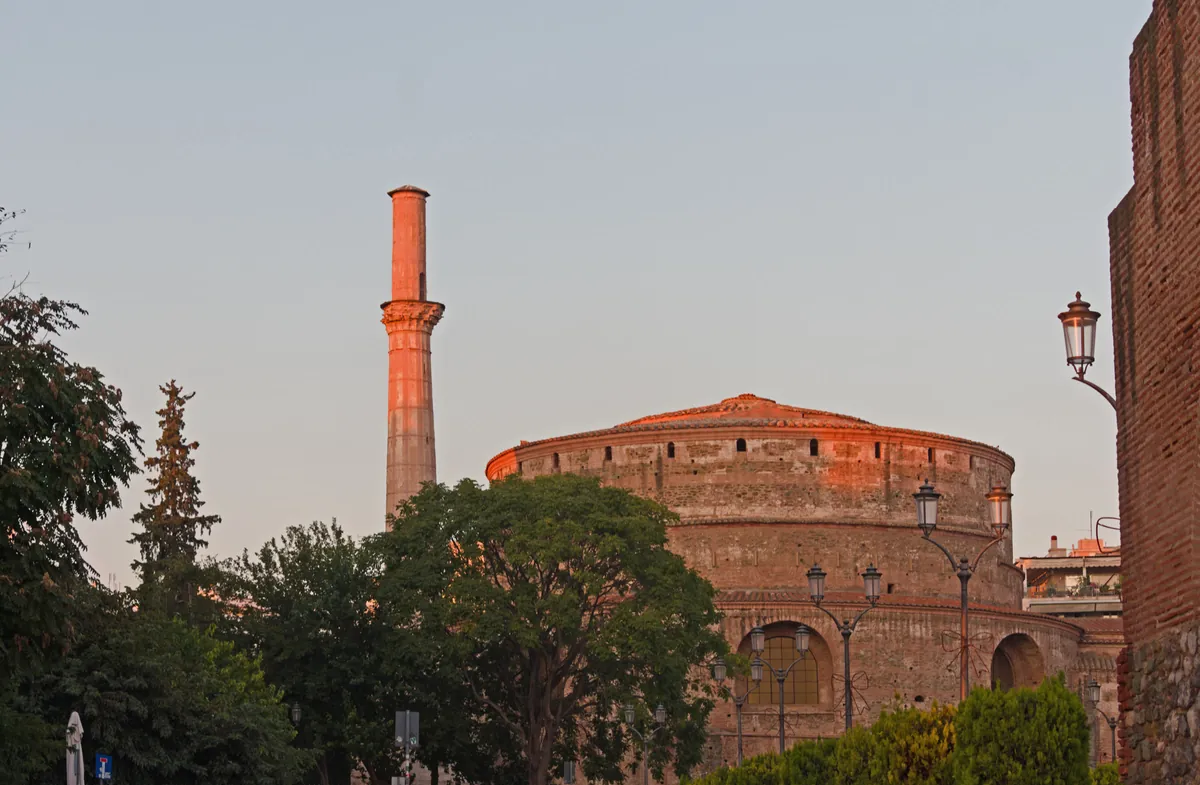
Anastasius, bishop of Thessalonica, represented Leo in the Balkans, which then answered to Rome. He used government agents to force Atticus, an old and sick bishop, to travel in the dead of winter, without any formal charge.
Leo could have protected his man, but he rebuked him in writing and limited what he could do. He also admitted that the abuse touched his own responsibility. In Leo's temperament, the rule applies to his own people too: what was at stake was the right of a sick bishop, not the image of the one who had appointed the offender.
Before taking sides, he asked for the records
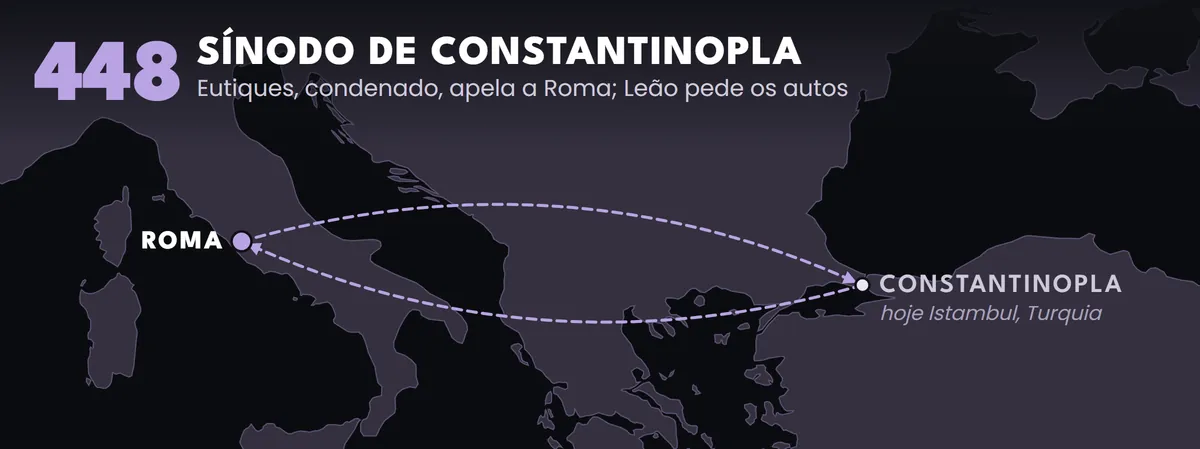
In 448, a synod in Constantinople condemned Eutyches, an influential monk who denied the human nature of Christ. Eutyches wrote to Leo claiming to be the victim of an injustice.
Leo sided with no one before reading the case, and he asked Flavian, the bishop of Constantinople, for the full record of the trial. This is the sense of justice that comes from Leo's temperament: what matters is not what he thinks or what would be better for him, but what is right for everyone involved, and so he needs to know the whole case before acting.
A letter that explained Christ
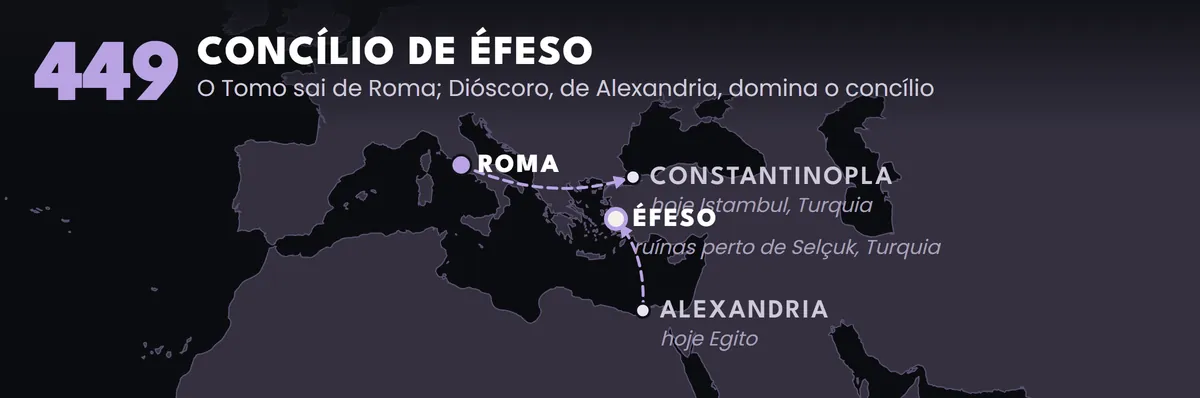
When the records arrived, Leo saw that Eutyches was wrong: to deny that Christ has a human nature like ours is to deny that God truly became man. In June 449, he wrote Flavian a long letter, the Tome, to explain the faith: Christ is fully God and fully man, in one person.
He condemned the error, but asked that Eutyches be received with mercy if he gave it up. Months later, a council in Ephesus, dominated by Dioscorus of Alexandria, did not even read the letter, restored Eutyches and deposed Flavian, who died soon afterwards. Leo called that assembly a "latrocinium", a robbery, and that is how it is remembered to this day.
"Peter has spoken through Leo."
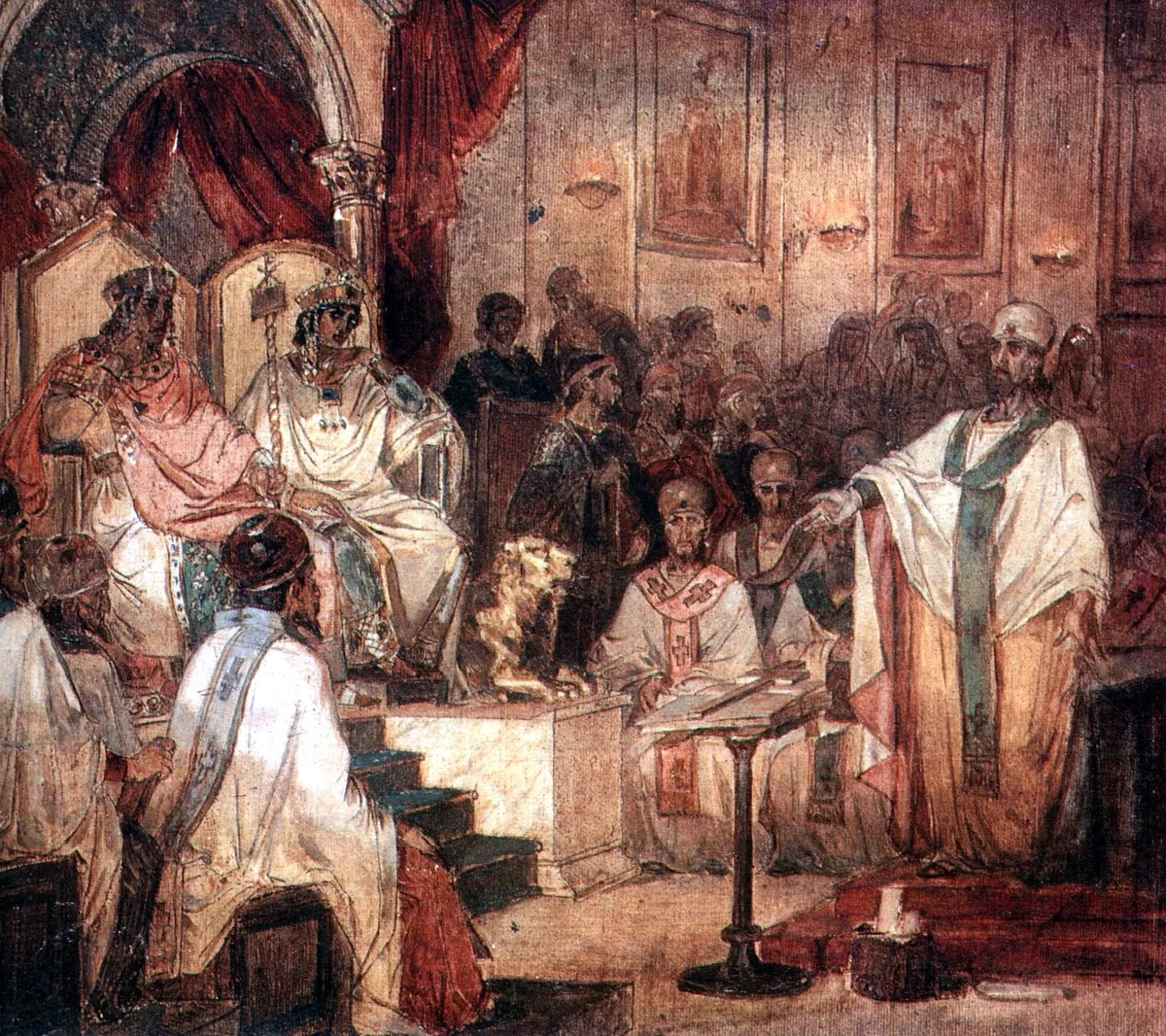
Leo did not let the matter die and asked for a new council. After the death of Emperor Theodosius II, the new rulers, Marcian and Pulcheria, gathered the bishops at Chalcedon, near Constantinople, and there, in 451, the Tome was read before hundreds of them.
When the reading ended, the bishops acclaimed: "Peter has spoken through Leo". The text that Ephesus had scorned two years earlier became a reference for the faith of the Church, and to this day Catholics and Orthodox confess Christ with the words that Chalcedon approved on its basis.
He said yes to the faith and no to power
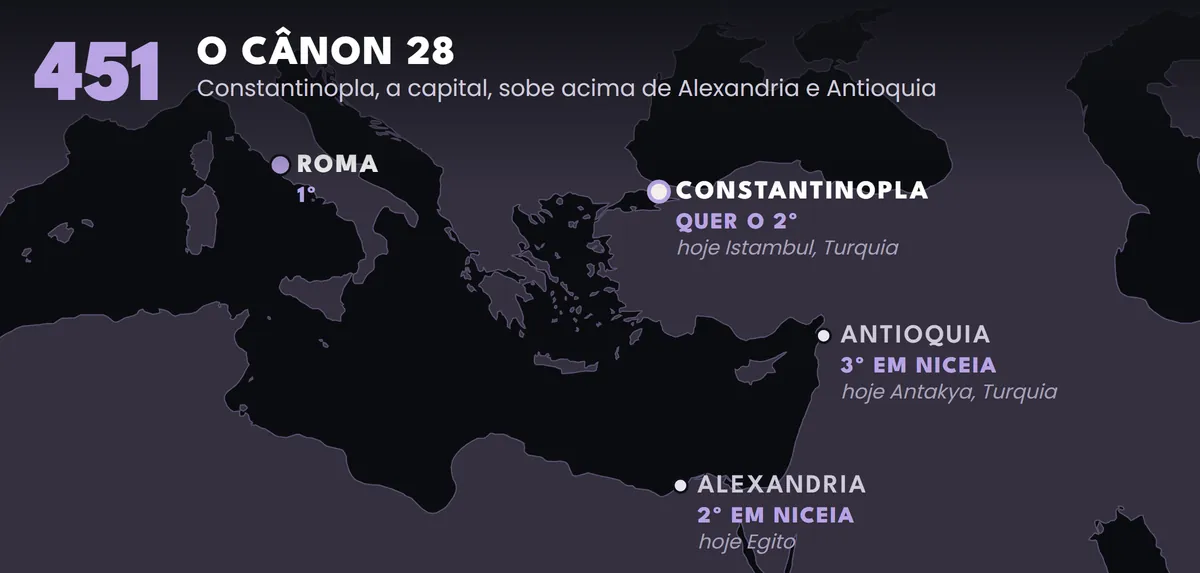
The same council approved a rule, canon 28, which raised Constantinople, the capital of the empire, to second place in the Church, above Alexandria and Antioch.
Leo approved everything Chalcedon defined about the faith and rejected that rule, even against the will of the emperor and the court. He wrote to Marcian, to Pulcheria and to Bishop Anatolius that the order of Nicaea and the rights of the other Churches could not be traded for the political importance of a city, and he did not change his position.
Facing Attila
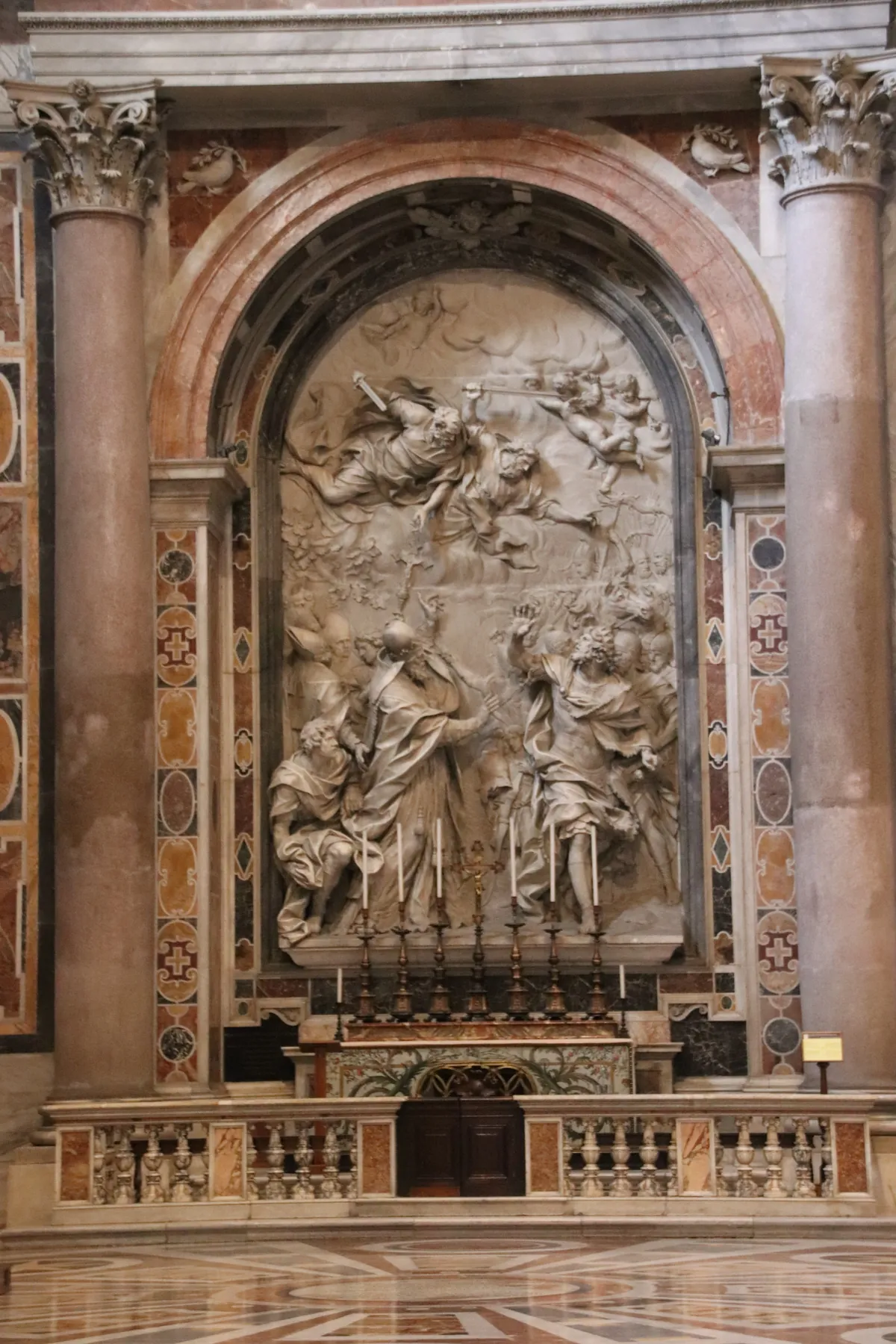
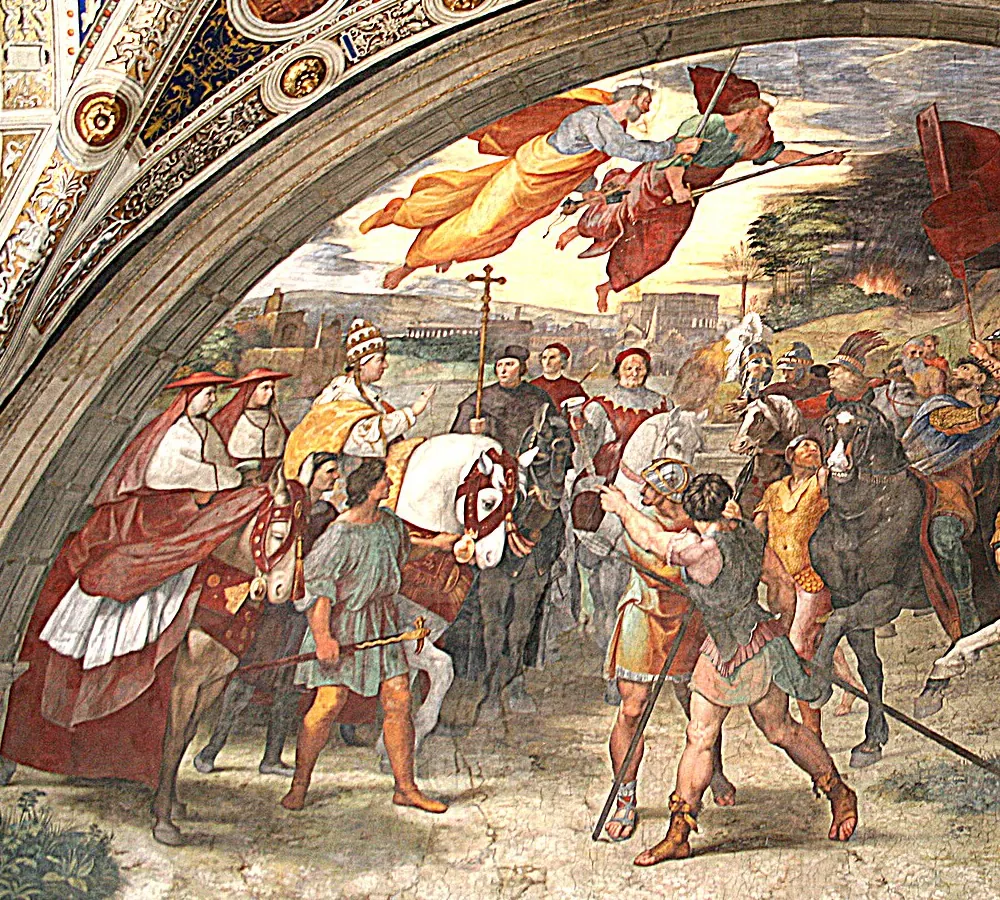
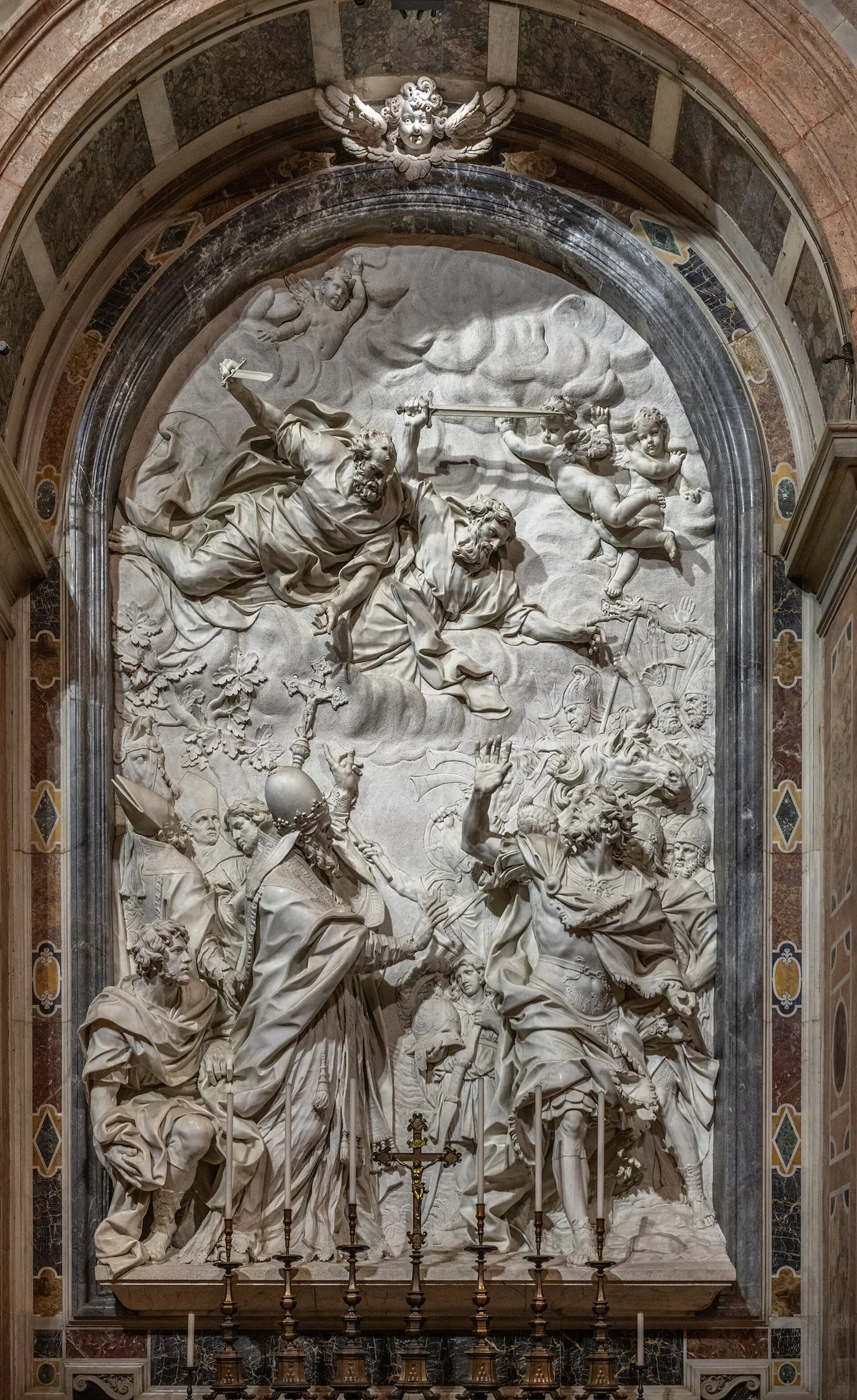
In 452, Attila had already sacked northern Italy and the road to Rome lay open. Leo was one of the three envoys who went out to meet him, near the river Mincio, alongside Avienus and Trygetius, two men of the highest Roman nobility.
After the meeting, Attila withdrew, and the chroniclers also record famine and disease among the Huns. Whatever the weight of each cause, the pope went in person: in his temperament, danger does not repel, it calls, and the greater the difficulty, the more natural it is for him to go first.
Angry, he waited
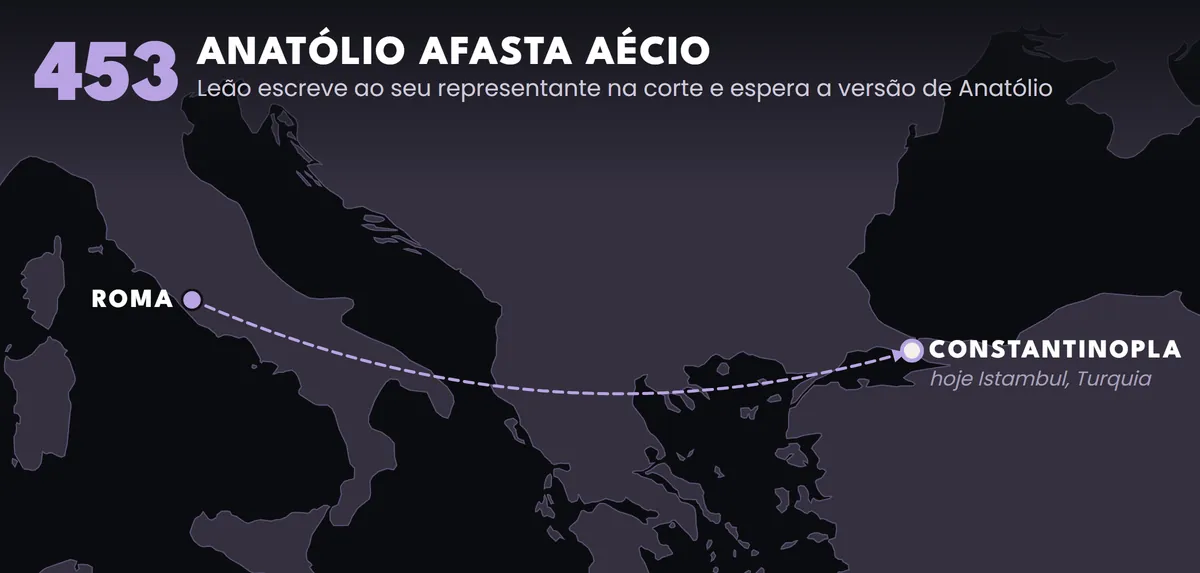
In 453, grave news reached Rome: Anatolius, the bishop of Constantinople who had defended canon 28, removed the archdeacon Aetius from office, one of the men most faithful to the faith of Chalcedon, and put someone else in his place.
Leo wrote to Julian of Cos, his representative at court, that he was angry, and asked the emperor to intervene. But he did not condemn Anatolius without hearing him: he waited for his explanation and gave him time to make amends. The following year, Anatolius gave Aetius back his office, and Leo accepted the correction and considered the matter closed.
After winning, he went back to the text
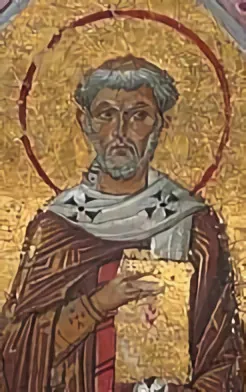
Chalcedon had already approved Leo's teaching, but monks in Palestine remained suspicious. The Greek translations of the Tome made it look as if he split Christ in two, the error of Nestorius.
Leo could have said that the council had already decided. Instead, he wrote a new explanation for them, condemned Nestorius by name and chose his words with care. Then he had a more accurate Greek translation made for Alexandria, and years later he set out the doctrine again for Emperor Leo I, because the victory was won, but the work was not yet done well.
A common Easter

Rome and Alexandria calculated the date of Easter with different tables, and for 455 Rome's gave April 17 and Alexandria's April 24. Leo consulted the East and still found the explanation of the Alexandrian calculation insufficient.
Even so, he accepted April 24 so that the whole Church would celebrate on the same day, and took on the task of announcing the date to the other Churches. In someone with Leo's temperament, high standards serve the work, not one's own opinion: Leo still had doubts about the calculation, but what was right for the whole Church was to celebrate Easter on the same day.
Facing Genseric
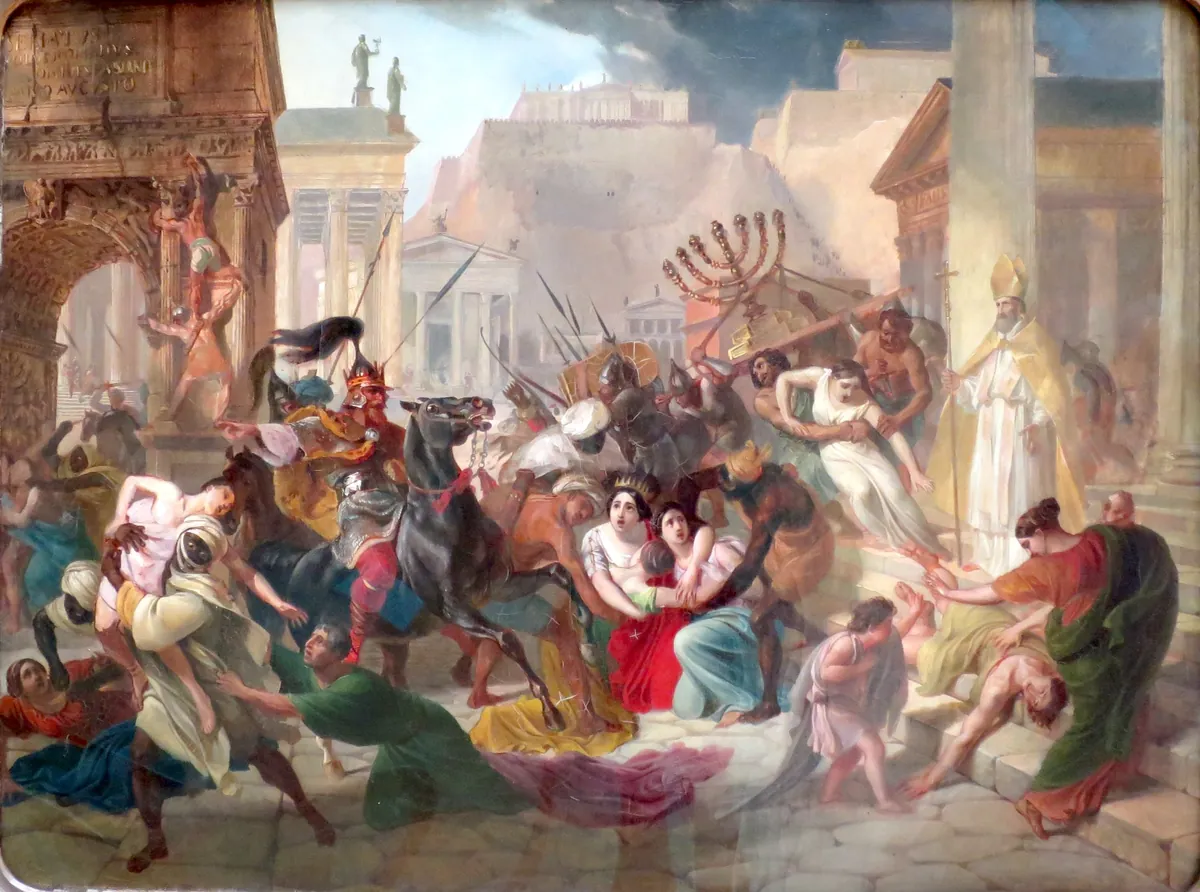
Three years after Attila, in June 455, Genseric's Vandals reached Rome. This time there was no retreat, and Leo once again went out to meet the invader, unarmed, at the gate of the city.
According to Prosper, he obtained that the Vandals would not burn the city, massacre or torture the population. Rome was sacked for two weeks, and many were carried off as captives. Faced with what he cannot prevent, Leo's temperament leads him to act on what is still within reach, and he went to save what could be saved.
He forbade the public reading of sins

In some regions, penitents had to hand in a written list of their sins, which was then read out in front of everyone. In 459, Leo ordered an end to that custom.
He explained that the shame of being exposed drove people away from penance and that a confession made in secret to the priest was enough. Years earlier he had already ordered bishops to reconcile without delay anyone who asked for forgiveness at the point of death. For someone of his temperament, form matters because it is what carries the work to those who need it, and a form that kept sinners away from forgiveness was wrong, however old it was.
Choleric-melancholic
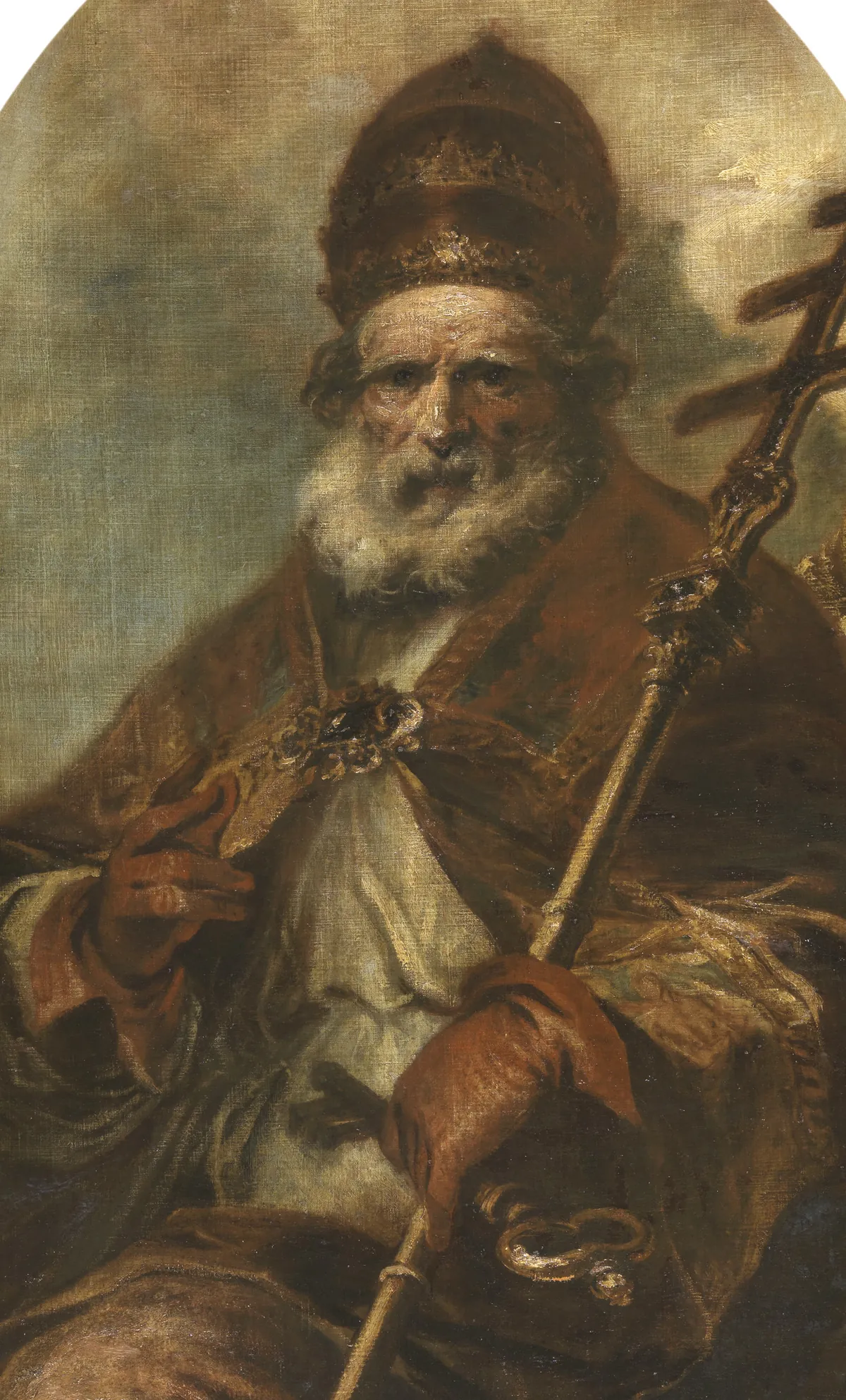
By Axis Ratio, the most coherent reading of the life of Saint Leo the Great is that he was choleric-melancholic.
The choleric force leads: faced with what is difficult, he goes, and he was going before he had the authority to. The melancholic measure serves that force, because winning is not enough, the work must be done well, and that applies even to those who act in his name.
The symbol of the choleric-melancholic is the closed circuit: the energy runs at full force, but within a precise course that comes back to each point until it is right.
The marks of the choleric genus
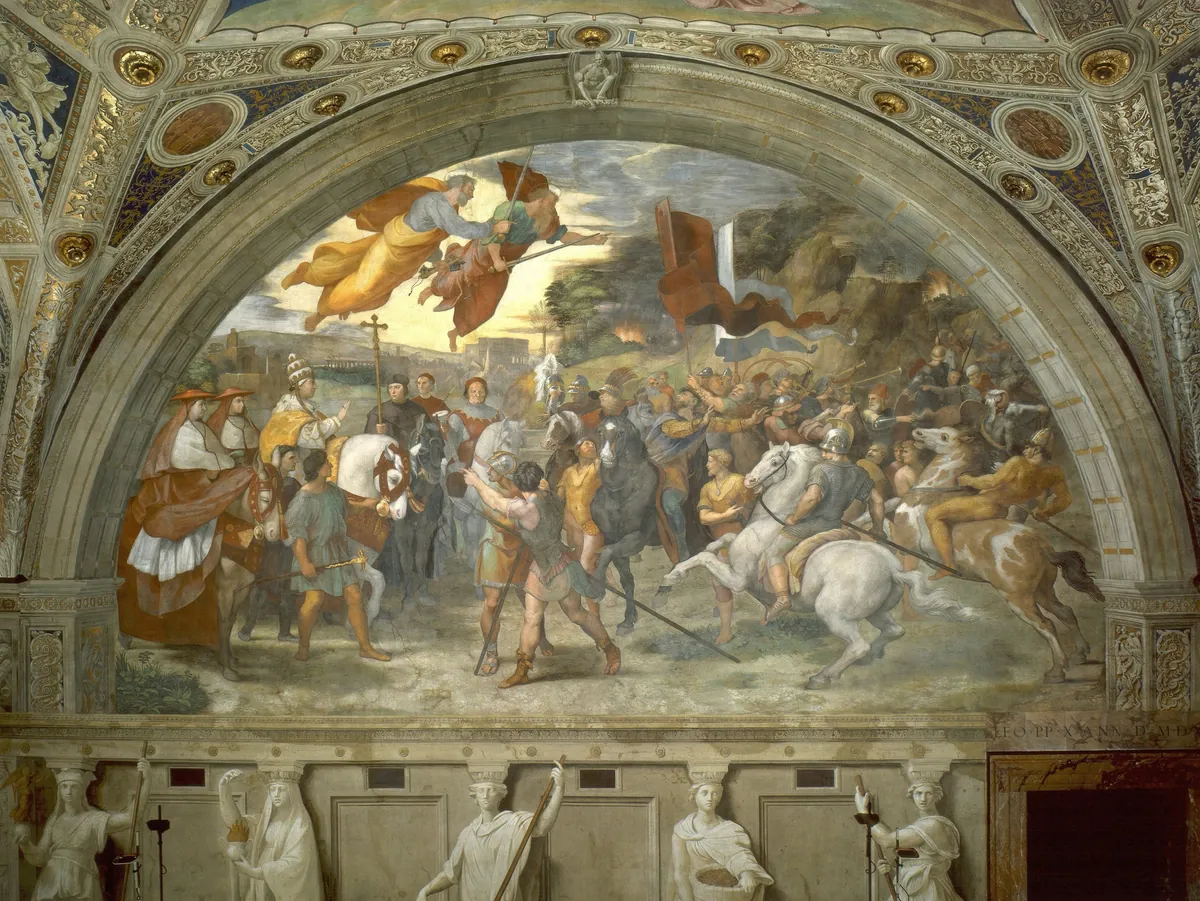
Every choleric has a natural inclination toward what is arduous, and in Saint Leo it shows like this:
- Initiative: while still a deacon, he persuaded Cassian to write and changed a decision of the pope.
- Courage: he went out to meet Attila and, three years later, Genseric.
- Firmness: he rejected canon 28 against the emperor's will and did not back down.
- Leadership: he mobilized bishops, legates and the court to resolve each conflict.
The choleric, then, does not wait for a problem to solve itself, and that is what made a deacon the man Rome called on when things were hard.
The marks of the choleric-melancholic
In the choleric-melancholic, force comes with a standard: doing is not enough, it must be done well. In Saint Leo:
- High standards in execution: after Chalcedon approved the Tome, he went back to the text for the monks who still had doubts.
- Precision: he asked for accurately translated documents and a more faithful Greek translation for Alexandria.
- Sense of justice: he rebuked his own representative for abusing an old bishop.
- Care for form: he changed the way confession was made because the old form drove people away from forgiveness.
That is why, for him, a victory was only complete when the work was well done, and that is why the Church called him the Great.
Christian, recognize your dignity
In a Christmas sermon, Saint Leo wrote the sentence the Catechism still quotes today: "Christian, recognize your dignity". For him, whoever understands that God became man cannot go back to living as before.
He died in 461 and is buried in St. Peter's Basilica in Rome, near the tomb of the apostle. In 1754 he was declared a Doctor of the Church, and his memorial is celebrated on November 10. Saint Leo the Great, pray for us.