
What was the temperament of Cecília Meireles?
She won the Academy's prize and didn't read her speech, watched the police shut down the library she had created for children and, when she gathered a lifetime's work, left out her first three books. What kind of nature is that?

The girl who saw forests in the floor
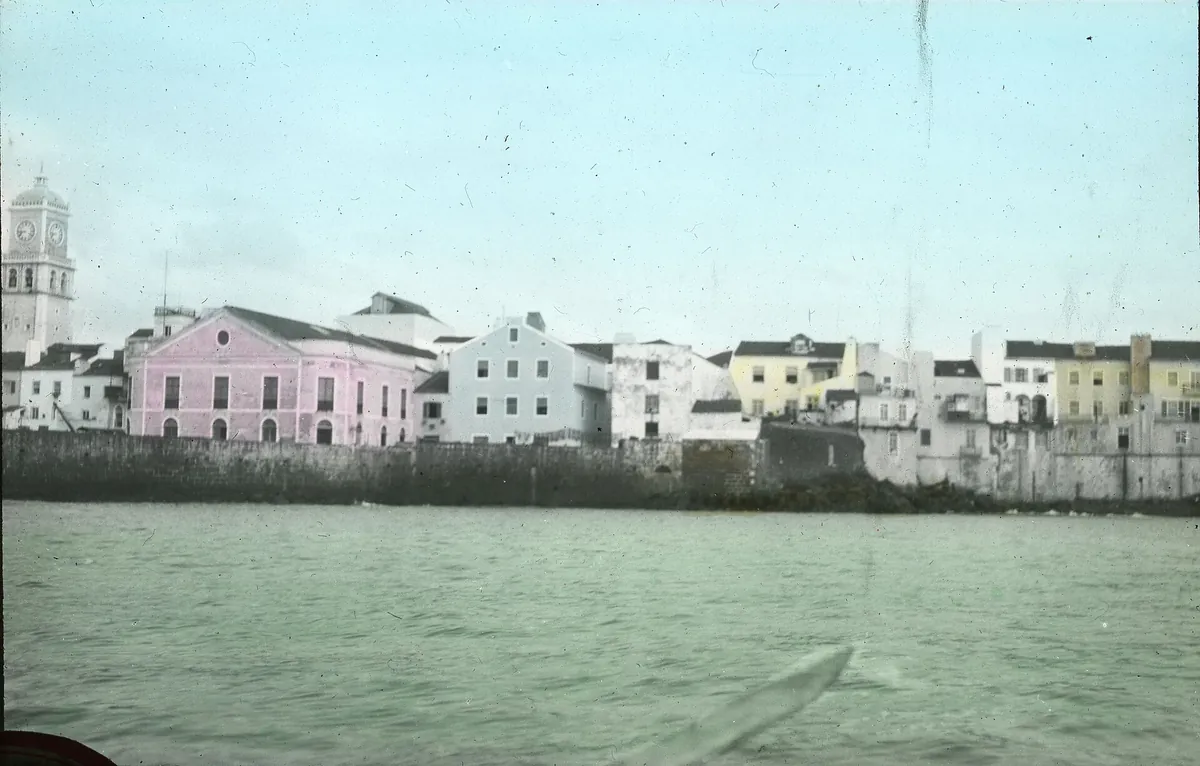
Cecília's father died before she was born, in 1901, and her mother when she was three and a half. She was raised by her grandmother Jacinta, an Azorean woman from the island of São Miguel.
She remembered herself as "a secret girl, quiet, looking a great deal at things." Sitting on a Persian rug, she wandered inside the colors, and in the grain of the wooden floor she saw forests and legends. As an adult, she said that this was how she looked at people: studying their grain, their forests. In Cecília's temperament, what is seen doesn't stay outside: it turns inward until it takes on meaning.
The children turned toward her
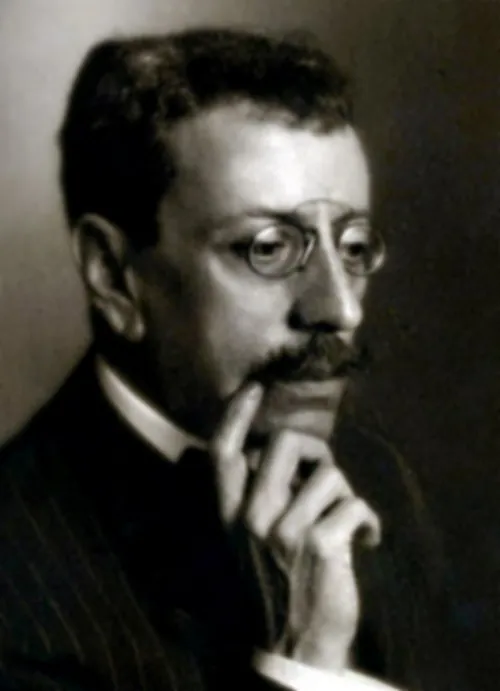
While still a girl, she received a gold medal for primary school from the hands of Olavo Bilac. In 1917, she graduated as a teacher from the Escola Normal in Rio, with distinction.
In her first job, the room held two classes and two teachers, each half facing a different way. When the children saw her, almost as young as they were, nearly all of them turned toward her. The quiet girl liked to teach, and the children noticed. People with her temperament tend to be reserved, but that was never coldness: the attention she gave to things, she also gave to people.
She lost the competition

In 1929, Cecília competed for the chair of Literature at the Escola Normal with the thesis O espírito vitorioso. She defended a school that would form students through observation, experience, and the student's freedom.
The examining board had weighty names, such as Alceu Amoroso Lima, who thought about education differently. She came in second. The following year, she was defending the same ideas every day in a newspaper, because in Cecília's temperament what has been examined and judged right stays right, with a chair or without one.
She traded the classroom for the newspaper

The following year, in 1930, she began to run the Education Page of the Diário de Notícias, with a daily column. In 1932, she signed the Manifesto of the Pioneers of New Education, published on her page.
In a letter to Fernando de Azevedo, she explained the change: inside a school, she felt she would do little; in the newspaper, more people would read and understand. She changed the medium, not the measure. In Cecília's temperament, what matters is that the right idea be understood, and the place she speaks from is only the path to that.
The journalist's irony

In December 1931, Getúlio Vargas gave a speech at the opening of a national education conference and promised, as if it were news, to support the country's education.
In her column, Cecília praised the "speech of charming spontaneity" and recalled that everyone thought the commitment had already been made since the Revolution. About the conference's outcome, she asked whether the reader knew the story of the mountain that gave birth to a little mouse. That was how she pointed out the distance between what was promised and what was done: with an irony so fine that the praise was itself the criticism.
A library that was more than a library

In 1934, at Anísio Teixeira's invitation, Cecília organized the children's library of the Moorish Pavilion, in Botafogo, Rio. She soon asked that its name be changed to Children's Culture Center, because "library" said too little about what the place was.
There were books, movies, music, maps, games, and story time, and by 1937 there were about 1,500 regular readers. Not even being widowed, in 1935, took her away from it. The name had to correspond to the thing, because, in Cecília's temperament, calling each thing by its name is already a form of justice.
Shut down because of Tom Sawyer

In October 1937, already under the Estado Novo, the government of the Federal District raided the Center and shut it down. The alleged reason was a book in the collection: The Adventures of Tom Sawyer, by Mark Twain, which supposedly had "communist connotations."
Cecília answered with an official letter, citing facts anyone could check: the book had come from the government's own distribution system for libraries, and it was a classic read in the United States and even in Fascist Italy. No one replied, and the Center never reopened. For someone of her temperament, injustice begins when fact is swapped for suspicion, and so she left the fact on record.
She asked for Mário's poems
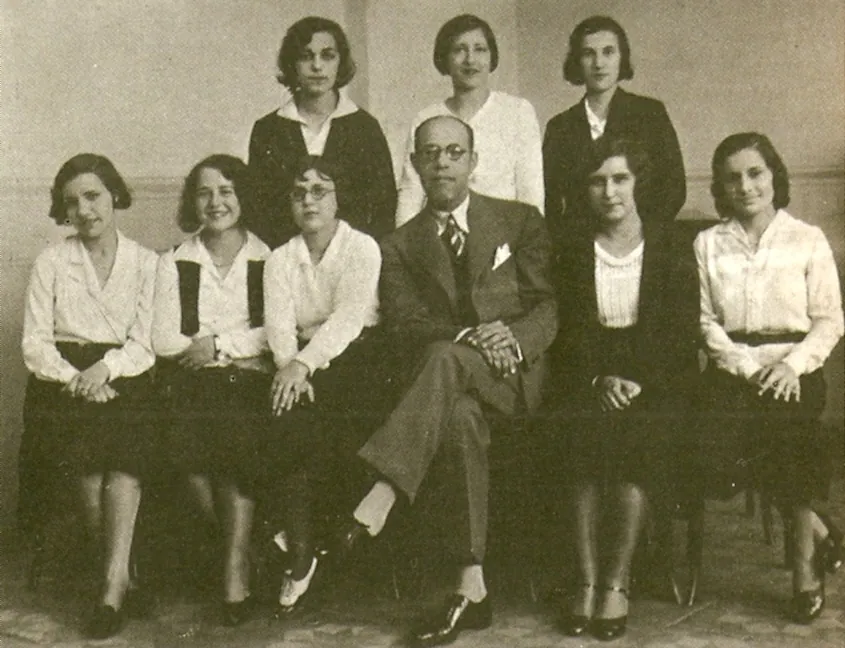
In 1935, a Portuguese publisher wanted to publish unpublished poems by Mário de Andrade, and it was Cecília who wrote to him to ask for them. The two had never corresponded.
The conversation went on by letter, and years later it was she who invited him to write about Brazilian culture for the magazine Travel in Brazil, which she edited. The yardstick she used for her own work also served to recognize the work of others, and someone with Cecília's temperament feels the same pleasure at seeing a work well made, whether it is hers or someone else's.
The prize was to pay a debt

In November 1937, Cecília wrote to her friend Maria Valupi that she was going to enter her verses for the Brazilian Academy of Letters' poetry prize. In the letter, she was direct: she wanted the money to pay a debt.
The book was Viagem. The rapporteur, Cassiano Ricardo, proposed that it be the first and only winner. One academician asked for more time to review it, another voted against, and the dispute ended up in the newspapers. In 1938, the prize came through. And she didn't need to pretend the reason was something else, because, for someone of her temperament, honesty begins by calling one's own motive by its name.
The speech she didn't read
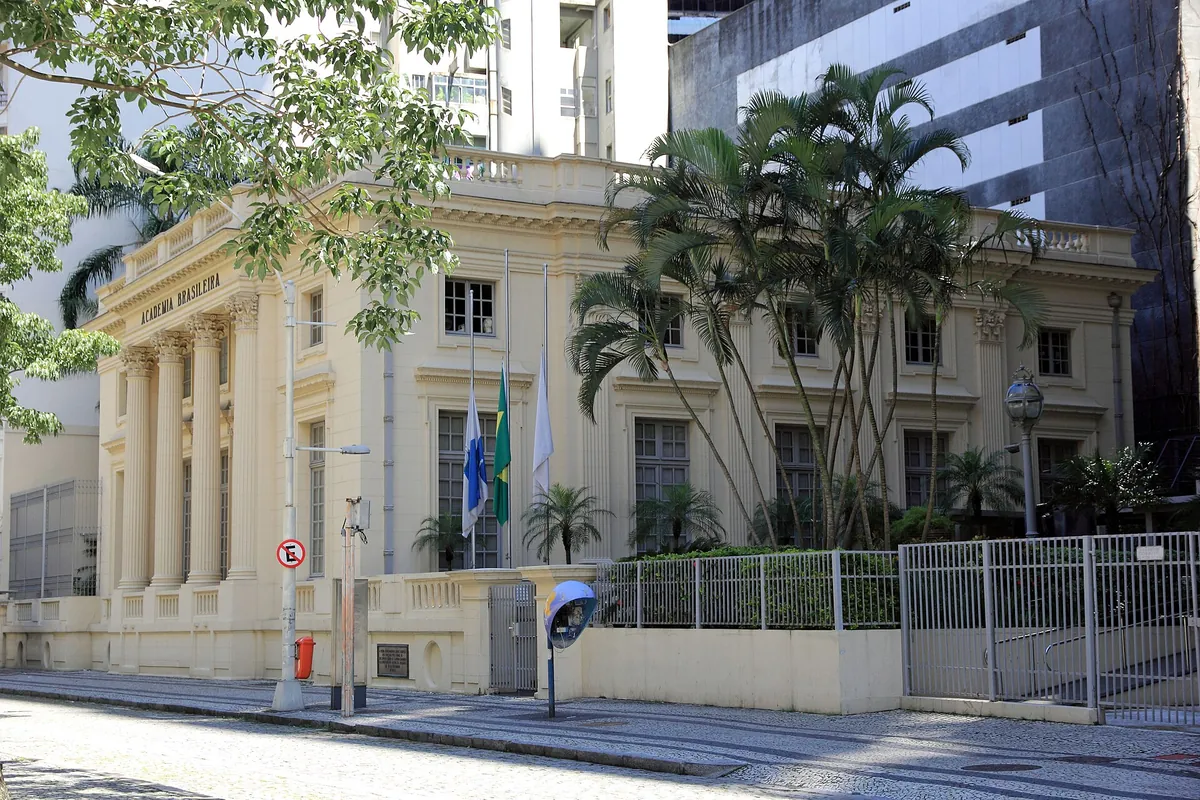
The prizewinners chose Cecília to speak for them at the ceremony. The Academy asked for cuts to the speech, and at first she was willing to give in "to keep things simple."
Then came more cuts, from Oswaldo Orico, who wasn't even on the committee and had lost the prize to her. Then she understood: "It seems the Academy wanted me to speak in its name. But I meant to speak in the name of the prizewinners." There was no agreement, and she didn't read the speech. In Cecília's temperament, a text that no longer corresponds to what it should be is no longer good for anything, not even at the most important podium in the country.
What an academy should be
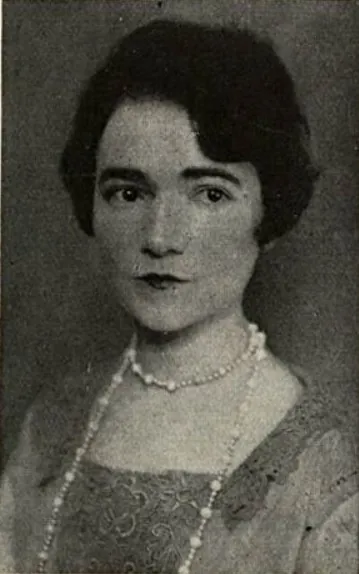
In 1945, the poet Henriqueta Lisboa had the chance to join an academy, and Cecília gave her opinion in a letter to her friend. She thought it a good idea, but on one condition: the institution had to truly work for literature.
In the same letter, she criticized the formalism and inertia she saw in the Brazilian Academy. She didn't despise academies: she measured each one by the purpose it existed for, not by the prestige it gave. That is how someone of her temperament judges an institution: asking what it should be and seeing whether it is.
She studied German to read Goethe

In 1940, Cecília went to teach Brazilian literature and culture at the University of Texas. She later traveled through Europe and Asia, and in 1953 she received an honorary doctorate in India.
The wish to read Goethe in the original led her to study German. She explained that she didn't study languages in order to speak them, but "to better penetrate the soul of peoples." For someone with Cecília's temperament, understanding is already a reward: she needed neither a diploma nor an audience to study; it was enough to come closer to what things are.
A procession of ghosts
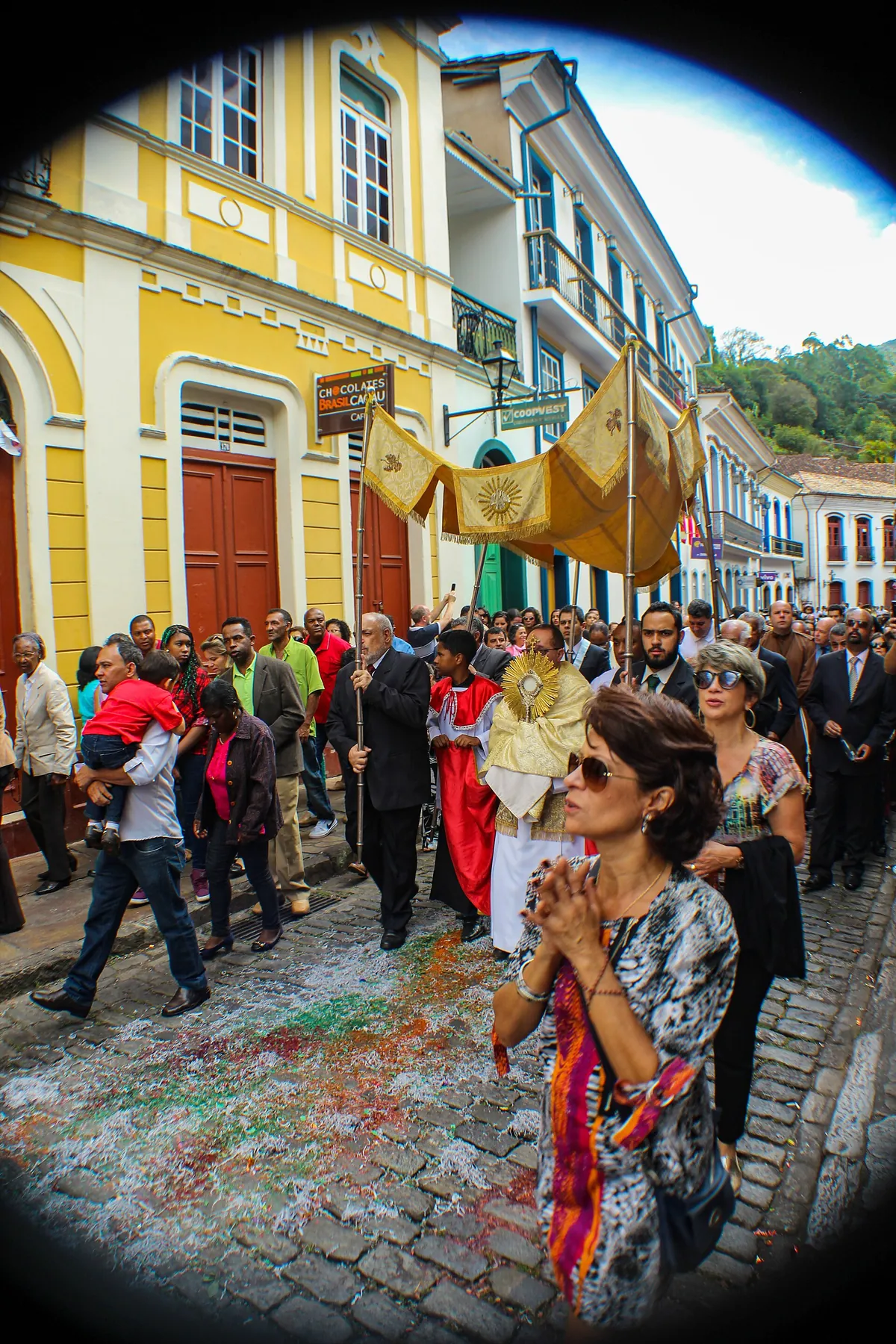
Around 1940, Cecília went to Ouro Preto to describe Holy Week for a newspaper. As she watched the procession, she began to see another one.
"In the procession of the living walked a procession of ghosts": the men of the Inconfidência, in their last Holy Week, that of 1789. From this came the Romanceiro da Inconfidência, of 1953. In a letter, she feared that telling that story badly would do the characters a fresh injustice. In Cecília's temperament, even the dead have the right to be portrayed as they were.
Three books were left out
Before Viagem, Cecília had already published three books of poetry: Espectros, from 1919, Nunca mais… e Poema dos poemas, from 1923, and Baladas para El-Rei, from 1925.
In 1958, when she gathered her Obra poética, she decided the work would begin with Viagem, and the first three were left out. She didn't deny having written them: she simply judged that they weren't up to what she wanted to present. Someone with Cecília's temperament measures her own work with the same yardstick she uses for others' work, and sometimes with an even harsher one.
A poem travels without being written

In 1964, an illness confined her for five months. Her husband, Heitor Grillo, "never left her side." In an interview with Pedro Bloch, she confessed that she kept counting how many poems she was failing to write.
And she added: "But I have also learned to give up doing when it is necessary." She explained that sometimes a poem traveled with her for a long time without being written, and that she wanted to accomplish things for someone's benefit, not in order to be the author. This is the maturity of her temperament: the same measure that demanded so much of the work also learned to recognize the limit.
Pure melancholic

According to Axis Ratio, Cecília Meireles's temperament was pure melancholic.
What governed her life was measure: perceiving whether a thing corresponds to what it ought to be. The library's name, the prizewinners' speech, the academy that works for literature, the Inconfidentes told rightly, the books that deserved to open the work. And, in the pure melancholic, seeing what is right is already enough. She fought, led, and stood her ground, but she didn't need to win to be right.
The symbol of the pure melancholic is ice: water that stays still until it becomes clear, and in which every shape appears exactly as it is.
The marks of the melancholic genus

Every melancholic has a natural inclination toward measure, and in Cecília it shows up like this:
- Inner life: what she sees, she works through inside. In the grain of the floorboards, the girl saw forests and legends.
- Sense of measure: the name has to correspond to the thing. "Library" said too little, and she asked for Children's Culture Center.
- Love of study: she learned German just to read Goethe in the original.
- Sense of justice: she defended Tom Sawyer with facts and feared doing injustice to the Inconfidentes.
The melancholic, then, isn't satisfied with appearances: she needs to know whether a thing is what it claims to be.
The marks of the pure melancholic
In the pure melancholic, seeing what is right is enough to order a life. In Cecília:
- Shyness: "a secret girl, quiet, looking a great deal at things," as she described herself.
- Self-criticism: she left her first three books out of the Obra poética.
- She doesn't need to win to be right: she gave up the Academy's podium so as not to speak in the name of those she shouldn't.
- Fine irony: she praised Getúlio's "charming spontaneity" to expose a belated promise.
That is why the best Cecília is the one who learned to renounce without giving up: the measure remained whole, and so did the work.
"Life is only possible reinvented."
In 1964, the first copies of Ou isto ou aquilo arrived at the house. Cecília, already ill, asked her granddaughter Fernanda to fetch one from the study. She read her the whole book, in the order she chose "for me to hear that day," and a tear fell on the dedication page.
Cecília Meireles died on November 9, 1964, in Rio de Janeiro.