
What was the temperament of Fyodor Dostoevsky?
He defended a boy against his classmates, asked for a job for the man who was going to marry the woman he loved, burned a nearly finished novel and quarreled with his wife over a sunset. What kind of nature is that?
He ran to fetch water

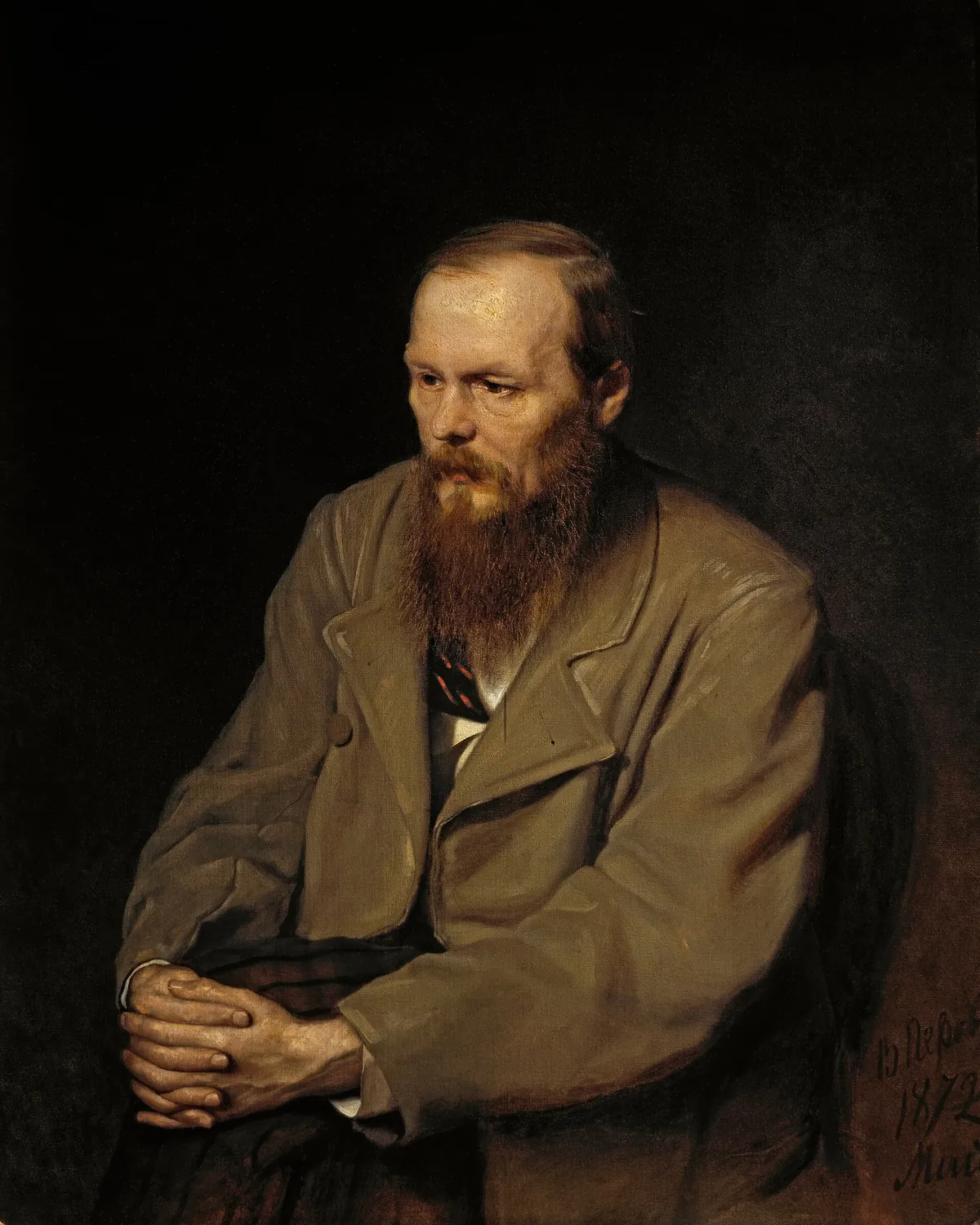
Fyodor Dostoevsky was born in Moscow on November 11, 1821, the son of a stern doctor. He spent the summers of his childhood at Darovoye, the family's small country estate.
His brother Andrei remembered a scene from there: a peasant woman wanted to give her son a drink, and Fyodor ran all the way to the village to fetch water for her. No one had asked him for anything. In Dostoevsky's temperament, another person's need is not left to be thought about later: he sees what is missing and is already on his way.
At boarding school, he defended the younger boy
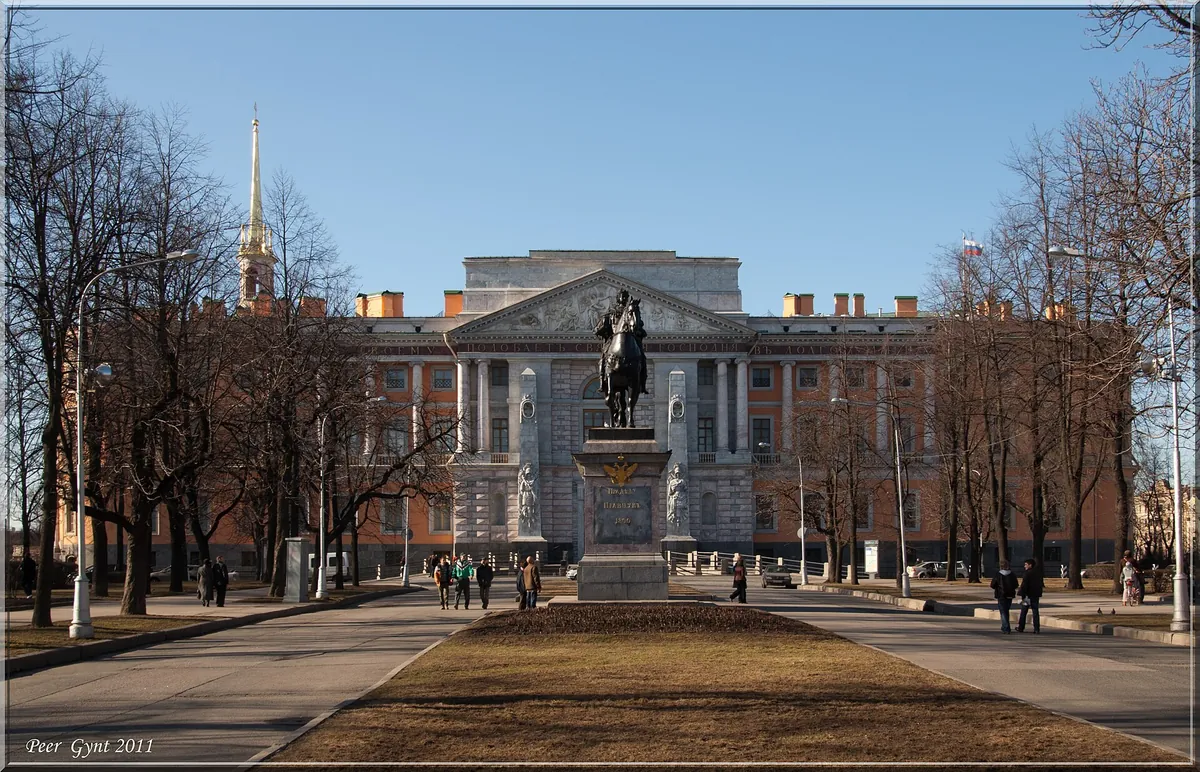
A younger pupil at the Moscow boarding school recounted, years later, that a group of classmates was mocking him until Fyodor appeared and scattered them all. And he did not stop there: he kept visiting him and helping him during breaks.
At the School of Engineering in Saint Petersburg, a classmate remembered that he and his friend Ivan Berezhetsky tried to stop the mistreatment of staff and teachers. They held no position that entitled them to do so. That is the way of his temperament: faced with an injustice against someone who cannot defend himself, he does not wait for authority, he joins the fight.
Offended, he helped his brother

At home, his father was always reproaching Fyodor for the impetuous way he defended his own opinions.
In May 1839, he told his father that he had been deeply offended by a letter from his brother Mikhail. In the same letter, he suggested a way for Mikhail to get into the School of Engineering. In Dostoevsky's temperament, the reaction is quick and strong, but it does not erase the bond: he gets annoyed with his brother and, on the same sheet of paper, works for him.
Success came, and so did the provocations
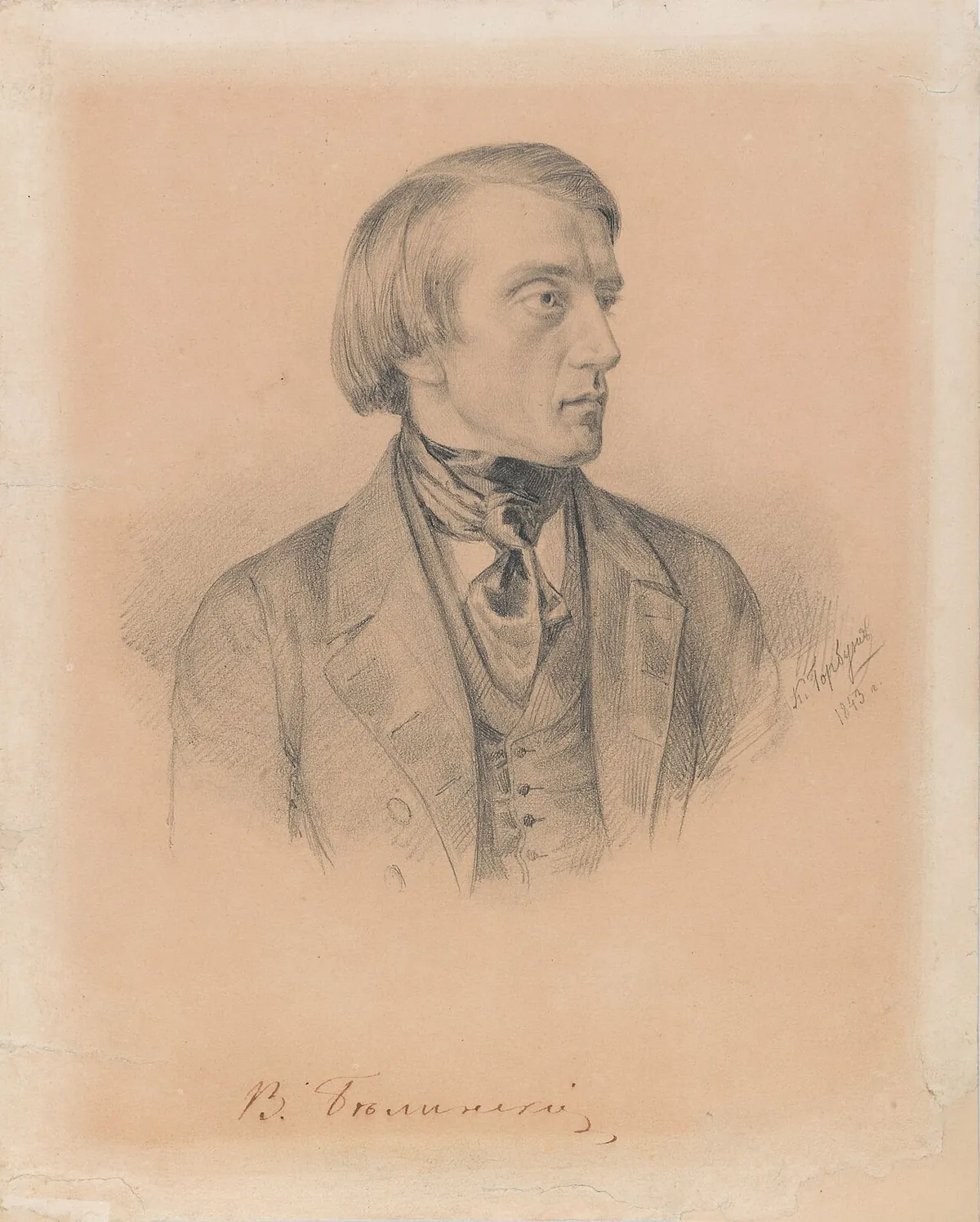
In 1846, his first novel, Poor Folk, made him the new name in Russian literature. The critic Belinsky welcomed him as a revelation, and the young engineer began to frequent the circle of the most famous writers in Saint Petersburg.
Avdotya Panaeva, who saw him at those gatherings, recalled that on his first visit he was flustered and barely spoke. Later, once at ease, he answered sharply, and Turgenev and others provoked him on purpose. Someone with Dostoevsky's temperament does not swallow a provocation: the reply comes at once, even when keeping quiet would be wiser.
Before the firing squad

In 1849, Dostoevsky was arrested for attending a circle that discussed ideas banned by the tsar. On December 22, he was taken to Semyonovsky Square to be shot.
At the last moment, the tsar's order arrived: hard labor in Siberia. That same day, he wrote to his brother: "Life is a gift, life is happiness." And he spoke of the work he still hoped to do. In his temperament, not even the firing squad put out the strength: it turned at once to what remained to be done.
Four years in Siberia

On the way to prison, the wives of former exiled revolutionaries gave him a New Testament, the only book allowed. He kept it until his death.
There were four years of hard labor in Omsk and, after that, years as a soldier in what is now Kazakhstan. There, Baron Wrangel became his friend and recalled that Dostoevsky gladly tended the garden of the house they shared. For someone with his temperament, even exile becomes a task: he cultivated whatever was within reach of his hands.
He asked for a job for his rival
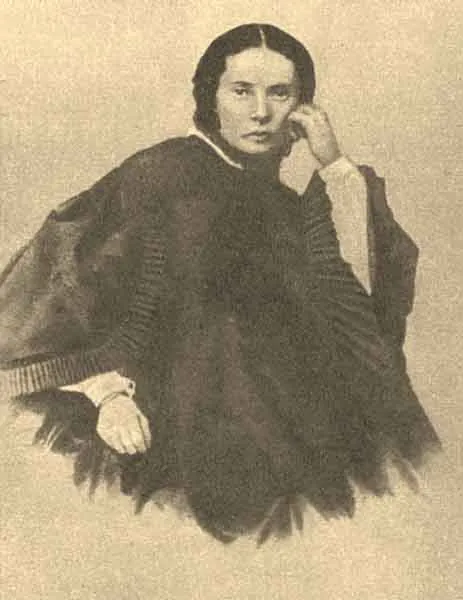
In Siberia, Dostoevsky fell in love with Maria Isaeva, a widow with a young son. In 1856, he found out that she cared for someone else, the teacher Vergunov.
He tried to persuade her to give him up. But he also asked Wrangel for a better post for Vergunov, in case she married him, so that Maria would have something to live on. In the end, she married Dostoevsky. In his temperament, jealousy does not paralyze the hand: faced with the problem of someone he loves, he looks for a concrete solution, even one that favors his rival.
He took on his brother's debts

In 1864, Dostoevsky lost his wife and his brother Mikhail. His brother left behind a family and a magazine full of debts.
He could have supported his nephews and nieces by writing novels. He chose the harder road: to save the magazine and hand it to the family as an income. He failed, later admitted the other road was better, and even pawned his watch to pay those debts. For someone of his temperament, difficulty does not push him away, it calls him: he takes the burden on himself and only afterward measures the road.
He burned the nearly finished novel
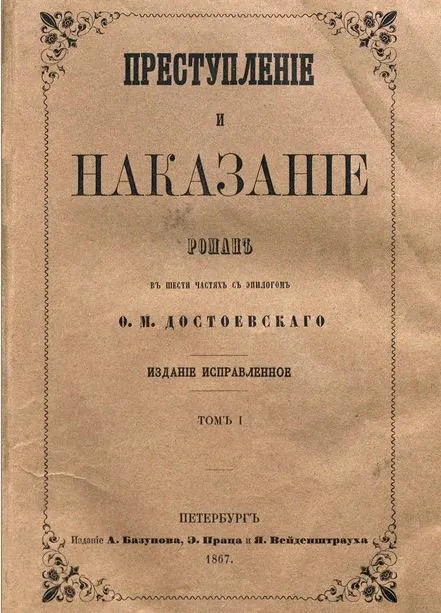
At the end of 1865, with creditors at the door and an advance already spent, Dostoevsky had a good part of a new novel written. He had to deliver.
In November, he burned what he had done and started again, with a different form and a different plan. The short story he had imagined became a novel in six parts: Crime and Punishment, published in 1866. That is what demand looks like in Dostoevsky's temperament: delivering is not enough, the work has to turn out the way it should, and so he paid the price of starting over when he could already have finished.
A novel in twenty-six days
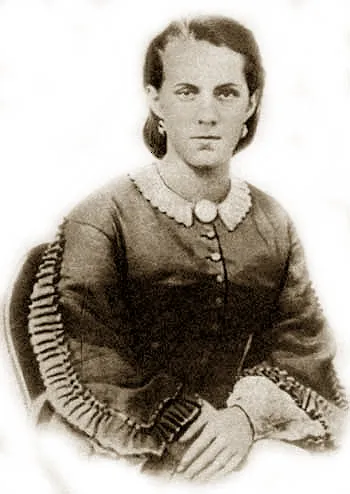
In 1866, Dostoevsky signed a dangerous contract: if he did not deliver a new novel by November 1, he would lose the rights to his own books for nine years. In October, he had nothing written.
He hired a twenty-year-old stenographer, Anna Snitkina, and dictated The Gambler in twenty-six days. When the publisher disappeared on the due date, they registered the manuscript at a police station. In his temperament, an impossible deadline does not lead to giving up: it leads to looking for a way, and he found one.
They quarreled over a sunset

In February 1867, Dostoevsky married Anna. To escape his creditors, they went to live in Europe, and stayed away for four years.
In Dresden, Anna kept a diary. In it she noted arguments that began over almost nothing, one of them about a sunset. And she also noted how they ended: by the end of the day, conversation and affection returned. Illness, lack of money and life far from Russia weighed on them. But the pattern belongs to his temperament: annoyance comes out at once, with no detours, and passes almost as quickly as it came.
The quarrel with Turgenev

In 1867, in Baden-Baden, Dostoevsky visited Turgenev. He already disliked him, and their conversation about Russia ended in an argument. He told the whole story, angrily, in a letter to a friend.
The hostility lasted for years. In 1880, after Dostoevsky's speech in honor of Pushkin, it was Turgenev who embraced him, and he recorded the gesture with enthusiasm. Someone with his temperament does not hide disagreement, he says it to your face, but he also knows how to accept the embrace when it comes.
In 1871, he stopped gambling
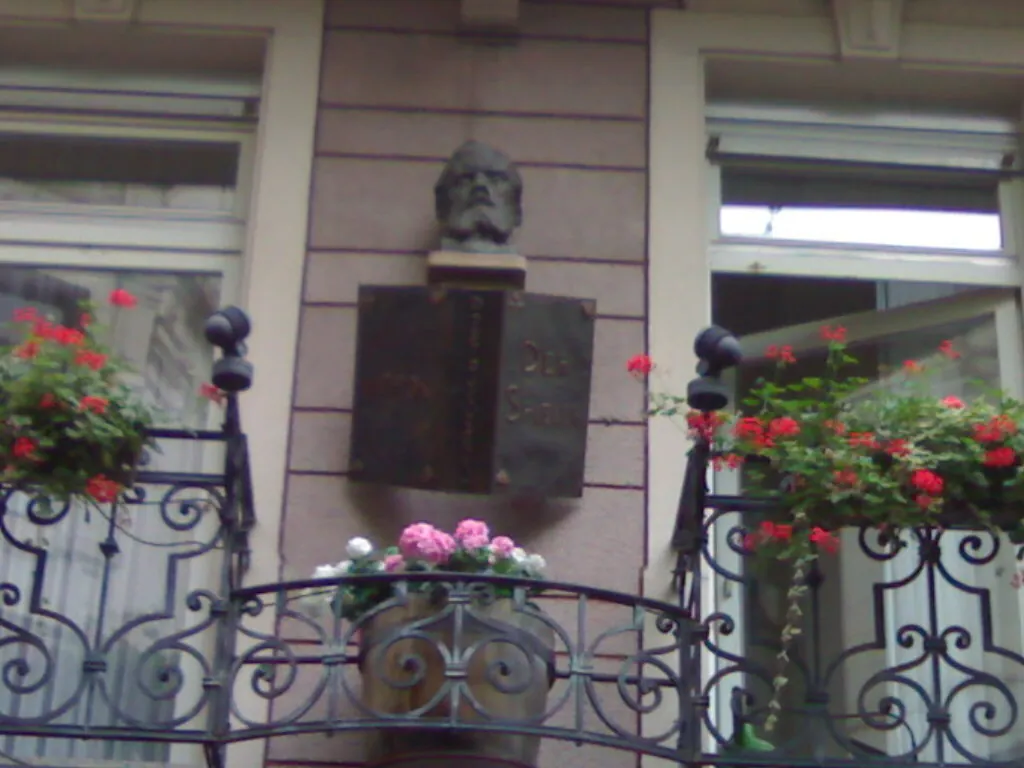
Gambling was his great ruin in Europe. In 1867, with no reply from Anna, he imagined she was ill, went to the roulette table and lost. Later, going back over the mail times, he saw that her letter could not even have arrived yet.
He promised to stop many times. In 1868, they lost their first daughter, Sonya, at three months old. In 1871, he promised again, and kept his word: he never gambled again. The same strength that dragged him to the table, once it finally turned against the vice, went all the way.
He lost a chapter and kept going

In 1872, the magazine publishing Demons rejected a decisive chapter of the novel, Stavrogin's confession. Dostoevsky tried to save it: he rewrote passages and defended the essentials.
It was no use. So he reworked what he could and published the novel without that chapter. For the book edition of 1873, he revised the work again, still without it. In Dostoevsky's temperament, demand serves the work, not the other way around: he fights for the form he thinks is right, but when the door closes, he would rather the work exist incomplete than not exist at all.
He envied Tolstoy's time

In 1873, as editor of a newspaper, Dostoevsky checked the proofs so rigorously that the proofreader remembered his irritation over a comma.
Years later, he asked a friend whether he thought him envious of Tolstoy. And he admitted it: yes, he envied the time Tolstoy had to polish his books calmly. For someone of his temperament, what hurts is not another's success: it is having to hand in his own work below the standard he knew he could reach.
Choleric-melancholic

By Axis Ratio, the most coherent reading of Fyodor Dostoevsky's life is that he was choleric-melancholic.
The choleric strength rules: faced with a problem, he steps in, whether to defend a boy, support his brother's family or write a novel in twenty-six days. The melancholic measure comes to serve that strength: doing is not enough, it has to be done well, and that is why he burned what was already finished.
The symbol of the choleric-melancholic is the closed circuit: energy runs at full force, but within a precise layout, going back over each point until it is right.
The marks of the choleric genus

Every choleric has a natural inclination toward the arduous, and in Dostoevsky it shows up like this:
- Initiative: without anyone asking, he ran to fetch water for a peasant woman and scattered the classmates who were mocking a boy.
- Short fuse: he quarreled with Anna over a sunset, and by nightfall they had already made up.
- Courage in the face of the arduous: he dictated The Gambler in twenty-six days so as not to lose his own books.
- Responsibility: he took on his brother's magazine and debts to support his brother's family.
The choleric, then, does not wait for the problem to solve itself: he steps into it, and steps in completely.
The marks of the choleric-melancholic
In the choleric-melancholic, strength comes with a standard: doing is not enough, it has to be done well. In Dostoevsky:
- Demanding execution: he burned a good part of Crime and Punishment and started over with a new plan.
- Precision: a misplaced comma in the newspaper proofs irritated him.
- Sense of justice: while still a student, he tried to stop the mistreatment of staff and teachers.
- Suffering over rushed work: what he envied in Tolstoy was the time to polish his books.
That is why, for him, a work was only complete when it was well made, and it was this demand, placed at the service of strength, that gave the world the novels we still read today.
"Beauty will save the world."
The line is from The Idiot, from 1869. In 1880, he finished The Brothers Karamazov and received a standing ovation in Moscow for his speech on Pushkin. He died in Saint Petersburg in February 1881, and a crowd followed his funeral.
He was born on November 11, 1821, 205 years ago, and the man who awaited death before a firing squad later wrote the books that many read as the most Christian in modern literature.