
What is Novak Djokovic's temperament?
At seven, he made Wimbledon trophies at home. At 39, he is still chasing the next title.
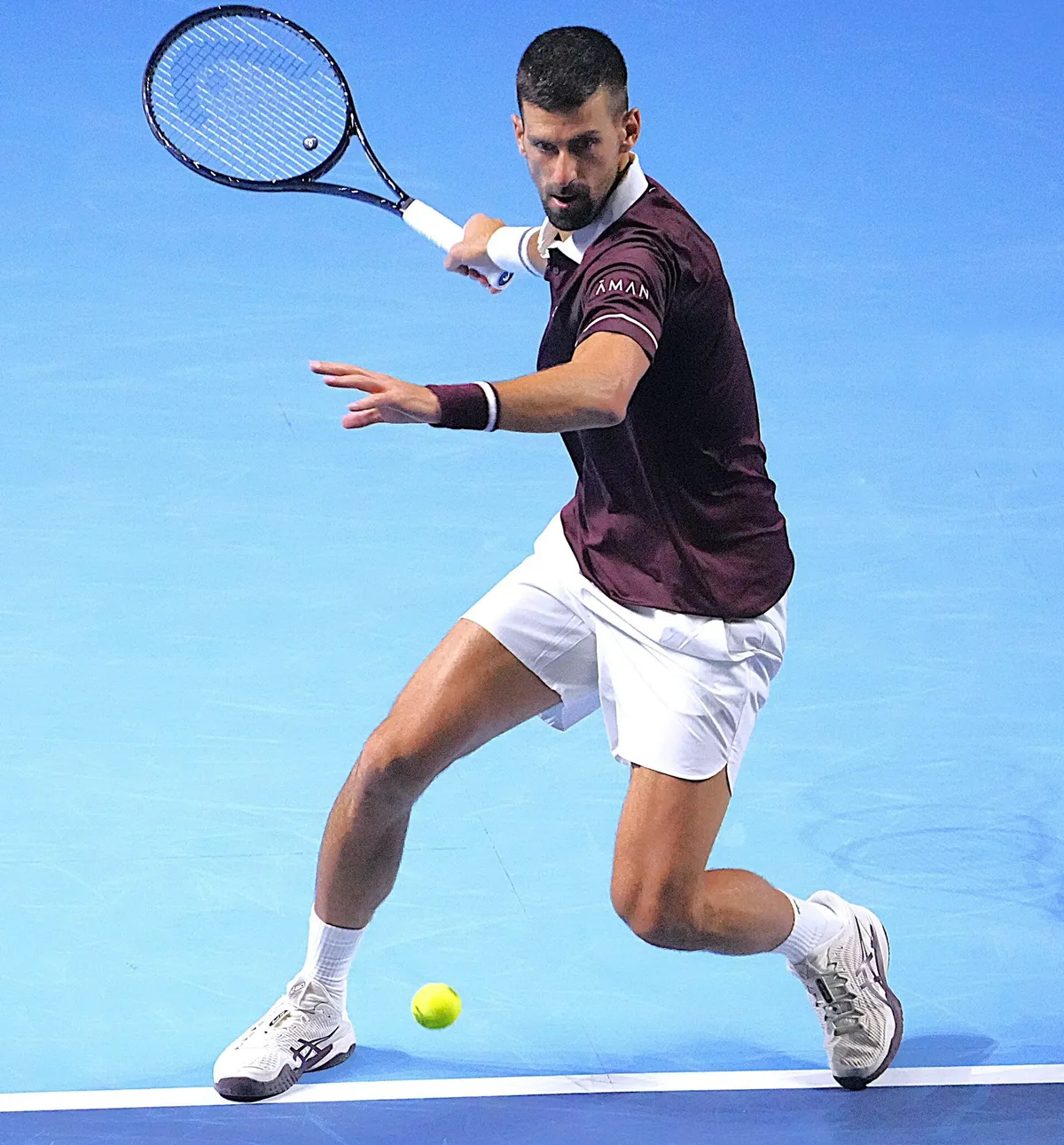
Nobody in his family played tennis
Novak Djokovic was born in Belgrade on May 22, 1987. His family had businesses in Kopaonik, a ski resort in the mountains of Serbia, among them a pizzeria. Nobody at home played tennis. According to his official website, at four he picked up his first racket, and afterward spent his days watching the training sessions of Jelena Genčić, the coach who had worked with Monica Seles.
Nobody took him to the court. In his temperament, interest did not wait for an invitation: the boy went to where the difficulty was before anyone called him.
He arrived half an hour early, with his bag packed
Jelena Genčić told, in an interview recalled by Bleacher Report in 2012, what the first training session was like: "He came half an hour early, with a big tennis bag, all packed, as if for a professional practice." Inside were a racket, a towel, a water bottle, an extra shirt, a banana and wristbands. She asked who had packed it. He had, copying what he saw the pros carry on television.
There was no career yet, but, in his temperament, preparing for the task was already his business, not his parents'.
At seven, he said on TV that he would be the best in the world
On a children's show on Serbian television, around 1994, the seven-year-old boy said he wanted to be number 1. Years later, he summed it up himself: "When I was seven years old, I dared to tell everybody that I could be the best in the world." At home, he made improvised Wimbledon trophies: "I made a lot of them, with different materials," he said in 2018.
The dream was out of proportion for a boy in 1990s Serbia, but, in his temperament, the big dream became a declared goal, with a name and a place: Wimbledon and the number 1 ranking.
He kept training during the bombings
In 1999, when NATO bombed Belgrade, Novak was 11. "We were very scared," he told CBS in 2012, recalling the nights when the family woke up at two or three in the morning. Even so, training went on, and he remembers that time "in a positive way": there was no school, and they played more tennis.
The fear was real, but, in his temperament, the obstacle did not suspend the goal, and in the middle of a war the boy found more hours on the court.
At 12, he went to train in Germany
Still in 1999, Novak went to train at Niki Pilić's academy, near Munich, far from his family. To pay for his career, his father even borrowed money, according to Novak himself in 2025. Pilić remembered "extraordinary discipline for a boy that age," and coach Wolfgang Reiner told AFP that at lunch he was always the first to finish eating.
Eating fast to get back to the court says a lot, because, in his temperament, a pause is only worth it while something is still left to do.
He stopped imitating other players
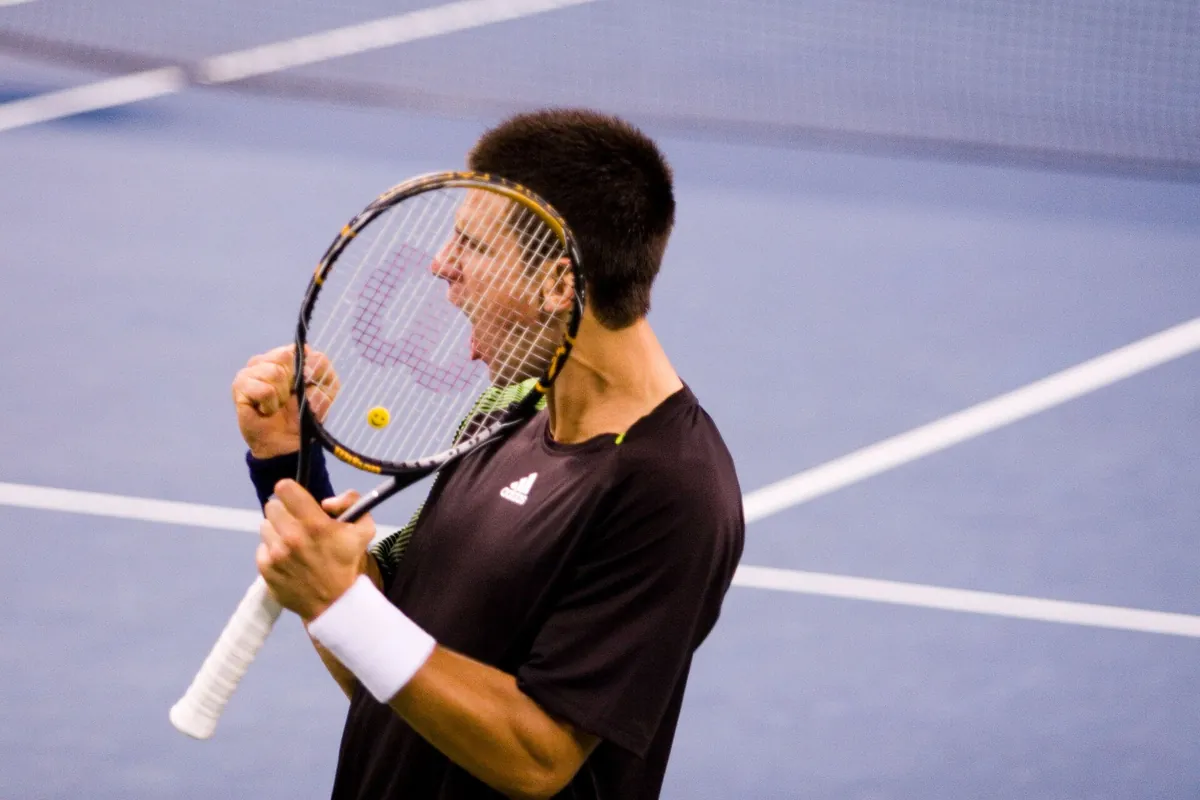
Early in his career, Novak entertained the crowd by imitating Sharapova, Nadal and other players, and became known for it. At the 2008 US Open, the imitations began to speak louder than the tennis. Asked whether he didn't want to be seen as a clown, he answered at the press conference that he would no longer do imitations, and that this was one of the reasons he had stopped.
The humor is genuine and is still there, but, in his temperament, what counts as achievement is winning on the court, and the humor gives way when it threatens to take that place.
In 2011, he reached number 1
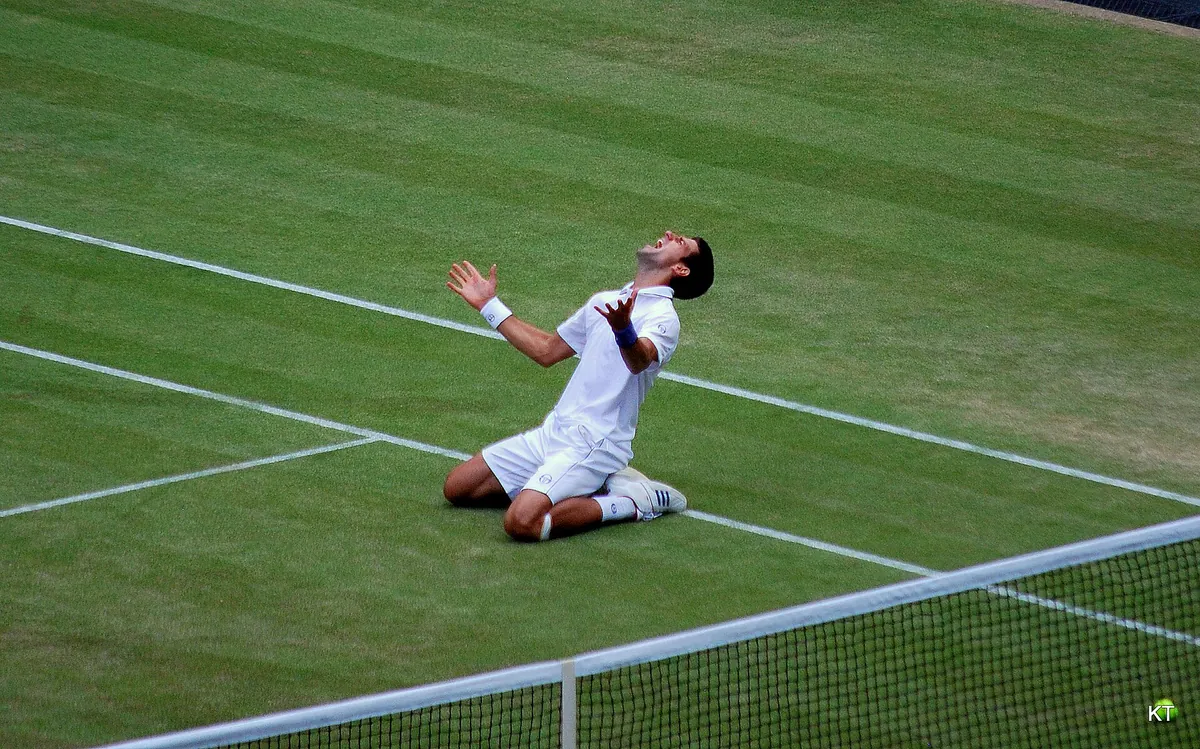
In 2011, Novak started the year with 41 straight wins, won the Australian Open, Wimbledon and the US Open, and on July 4, a day after beating Nadal in the Wimbledon final, became world number 1 for the first time.
The boy from television had reached both goals at 24. Many would have stopped there, but, in his temperament, a goal achieved does not end the pursuit: it makes room for the next one.
Roland Garros took four finals
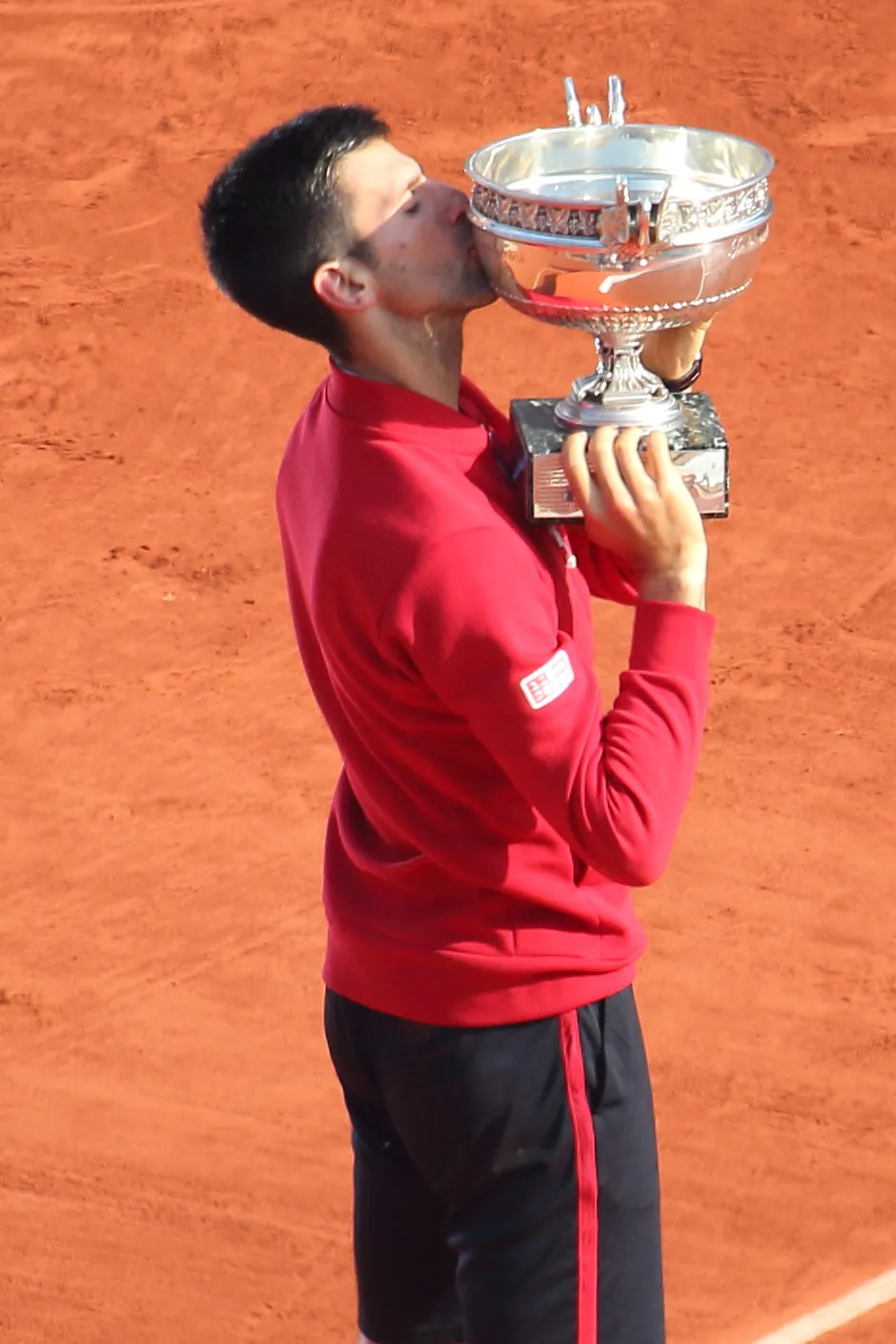
Paris was missing. Novak lost the Roland Garros final to Nadal in 2012 and 2014, and to Wawrinka in 2015. In 2016, he beat Andy Murray and held all four Grand Slam titles at the same time, something no man had done since Rod Laver in 1969.
Three lost finals could have turned into trauma, but, in his temperament, each defeat only marked what was still left to train, and the fourth final was the time to win.
He came back too soon
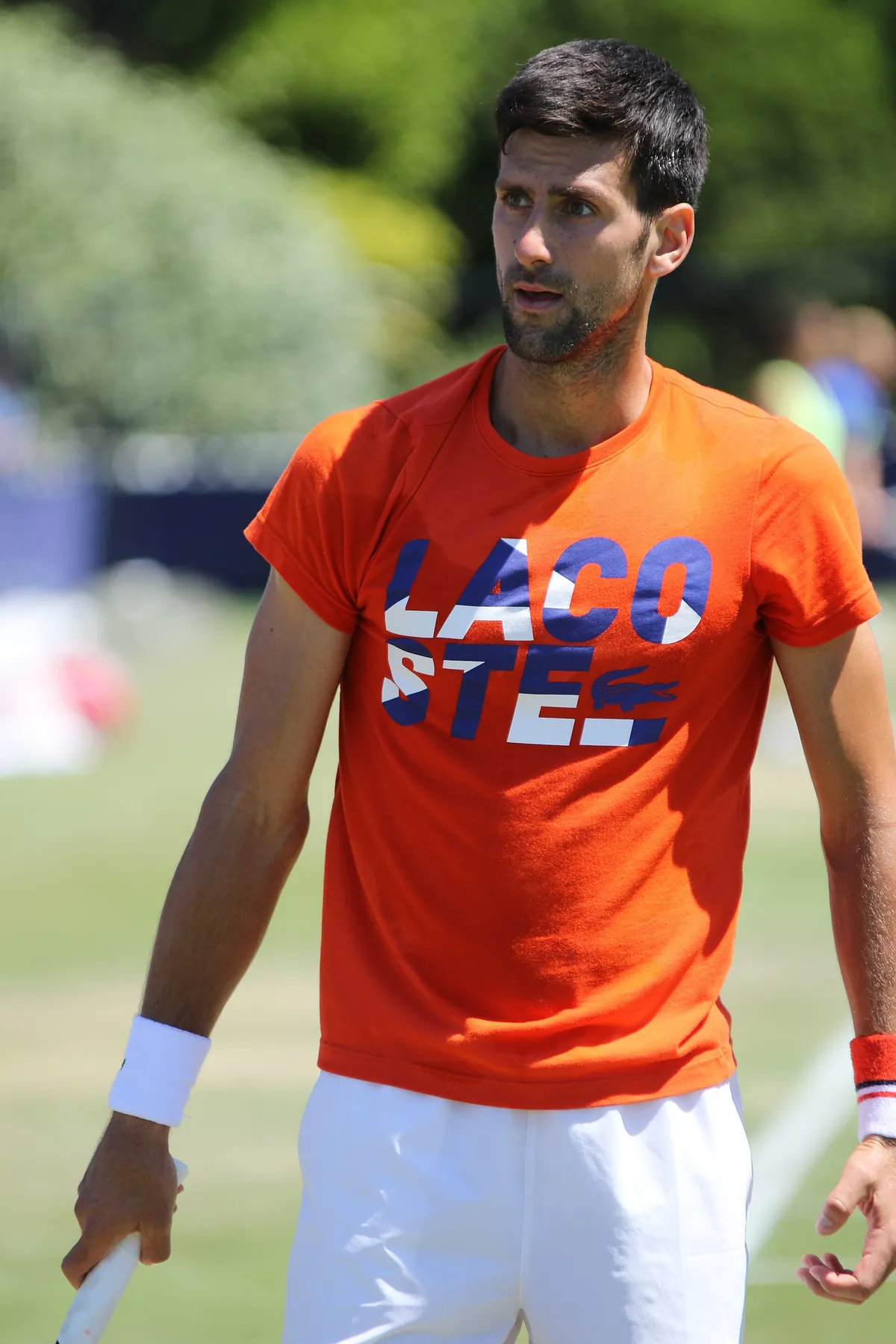
In early 2018, Novak had elbow surgery and returned to play within a few weeks, at Indian Wells and Miami, losing early in both. A year later, he admitted: "I definitely wasn't ready to compete at that level. Most of my team was against me playing, because it was too soon after the surgery." And he added: "One of the biggest things I learned about myself was how impatient I was."
In his temperament, standing still costs more than playing hurt, and he had to learn that waiting is also part of winning.
Four or five days in the mountains
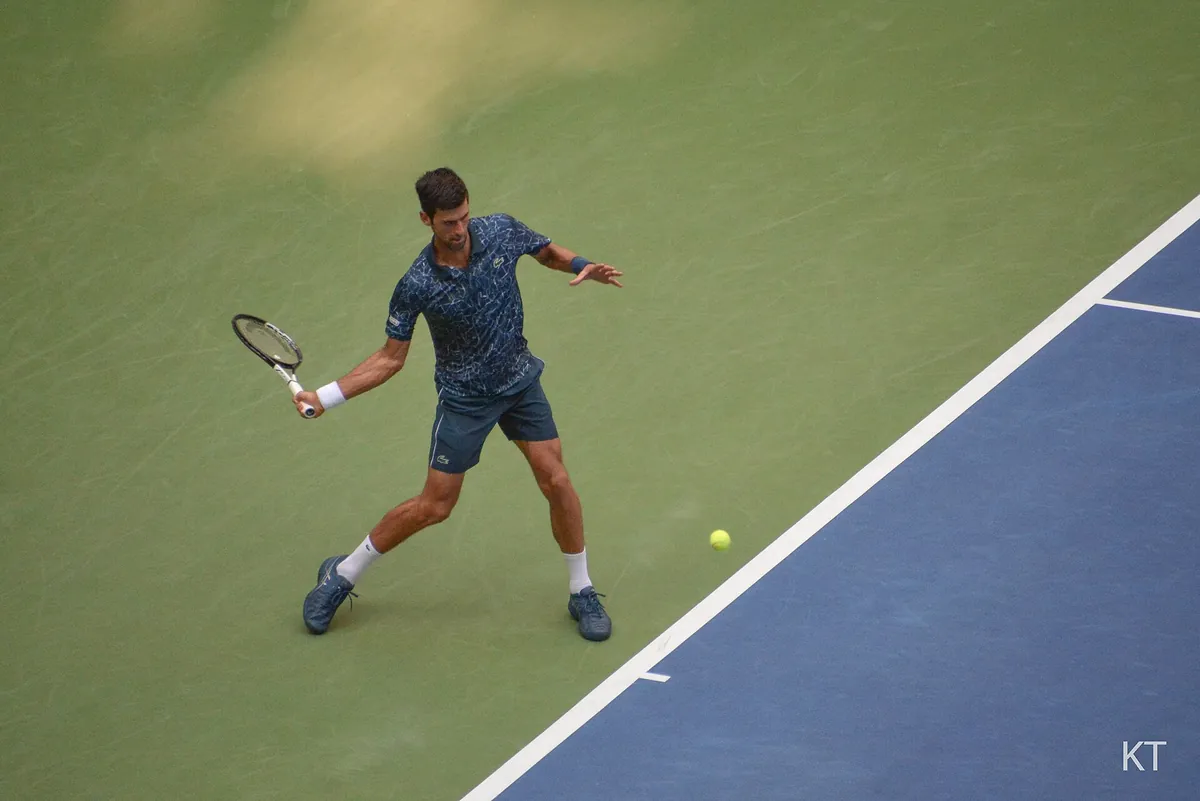
In June 2018, Novak lost in the Roland Garros quarterfinals to Italy's Marco Cecchinato, then outside the top 70. "I took four or five days off and went hiking in the mountains with my wife," he said afterward. "Being in nature helped me clear my head and put things in perspective." That same year, he won Wimbledon and the US Open.
For someone who solves everything by acting, stopping was the hardest decision, and it was from it that the return to the top came.
Two match points against
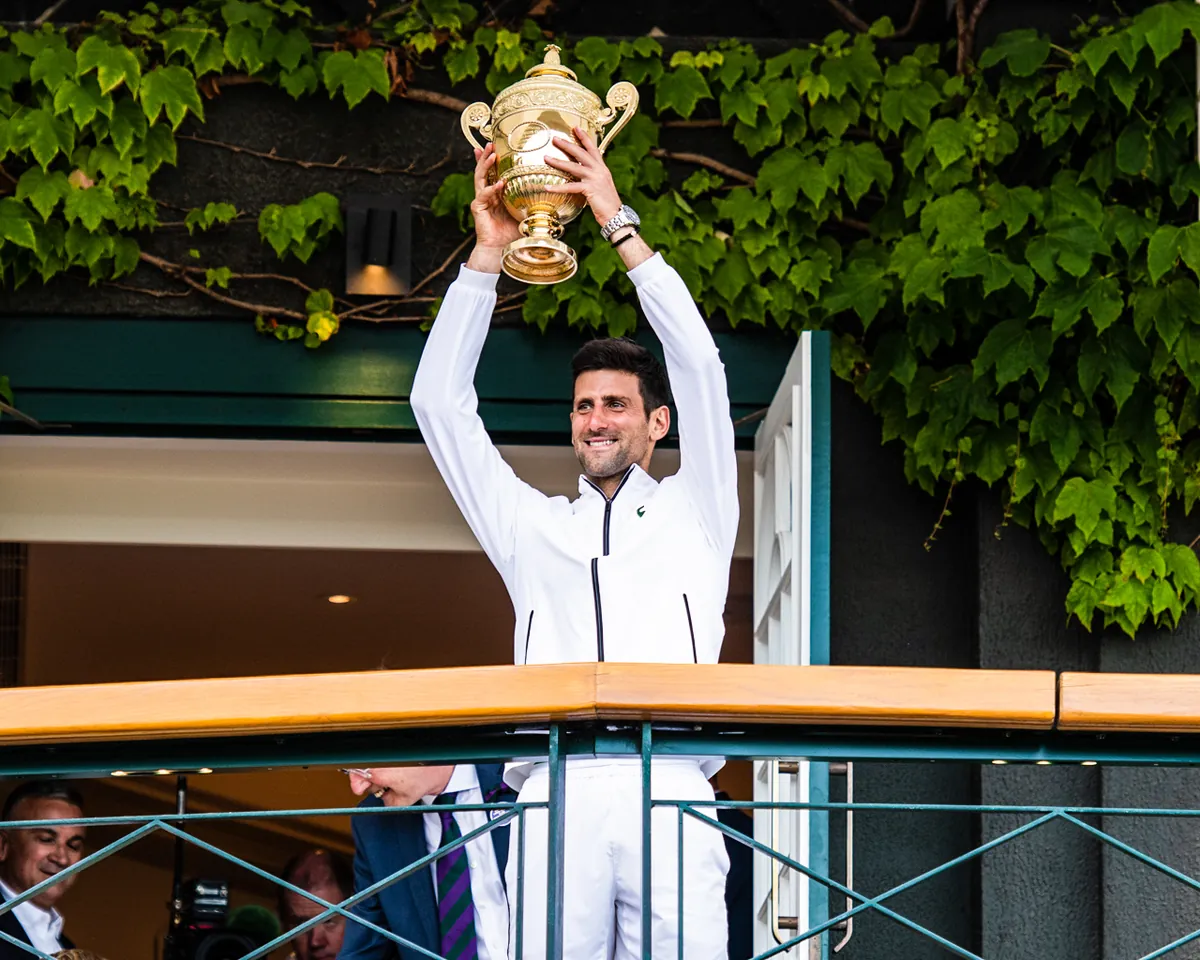
In the 2019 Wimbledon final, Federer served at 8-7 in the fifth set and had two match points. Novak saved both, took the match to the first fifth-set tiebreak in the history of Wimbledon finals and won after 4 hours and 57 minutes. Federer finished with more points (218 to 204) and many more winners (94 to 54).
In his temperament, a match is not decided by the beauty of the numbers but by the points that settle it, and that is where he put all his strength.
"There is a storm inside."
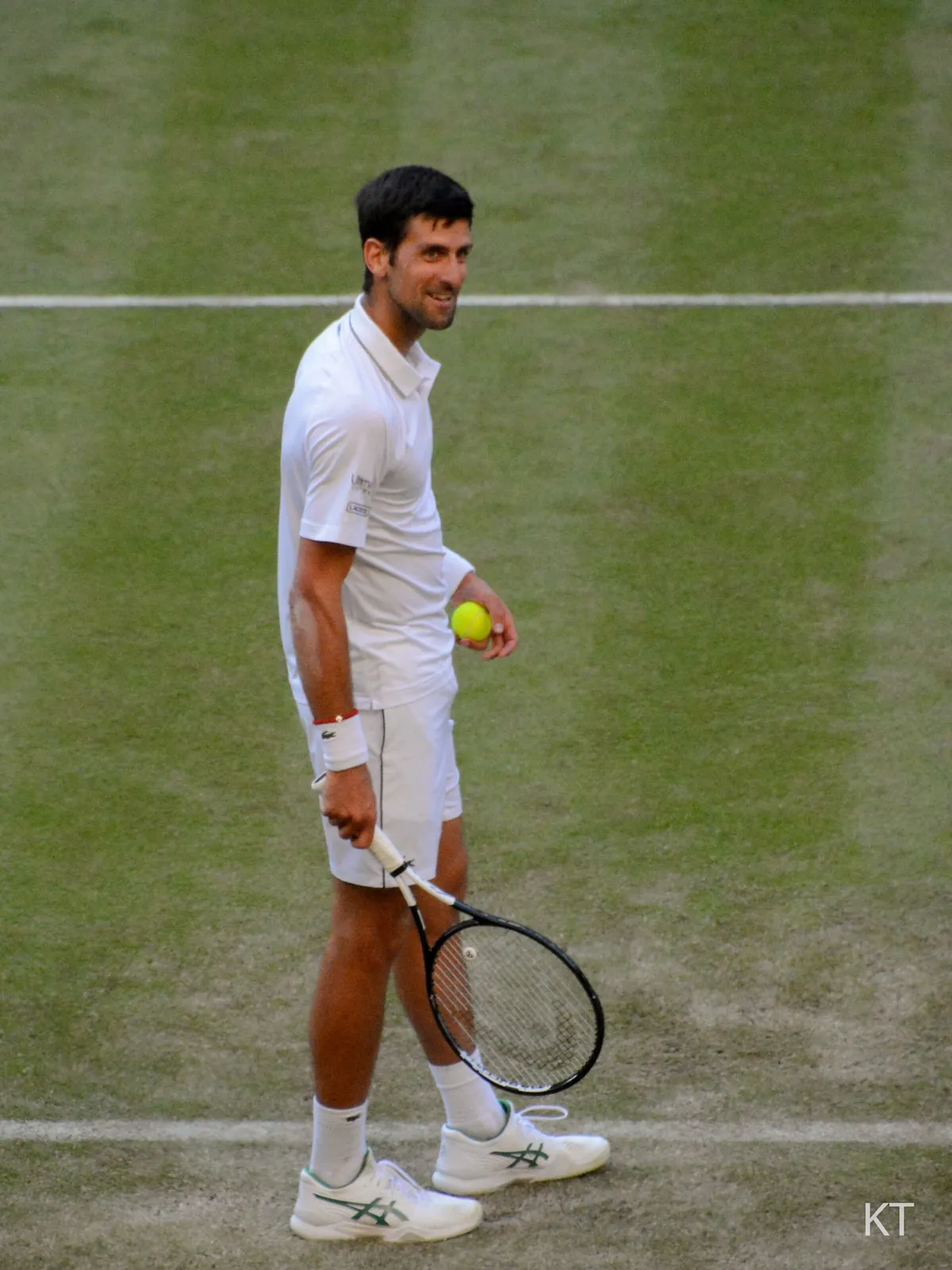
Speaking to CBS's 60 Minutes in 2023, Novak explained the calm he shows in decisive moments: "It's not a gift. It's something that comes with work." He feels anger and doubt like anyone else, but he trained not to stay in them: "I can recover and restart." And he said: "Believe me, there's a storm inside."
His calm is not a lack of strength, because, in his temperament, the strength that could explode learned to be governed and saved for the next point.
The gold that was missing
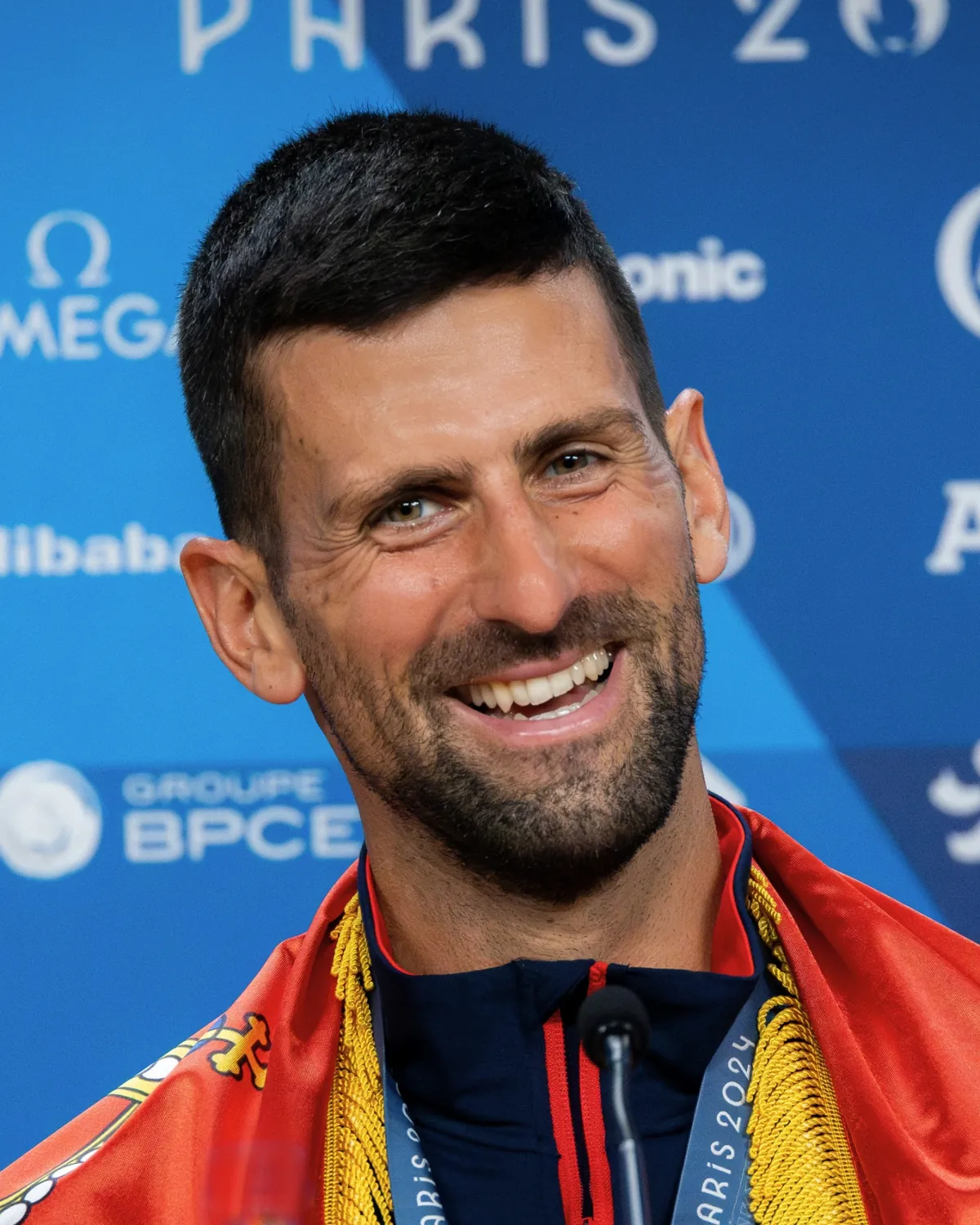
After winning every Grand Slam, the Olympic gold medal was still missing. He had tried at four Olympics. In Paris, in 2024, at 37 and two months after knee surgery, he beat Carlos Alcaraz in the final 7-6 and 7-6 and called the title "maybe the biggest success I've ever had."
Only one big achievement was missing, and, in his temperament, missing one was reason enough to keep training.
One hundred titles. Then, two more
In May 2025, in Geneva, Novak reached the hundredth title of his career. In October 2026, at 39, he won his 102nd in Beijing, one title short of Federer. "This year was quite difficult for me: a lot of physical and health issues," he said after the final.
His body is already charging the price of age, but, in his temperament, the next mark still weighs more than the last, and that is why he is still on the court.
The foundation began in 2007
Off the court, Novak created with his wife, Jelena, in 2007, the foundation that bears his name and that, since 2012, has been dedicated to the education of young children in Serbia, with projects alongside the World Bank. An Orthodox Christian, he received in 2011 the Order of St. Sava, the highest distinction of the Serbian Orthodox Church.
In his temperament, the strength that wins matches also turns toward concrete problems off the court, like giving schooling to children who would not otherwise have it.
Pure choleric
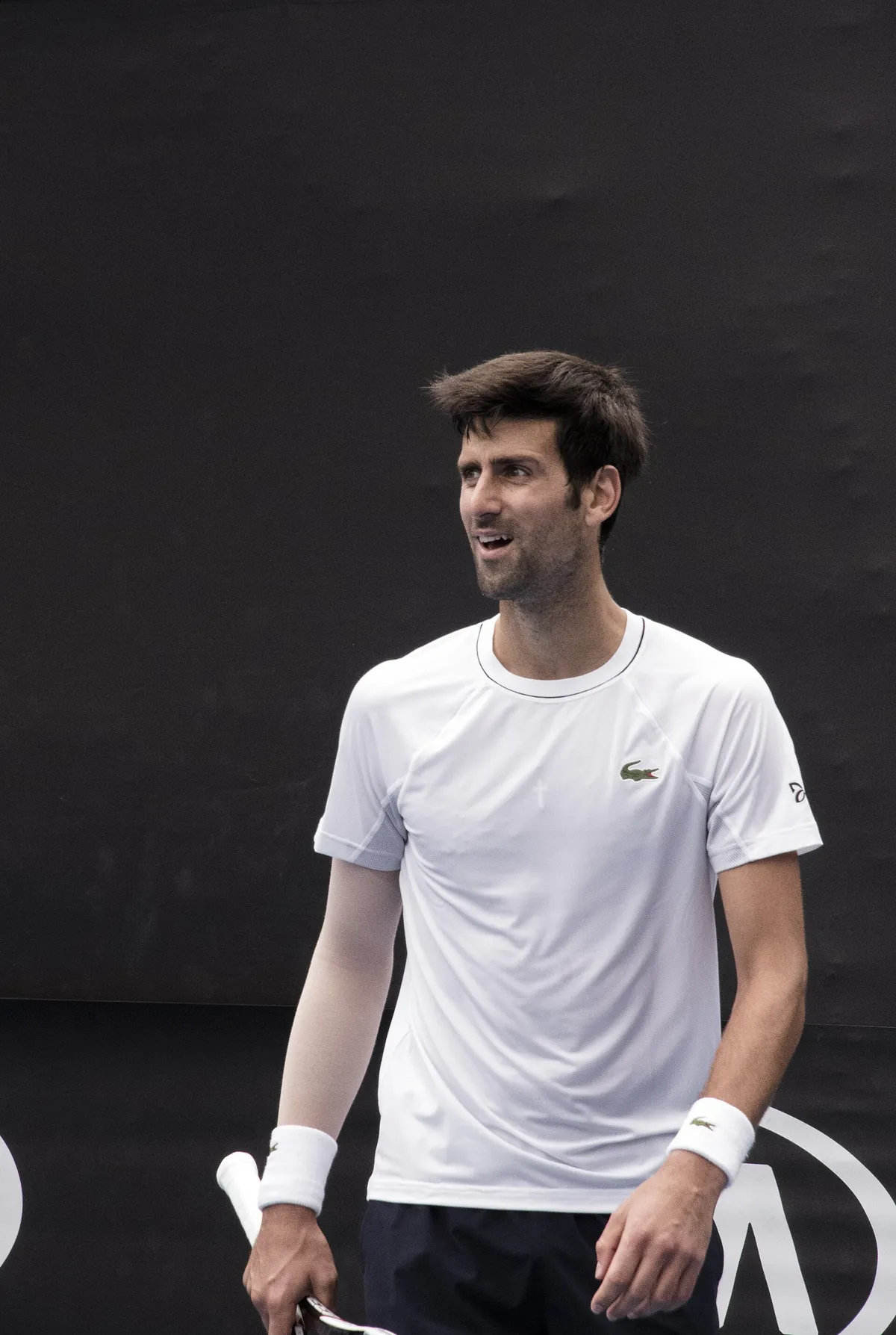
According to Axis Ratio, Novak Djokovic is a pure choleric.
In the pure choleric, faced with an obstacle, the person mobilizes, acts and goes straight to the result, and victory is enough in itself: no audience and no pretty play is needed to feel fulfilled.
Calm at decisive points does not contradict the choleric: it is one of the paradoxes of the temperament. The pure choleric learns to govern his strength and, in the mature form, also learns that not everything is conquered on the spot.
In the pure choleric, strength goes straight to the point, like a lightning bolt.
The marks of the choleric genus
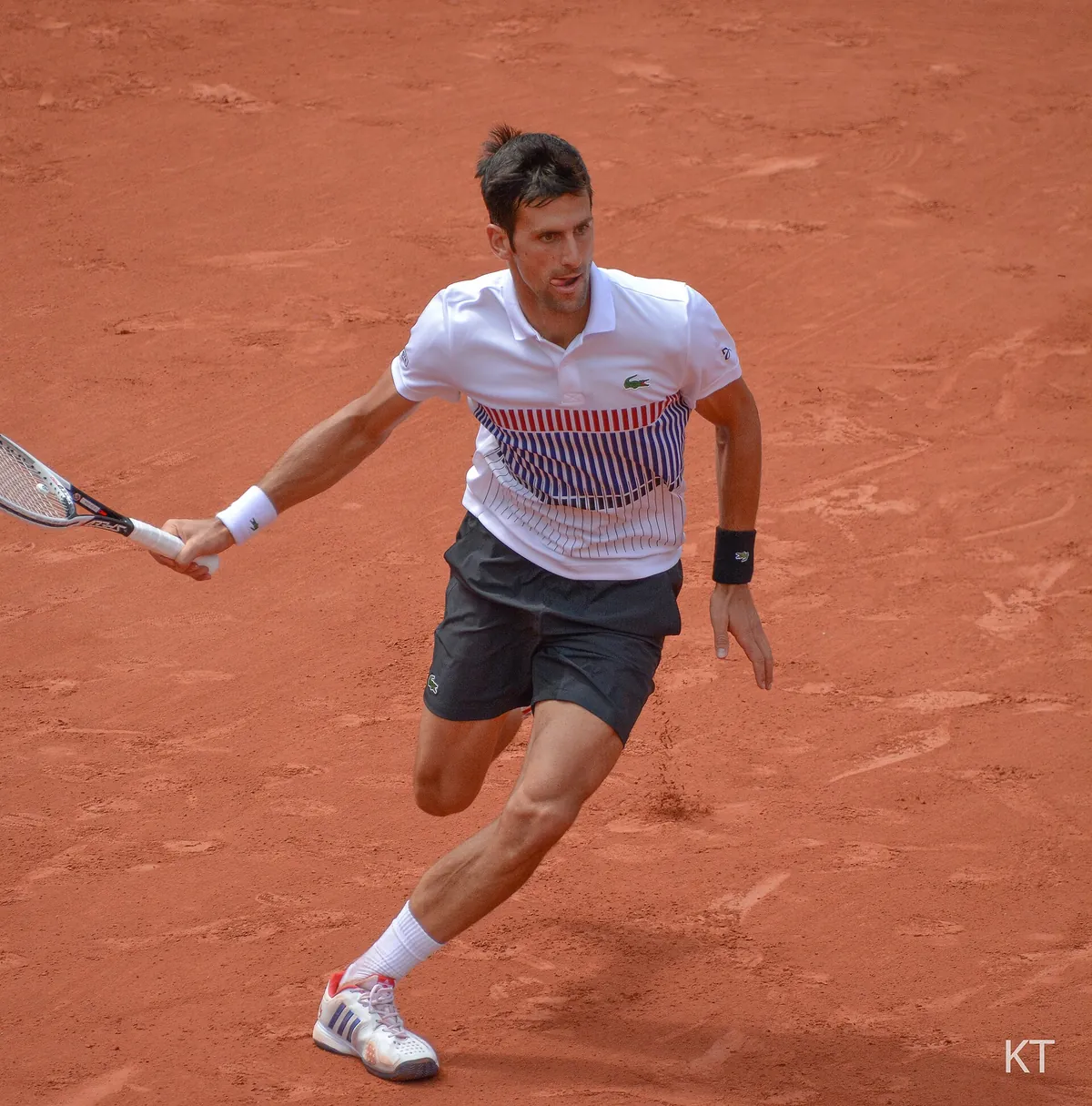
Every choleric has a natural inclination toward the arduous, and in Djokovic it shows up like this:
- Initiative: he arrived at his first training session half an hour early, with the bag packed by himself.
- Persistence: he lost three finals at Roland Garros and won the fourth.
- Response to challenge: he saved two match points against Federer in the Wimbledon final.
- Self-confidence: at seven, he said on television that he would be the best in the world.
The marks of the pure choleric
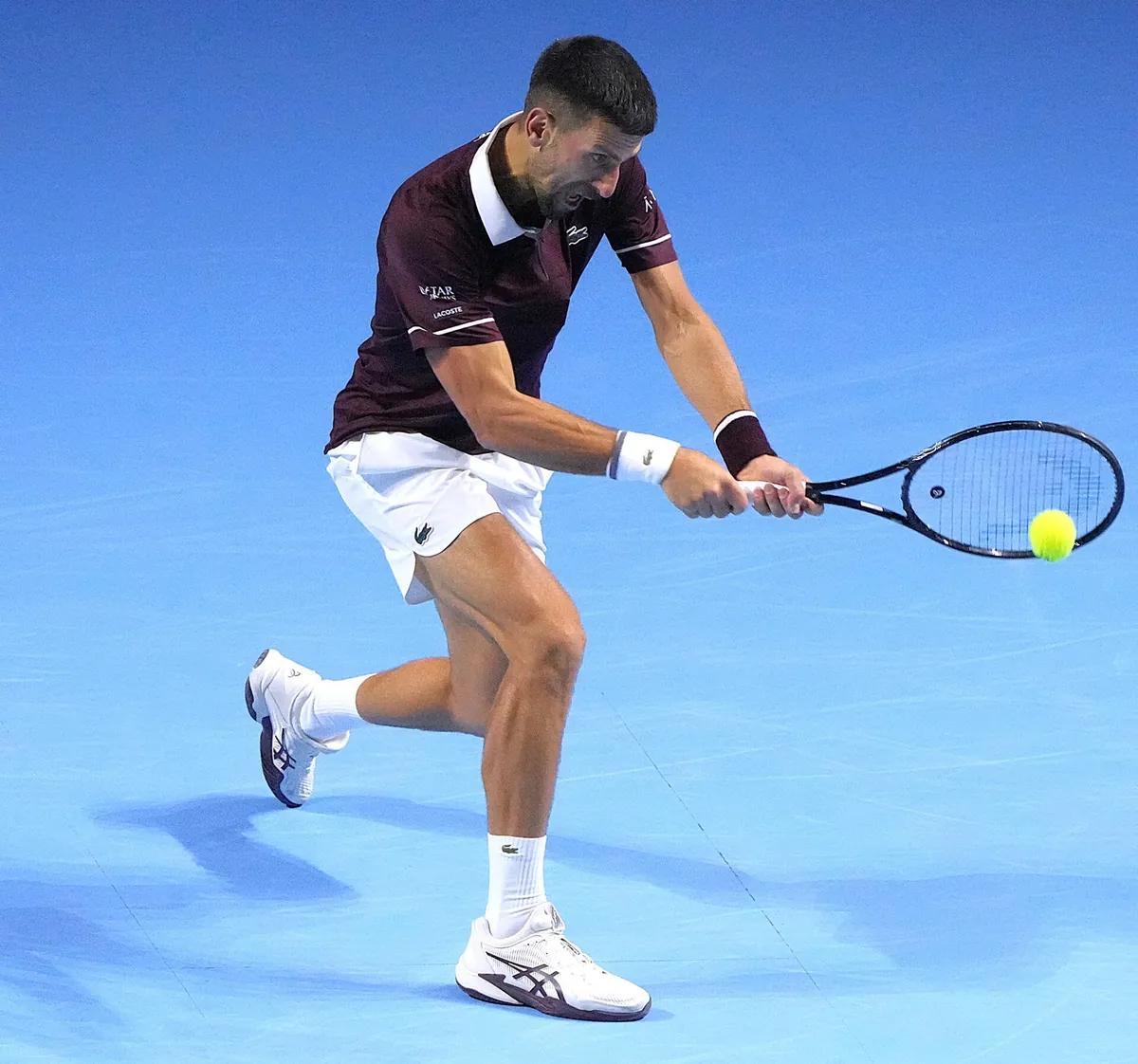
In the pure choleric, victory is enough in itself. In Djokovic:
- Focus on the result: he won Wimbledon in 2019 with fewer points than Federer.
- Governed strength: "there is a storm inside," and he trained to return to the next point.
- Learning to wait: after the rushed comeback of 2018, he stopped for a few days and went on to win Wimbledon again.
- Next challenge: number 1 in 2011, Roland Garros in 2016, Olympic gold in 2024.
At 39, the boy from TV is still on the court
The boy who made Wimbledon trophies at home reached his 102nd title in October, one short of Federer, and has not yet talked about stopping. For someone who has spent a lifetime turning each goal achieved into the start of the next, the record still missing is just one more obstacle to face.