
Does a square face make someone a choleric?
A critical analysis of the approach that links the image of the face to temperament through causal leaps that have never been proven.
Before accepting the answer, examine the path
Philip Hallawell's visagism proposes to recognize temperamental traits in the shapes, proportions, and colors of the face. The promise is appealing: appearance would let you understand something of a person's inner disposition before you know them deeply.
But a promise of self-knowledge needs more than convincing associations. We need to understand how the author gets from facial features to temperament and whether that path supports the conclusion. Let us begin with the four types he describes.
Hallawell's choleric

IN HALLAWELL'S BOOK
Hallawell describes a determined, intense, competitive type, motivated by challenge. In appearance, he associates it with a square face, a strong, prominent chin, a penetrating gaze, thick, straight eyebrows, a broad nose, and a straight profile, with a prominent forehead. The straight lines would indicate strength, confidence, and power.
ACCORDING TO AXIS RATIO
According to Axis Ratio, the choleric disposition to confront is not the same thing as an intimidating appearance: a choleric can be gentle in manner and show his strength only when an obstacle arises.
A square face may give an impression of strength. What the book does not show is that whoever has that face is, in fact, choleric.
Hallawell's sanguine

IN HALLAWELL'S BOOK
Hallawell presents the sanguine as communicative, spontaneous, very curious, and interested above all in novelty. His face would be angular, usually hexagonal or diamond-shaped, with a triangular profile and a sloping forehead, a large or prominent nose, almond-shaped or large eyes, and an expressive mouth. The slanted lines would convey dynamism.
ACCORDING TO AXIS RATIO
According to Axis Ratio, sanguine extroversion cannot be reduced to social ease: it is an orientation of the disposition, which does not oblige anyone to be outgoing in every situation.
A sloping forehead may look dynamic. The book does not show that whoever has one is, in fact, sanguine: it merely assumes that the impression and the person coincide.
Hallawell's melancholic

IN HALLAWELL'S BOOK
Hallawell distinguishes the artistic melancholic from the scientific one, both organized, detail-oriented, and perfectionist. He describes small, delicate features, a high forehead, a long, thin nose, drooping eyes, which would give an air of sadness, and a chin that is often receding. The artistic type's face would tend toward the oval; the scientific type's, toward a long, narrow rectangle.
ACCORDING TO AXIS RATIO
According to Axis Ratio, introversion is not shyness, and a sense of reality is not pessimism: the melancholic's seriousness is not necessarily sadness, and there are sociable melancholics with a refined sense of humor.
Drooping eyes may look sad. But sadness in the face is not sadness in the soul, and the book does not show that whoever has those eyes is, in fact, melancholic.
Hallawell's phlegmatic
IN HALLAWELL'S BOOK
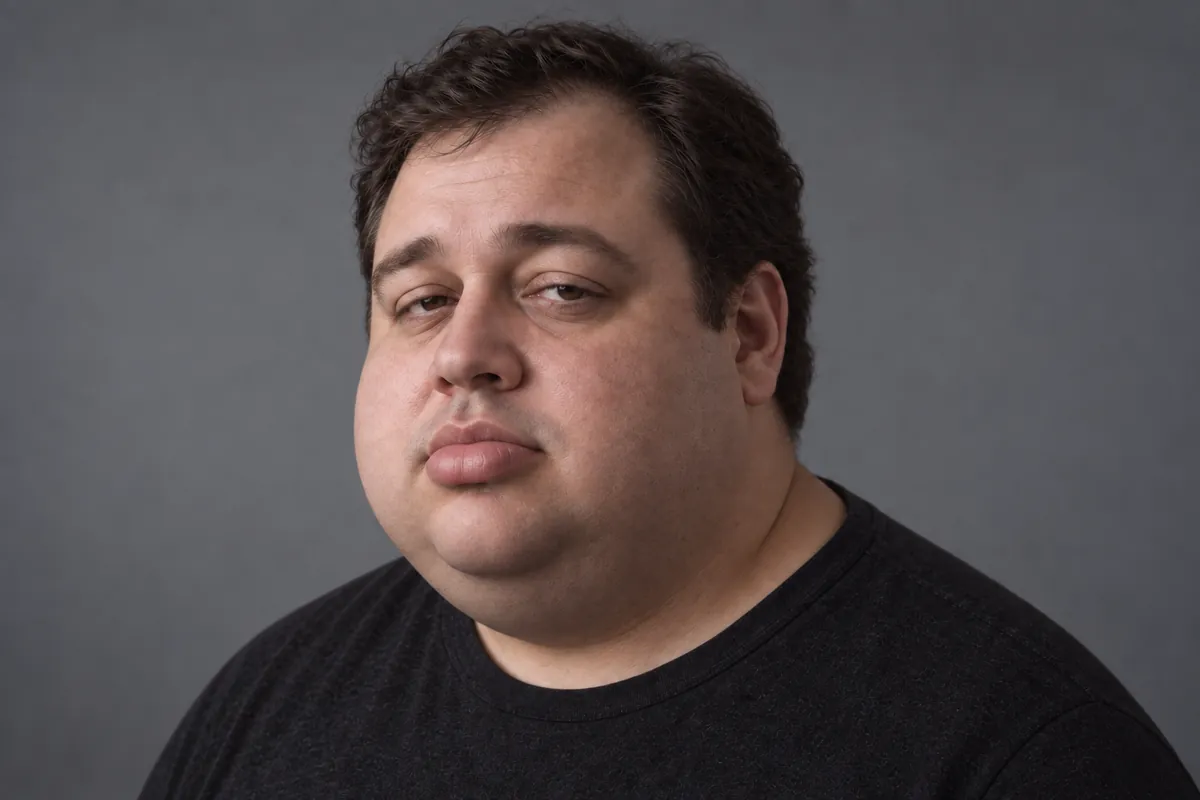
Hallawell describes the phlegmatic as diplomatic, a peacemaker, extremely calm, and not at all competitive. In the physical description, Hallawell associates him with a generally round face, a receding chin, regular, rounded features, large, heavy eyelids, which would give a tired look, and a lower lip bigger than the upper one, as if he were pouting.
ACCORDING TO AXIS RATIO
According to Axis Ratio, phlegmatic tranquility does not mean an inability to act, lead, or take on responsibility, and the person can develop habits that get them moving.
Heavy eyelids may look like tiredness. The book does not show that whoever has them is, in fact, phlegmatic, much less how that person reacts when they need to act.
It is not just a classification by face shape
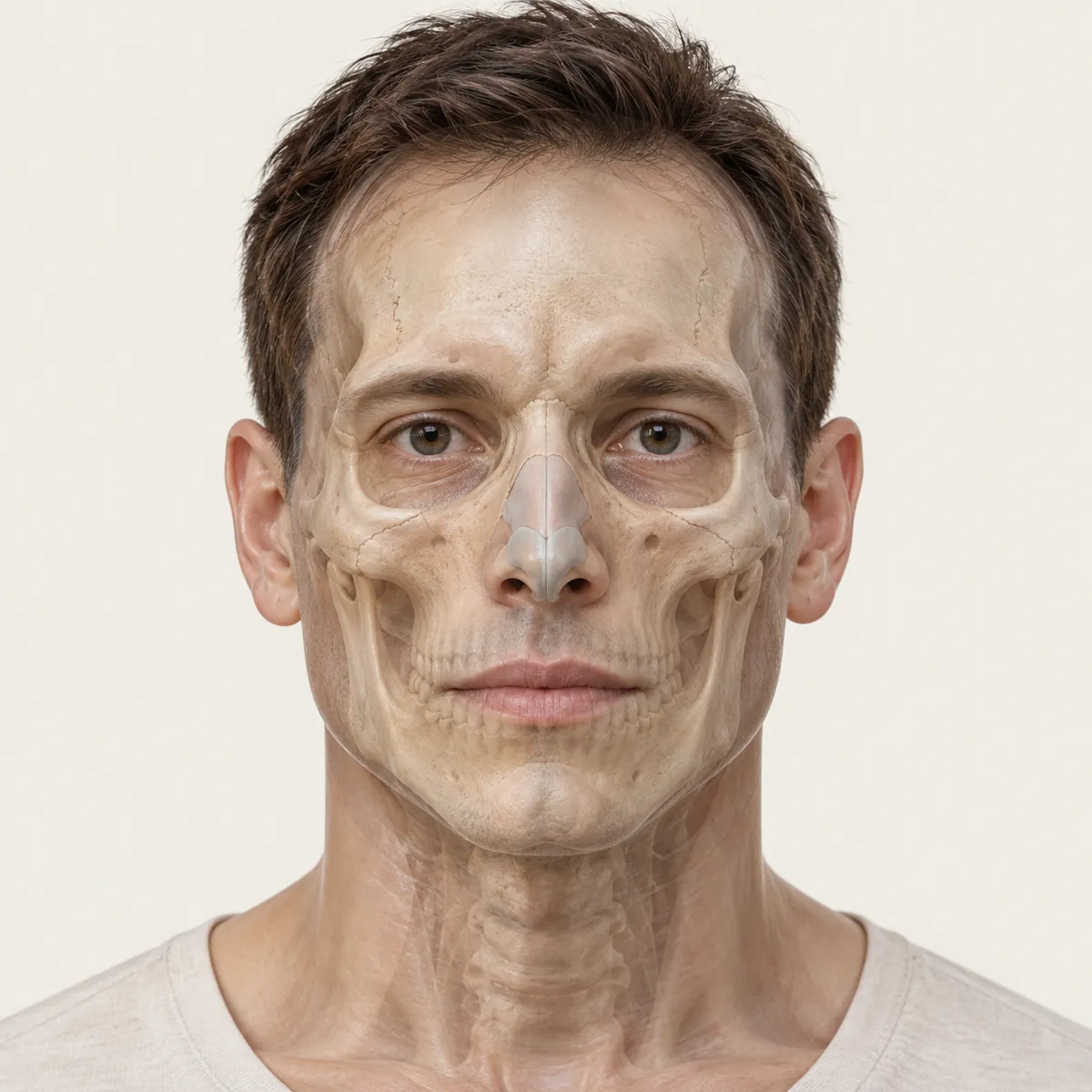
Hallawell acknowledges mixtures and states that the shape of the face, though it is what most reflects the personality, is not decisive. The method also reads the profile, the features, and the regions of the face: the forehead would correspond to the intellect, the eyes to the heart, the nose to the lungs and the rhythm of life, the chin to the will. Whoever covers their forehead with bangs, the book says, would not trust their own intellect.
Combining more elements, however, does not settle the underlying question. If each association depends on a link not yet demonstrated, putting them together makes the reading seem more elaborate, not more true.
The foundation runs through Jung

Hallawell relates that he found in Jung the archetypal symbols, which would keep their meaning across cultures and eras. The book tells the story: he imagined that the symbol embedded in his paintings would convey the idea to the viewer's unconscious, and then he thought that, if this holds for paintings, it must hold for any image, including a person's own.
The reasoning starts with the meaning an image would arouse in whoever looks at it and ends with the temperament of whoever has those shapes in their face. A subjective view, entirely refutable, was turned into an axiom, as if it were a transliteration of reality itself.
Shape can produce an impression. And then?
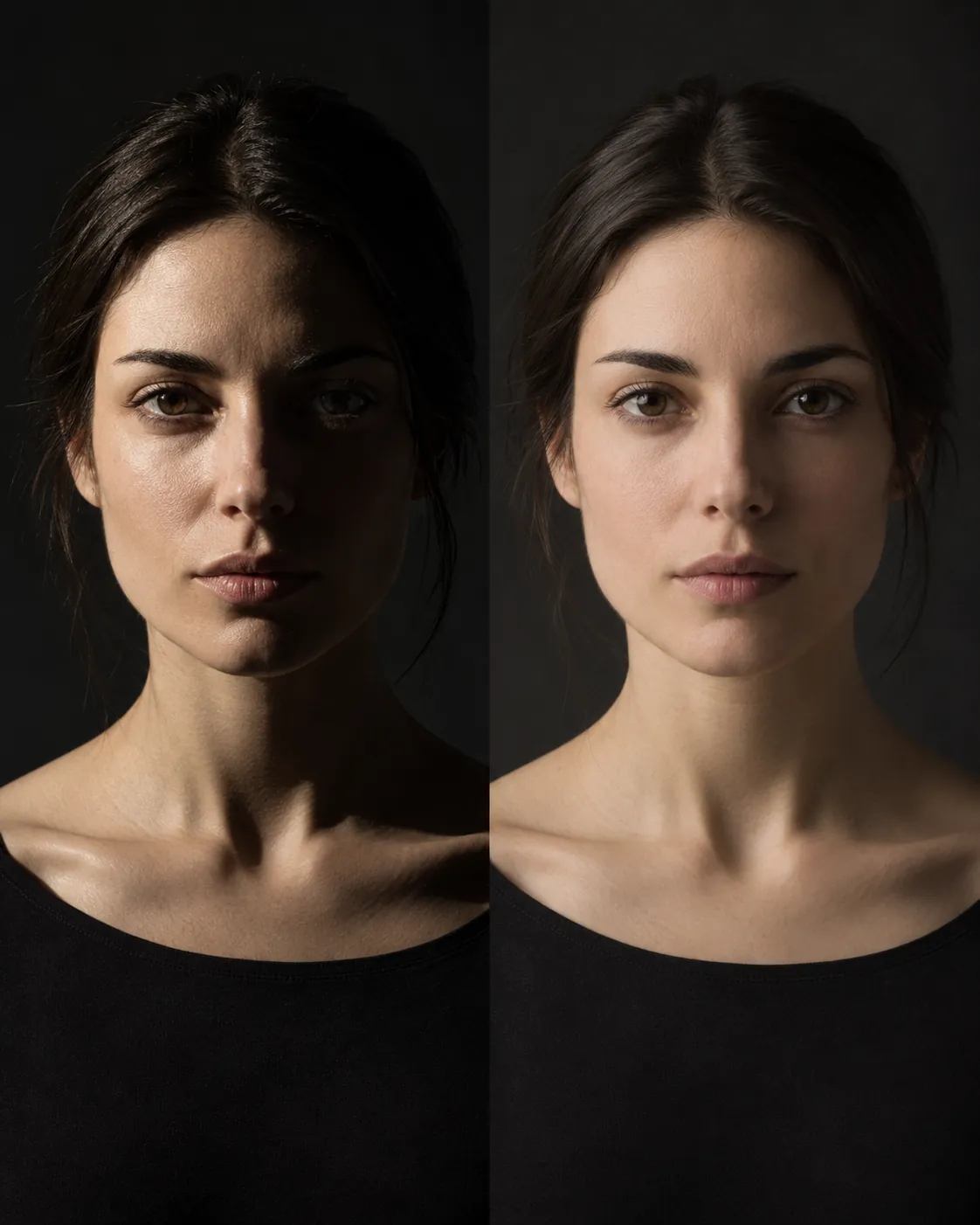
Let us suppose that a face of straight lines produces an impression of strength. Even granting that reaction, all we know so far is that an observer perceived strength when looking at a certain appearance.
To conclude that the person observed is choleric, one would have to demonstrate that this shape corresponds to that disposition. Churchill had a round, almost childlike face, which by this logic would suggest sweetness and passivity, and the world saw the opposite. The strength perceived in the image does not turn, by a swap of words, into the person's temperamental strength.
The observer is not the person observed
This is the point that cannot disappear from the analysis. The reaction an image provokes happens in the one who looks; the temperament visagism claims to identify belongs to the one who is looked at.
An image can provoke respect, fear, sympathy, or distrust without those reactions correctly describing the person. Explaining the image's effect on the observer is not enough to explain the temperament of the one observed. It is all fine if the intention is only the impression.
Why is this true?
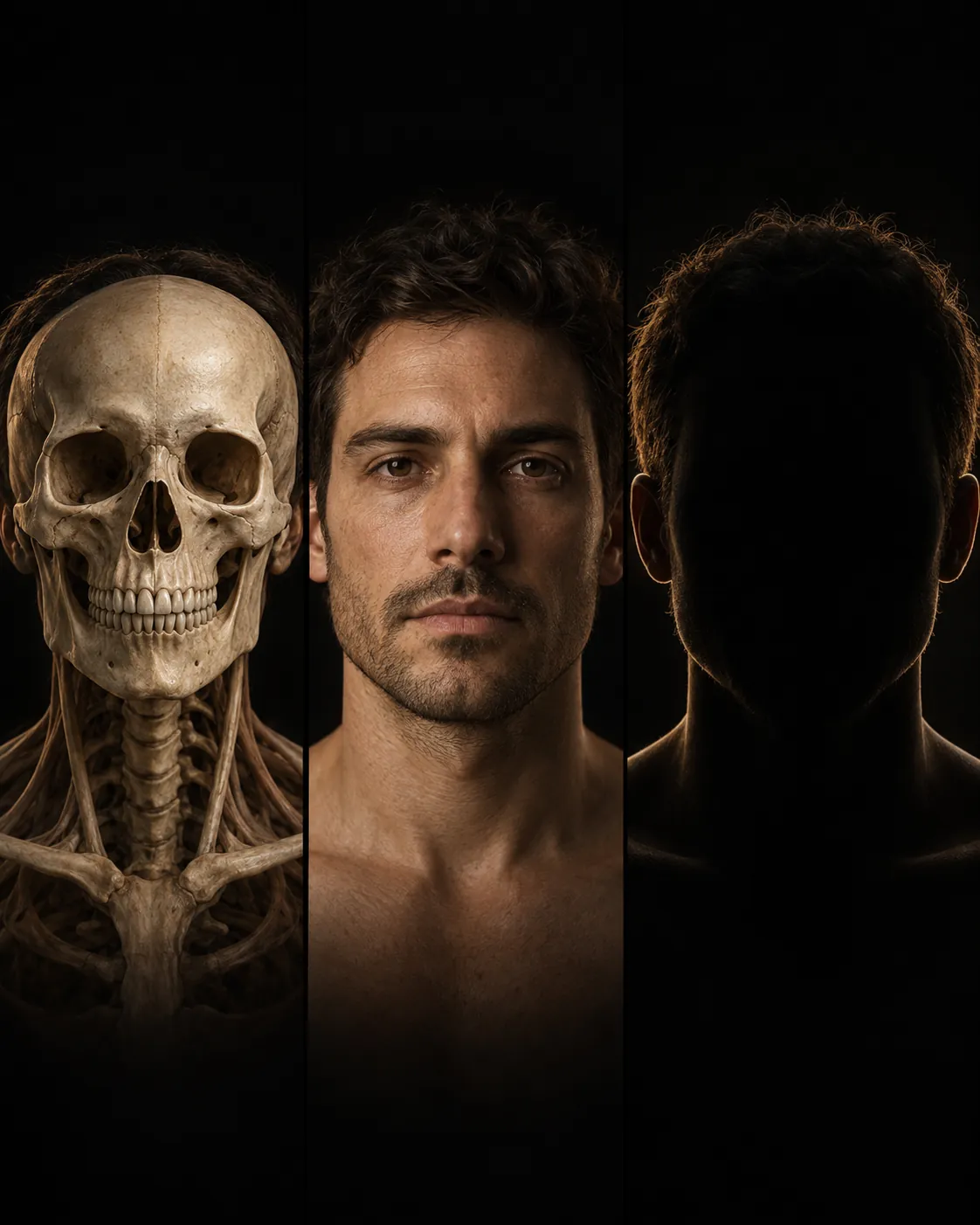
Visagism's reasoning is this: if lines and shapes are archetypes with universal meaning, and if the face is made of those shapes, then it reveals the temperament through those assumptions. Why is this true? An unvalidated assumption is taken as true and, with it, all its consequences, without demonstrating any of them.
In O Olho do Sol (The Eye of the Sun), discussing Kant, Olavo de Carvalho shows two paths that do not get there: an a priori deduction cannot “emigrate, just like that, into the domain of facts,” and an induction made from particular cases does not prove a necessary law. Hallawell uses both: he takes the archetype as a given and generalizes his experience as a painter, “if this statement holds for paintings, it must hold for any kind of image.” Neither the archetype nor the paintings reach, on their own, anyone's chin.
Olavo de Carvalho, O Olho do Sol; Philip Hallawell, Visagismo Integrado, 2009.
“Archetype” is not proof
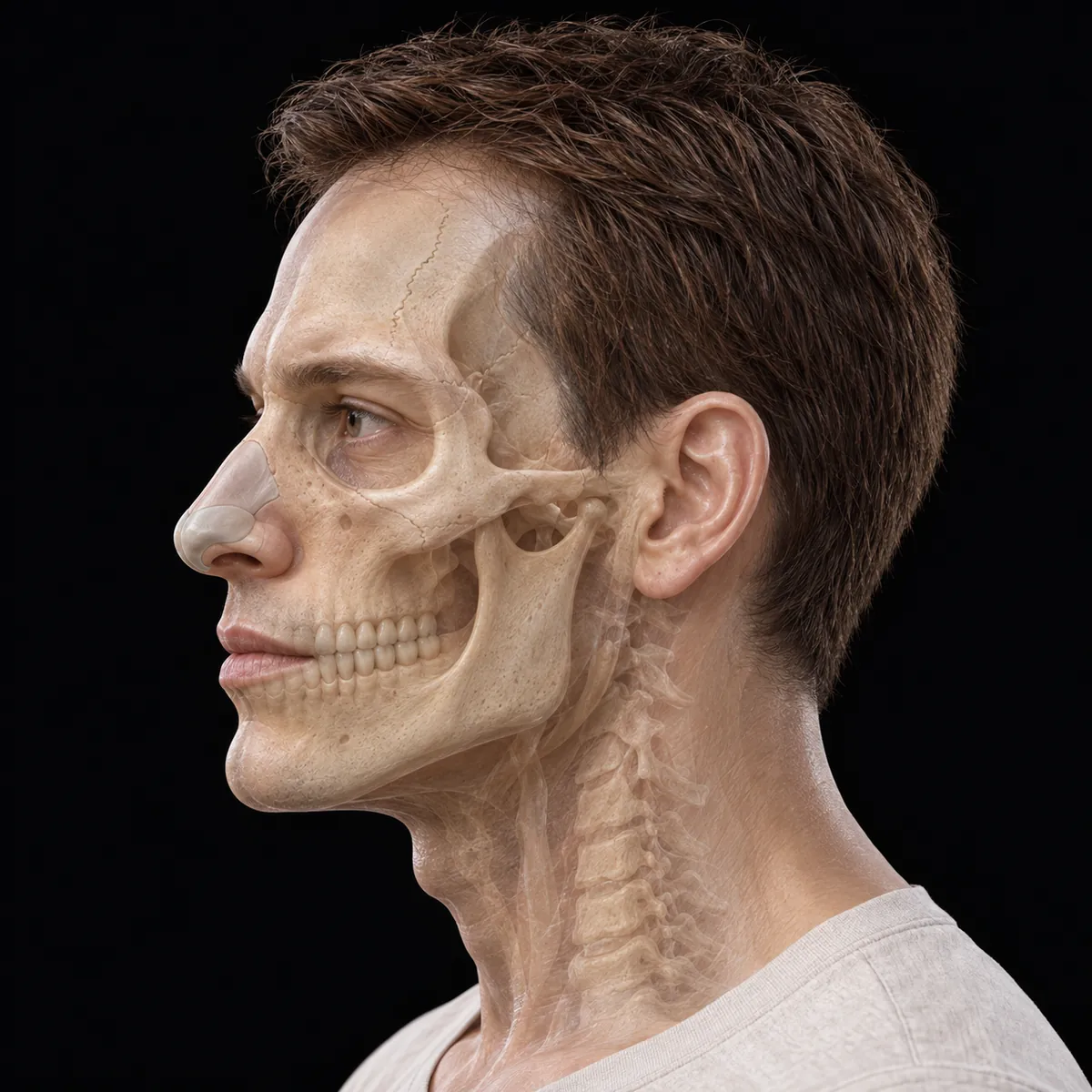
Calling a shape archetypal does not demonstrate that its meaning is innate, invariable, or universal. As early as 1952, Martin Buber accused Jung of drawing, from the images of the psyche, conclusions about what exists outside it. And Jung himself never described archetypes as ready-made images: for him, they are empty forms, which each culture and each person fills in their own way.
Even if everyone interpreted a shape the same way, that would not prove that it means the temperament Hallawell assigns to it. Turning the archetype into a fixed table of lines and shapes contradicts Jung himself.
C. G. Jung, The Archetypes and the Collective Unconscious, §155; Martin Buber, Eclipse of God, 1952.
Neuroscience does not authorize the leap either
Hallawell likens geometric symbols to the emotional triggers studied by Joseph LeDoux. Except that LeDoux studied fear, like that of the rat that freezes in front of the cat. The book proposes calling these natural triggers archetypes and says that LeDoux's research reaches the same conclusion the author reached by painting pictures.
But showing that a stimulus provokes fear is not the same as showing that a rectangle identifies a choleric or that an oval face identifies a melancholic. Giving LeDoux's trigger the name of archetype does not transfer the validity of neuroscience to visagism.
The book reveals the decisive step
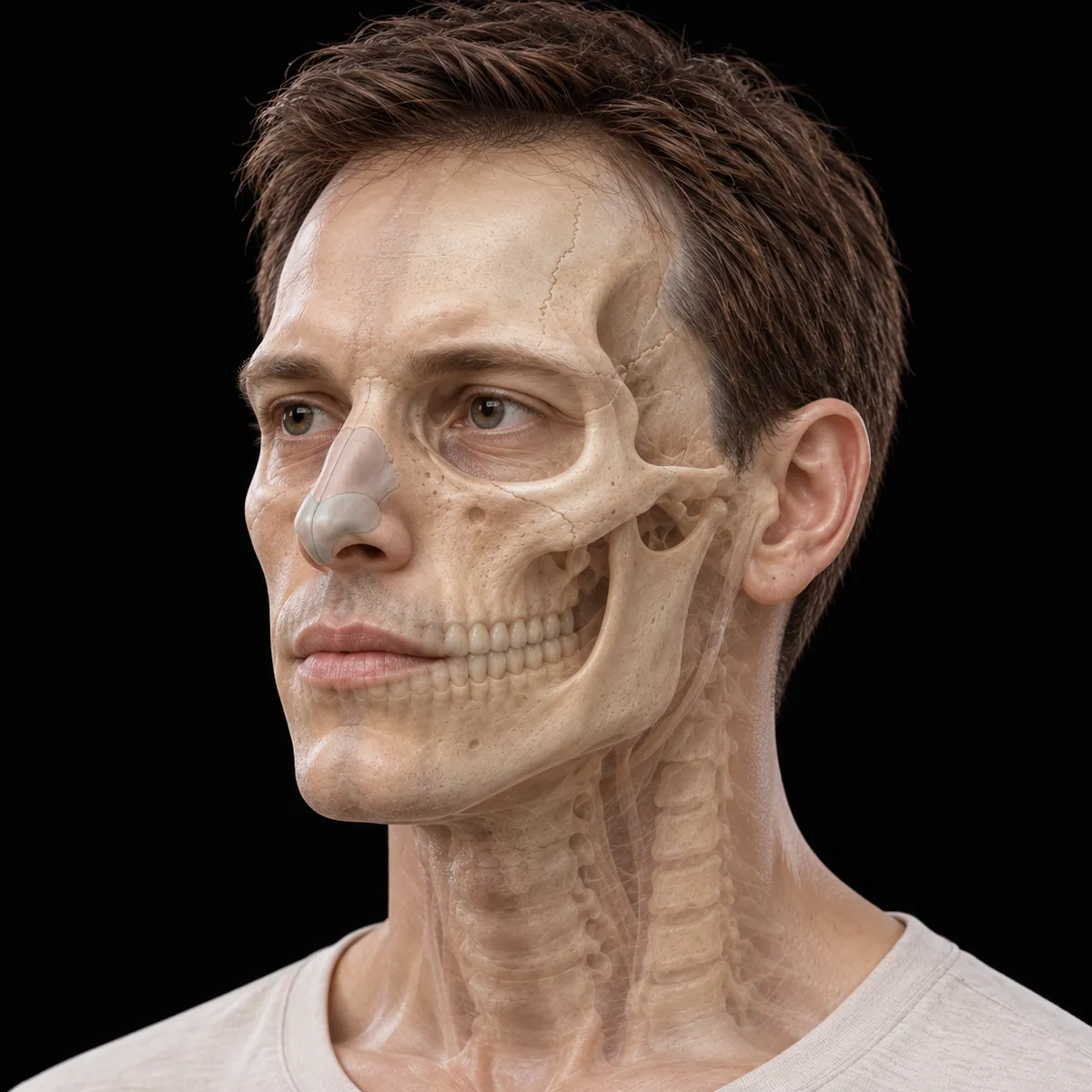
When presenting his method, Hallawell writes that it is not credible to imagine that the symbols present in the face, and what they express, have no relation to temperament. Right after, he states: “This method is not subjective.”
But a relationship seeming plausible is not the same as its being demonstrated, and the difficulty of imagining the opposite is not proof; it is just incredulity. Declaring that a method is not subjective does not make it objective, especially when the book itself does not show where that objectivity comes from. The result is everyone harmonized the same way.
Philip Hallawell, Visagismo Integrado, 2009.
The book contradicts itself

A system that associates shapes with temperaments would need, at the very least, to be consistent with itself.
Yet, in the book itself, the square face appears in the choleric and in the phlegmatic, precisely opposite temperaments; so does the triangular one; and the oval, in the melancholic and in the phlegmatic. A sign that points to two opposites indicates neither of them. So what decides the reading? Another feature, chosen afterward, or what the interpreter already knows about the person. Either way, the one who concludes is not the face, it is the interpreter. A reading that cannot be wrong cannot be right either.
Philip Hallawell, Visagismo Integrado, 2009.
Twins confront the method with a concrete question
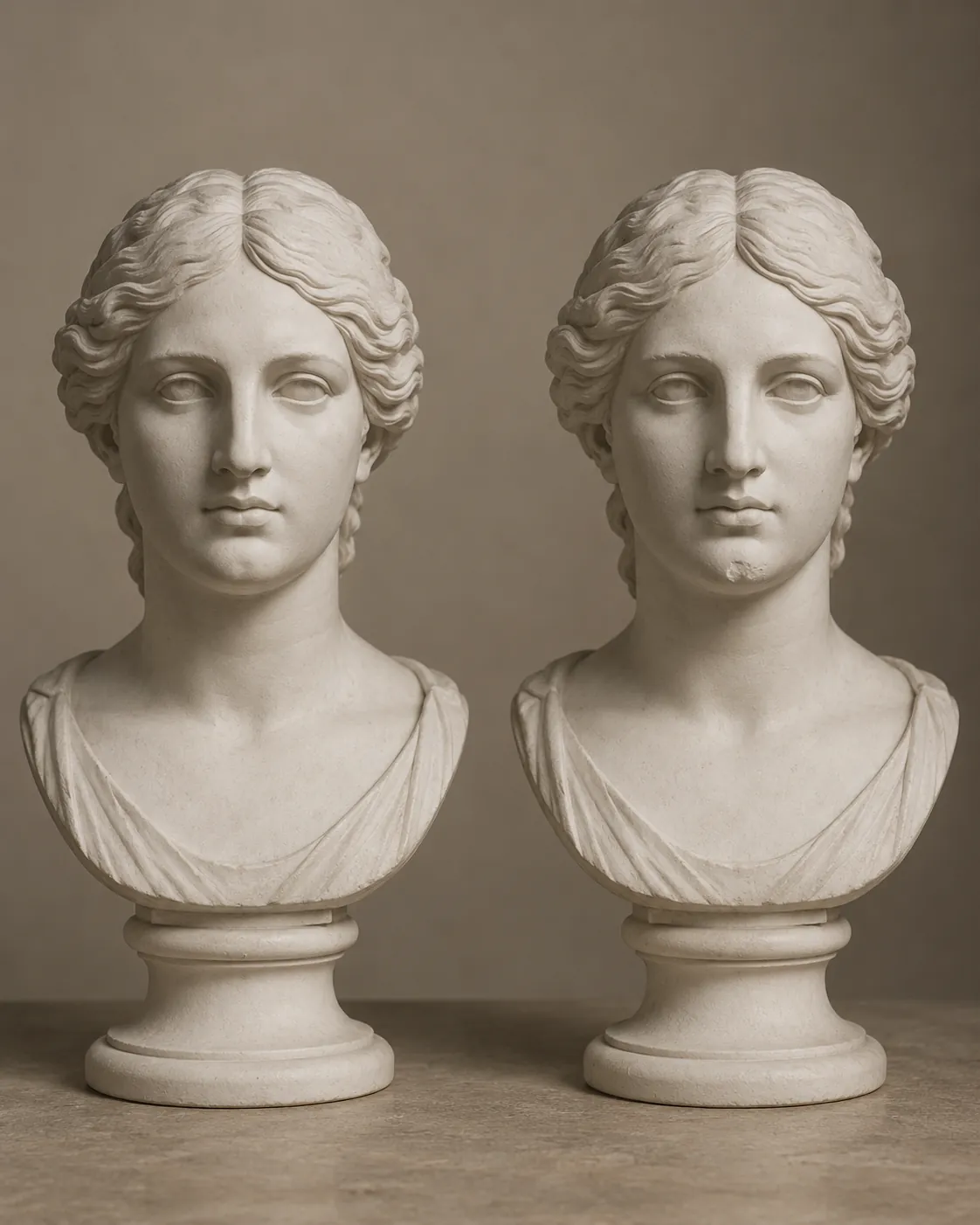
Have you ever seen identical twins with the same temperament? They have great facial similarity, with small differences mainly in the chin and jaw, and a study of 990 twin babies showed that identical twins do not always react the same way.
This raises a question the book does not answer: when very similar people differ in the dispositions visagism claims to recognize, by what criterion does the method distinguish, through the features, different temperaments in nearly identical faces?
Djordjevic et al., 2013; Planalp and Goldsmith, 2020.
Red hair is not choler

Hallawell writes that the face “reaches its definitive shape only at age 23, accompanying and reflecting the development of your personality.” But the shape of the head, the forehead, and the nose and the color of the hair and eyes are phenotypes: the visible expression of a genetic inheritance. Red hair comes mainly from variants of the MC1R gene; light eyes, from variants in the OCA2-HERC2 region.
Identical twins show this: the same inheritance produces almost the same face, but not the same way of reacting. Genetics explains where the feature comes from. To make it the sign of temperament he proposes, Hallawell would need to show what links one thing to the other, and he does not.
Philip Hallawell, Visagismo Integrado, 2009; Adhikari et al., 2016; Xiong et al., 2025.
Agreement is not accuracy
Hallawell's website says that a 2017 study, with more than a thousand participants, “proved that people read one another in a standardized way.” I could not find that study published. And, from what the website itself describes, it measured agreement, that is, whether everyone reads the face the same way, and not whether that reading gets the temperament right. Being accepted as the basis of a study is also not the same as being confirmed by it.
The published research on accuracy points the other way. A 2024 study concluded that personality impressions drawn from photos of faces are not accurate, and that most people overestimate their own accuracy. Another showed that different photos of the same person generate impressions as different as those of different people. A thousand people can agree and be wrong together.
Philip Hallawell's official website; Jaeger et al., European Journal of Personality, 2024; Todorov and Porter, Psychological Science, 2014.
Visual usefulness does not depend on that conclusion

If a defined jaw produces an impression of strength, someone may want to emphasize it; someone else may prefer to soften it to convey openness or delicacy. This work has real usefulness, and its usefulness does not depend on claiming that a defined jaw reveals a choleric temperament.
Visagism is legitimate when it answers “how do I want to be perceived?” The problem begins when it claims to answer “who am I?”
Visagism reads the image, not the person
We have examined Hallawell's chain link by link: the archetype taken as truth, the painter's experience extended to every face, LeDoux's fear rebaptized as a symbol, a study that measured agreement and not accuracy. In none of these links does the proof appear that Hallawell's correspondences identify temperament.
Until that proof appears, visagism remains what it has shown itself to be: an image technique, and not a method of temperament.