
What was Saint Faustina's temperament?
How did such a recollected young woman become the apostle of Divine Mercy? Today, on her feast day, let us find out.

Before Faustina, there was Helena
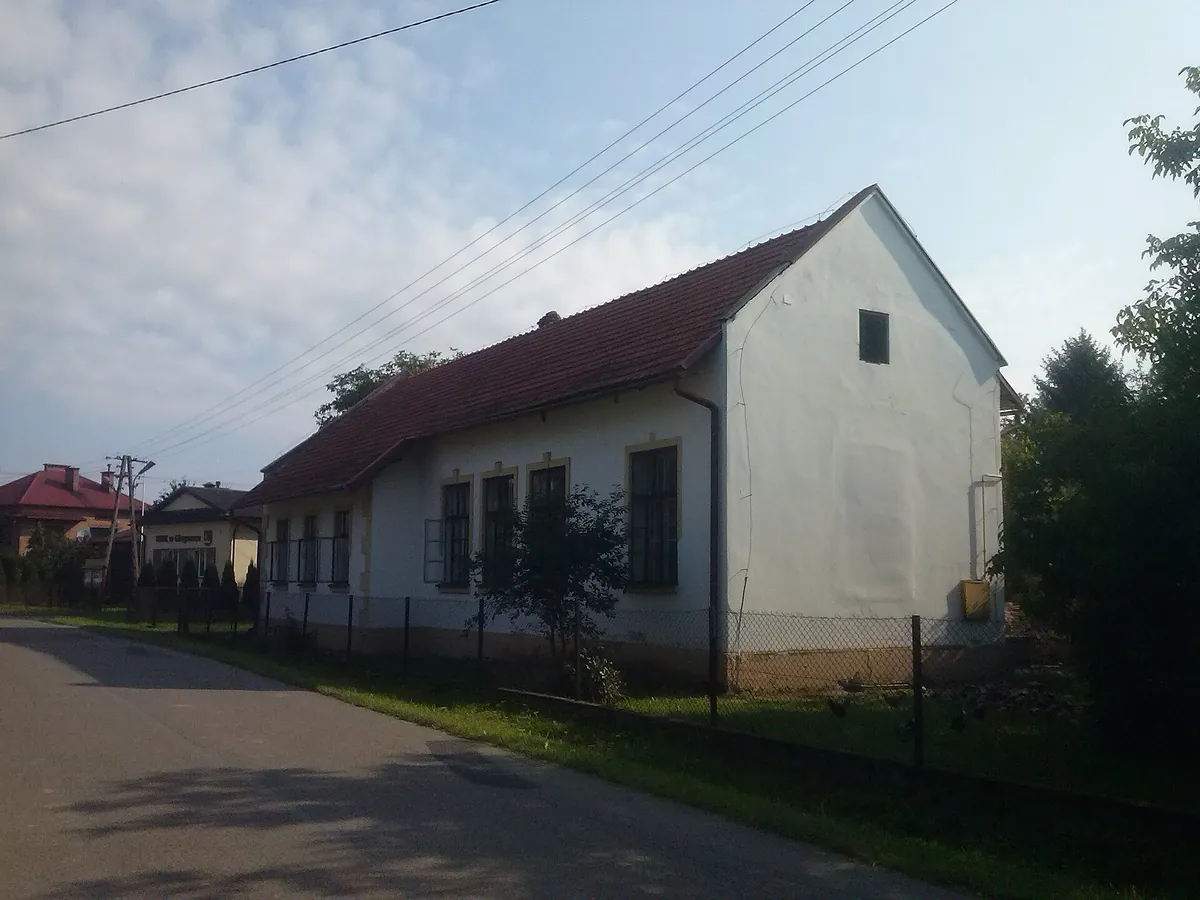
Helena Kowalska was born in 1905, the third of ten children of a poor family in rural Poland.
Her mother remembered a quiet, helpful, smiling girl. There was in her an inner life that began early and, at the same time, an affectionate disposition toward those close to her.
After her First Communion, this combination became even more visible.
A joy that began within
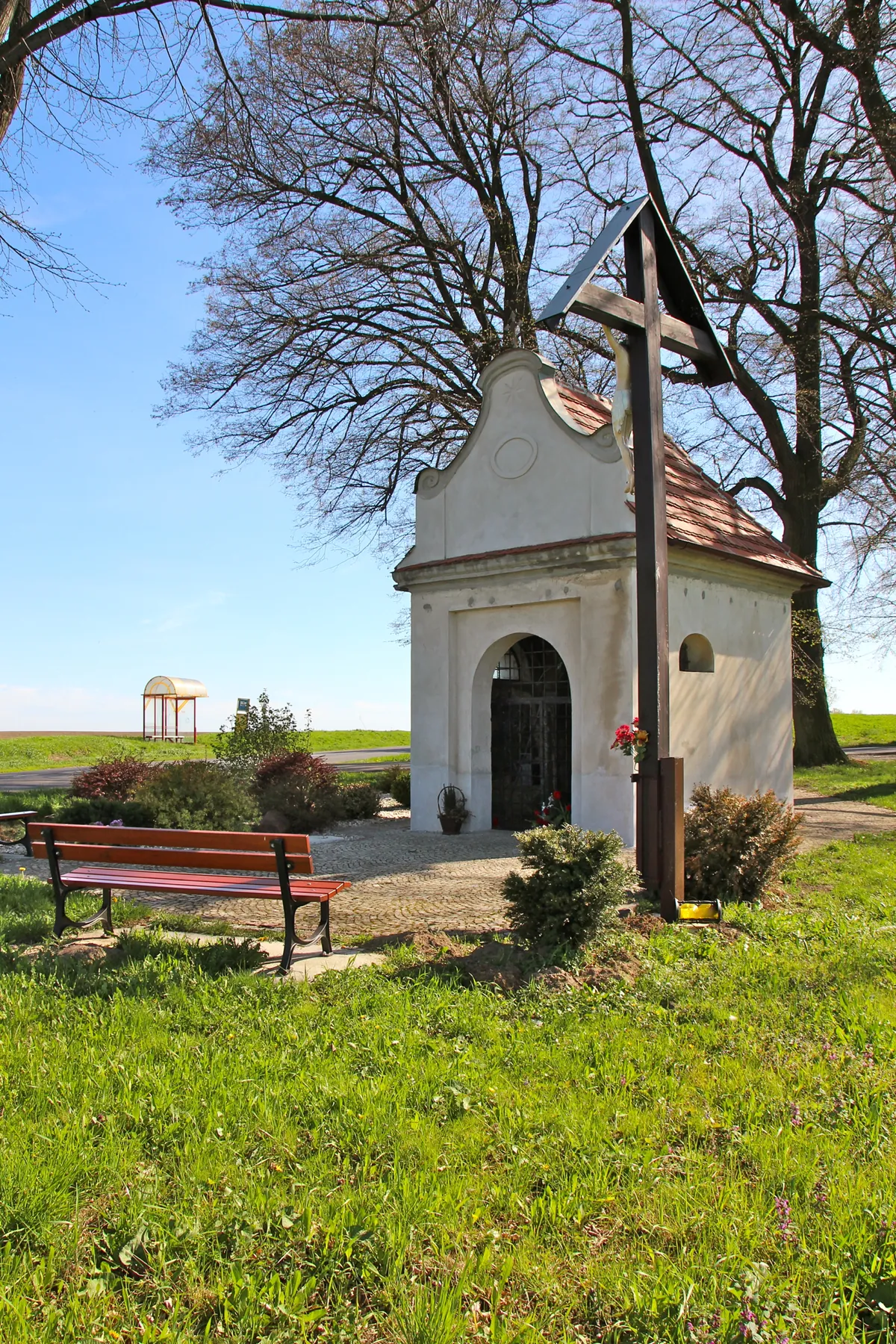
Helena began to seek more moments of prayer and recollection. At home, she set up little altars and gathered other girls to pray with her.
What she lived inwardly could become encounter and companionship, so that recollection coexisted with the joy of sharing what she loved.
As she grew, this inner center took on a direction.
The call would not go away
At sixteen, Helena began working as a housemaid. She wanted to enter a convent, but her parents would not allow it.
She even sought in amusements a way to drown out the call, but the desire to consecrate herself remained.
A conviction matured within kept asking for an answer, until, at a party, something decisive happened.
Christ found her in the middle of the party
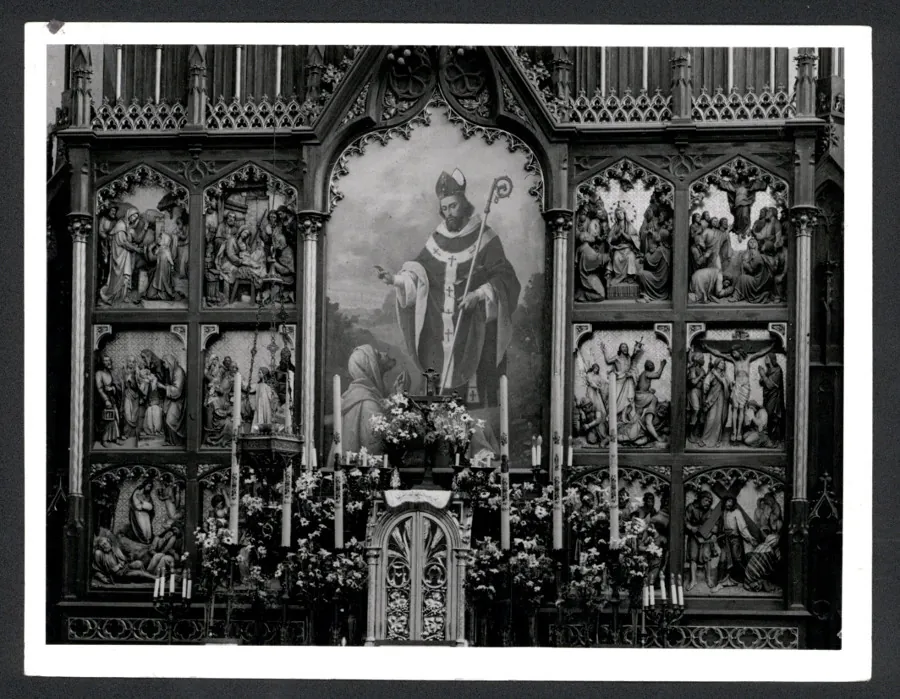
In the Diary, Faustina relates that, during a dance, she saw Christ suffering and heard a question from Him: how long would she keep Him waiting?
She left the party and went to pray in the cathedral. From there, she set out for Warsaw in search of a convent, taking only the dress she was wearing.
The swiftness did not come from her temperament, but from the encounter with Christ, which led that inner disposition to a concrete decision.
Firmness showed in constancy

To enter the congregation, Helena needed to gather the means for her trousseau.
For a year, she worked in the home of Aldona Lipszyc, caring for the children and the household chores, and saved her wages to fulfill her purpose.
The direction she had chosen did not stay at the level of intention: it sustained small decisions every day. And that house also came to know an especially joyful side of Helena.
With the children, she opened up
Aldona remembered her games with the little ones: Helena dressed up with them, sang, and laughed.
Her calm presence opened into warmth and closeness, because the intimacy of those bonds let joy show itself freely.
This woman, capable at once of recollection and of tenderness, would enter the Congregation of the Sisters of Our Lady of Mercy on August 1, 1925.
Entering the convent was only the beginning
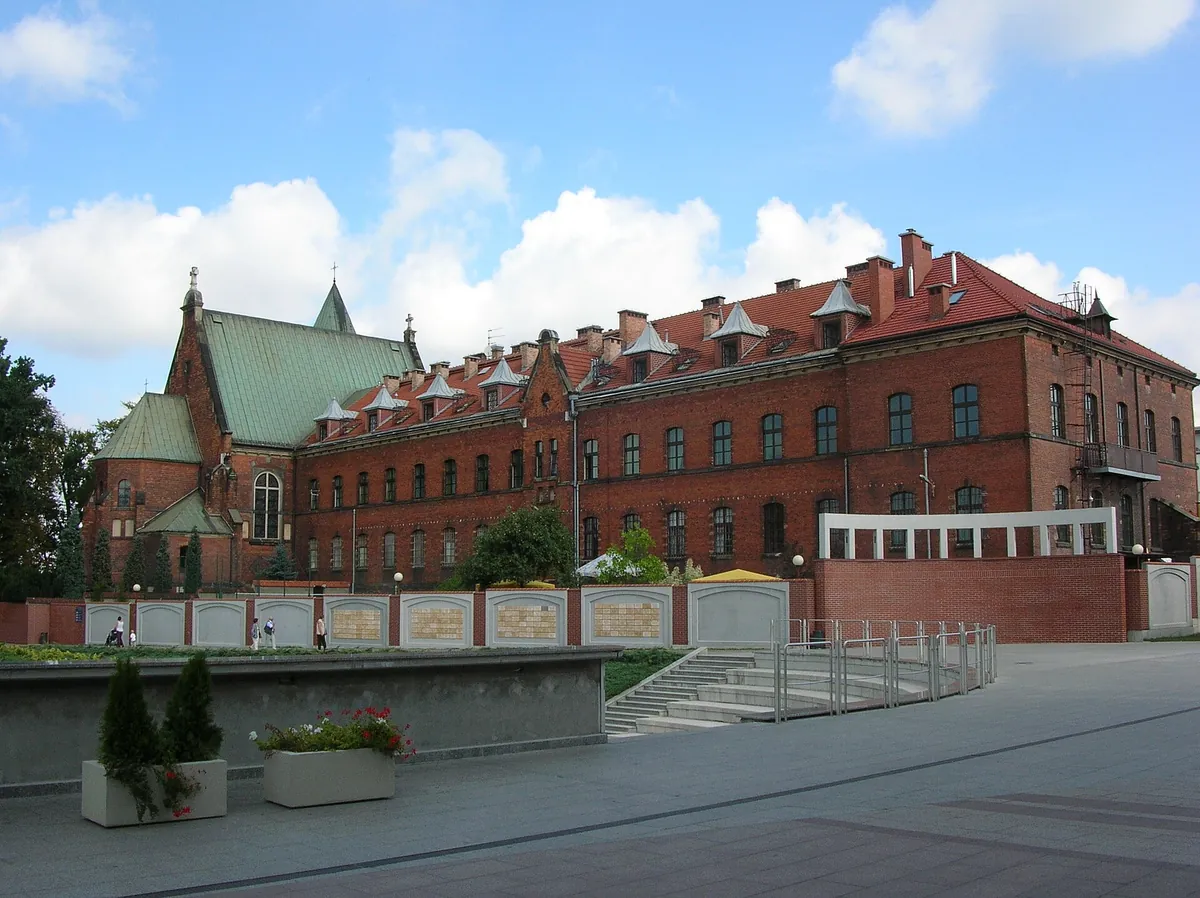
A few weeks after entering, Helena thought of seeking another community, because she wanted more time for prayer.
In the Diary, she relates that Christ asked her to remain where she was, and she stayed.
For a nature turned inward, the temptation is to look for the place where the world gets in the way less. God's will, however, was for prayer to find its place right there: in the tasks, the schedules, and the relationships of that house.
Within, there was also anguish
In the novitiate, Helena went through a period of deep spiritual darkness: she feared she had been rejected by God.
She sought help from the novice mistress and persevered in prayer.
The inner life that gave her direction could also become a place of intense suffering, and this trial accompanied her path up to her religious profession.
Her family saw her smile again
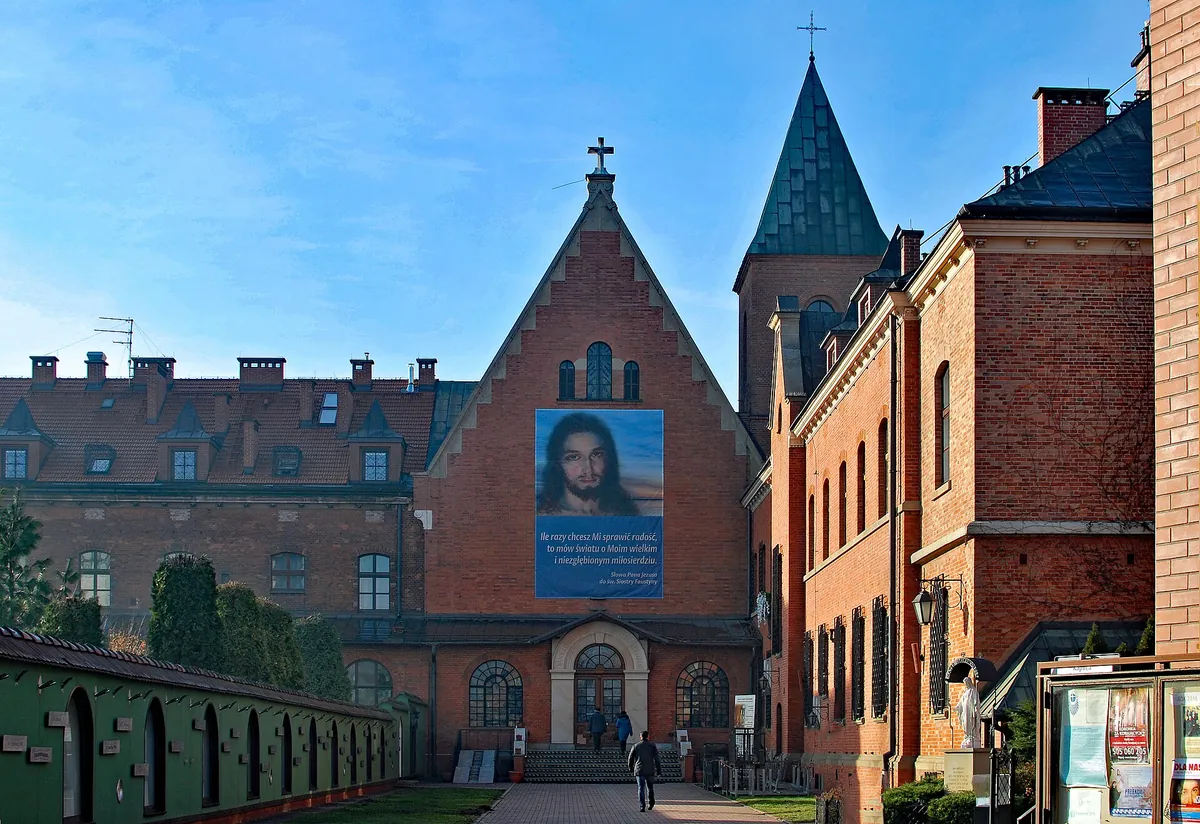
When Faustina made her first vows, in 1928, her parents came to visit her and found her happy. Her father, who had resisted her vocation so much, heard a joke from her: now he had a son-in-law, and the son-in-law was Jesus Himself.
The wit of the remark brought her family closer to that very serious choice.
She who kept so much within also knew how to offer familiarity, joy, and humor.
The mission began in ordinary work
After her vows, Faustina worked in the kitchen of the Warsaw house. Her superior remembered the effort and dedication with which she won the esteem of the young women of the house.
Inner attentiveness translated into concrete responsibility.
It was in this routine of work and care that her life was going on when she received a request that went beyond her own abilities.
A request greater than her strength

On February 22, 1931, in Płock, Faustina relates having seen Jesus and received the request to paint an image according to what she saw, with the inscription:
Jesus, I trust in You.
Faustina did not know how to paint. The mission that was to reach so many people began, therefore, with a very concrete difficulty: how to carry it out?
She needed to understand
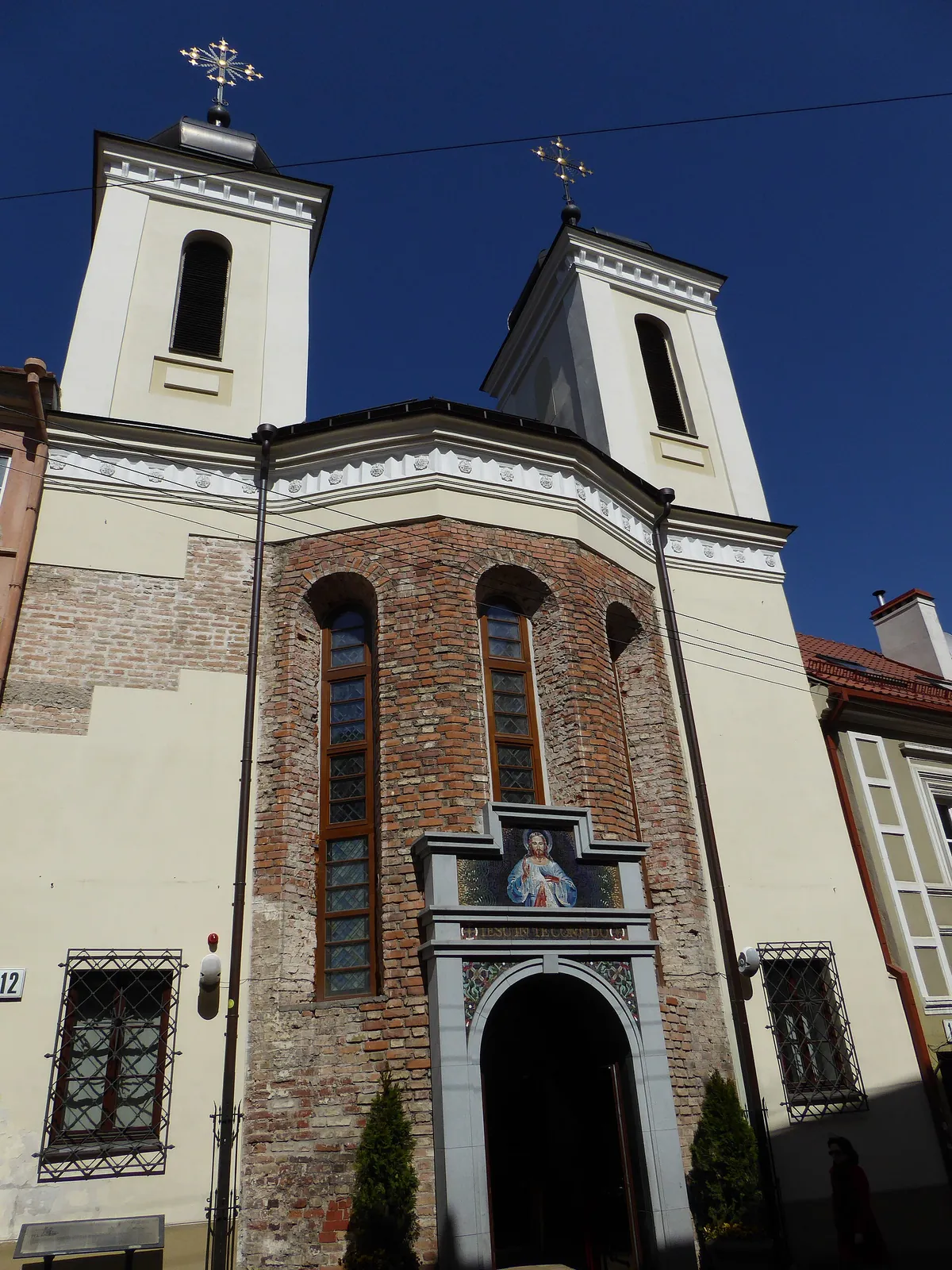
Faustina sought out confessors and superiors, because she wanted to discern the origin of what she was living and to know how to respond faithfully.
She did not distrust God; she distrusted herself, and feared confusing her own imagination with His voice. Concern for the truth went hand in hand with the desire to obey.
In Vilnius, she would find someone who would help her give shape to the mission.
The mission found support
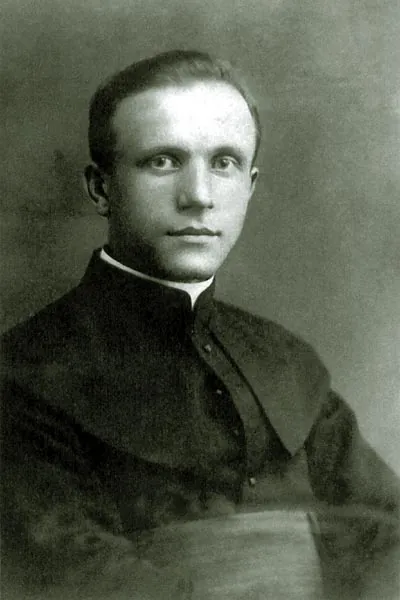
Father Michał Sopoćko became her confessor and collaborator in producing the image. Before believing, he asked her to undergo a psychiatric examination.
In his dealings with Faustina, he recognized her reserve, the precision of her accounts, and her commitment to the truth, and he also found a woman capable of accepting guidance.
In 1934, the image was painted by Eugeniusz Kazimirowski. The mission was moving forward, and moving forward meant accepting its cost.
The apostle of trust knew fear
Faustina recorded that, on perceiving the sufferings and humiliations involved in the mission, she felt fear and hesitated. Then she consented freely, relying on God's goodness.
The trust proclaimed in the image ran through her own life. To trust, there, did not mean ceasing to be afraid, but handing over to Christ what she feared.
This surrender would take the form of care for others.
Mercy had faces
Already ill with tuberculosis, Faustina found joy in accompanying the dying with her prayer.
A sister who visited her in the hospital remembered her cheerful disposition and her interest in those around her.
Her recollected life remained open to the suffering of others and, in her frailty, she kept that capacity for closeness that had appeared so early.
In her last letter, peace
In August 1938, with her hand weakened by illness, Faustina wrote to the superior general. She spoke of her suffering, of her surrender to God's will, and of the deep peace with which she awaited death.
She died on October 5, 1938, in Kraków, at the age of 33. That is why the Church celebrates her today.
From the recollected girl to the religious sister at the threshold of death, her story lets us recognize a continuity.
Saint Faustina: Melancholic-Phlegmatic
According to Axis Ratio, set against the recorded facts of her life, Saint Faustina was melancholic-phlegmatic.
Her persistent inwardness, deep sensitivity, and need to understand coexisted with a calm, affectionate presence. That is why her recollection was not coldness, and her joy with the children and with her family was not openness to everyone: it opened up where there was intimacy.
Temperament does not explain the mission. It shows the concrete woman who answered Christ's call and became the apostle of Mercy.
A gift of God for our time

At her canonization, on April 30, 2000, Saint John Paul II presented Faustina as “a gift of God for our time” and established Divine Mercy Sunday for the whole Church.
He emphasized that her message reaches especially those who suffer, those who carry the weight of their own sins, and those who have lost hope.
That hidden life came to offer the world an invitation to trust and to concrete mercy toward one's neighbor. And, for those who share the same recollected and sensitive nature, she shows that trust does not require ceasing to feel fear; it requires surrendering it.
A tribute that may reach someone
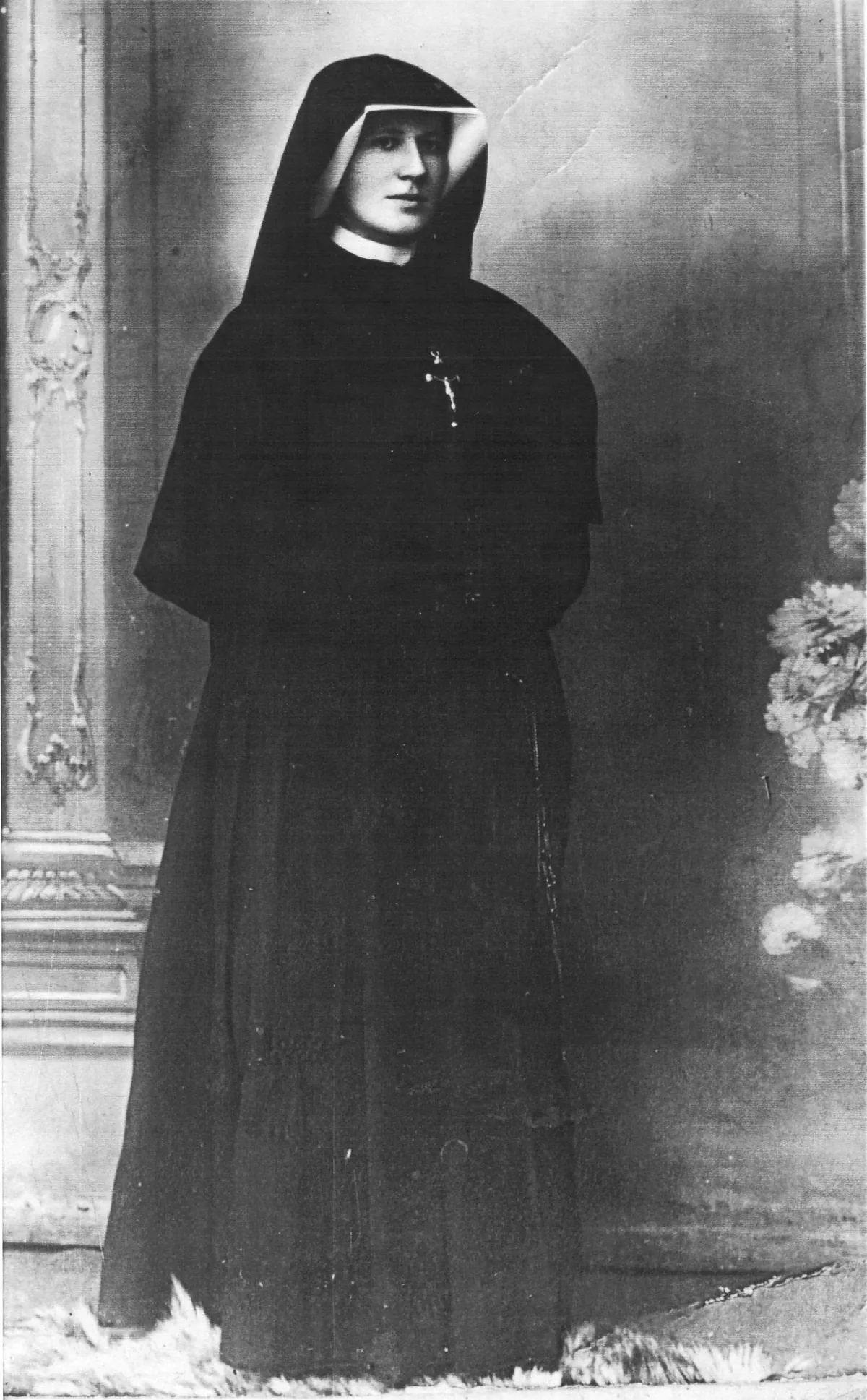
Saint Faustina Kowalska, pray for us.