
What was the temperament of Saint Augustine?
As a young man, he won debates so he would not have to admit he was wrong. As an old man, he reread, one by one, the 93 works he had written and corrected even his own Confessions.
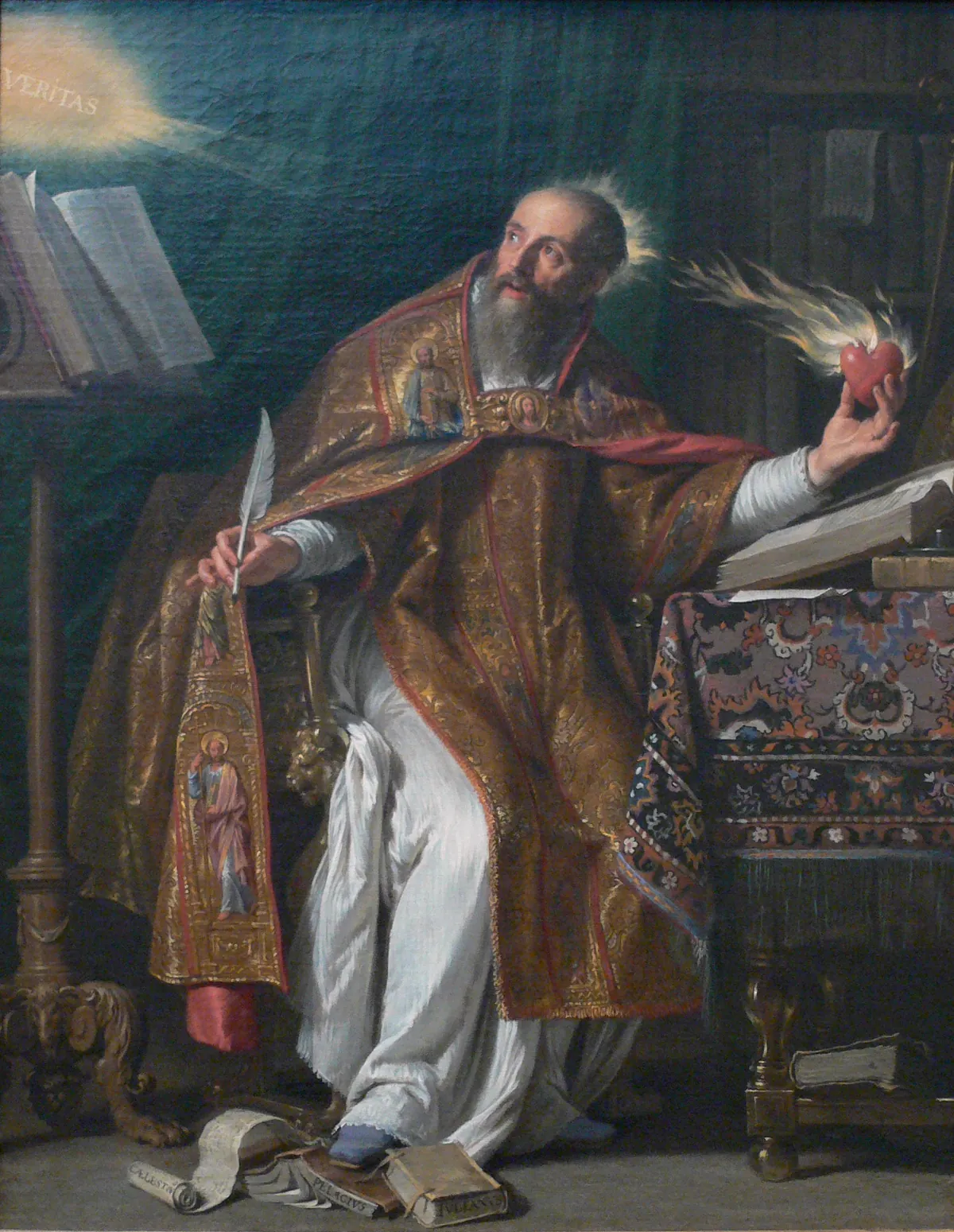
The boy wanted to win
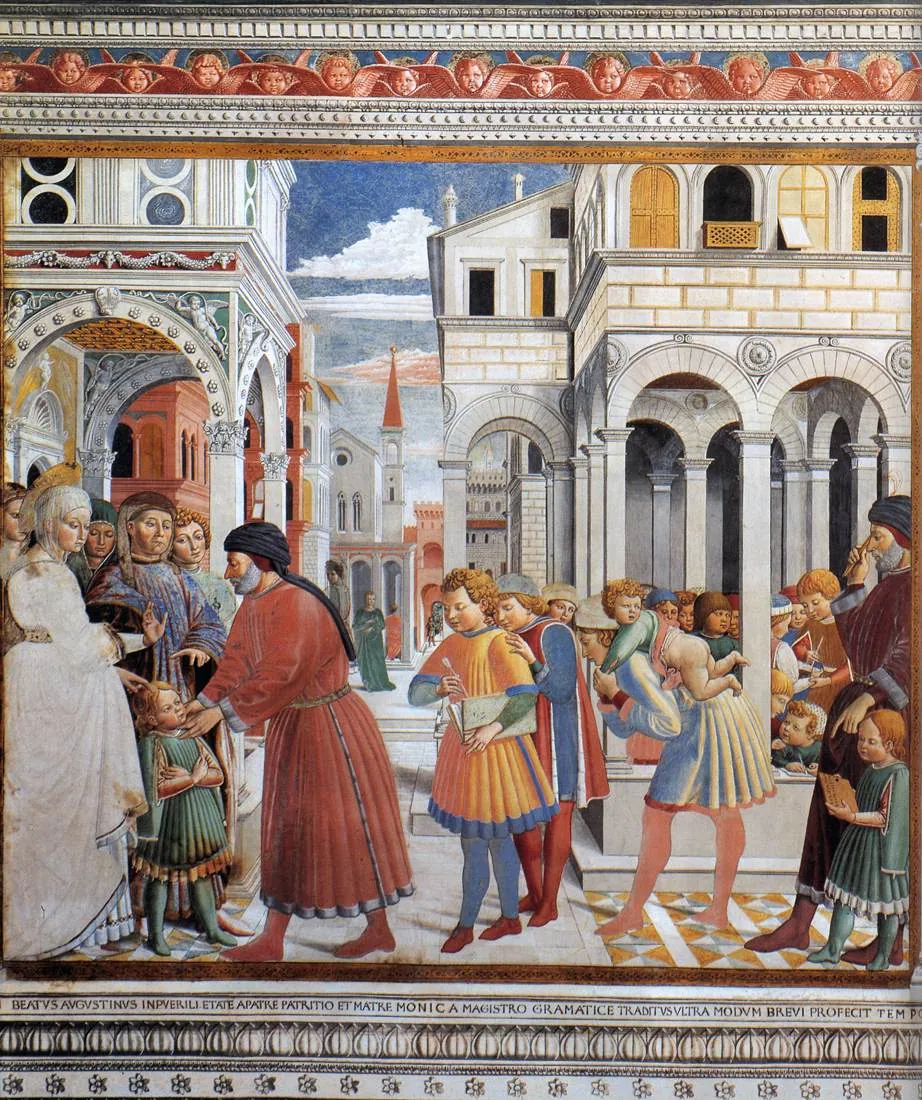
Augustine was born on November 13, 354, in Thagaste, in North Africa, in what is now Algeria. His father, Patricius, was a pagan; his mother, Monica, a Christian.
In the Confessions, he tells us that as a boy he loved games for the honor of winning. To win, he cheated; when he caught a friend doing the same, he scolded him harshly; and when he was the one caught, he would rather fight than give in.
In his temperament, defeat weighs like an insult, and the desire to win showed up long before any office or career.
At 19, a book changed his goal
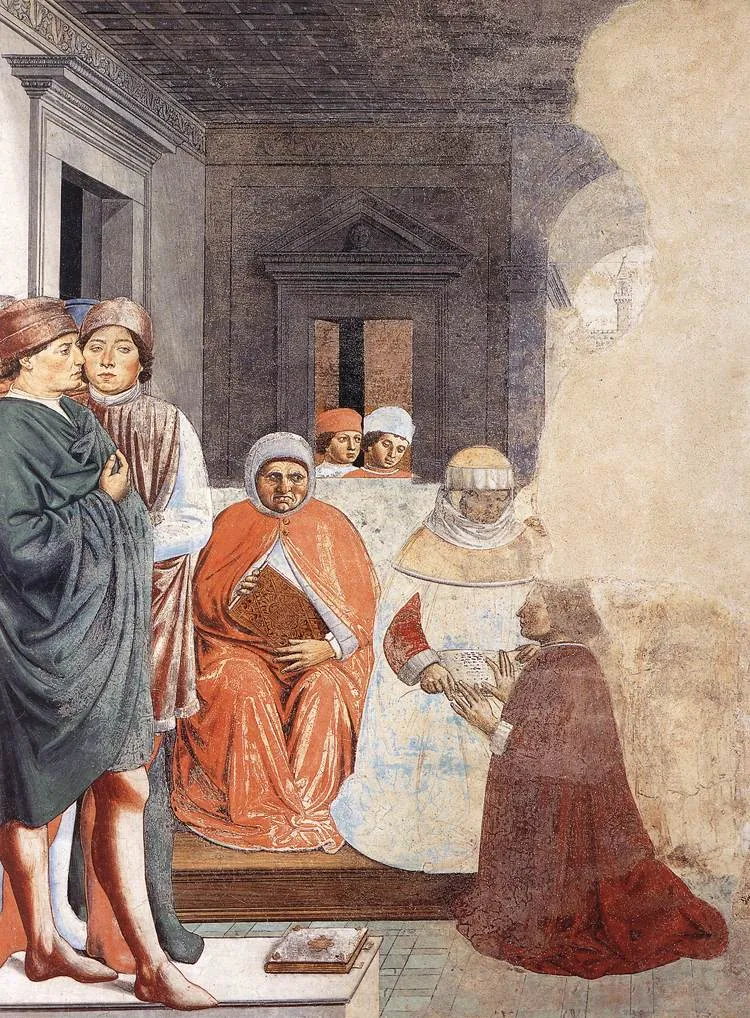
A student of rhetoric in Carthage, Augustine read Cicero's Hortensius, an invitation to philosophy. In the Confessions, he says that book changed his affections and that he began to long for wisdom with an incredible ardor.
The book did not give him the truth, it gave him the desire to look for it, and the search first took him to the wrong place: the Manichaean sect, which promised to explain everything by reason.
In his temperament, a great goal summons all of his strength, and he went after wisdom the way he once went after victory in games.
He won the debates and stayed in error
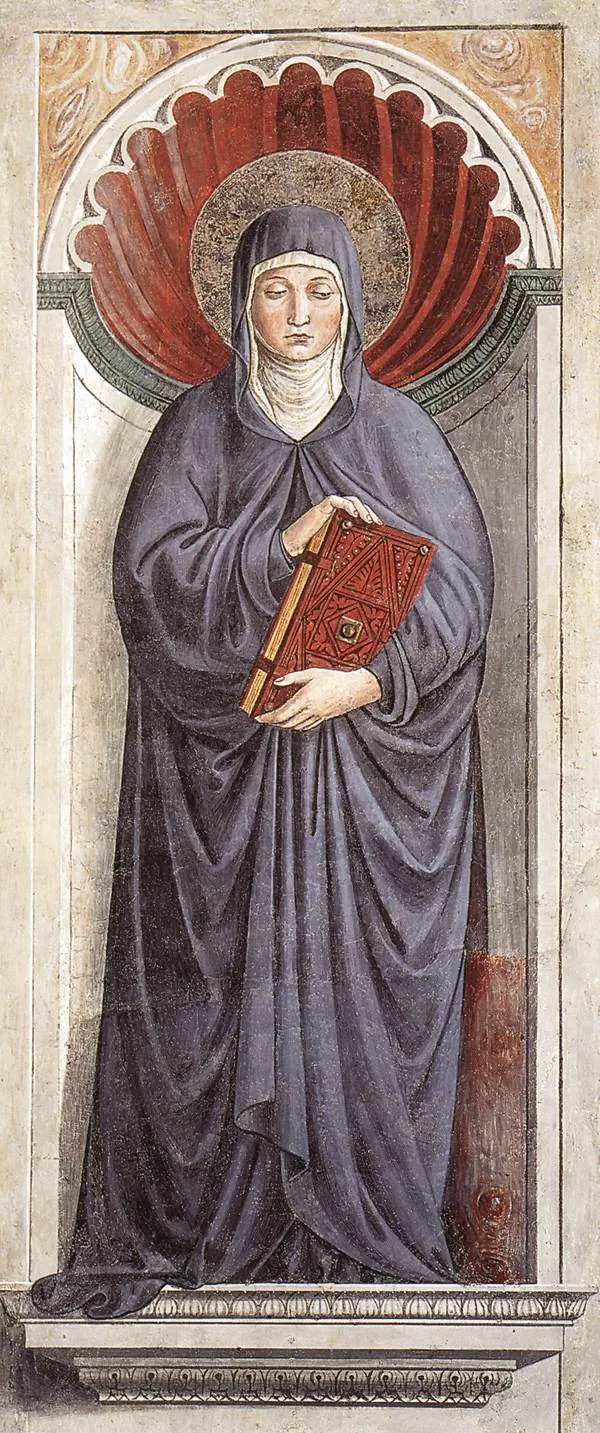
As a Manichaean, Augustine argued with poorly prepared Christians and almost always won. Years later, he confessed that these victories deepened his attachment to the sect: he approved of certain ideas because he wanted them to be true.
Meanwhile, Monica wept for her son, and a bishop comforted her with words that have crossed the centuries: "It is not possible that the son of so many tears should perish."
In his temperament, winning an argument weighs a great deal, and it was Augustine himself who later saw that easy victory kept him from examining what he defended.
He refused help to win a prize
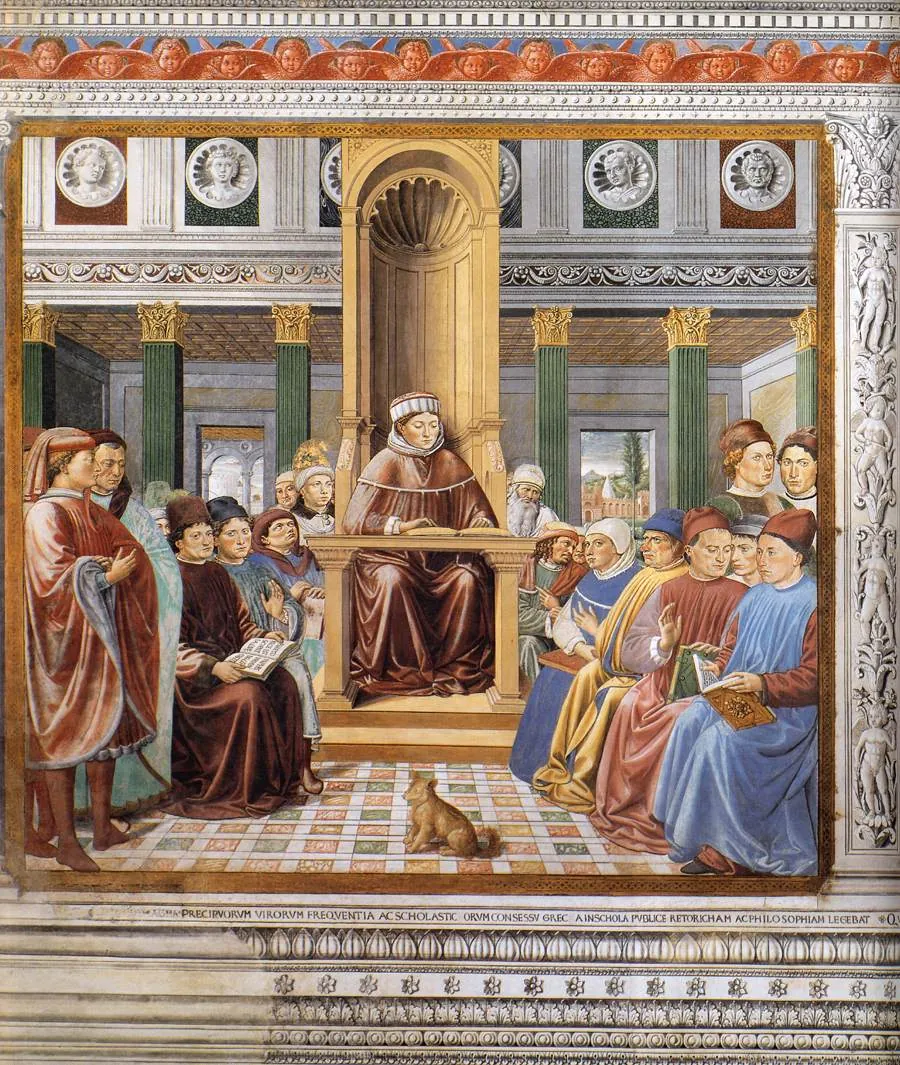
As a teacher of rhetoric, Augustine competed in poetry contests in Carthage. In the Confessions, he tells how a soothsayer offered him animal sacrifices to guarantee victory. His answer: even if the crown were of imperishable gold, he would not let a fly be killed to win.
In one of those contests, the proconsul himself placed the crown on his head.
In his temperament, victory matters a great deal, but it must be won by his own work: a crown obtained by other means would not count as his victory.
The famous sage could not answer
For years, the Manichaeans promised him that Faustus, the sect's great teacher, would settle all his doubts. When Faustus came to Carthage in 383, Augustine enjoyed listening to him, but his questions remained unanswered, and Faustus himself admitted he did not know.
Augustine praised his frankness and went on studying literature with him. But his trust in the sect collapsed there, and that same year he left for Rome.
In his temperament, strength wants to win, and measure demands that the victory have substance: a fine speech without an answer could not hold him.
He came to Milan to climb in his career

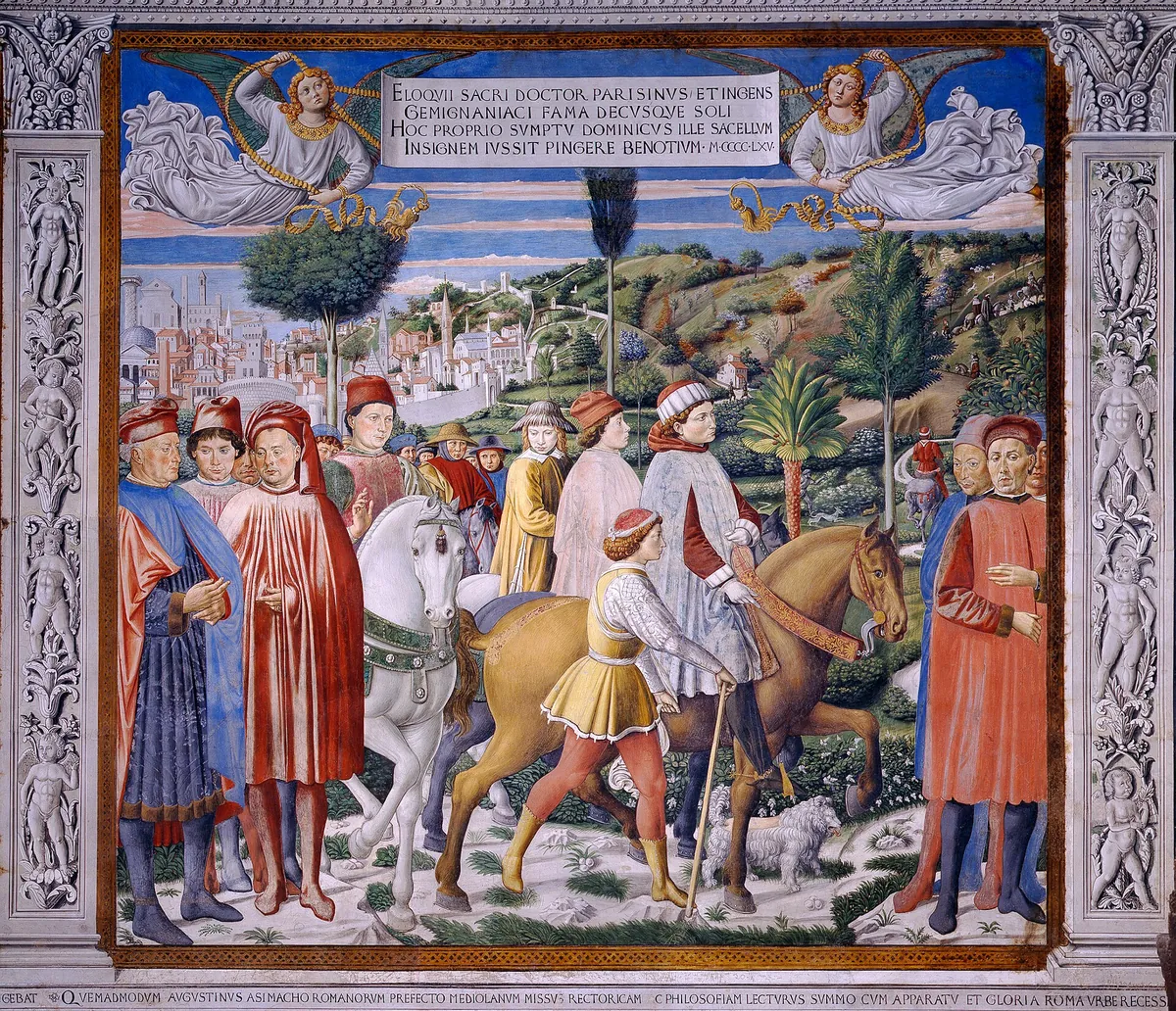
In 384, Symmachus, the prefect of Rome, heard Augustine give a speech and chose him as the official professor of rhetoric in Milan, where the emperor's court lived. It was a prestigious post and a door to higher offices.
In Milan, Bishop Ambrose received him kindly. Augustine went to the sermons to appreciate the oratory, but little by little the content got in too, and the faith he had thought indefensible began to have answers.
In his temperament, the career was a hard and legitimate goal, and he went after it with everything, not knowing that in Milan he would find another goal.
A beggar seemed happier than he was

Once, Augustine was preparing a speech in praise of the emperor, full of lies that would be applauded by people who knew they were lies. On the way, he saw on a street in Milan a cheerful beggar, probably already drunk, joking without a care.
He remarked to his friends: with all that effort, he was chasing the joy the beggar had already gotten with a few coins.
In his temperament, ambition that nears the top begins to measure the price, and the melancholic measure showed Augustine that success in his career gave him no rest.
The woman he loved went back to Africa
For about fifteen years, Augustine lived with a woman whose name the Confessions do not record. With her he had a son, Adeodatus, which means "given by God."
To marry a girl from a good family, he accepted the separation. The woman went back to Africa vowing never to know another man and left their son with his father. Augustine wrote that his heart, which clung to hers, was wounded and bleeding.
In his temperament, the plan to rise weighed heavily, and it was he himself who later told this story without sparing himself.
"Take up and read."
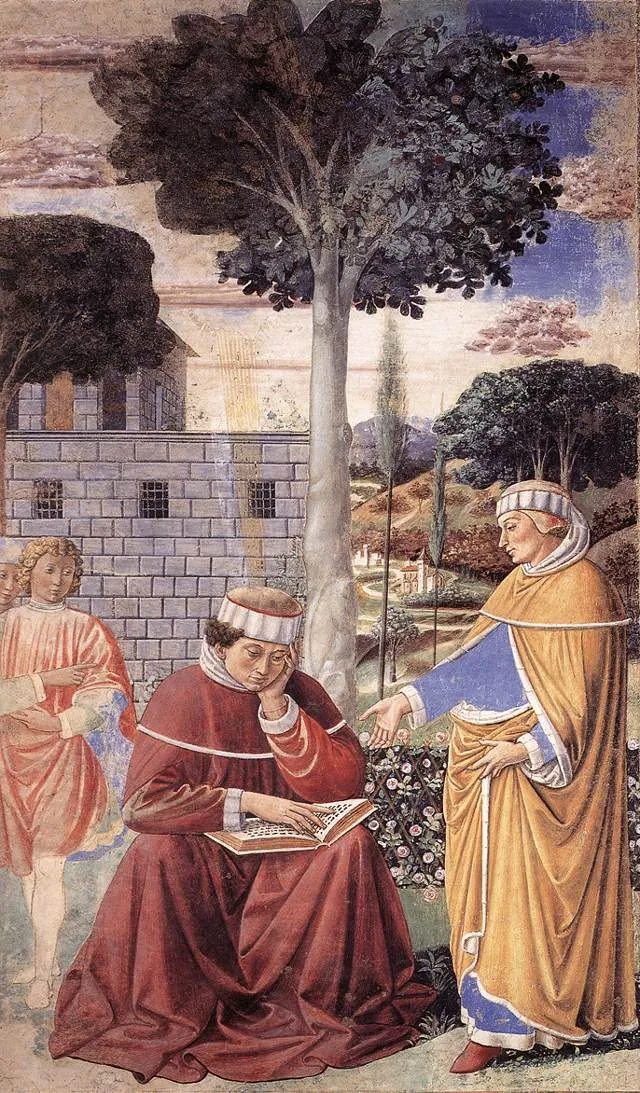
In August 386, Augustine already believed what the Church taught, but could not change his life. In a garden in Milan, weeping, he heard a child's voice repeating: "Take up and read, take up and read."
He opened the letters of Saint Paul and read: "Not in revelry and drunkenness, not in debauchery and licentiousness; but put on the Lord Jesus Christ." His doubt ended there. His friend Alypius read the next verse and joined him, and the two went to tell Monica.
In his temperament, when the decision comes, it comes whole: he gave up his career and the planned marriage.
In Ostia, mother and son contemplated together

Baptized by Saint Ambrose at Easter in 387, Augustine decided to return to Africa with his mother. In Ostia, waiting for the ship, the two talked at a window about eternal life and, for an instant, felt they touched it together.
A few days later, Monica fell ill and died, at 56. Augustine held back his tears in front of everyone and only wept afterward, alone, remembering his mother before God.
In his temperament, strength holds the scene in public, and measure keeps the whole grief until the moment to offer it up.
Before he was a priest, he was already organizing

Baptism did not leave Augustine idle. Back in Thagaste in 388, he gave up his property, gathered friends, and set up a community of prayer, study, and work, writing letters and inviting others to live as they did.
There he also lost Adeodatus, who died while still a teenager and whose intelligence his father admired.
In his temperament, conversion did not put out his initiative, it gave it another end: the man who once organized his career began to organize a whole life for God, without waiting for anyone to appoint him to it.
He wept when they made him a priest

In 391, Augustine went to Hippo to look for a place for a monastery. In the church, Bishop Valerius said he needed a priest, and the people seized Augustine and brought him to him. According to Possidius, his biographer, he was weeping.
Soon after, he wrote to Valerius asking for time until Easter to pray and study the Scriptures, because he saw himself as unprepared to care for people. Four years later, he was bishop of Hippo.
In his temperament, to take on a charge is to take on the duty of doing it well, and he preferred to confess what he lacked rather than begin badly.
Applause was not enough

In 418, Augustine preached in Caesarea in Mauretania against a terrible custom: every year, for several days, relatives and neighbors split into two sides and fought each other with stones, to the death.
The people applauded the sermon. But, as he tells in On Christian Doctrine, the applause did not convince him: he kept speaking until he saw tears, and only then did he have hope. Years later, he recorded that the custom had not been repeated for eight years or more.
In his temperament, victory is the result, not the applause, and the standard is only satisfied when the work is truly done.
He made a mistake, and owned it

For the small town of Fussala, Augustine put forward as bishop the young Antoninus, raised in his monastery. The candidate chosen earlier had withdrawn at the last minute, and he decided in a hurry. Antoninus abused the community.
Augustine did not hide behind his office. He wrote to Pope Celestine acknowledging that he should have waited, investigated the complaints, and worked to protect the people. He even thought of leaving the episcopate, so heavy was the weight on his conscience.
In his temperament, strength can rush, but measure does not let the mistake pass: he himself pointed it out and tried to make it right.
At the end of his life, he corrected his own books
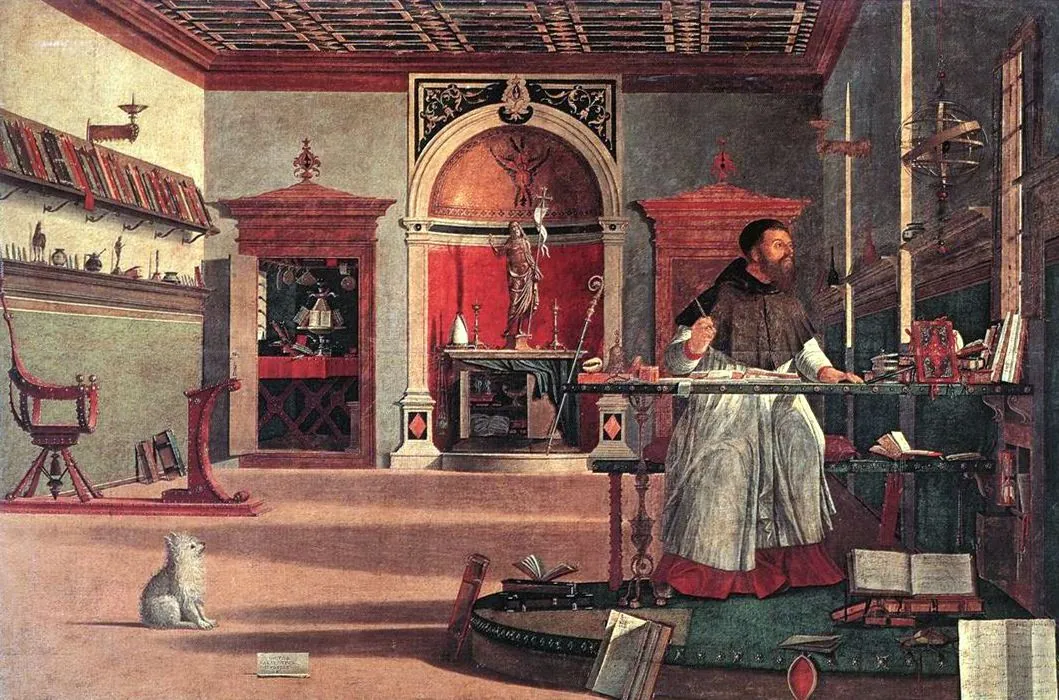
In 426, Augustine presented Heraclius, one of his priests, as his successor and asked the people to bring the day's business to him, so as to gain time for study. And he used that time in a rare way: he reread, one by one, the 93 works he had written and noted what needed correcting. The book is called the Retractations.
He corrected even the Confessions: a moving sentence about the death of a friend he judged overdone, "a light declamation."
In his temperament, the work is only finished when it is right, and no one was more demanding with Augustine's books than Augustine himself.
Choleric-melancholic
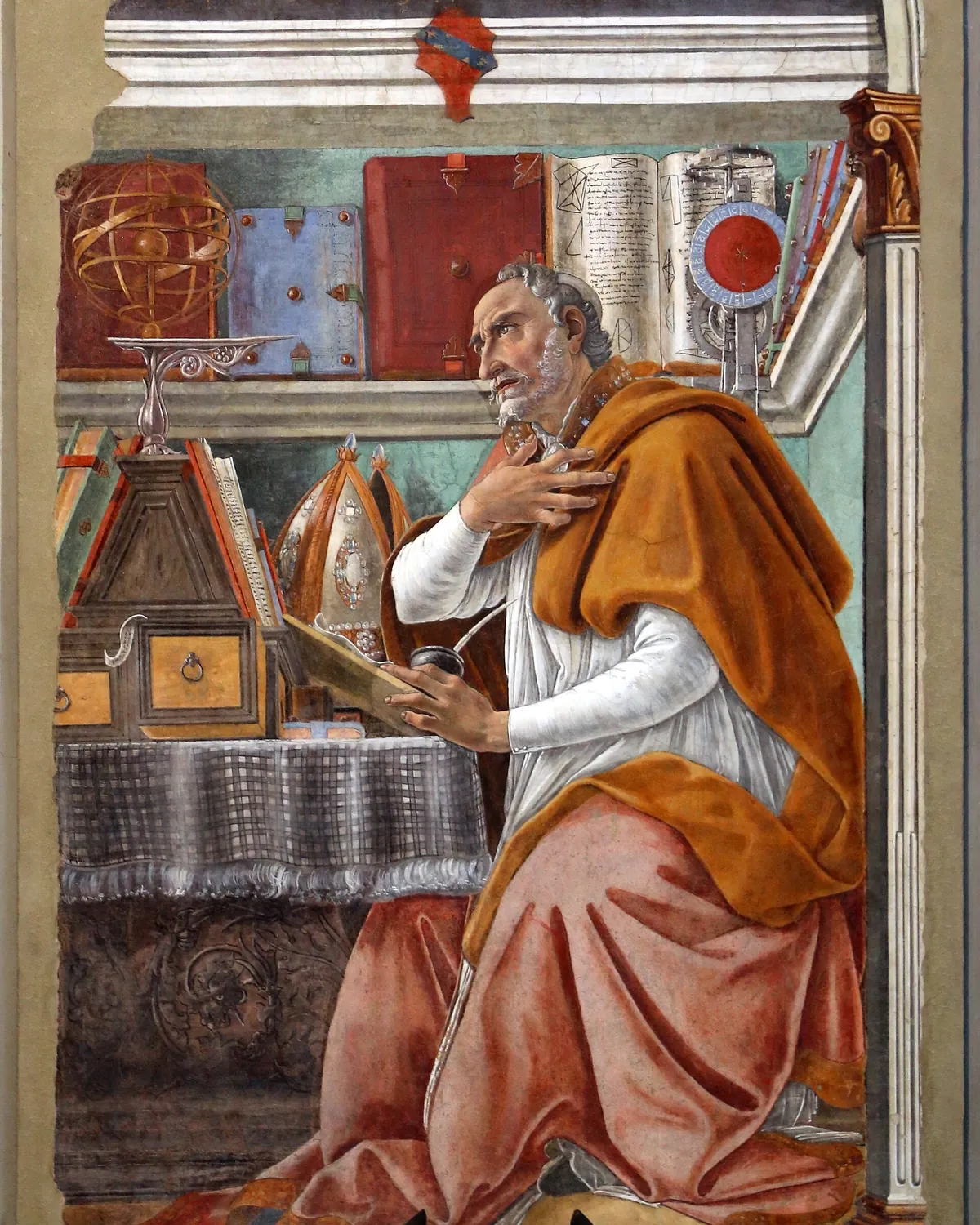
According to Axis Ratio, the most coherent reading of Saint Augustine's life is that he was choleric-melancholic.
Choleric strength rules: from boyhood he wanted to win, and later he carried that strength into his career, his community, his sermons, and his controversies. Melancholic measure comes to serve that strength, because winning is not enough: the victory must have substance and the work must come out right, including his own work.
The symbol of the choleric-melancholic is the closed circuit: energy runs at full strength, but within a precise track that returns to each point until it is right.
The marks of the choleric genus
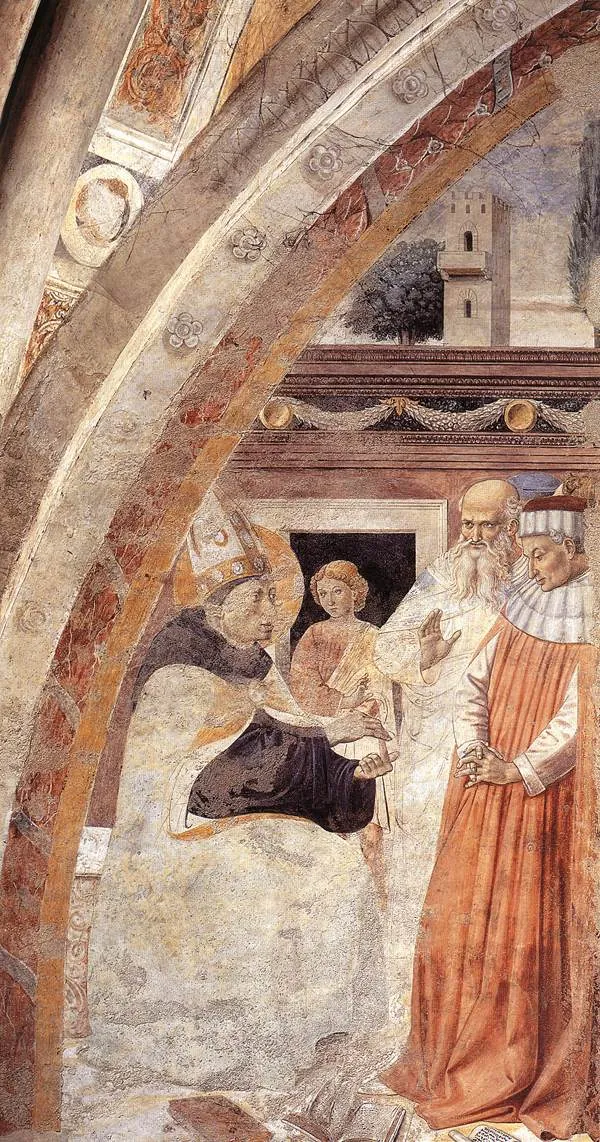
Every choleric has a natural inclination toward what is arduous, and in Saint Augustine it shows like this:
- Desire to win: as a boy, he loved games for the honor of victory and would not give in when he lost.
- Initiative: he founded the community at Thagaste before he was ordained.
- Persistence: he stood up to his own people to end the drinking feasts in the churches of Hippo.
- Courage in debate: he spent decades in controversies, against Manichaeans, Donatists, and Pelagians.
The choleric, then, goes out to meet what is difficult, and Augustine left no dispute he thought important unanswered.
The marks of the choleric-melancholic
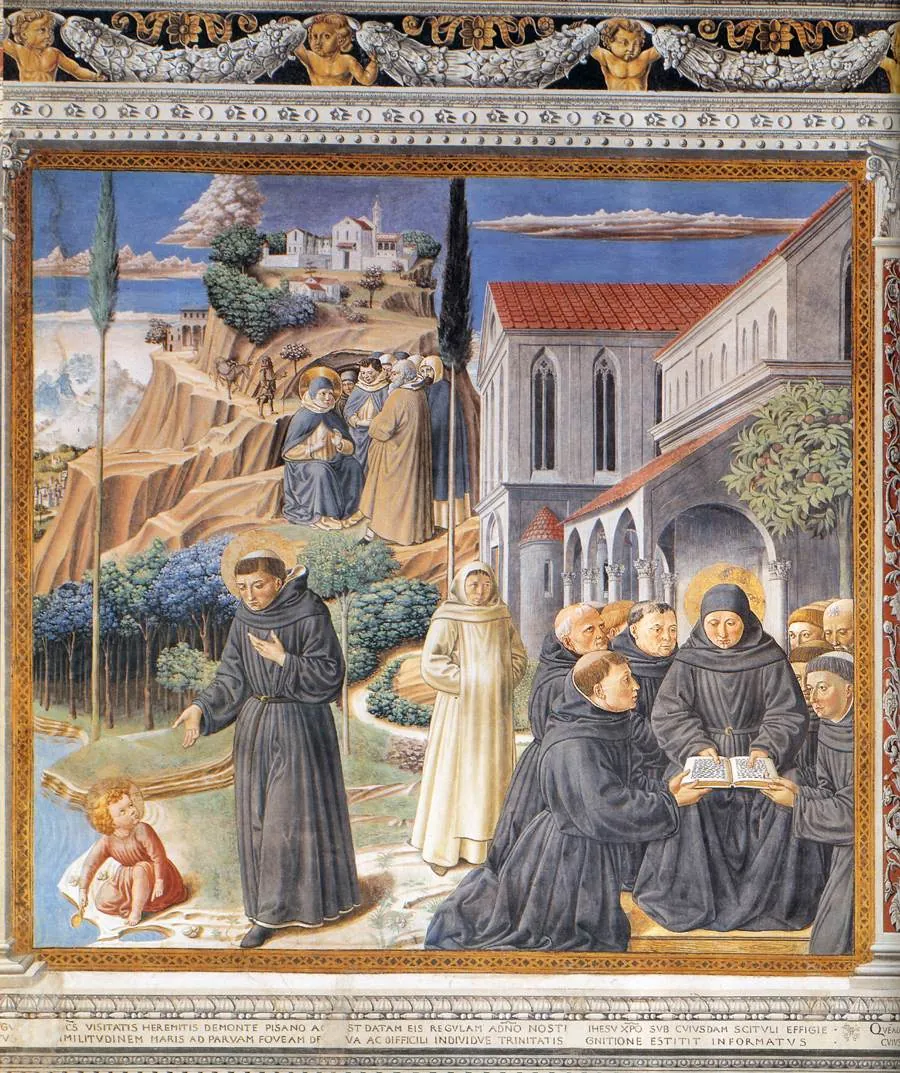
In the choleric-melancholic, strength comes with a standard: doing is not enough, it has to be done well. In Saint Augustine:
- Preparation: when made a priest, he asked for time to study before caring for the people.
- Results over applause: in Caesarea, he only had hope when he saw the change.
- Demanding with his own work: he reviewed the 93 works he had written.
- Admitting mistakes: he acknowledged his haste in Fussala and worked to repair it.
That is why, in him, even victory had to pass through examination, and the examination began with himself.
"Late have I loved you."
In the Confessions, Augustine wrote: "Late have I loved you, O Beauty ever ancient, ever new, late have I loved you!" The boy who wanted to win discovered that his heart would rest only in God.
He died in Hippo on August 28, 430, with the city besieged by the Vandals, reading the penitential psalms he had had written on the wall. He is a Doctor of the Church, and his memorial is celebrated on August 28. Saint Augustine, pray for us.