
What is the temperament of Juscelino Kubitschek?
He asked for designs by the next day, pressed the engineers in meetings and dined with them at night, and not even in exile did he stop calling people to a new project. What kind of disposition is this?
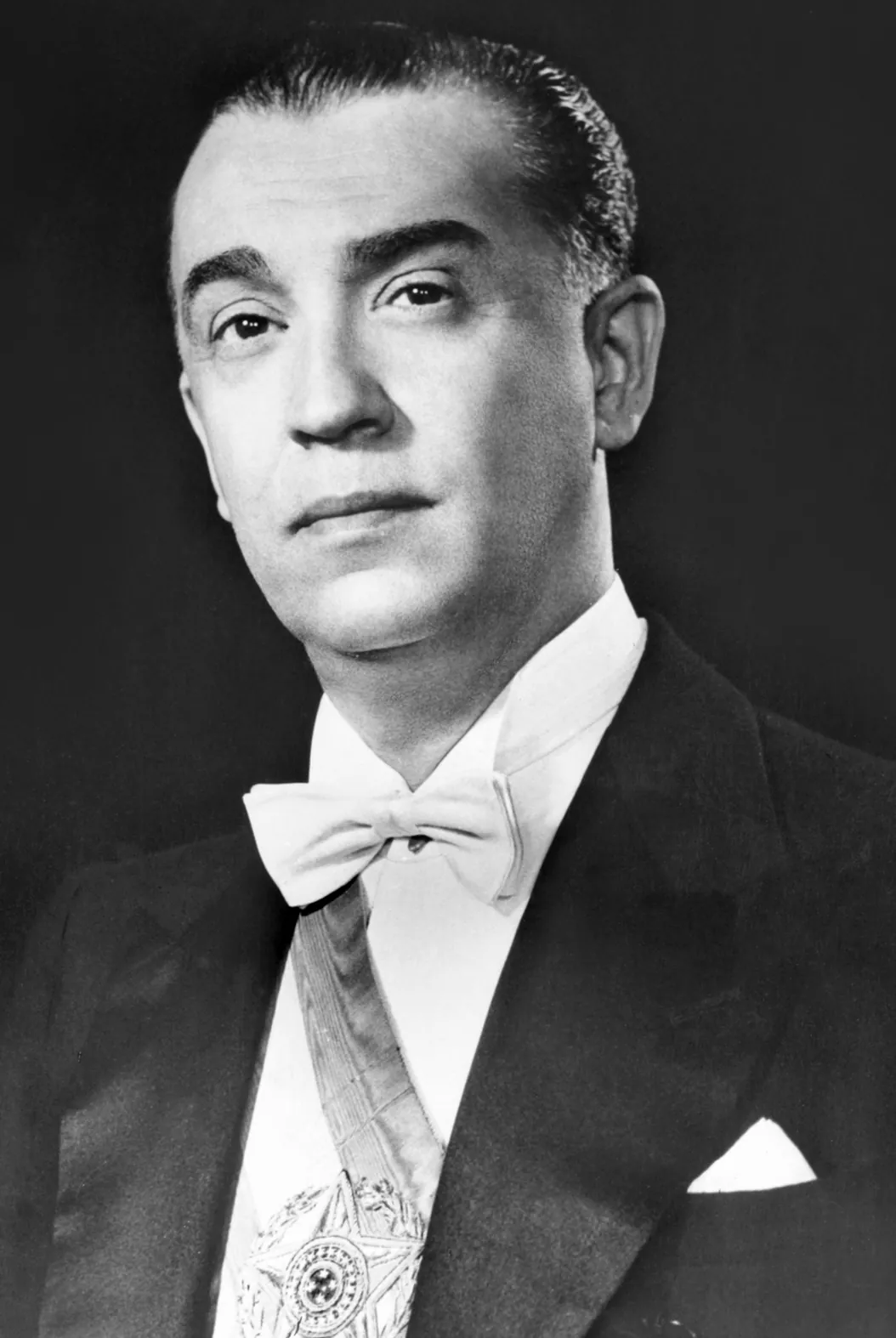
He promised fifty years in five
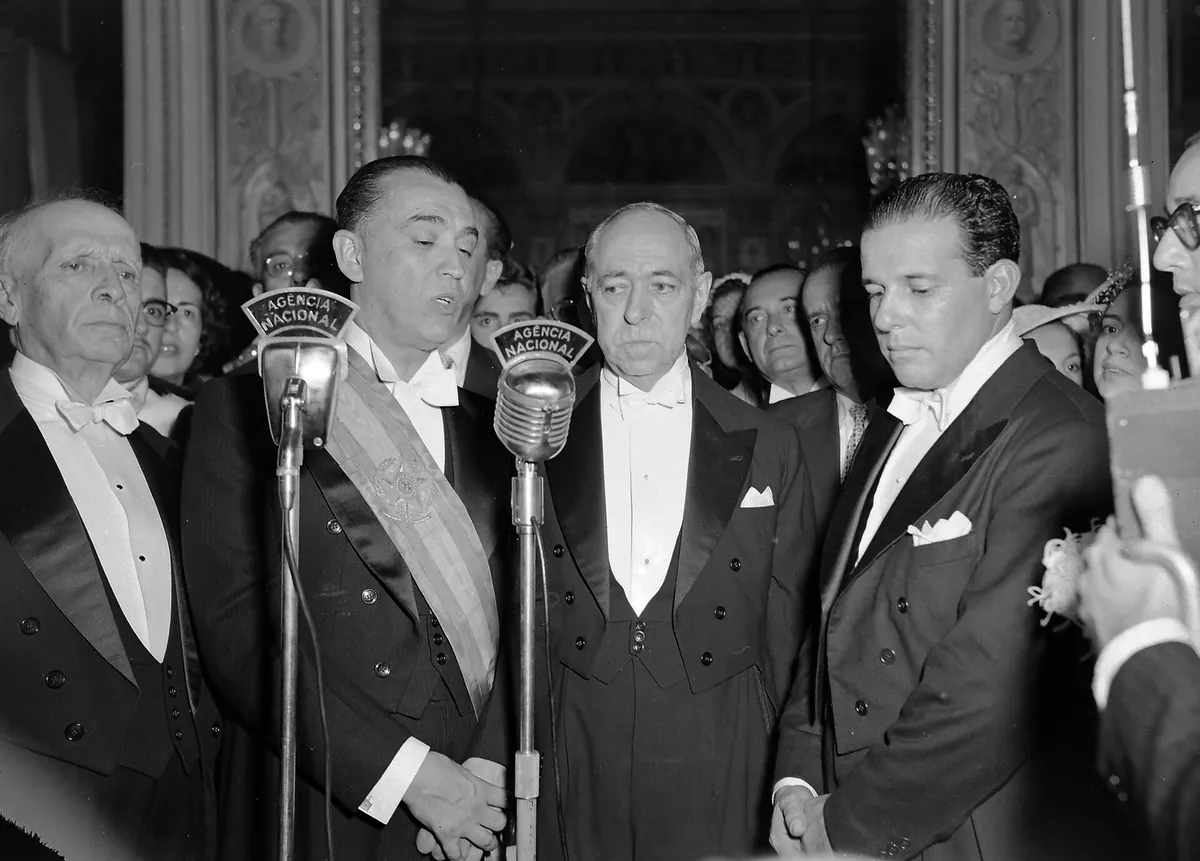
Juscelino Kubitschek won the 1955 presidential election, but his inauguration came under threat. The November 11 movement, led by General Henrique Lott, secured the succession, and JK took office on January 31, 1956.
He arrived promising to move Brazil forward fifty years in five. In JK's temperament, a goal only gains force when it has a deadline, and a tight deadline does not frighten him, because it is what puts a whole country to work.
The task came before play
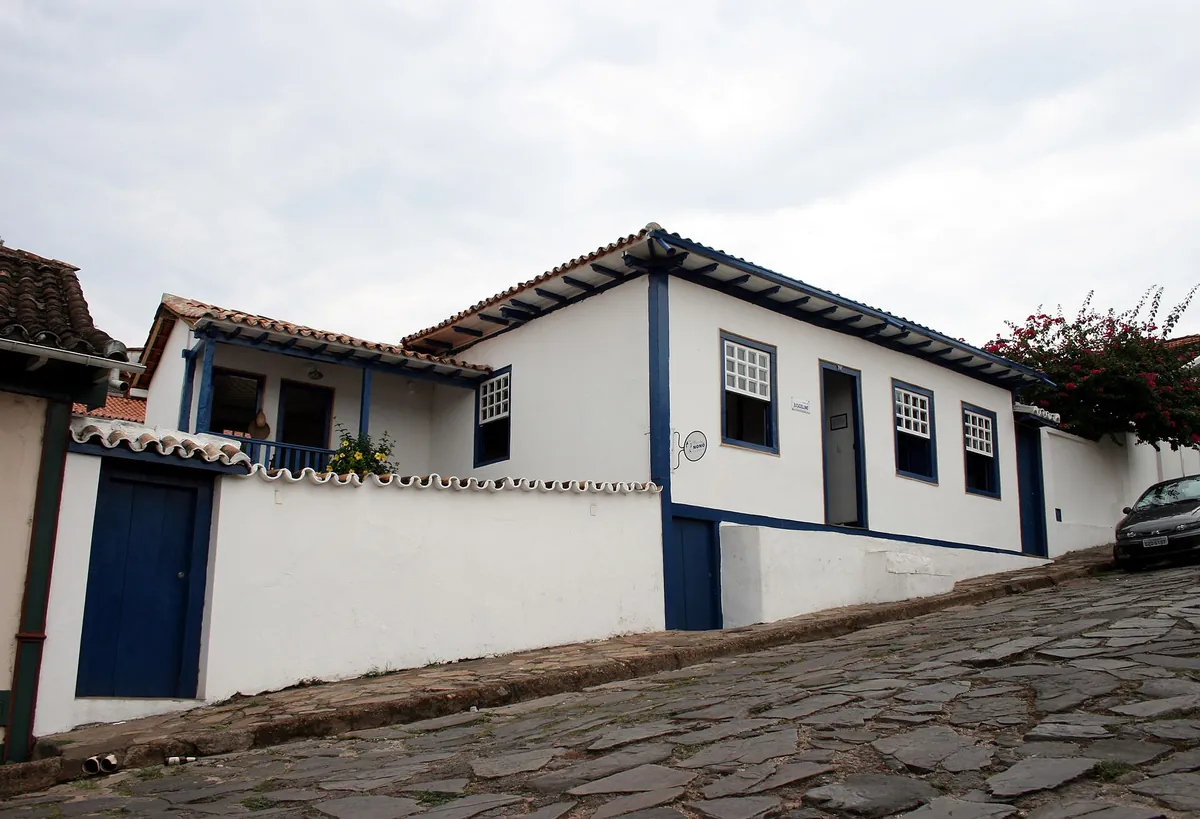
Juscelino was born in Diamantina, Minas Gerais, on September 12, 1902, lost his father when he was very small, and was raised by his mother, Dona Júlia, a primary school teacher.
In his memoirs, he credits her with a habit he kept all his life: finishing what he had to do before going out to play. Upbringing gave shape to an inclination that was already in him, because, for someone of his temperament, a thing begun asks to be finished.
Telegraph operator and medical student
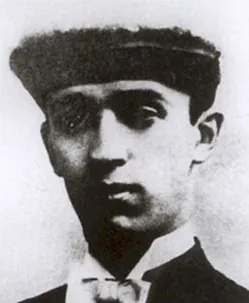
To support himself in Belo Horizonte, Juscelino worked as a telegraph operator during medical school, keeping up with shifts and classes at the same time. He graduated as a physician in 1927.
He then went to Europe for further training and came back to practice. In his temperament, difficulty is no excuse to put things off, and the lack of money only showed how much strength he had to carry two workloads without dropping either.
He was afraid of public speaking
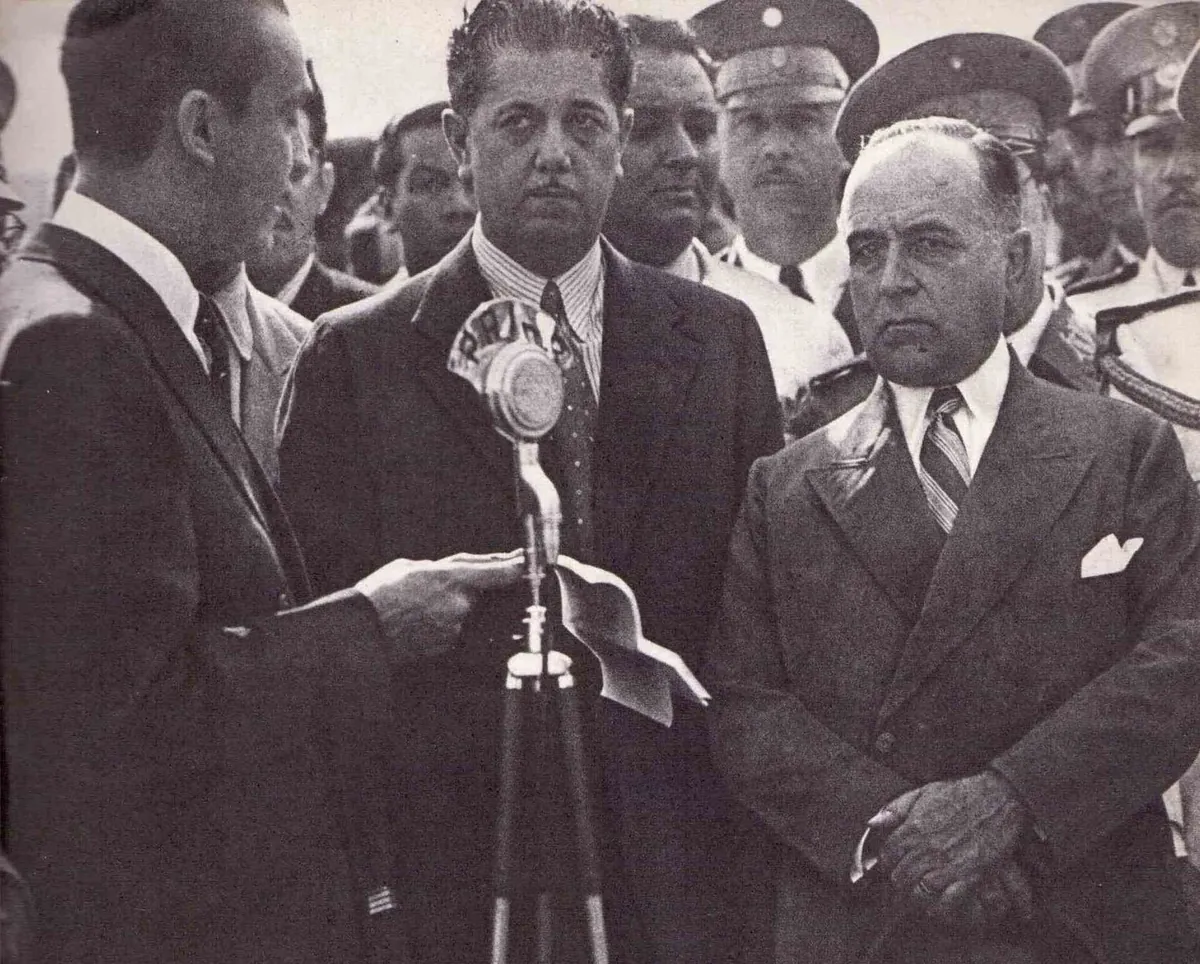
In his memoirs, JK says he was a withdrawn young man and links this to poverty, fatigue, and insecurity. The trip to Europe helped him recover the confidence he had as a boy.
The fear of speaking in public still showed up early in his political career, and he spoke anyway. Shyness before an audience that judges is a state, not his way of being: in his temperament, the will to accomplish speaks louder, and fear has to come along on the campaign instead of stopping it.
A design by the next day
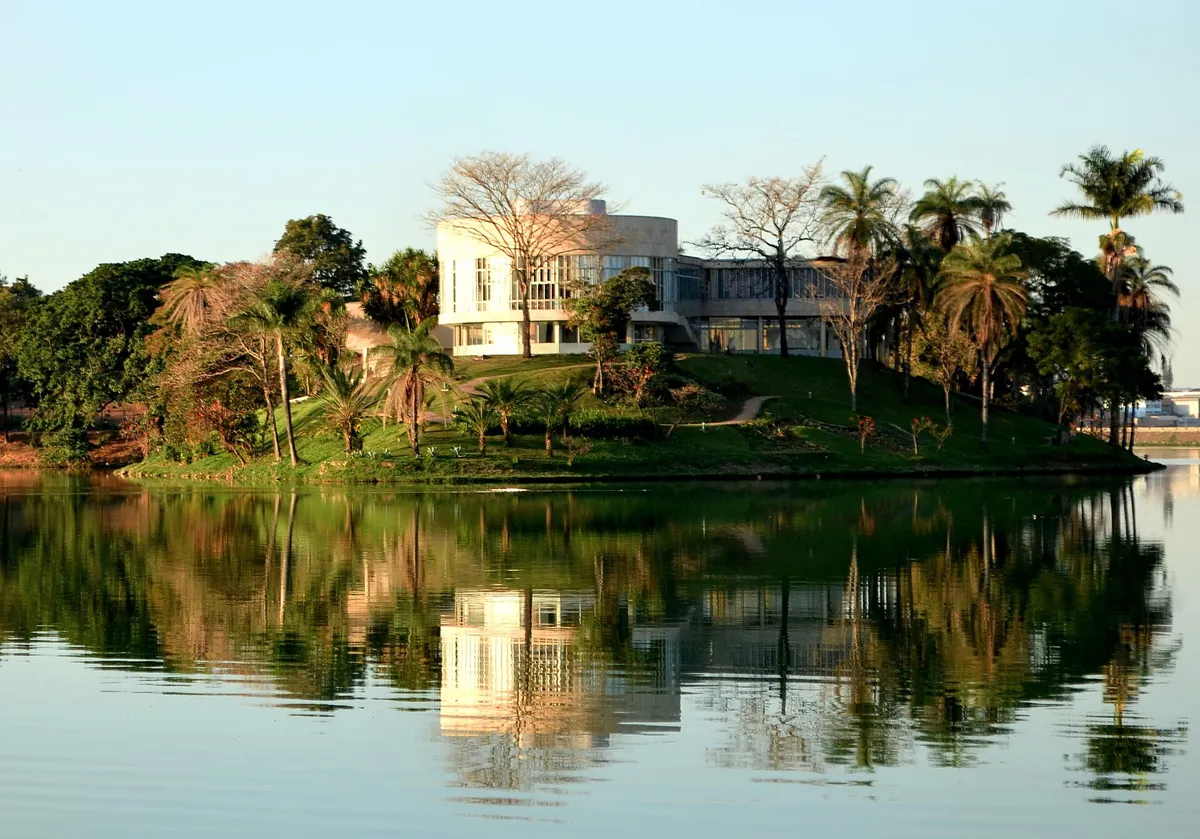
In 1940, Juscelino agreed to become mayor of Belo Horizonte, appointed by the state intervenor Benedito Valadares, after turning down the first invitation. He soon wanted to turn Pampulha into a new complex around the lake.
According to Oscar Niemeyer, JK asked him for the casino design by the next day, and the architect spent the night drawing. In JK's temperament, a good idea does not wait for bureaucracy: he sets the deadline, calls in whoever knows how to do it, and gets everyone moving.
He pressed hard in the meeting and was friendly afterward
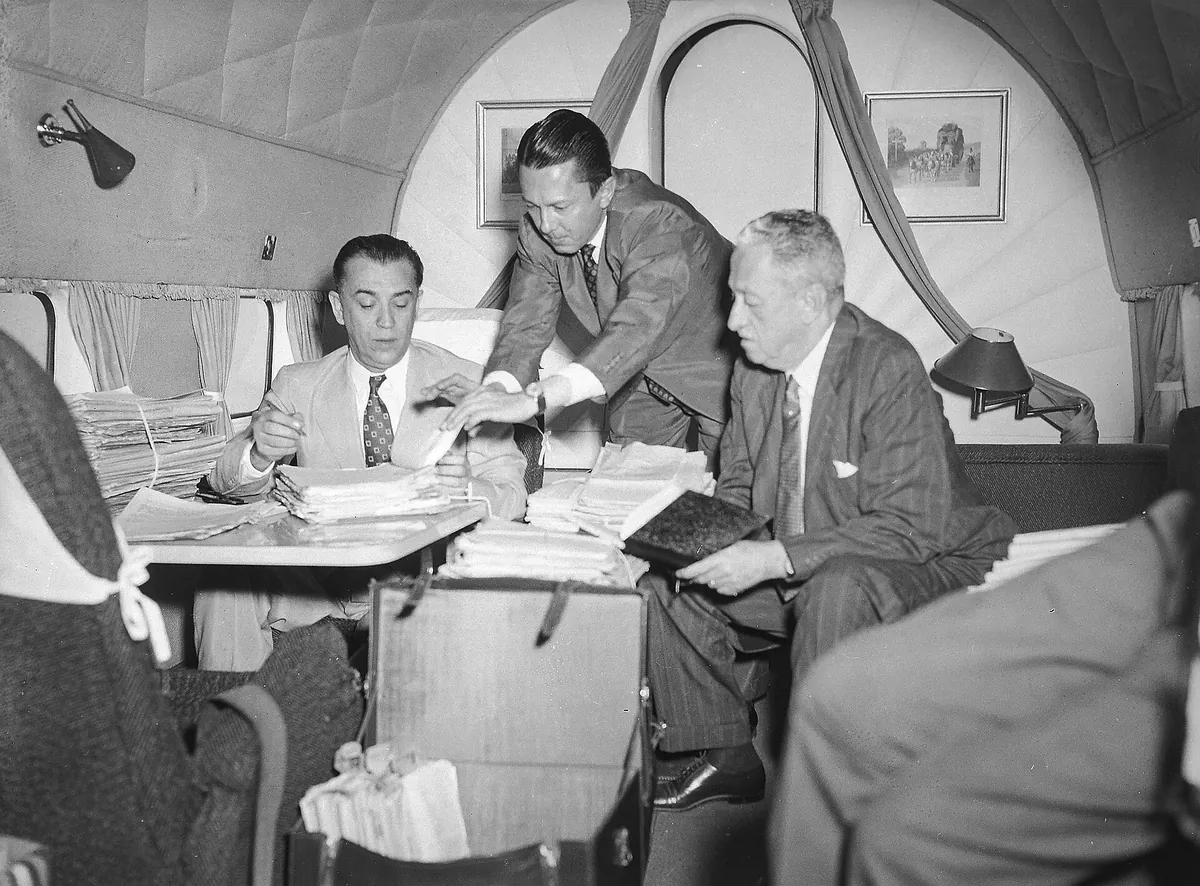
During the construction of Brasília, Niemeyer saw another side of that pace. In meetings, JK firmly pressed those in charge when he found a flaw and, once the meeting was over, went back to socializing with the same men.
For someone of his temperament, irritation comes out on the spot and is not stored up, because what matters is that the work moves forward, and it moves better when the person who was pressed still wants to work alongside him.
He did not let the work shrink
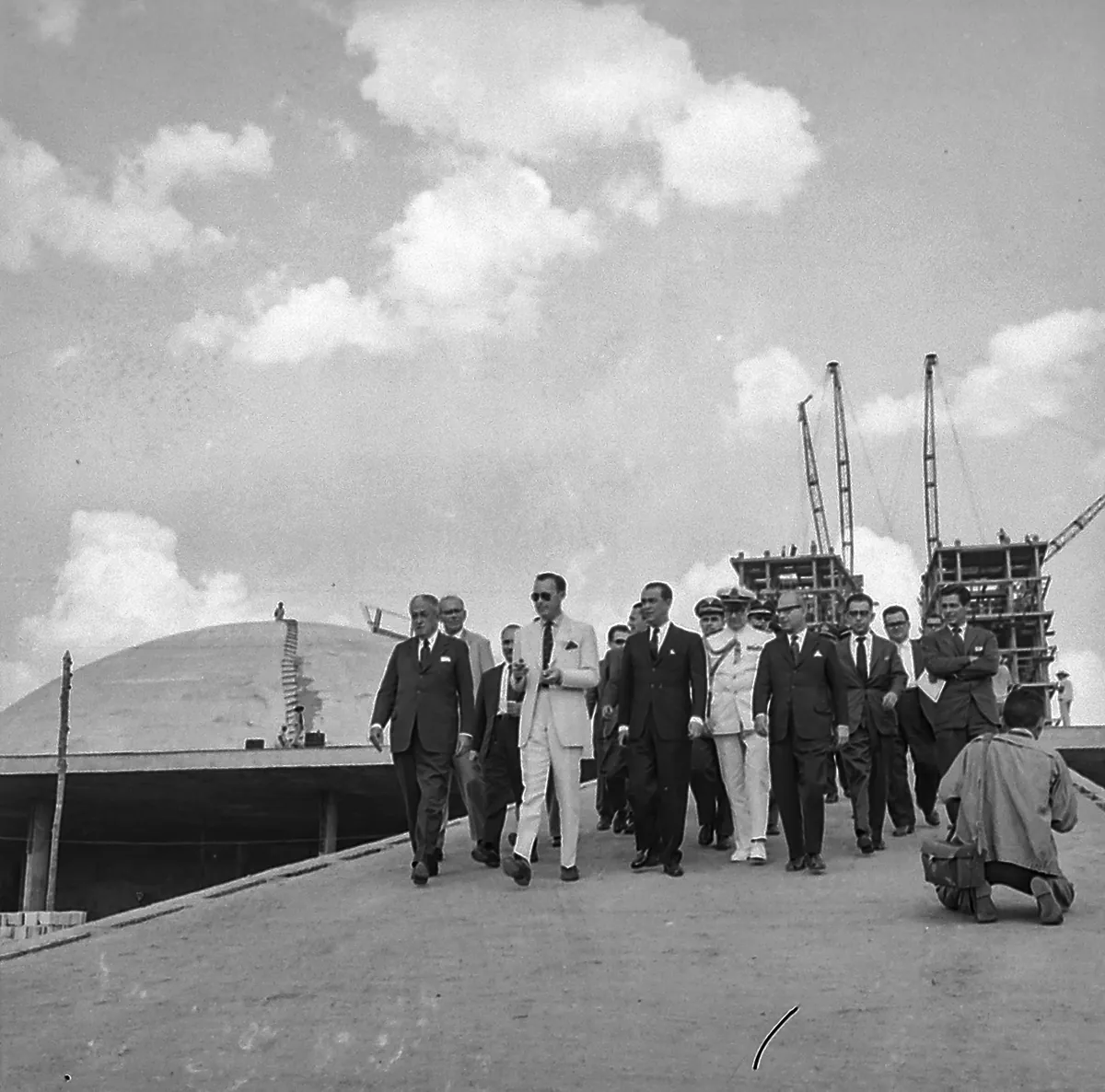
The new capital rose from the drawing board in the middle of the cerrado, at a pace few thought possible. When costs got tight, some proposed postponing the great platform of the Road Axis.
According to Niemeyer, JK kept the work as it had been conceived. In his temperament, haste was never a license to do things halfway: the deadline was sacred, but what was delivered on time had to be the city that had been promised.
Brasília was inaugurated on April 21, 1960
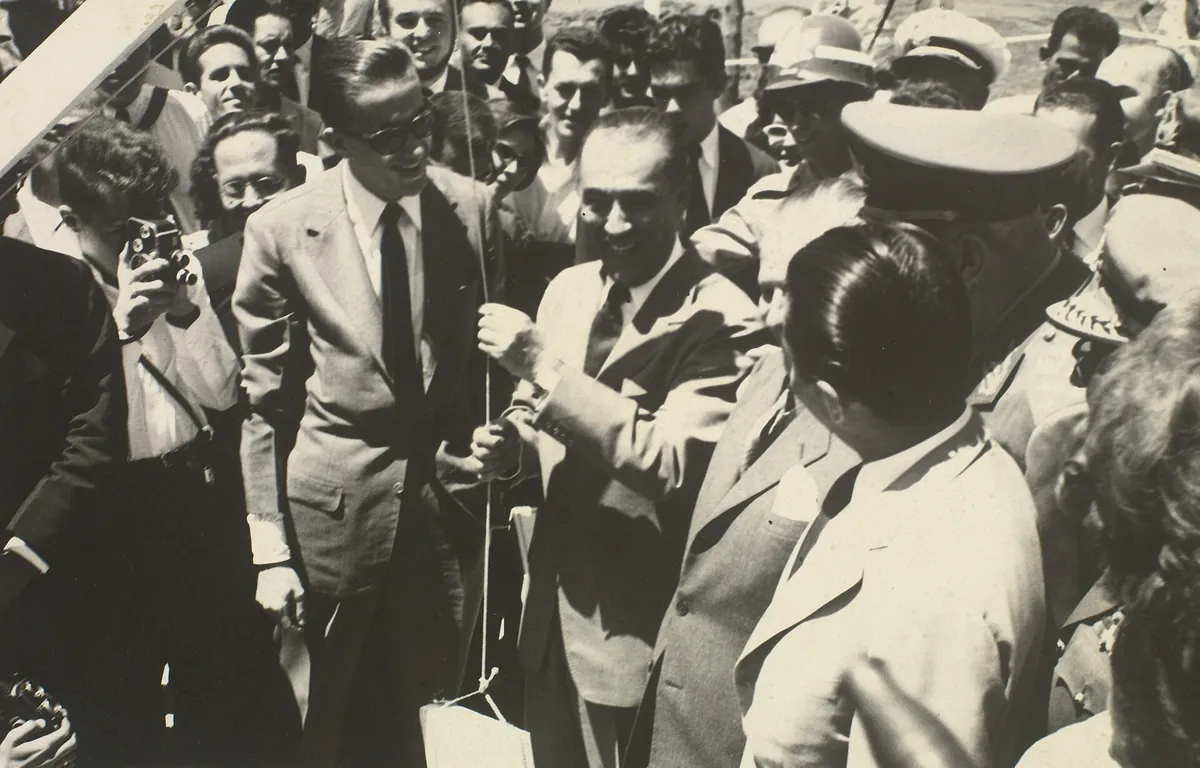
In less than four years in office, JK inaugurated the new capital. An open-air Mass opened the celebrations of April 21, 1960, which went on with parades and a ball at the Alvorada Palace.
He insisted on delivering the city within his own term and on being at the center of that day. For someone of his temperament, a finished work must be seen and celebrated, and recognition is part of the taste of the achievement, even if it was not the reason for starting it.
The table was always full


Biographer Ronaldo Costa Couto describes JK's fondness for meals with guests, for dancing, and for the company of artists, and the 1957 photos with Ary Barroso and Louis Armstrong show that side of him.
In his temperament, joy is not a break from work, because it is the warmth that keeps people close, and those who liked being near JK ended up, almost without noticing, joining his plans too.
He granted amnesty to the Jacareacanga rebels
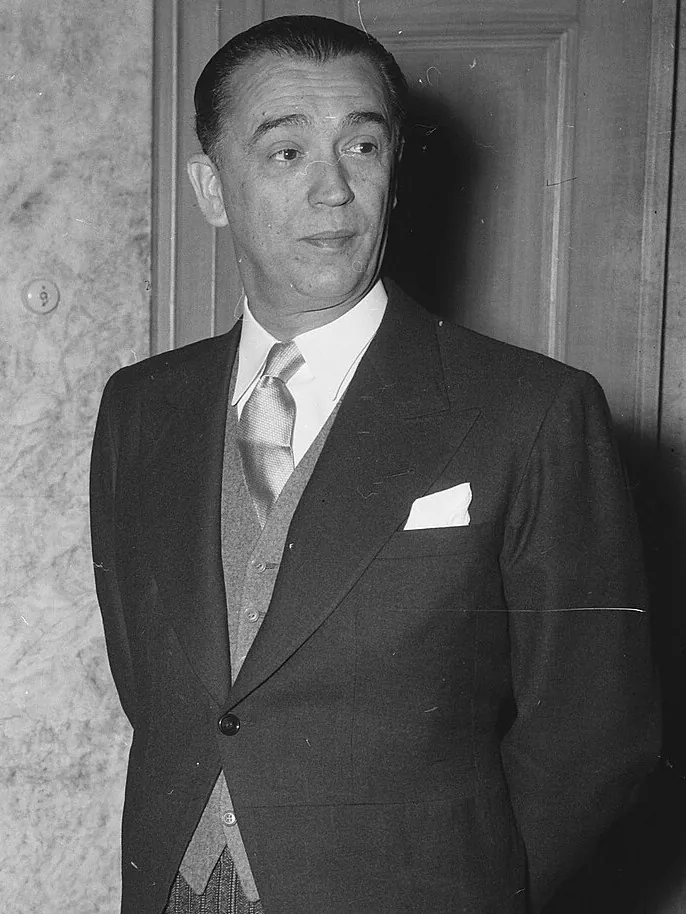
In February 1956, Air Force officers rebelled in Jacareacanga, in Pará, to try to overthrow him. The revolt was put down, and JK backed the amnesty that Congress approved in May. In the Aragarças revolt of 1959, he would not accept an amnesty.
For someone of his temperament, anger passes quickly and forgiveness comes easily when it helps the work of governing, but conciliation has a limit when repetition threatens what he is building.
He broke with the IMF
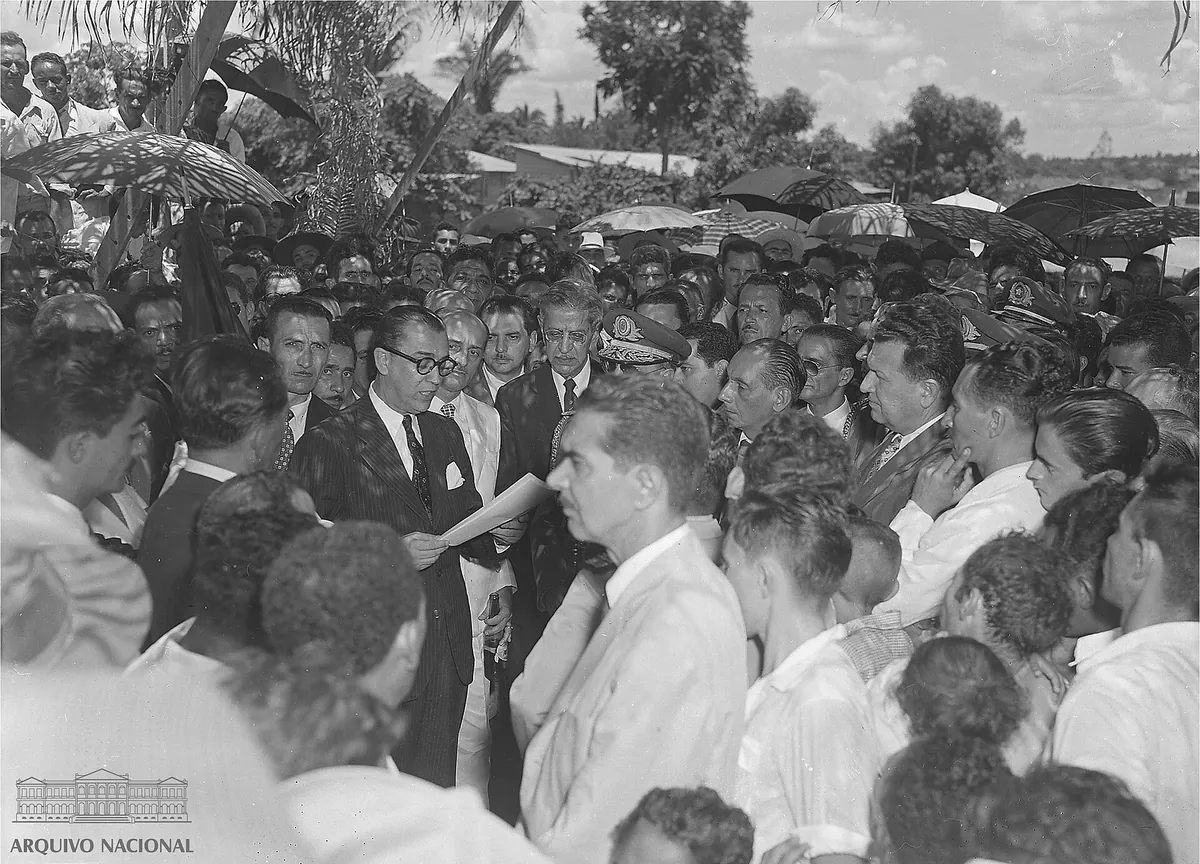
In 1959, the public works program weighed on the budget, and negotiations with the International Monetary Fund demanded a stabilization that would have slowed investment. JK broke with the IMF to keep the development program going.
The decision had a cost, and inflation entered the bill. Even so, in his temperament, a goal taken on in public is not abandoned halfway, because backing down would mean dismantling the work that had put so many people to work.
The vote for Castelo and the loss of his rights
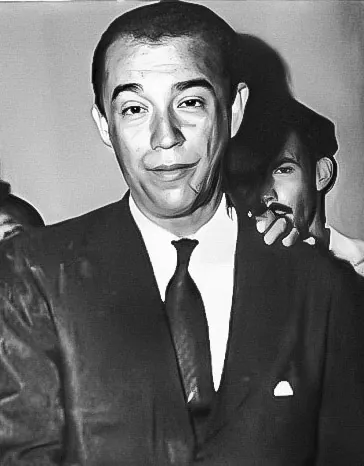
After the presidency, JK was elected senator for Goiás and was preparing to return to the Planalto in 1965. In April 1964, he voted for Castelo Branco, trusting that elections would be held. In June, his mandate was revoked.
For someone of his temperament, the hardest loss is not the office itself, but the field of action: in one stroke they took from him the next project and the people he was going to do it with.
In exile, he dictated his memoirs
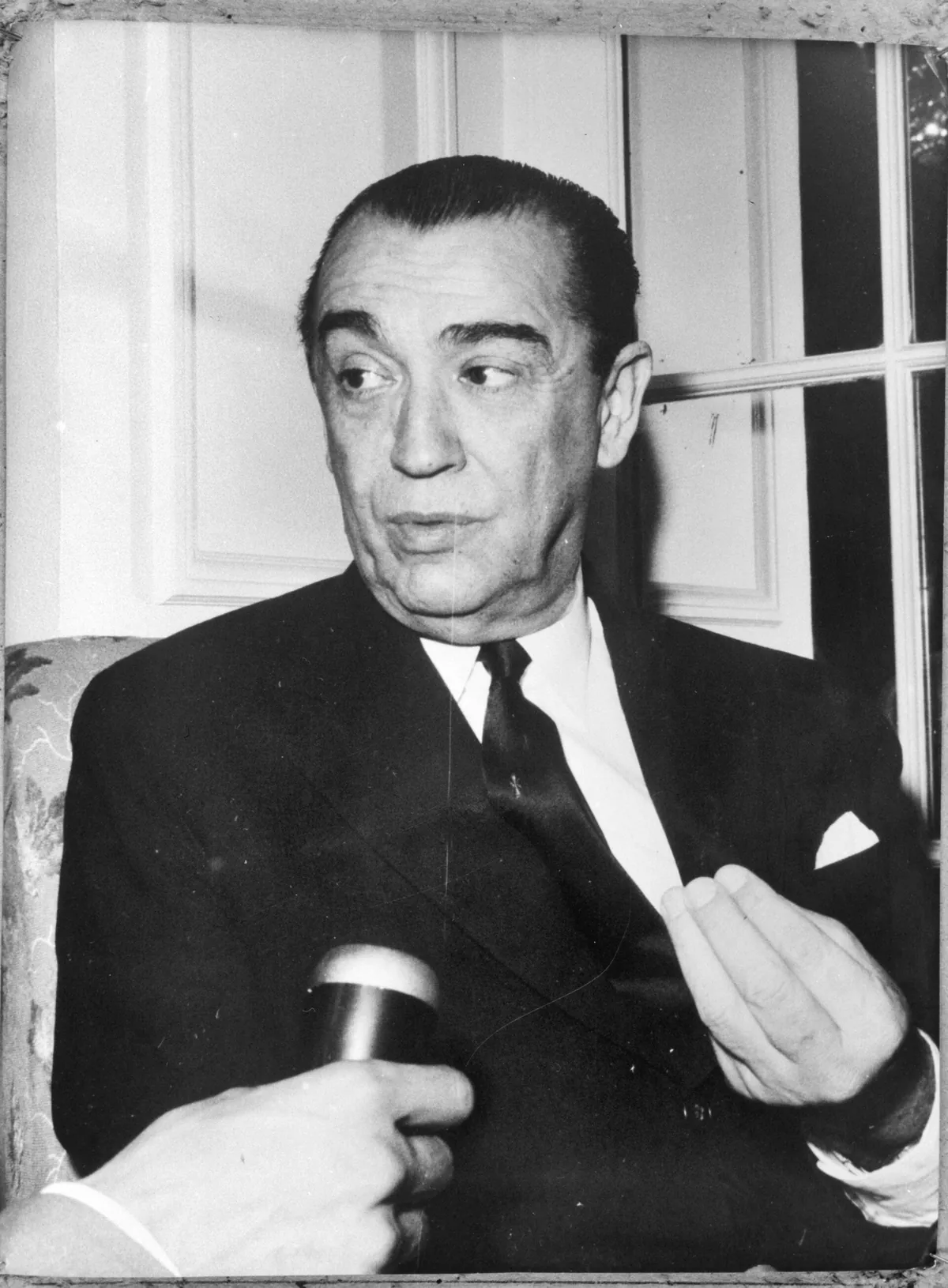
In January 1966, from New York, he wrote to his friend Israel Pinheiro, joked about a dream and, in the same letter, spoke of loneliness and of wanting to go home. In Lisbon, his secretary Susette Teixeira remembered the mornings of dictating the memoirs, between projects and outpourings.
In his temperament, humor and work do not erase the pain of exile; they are the way of not standing still before it, because standing still would hurt even more.
A letter to a man he did not know

In November 1966, JK and Carlos Lacerda, a former opponent, issued in Lisbon the declaration that gave rise to the Broad Front. Senator Josaphat Marinho said he did not even know JK personally when he received a letter of invitation from him, and he joined.
In JK's temperament, strength does not wait for friends to show up: he chooses the work, seeks out whoever can help do it, even the old rival and the stranger, and writes the letter that gets those people moving.
He danced on the night of his defeat
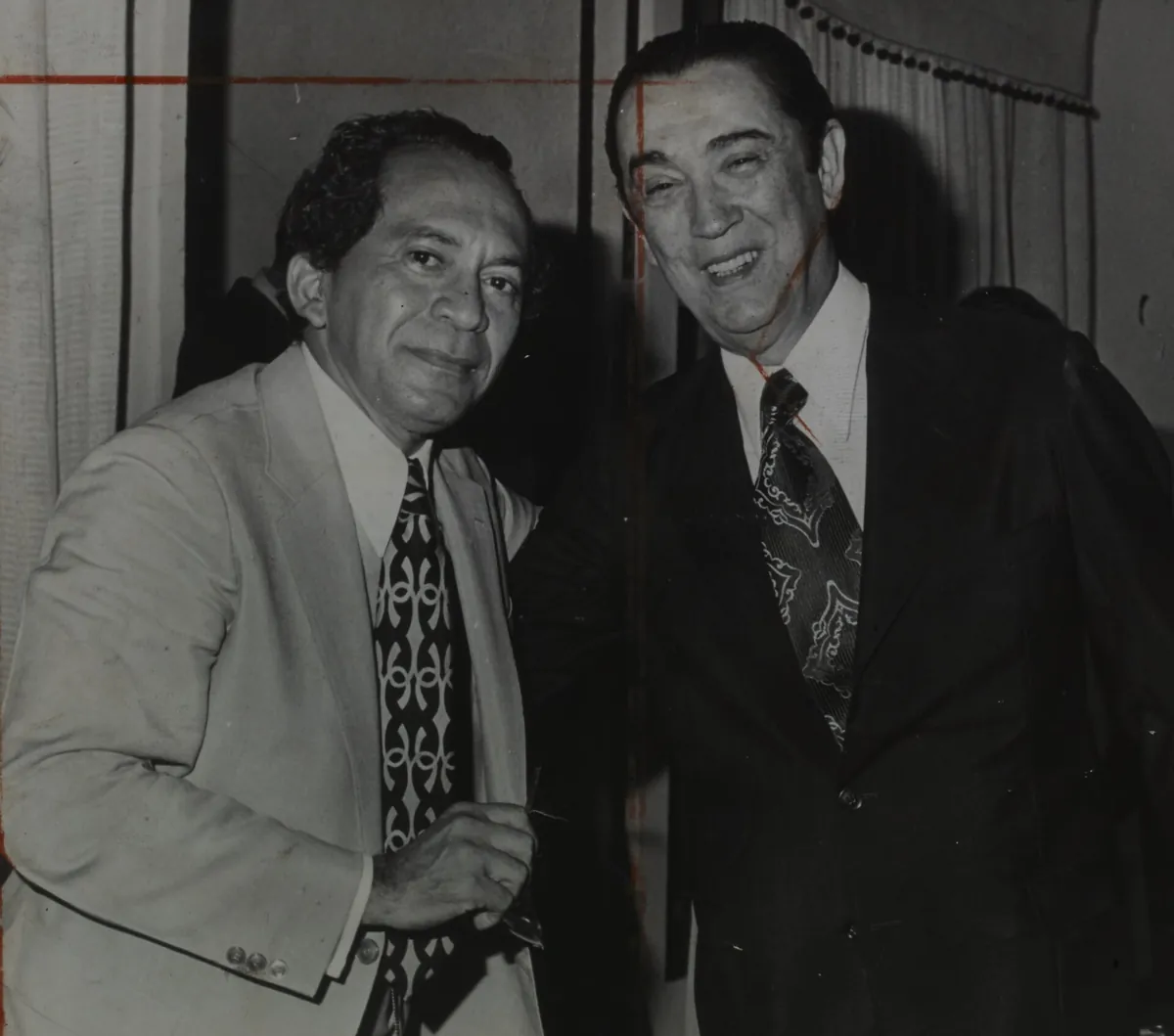
In October 1975, JK lost the election to the Brazilian Academy of Letters and, after the result, danced with his daughter. In his diary the next day, however, he recorded a heavy blow and the effort to pull himself together.
For someone of his temperament, recognition weighs, because the work was done before everyone and wants to be seen, and that is why the refused seat hurt more than the dance let show.
Choleric-sanguine
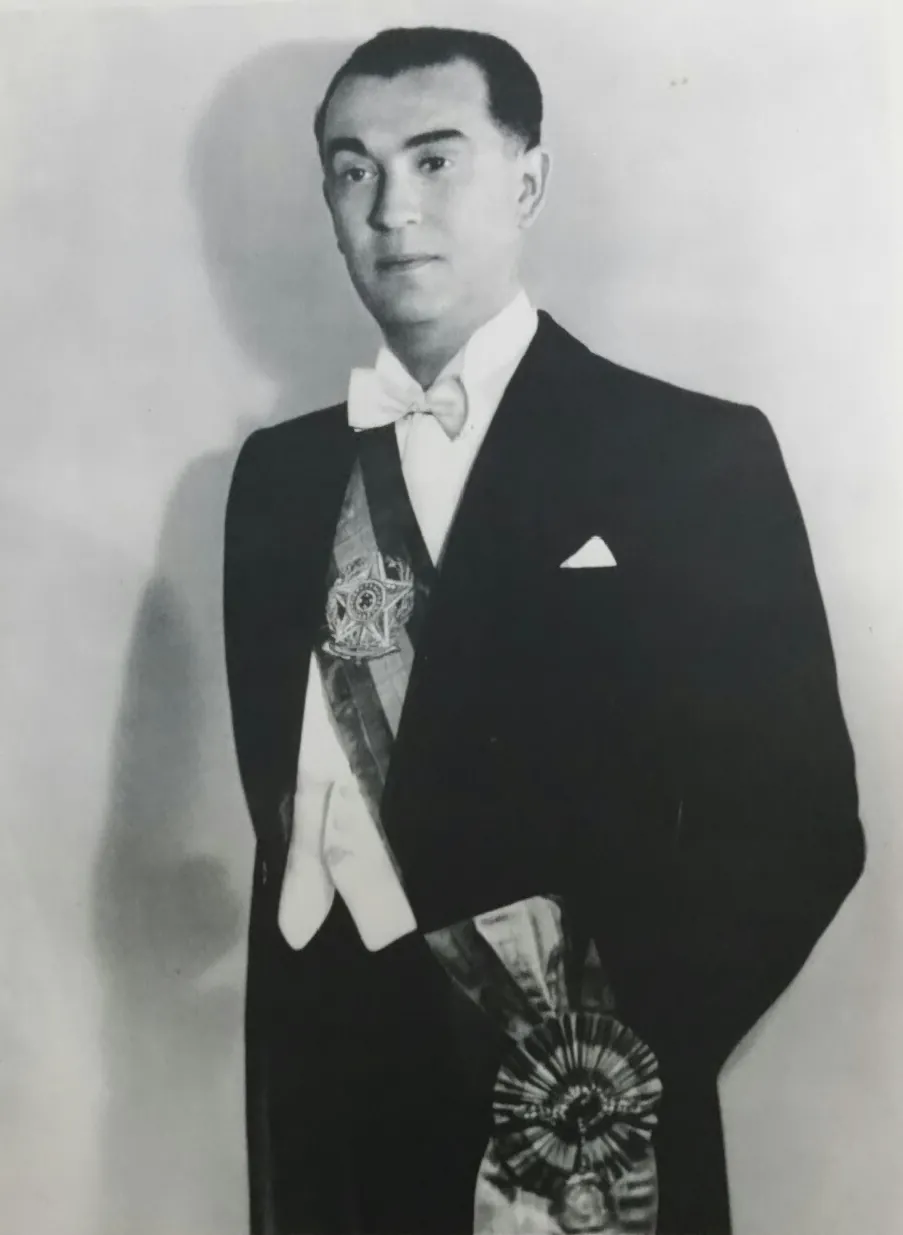
According to Axis Ratio, the most coherent reading of Juscelino Kubitschek's life is that he was choleric-sanguine.
Choleric strength rules: the goal with a deadline, the demands, the work carried through to the end, from Pampulha to Brasília. The sanguine comes to serve that strength with warmth, joy, and people: the full table, the dancing, the letter that calls even a stranger. That is why, in him, hard work was never solitary, and the party was never the goal.
The symbol of the choleric-sanguine is plasma: the energy of lightning spreading into light all around without losing its direction, because the light serves the work and does not take its place.
The marks of the choleric genus
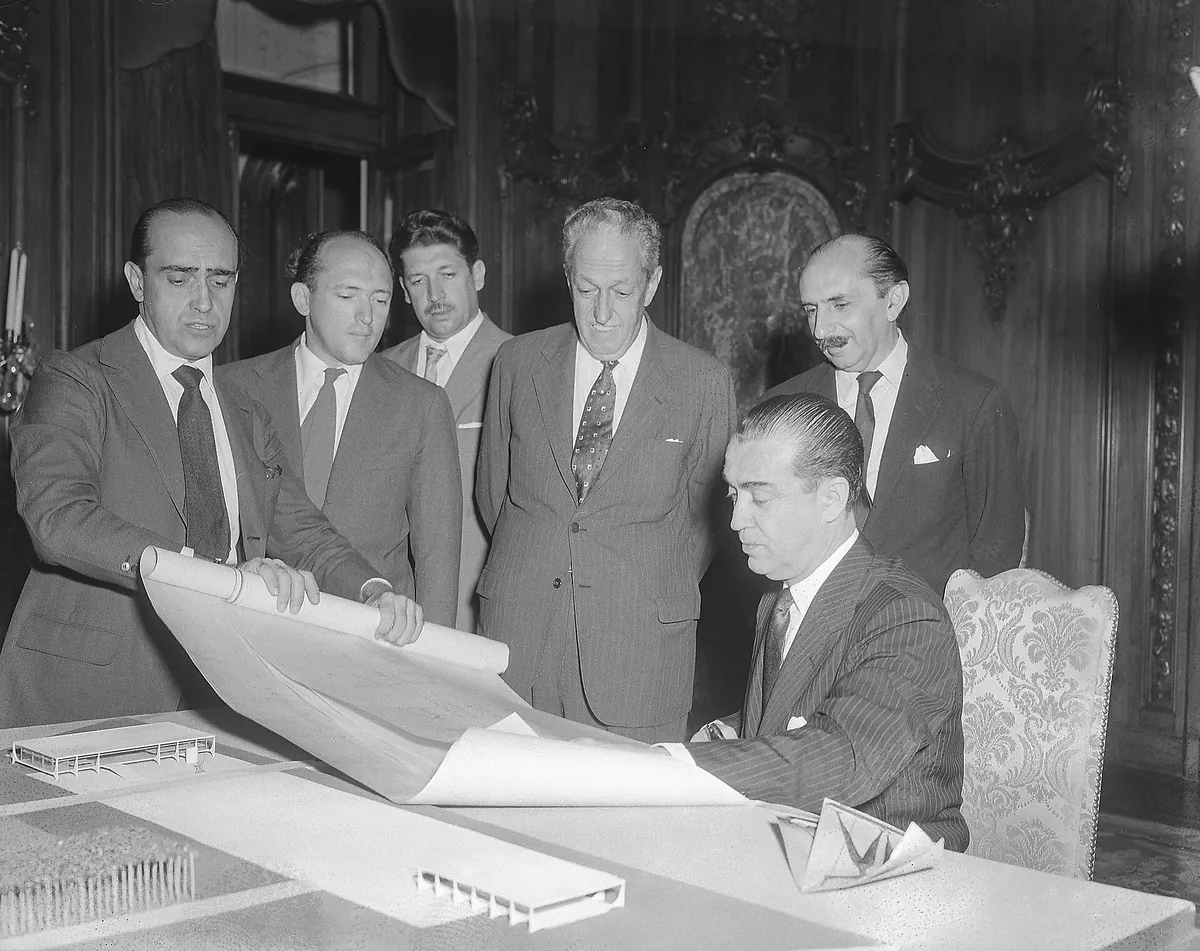
Every choleric has a natural inclination toward what is arduous, and in JK it shows like this:
- Initiative: he asked Niemeyer for the Pampulha casino design by the next day.
- Love of a challenge: he promised fifty years in five and raised a capital in the cerrado.
- Determination: he worked as a telegraph operator during medical school.
- Firmness: he broke with the IMF so as not to stop the development program.
The choleric, then, does not wait for the work to happen on its own: he sets the deadline and goes after it.
The marks of the choleric-sanguine

In the choleric-sanguine, strength gains warmth and reaches others. In JK:
- Mobilizer: he wrote to Josaphat Marinho, whom he did not even know, to call him to the Broad Front.
- Anger that passes quickly: he pressed those in charge in the meeting and socialized with them afterward.
- Cheerful and outgoing: a full table, dancing, and the company of artists.
- Love of recognition: he made the inauguration of Brasília a celebration and felt the Academy's rejection.
That is why JK's works were never his alone: he made them with a crowd, and the crowd still remembers it.
The people carried him back to Brasília

The boy from Diamantina, born on September 12, 1902, died on August 22, 1976, on the Via Dutra highway, when the car he was riding in crossed the road and struck a truck. A crowd followed the burial in Brasília singing "Peixe vivo," and since 1981 he has rested in the JK Memorial.