
What was the temperament of St. Thérèse of Lisieux?
And how can the Little Way be understood through her temperament?
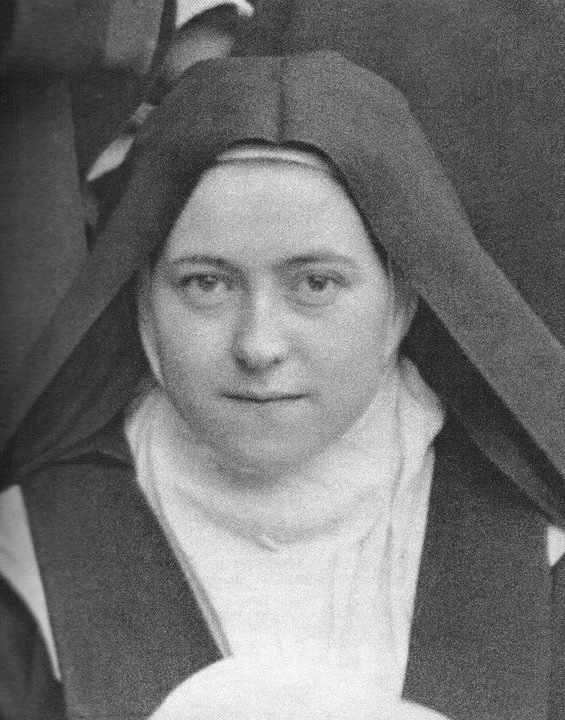
The girl did not look like the image that stuck
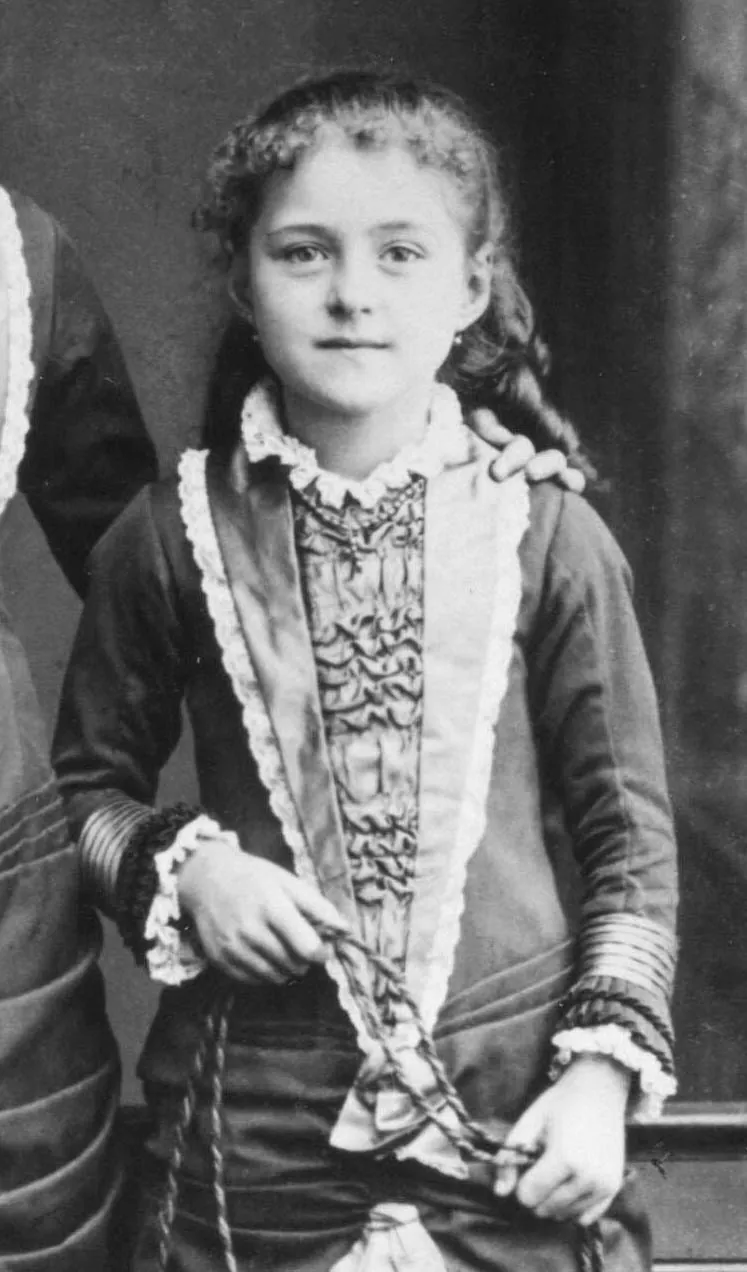
Before the great losses, Thérèse was lively, outgoing, proud and almost impossible to make give in.
To discover her temperament, we need to start before suffering changed the way she came across.
And she was not the most naive one in the house
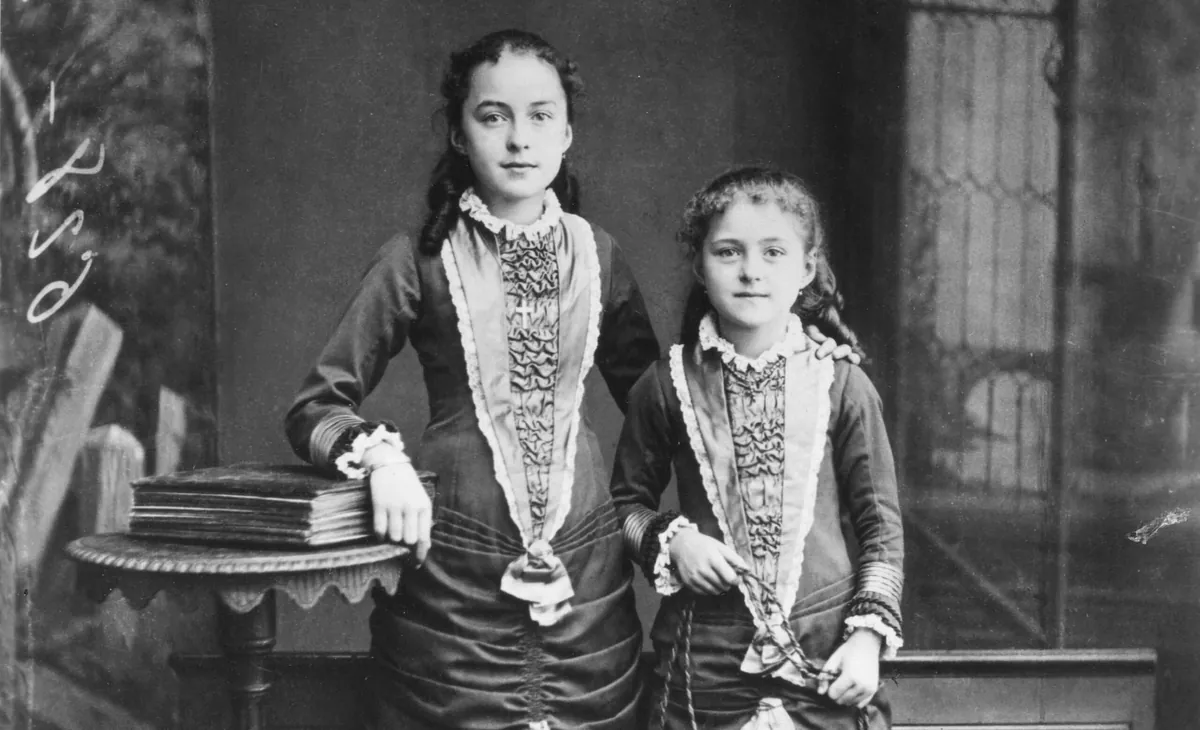
Thérèse herself said she was much livelier and “far less naive” than Céline.
She also said that, without showing it, she paid attention to everything that was done and said around her.
« j’étais bien plus vive et bien moins naïve qu’elle »Manuscript A, 7r
Her mother's death changed the way she showed herself

Thérèse was four years old when she lost Zélie. After that, she became shy, hypersensitive and easily hurt.
But she remained cheerful and outgoing at home.
The loss does not reveal a different temperament. It shows what a trauma did to the expression of the one she already had.
Shyness did not erase her reading of people
AT HOME
When Victoire provoked her, Thérèse deliberately looked for the word that would hurt her most.
AT SCHOOL
At school, she noticed the hostility of an older student, but she cried in silence and did not defend herself.
She could perceive and not react.
At thirteen, sensitivity stopped governing her

25 · XII · 1886
At Christmas 1886, a remark from her father almost made her cry. Instead of shutting herself off, Thérèse held back her reaction and went back cheerfully to her family.
She called that night her “complete conversion.”
The temperament remained. Her will began to govern its expression better.
The shy girl went so far as to interrupt a pope
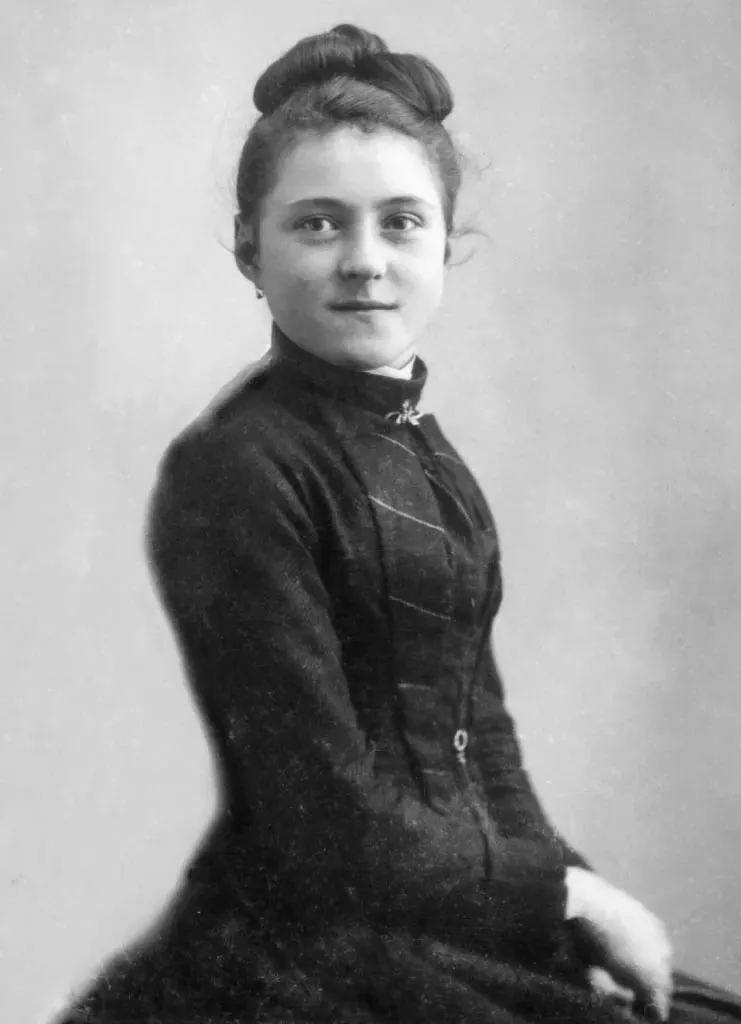

At fourteen, against the protocol of the audience, Thérèse spoke directly to Leo XIII to ask for entry into Carmel.
She did not seek confrontation. But, once she had formed a judgment and recognized a duty, shyness no longer decided for her.
In Carmel, the same pattern continued

Thérèse led a hidden life, kept few deep bonds and did not need to occupy the center of the community.
But she observed people with enormous precision.
Some of the sisters discovered only too late how much that silent young woman had perceived.
One novice went so far as to avoid her gaze

Marie-Madeleine felt read “to the depths of her soul.”
Thérèse perceived falseness, dependencies, stirrings of vanity and hidden sufferings.
But she did not attribute an evil intention when the facts did not yet allow it to be asserted.
Letter from Mother Agnes, December 6, 1896, and testimonies of the novices.
Even her humor revealed how she observed
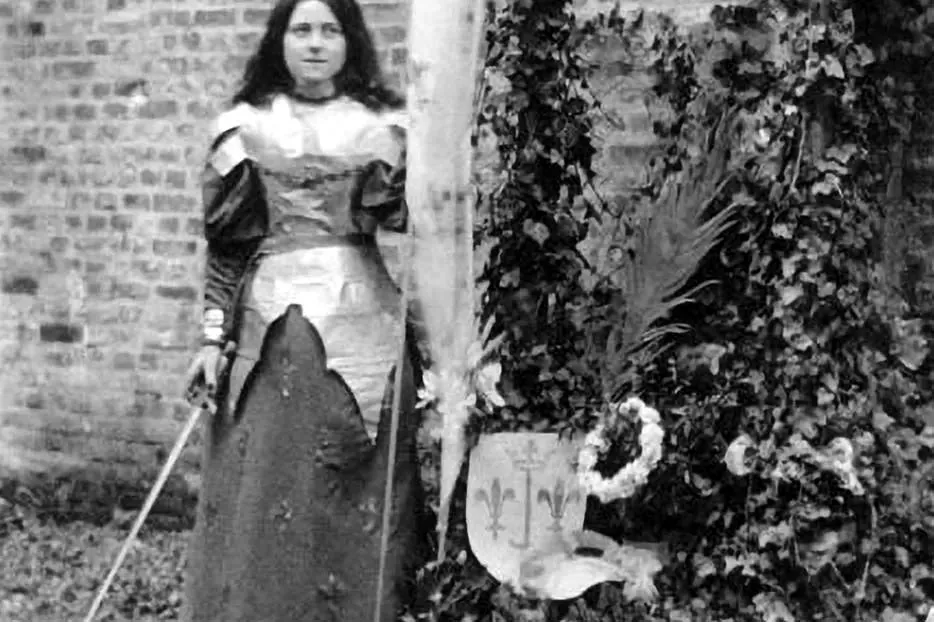
Thérèse imitated the sisters' tone of voice, gestures and mannerisms with precision.
She was very funny, but she knew how to stop the joke before it turned into humiliation.
It was not just good humor: there was observation, elaboration and measure.
She was affectionate — but her sociability was selective

Within secure bonds, Thérèse could be cheerful, witty and outgoing.
Outside them, reserve, shyness and the desire to remain hidden appeared.
Being deeply affectionate with a few does not mean needing a wide social circle.
I had already given a different answer
When I took part in Ecclesiam Cast, I classified St. Thérèse as MelFleu.
Her delicacy, her silence, her indirect correction and her attention to bonds seemed to point to the melancholic-phlegmatic.
ECCLESIAM CAST · EARLIER HYPOTHESIS MelFleu
But this post forced me to reopen the case.
Studying her life more deeply, I realized I had given excessive weight to behaviors that can also appear in the MelPuro.
And I had underestimated the more specific data: the lack of naivety, the shrewdness, the selective sociability and the refined humor.
When the facts were reorganized, another continuity appeared
From childhood on, we find:
silent attention;
perception of inconsistencies;
intense and selective bonds;
elaborate humor;
firmness once a judgment is formed.
This set runs through the changes produced by loss, by upbringing and by grace.
St. Thérèse was a pure melancholic

MelPuro
Not because she was sad or always stayed quiet.
But because her most constant structure lay in introversion, in a criterion-based perception of reality, in the selective depth of her bonds and in the ability to see the distance between what is and what ought to be.
No second temperament appears with enough strength to reorganize that set.
And the Little Way began precisely with a comparison
Thérèse wanted to be a saint. But, when she compared herself with the great saints, she saw between them and herself the distance between a mountain and a tiny grain of sand.
She could not pretend that this distance did not exist.
« entre une montagne dont le sommet se perd dans les cieux et le grain de sable obscur foulé sous les pieds des passants »Manuscript C, 2v
Here lay the risk of the pure melancholic

He perceives what is lacking before he finds consolation.
And he can turn a true measure into a condemnation:
“If I don't have their greatness, perhaps holiness is not for me.”
Thérèse did not diminish the saints to feel better
Nor did she try to convince herself that she was greater than she really was.
She held on to both truths:
FIRST TRUTH holiness was high;
SECOND TRUTH and she could not reach it by her own strength alone.
The elevator changed who would do the lifting

If God had placed in her the desire for holiness, her weakness could not be the measure of what God could do.
The arms of Jesus would be the elevator.
She would keep lifting her little foot. But she would not have to manufacture alone the strength that would carry her to the top.
« Moi je voudrais aussi trouver un ascenseur pour m’élever jusqu’à Jésus »Manuscript C, 3r
She was right about her own littleness
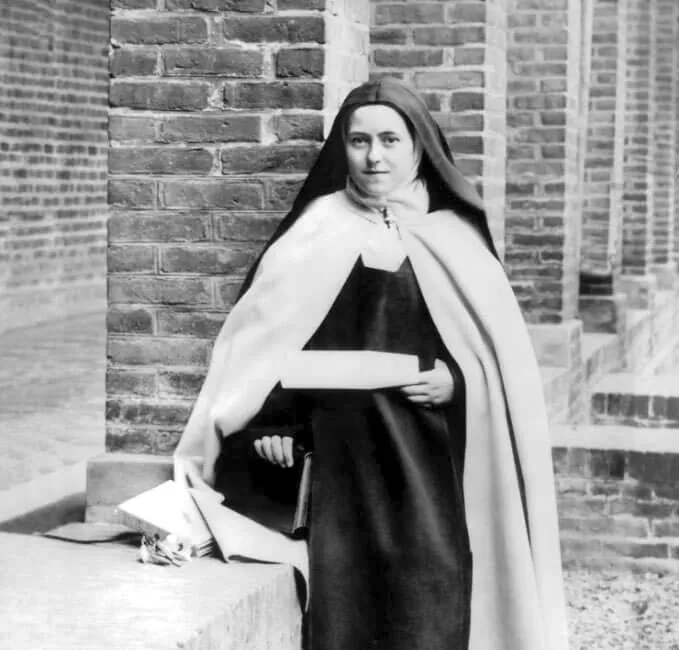
Thérèse really was little. She really did not have the strength of the great saints. But the desire for holiness that God had placed in her heart was also real.
That pure melancholic's conclusion was perfectly logical: if the desire came from God, it would not be her own strength that fulfilled it. It would be grace.
And so, without denying her own weakness or diminishing the greatness of holiness, that young woman found a way open to everyone:
the Little Way.
Did you know this Thérèse?
Here I analyze temperament, character and holiness through the Axis Ratio method, and I go back to my own hypotheses when the facts call for it.