
Psychology forgot its own name
Psychology means the study of the soul. But since the nineteenth century, it has learned to study the person while leaving the soul and God outside. My method takes the road back.
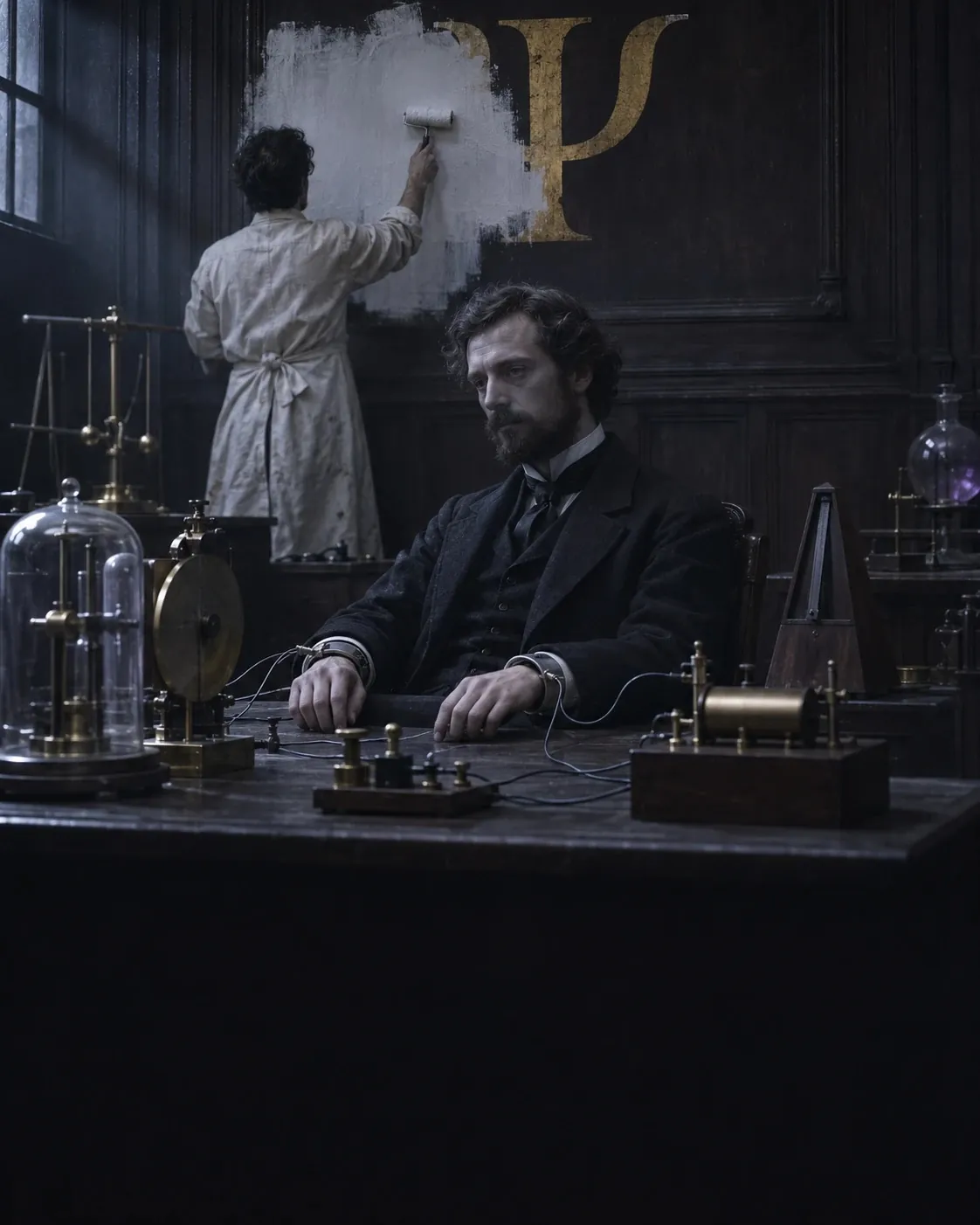
Psychology means the study of the soul
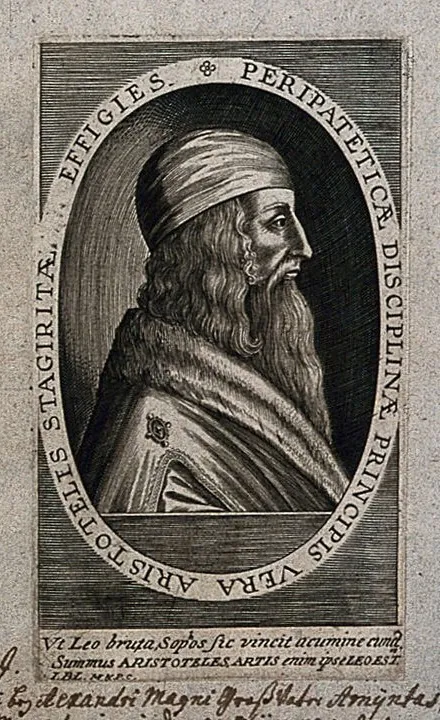
The word comes from the Greek psyché, soul, and lógos, study. For more than two thousand years, studying the soul was the task of philosophy: Aristotle wrote an entire treatise, On the Soul, and Saint Thomas Aquinas examined the passions, the will and habits within theology.
Body and soul were studied together, and no one found it strange to ask what the life of one who feels, thinks and chooses is for.
Lange called for a psychology without a soul
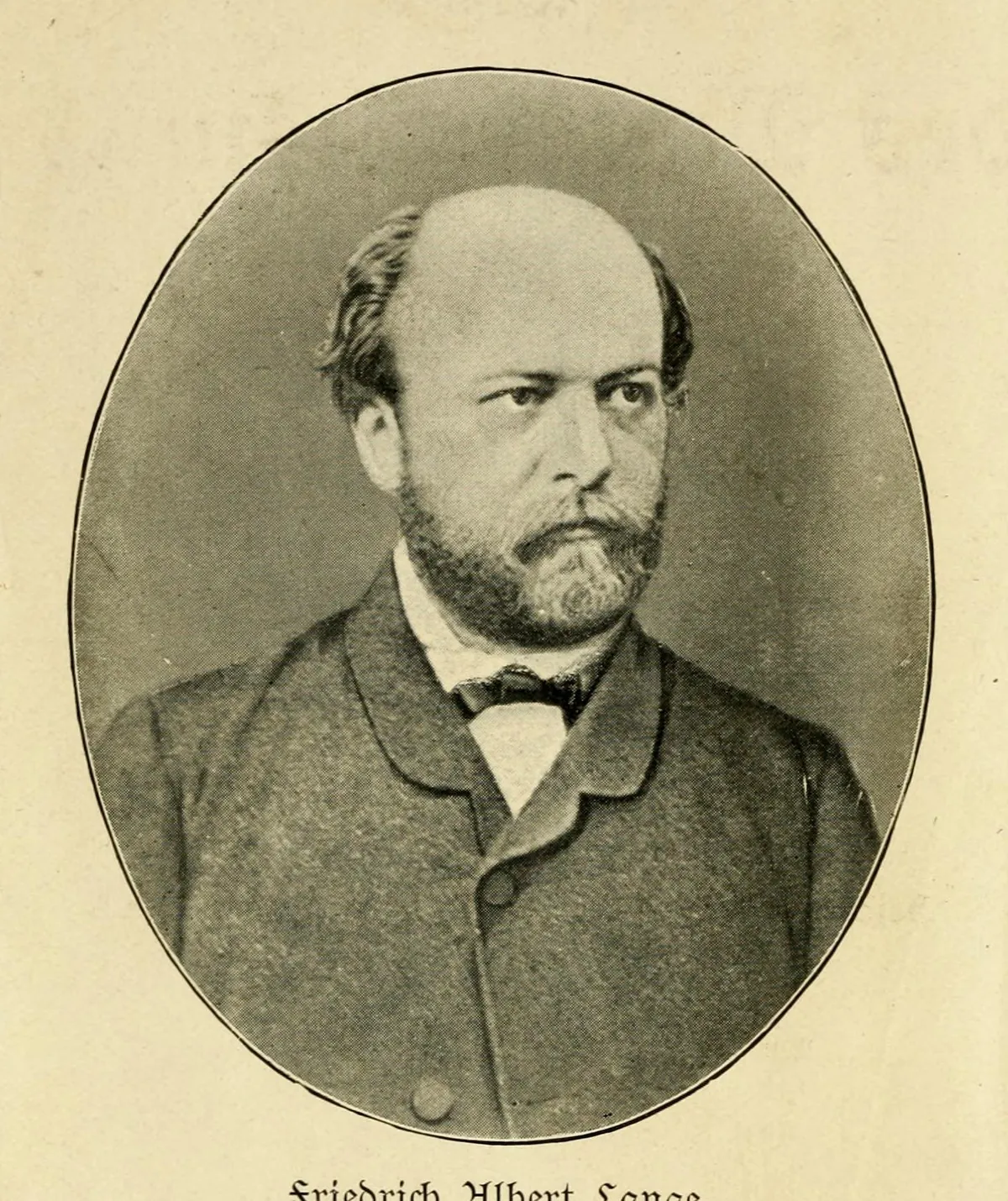
In 1866, the German philosopher Friedrich Albert Lange published The History of Materialism and argued that psychology could very well be a psychology without a soul: studying sensations, reactions and representations without asking what the one who feels is.
The proposal caught on. The question that had given the science its name came to be treated as a matter for priests, not for scientists.
Wundt took psychology into the laboratory
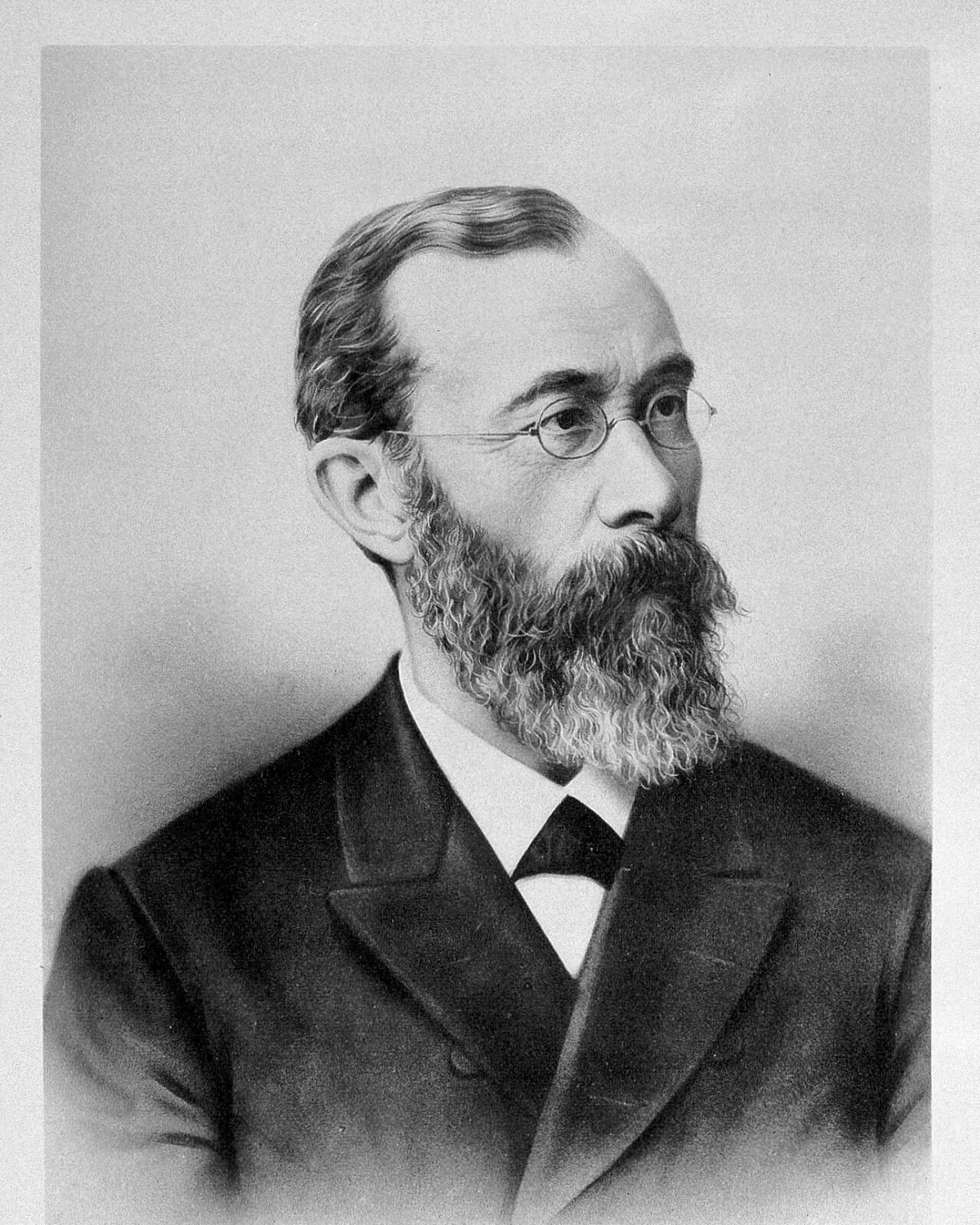
In 1879, Wilhelm Wundt opened the first laboratory of experimental psychology in Leipzig, which is why he is called the father of scientific psychology. There, reaction times, sensations and attention were measured with chronometers and instruments.
It was real progress, because much that had once been guessed at came to be measured. But the laboratory door bore an implicit notice: the soul stays outside.
Then even consciousness disappeared
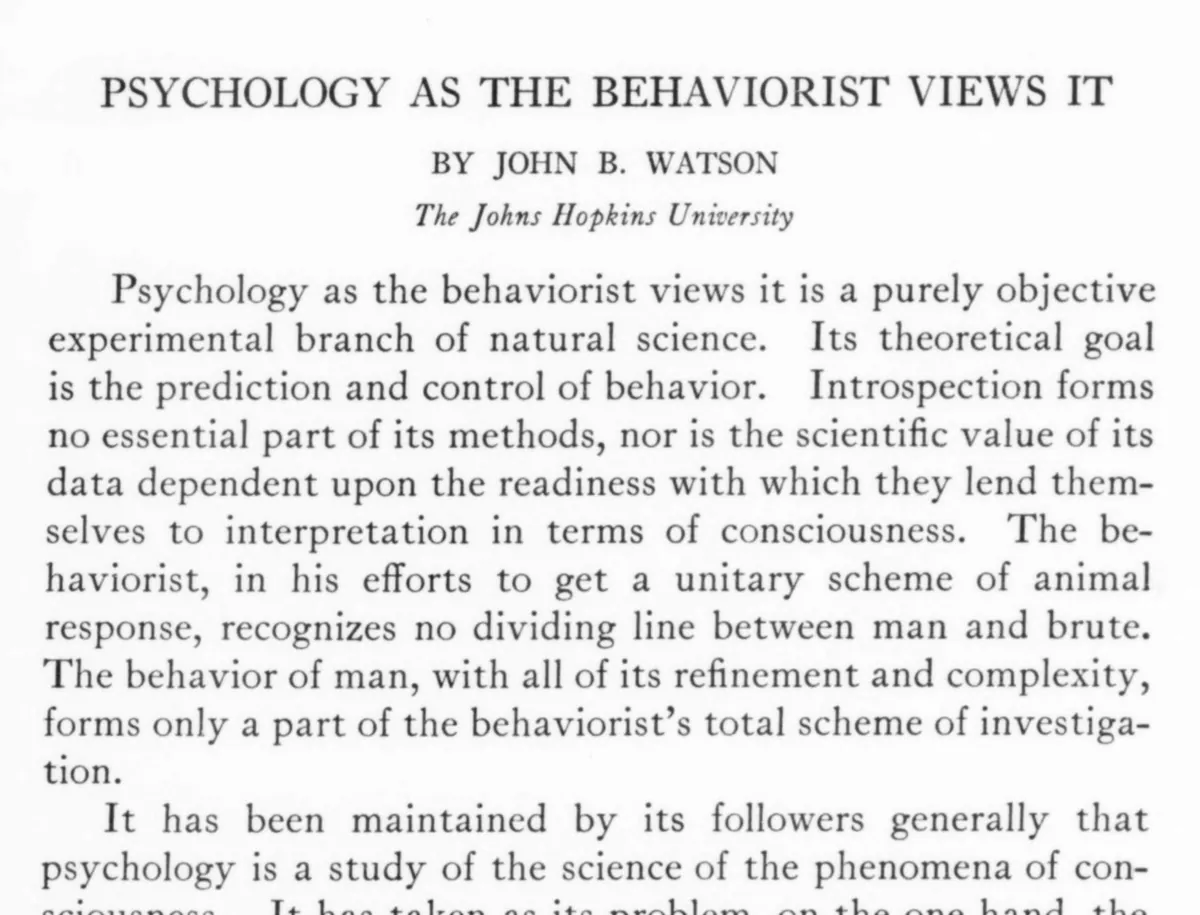
In 1913, the American John B. Watson opened the behaviorist manifesto by saying that psychology, as he saw it, was a purely objective, experimental branch of natural science, whose goal was the prediction and control of behavior.
First the soul went out. Then consciousness went out. What was left was observable behavior, and the person became an organism responding to stimuli.
And religion became an Illusion
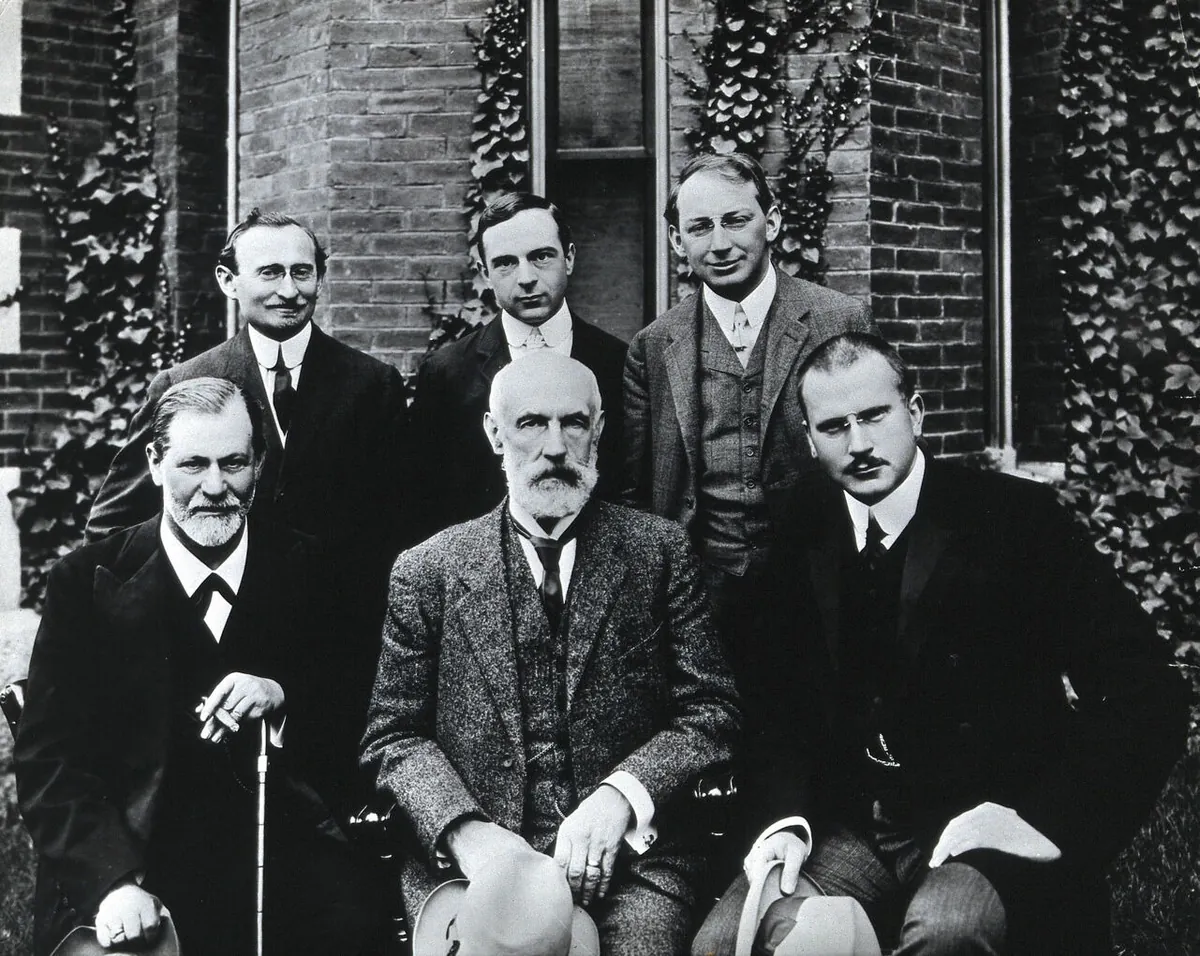
In 1927, Sigmund Freud published The Future of an Illusion, in which he treated religious ideas as illusions born of the human wish for protection.
So the very science that had been born as the study of the soul ended up explaining faith as a symptom. The believer became an object of study, not someone who may have seen something true.
The rule is to study man as if God did not exist
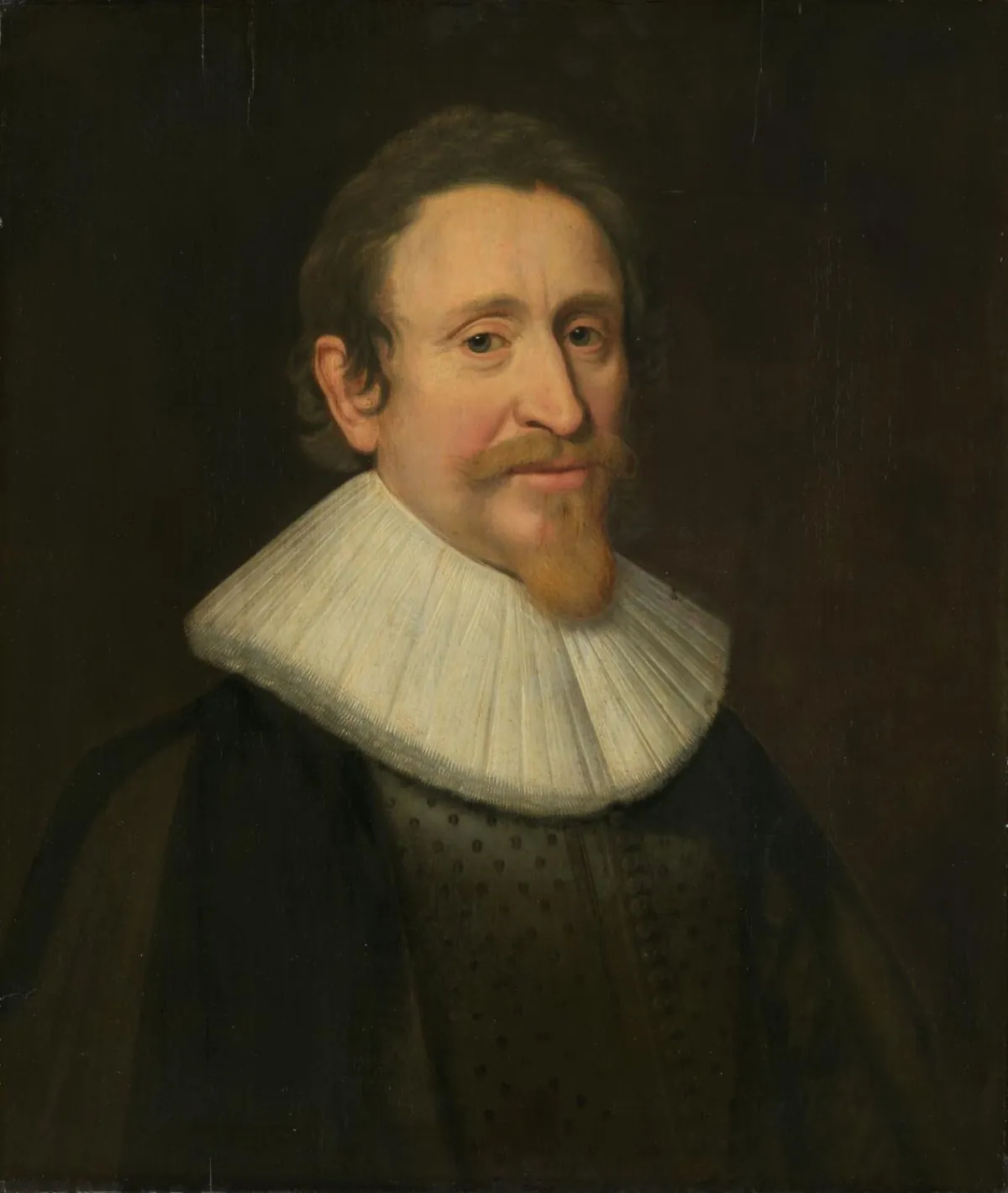
In 1625, the Dutch jurist Hugo Grotius wrote that natural law would hold etsi Deus non daretur, even if God did not exist. Modern psychology adopted a similar rule: study the person as if God did not exist and as if the soul were a dispensable hypothesis.
Now, an instrument that does not measure the soul proves the limit of the instrument, not the nonexistence of the soul. That is the atheists' rule, and I am not obliged to accept it.
The Council turned the rule into a regulation
In April 2023, Brazil's Federal Council of Psychology published Resolution No. 7, on the "secular character of psychological practice". It forbids psychologists to "associate concepts, methods and techniques of psychological science with religious beliefs" and to use their title "associated with religious currents".
The same resolution requires that the patient's religiosity be considered a "formative element of subjectivities". In other words: the patient's faith may be studied, but the truth of the faith has to stay outside. It is Freud with an official stamp.
Not imposing faith is just. Banning the soul is not
The psychologists' Code of Ethics, from 2005, already forbade "inducing [...] religious convictions", and that is just, because no one should use the consulting room to push their own belief on someone who is fragile. The 2023 resolution went further: it forbade psychology to engage with any belief at all, as if the Christian view of man were a prejudice.
The case reached the Supreme Court. In 2026, the rapporteur, Alexandre de Moraes, voted to uphold the resolution, and the case was sent to the full court, still without a date.
The brain has been studied. The soul is still missing
Since Lange, neurology has advanced as never before: it has mapped regions of the brain, measured hormones, followed children from the cradle. Jerome Kagan, at Harvard, showed that some are born more inhibited and others more uninhibited, and I use those findings.
The brain provides the conditions of temperament. But no MRI explains why you want to be better than you are. After a century and a half of psychology without a soul, it is time to take Lange's road in reverse and return to the soul.
Reality does not accept being cut down
Set aside, for a moment, whether you are a Christian or not. As a researcher, what matters to me is reality, and in Axis Ratio it imposed itself like this: if I took God out of the hypothesis, the method did not work. If I took out original sin, it did not work either.
Reality is what it is before what we would like it to be, and it cannot be a slice cut out on purpose. That is why the object of Axis Ratio is the whole of reality, uncut, the way it works.
Science was born in the house of faith
The university was born in the Middle Ages, in the schools of the Church. In 1231, Pope Gregory IX guaranteed the autonomy of the University of Paris in a bull called Parens scientiarum, "mother of the sciences". In the thirteenth century, Bishop Robert Grosseteste and the friar Roger Bacon were already defending experience as a criterion of truth. Later came the friar Gregor Mendel, who founded genetics in 1866, the year of Lange's book, and the priest Georges Lemaître, who proposed the expanding universe in 1927, the year of Freud's book. For the Church, faith and reason have always walked together.
Today, in the universities born of her, the scientific cut, which is legitimate as a method, has become the measure of the whole man, and faith has been put outside. It is a paradox.
Whoever loses the question loses the answer
How does psychology expect to give man an answer, if it has stopped asking the question that gave it its name: who is man? And how does it expect to find that answer, if it does not accept that the answer might come from God?
As a Catholic, my whole reality includes my faith, and that is why I do not accept the dictates of the Council of Psychology. Axis Ratio asks the whole question again and accepts the answer wherever it comes from.
Find out your temperament
The Axis Ratio test is free and shows your species among the twelve. Afterward, its full chapter is on The Book of Temperaments website, with the good you are capable of doing and the vice you need to watch.