
What is Leonardo DiCaprio's temperament?
He refused to change his name to make his career easier, waited a year and a half for the right film, and agreed to earn less to make it happen. What kind of disposition is that?
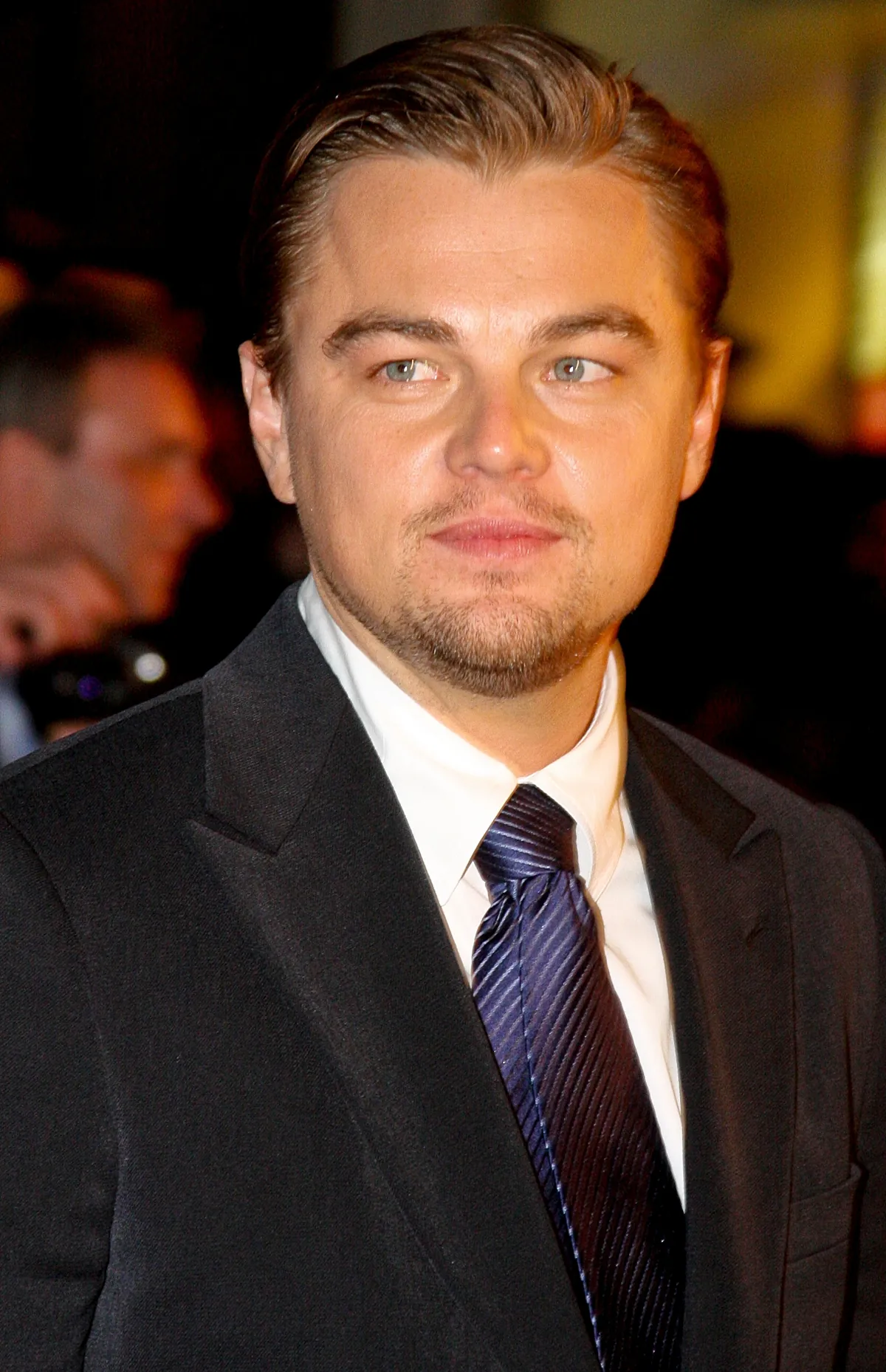
He waited a year and a half for his next film
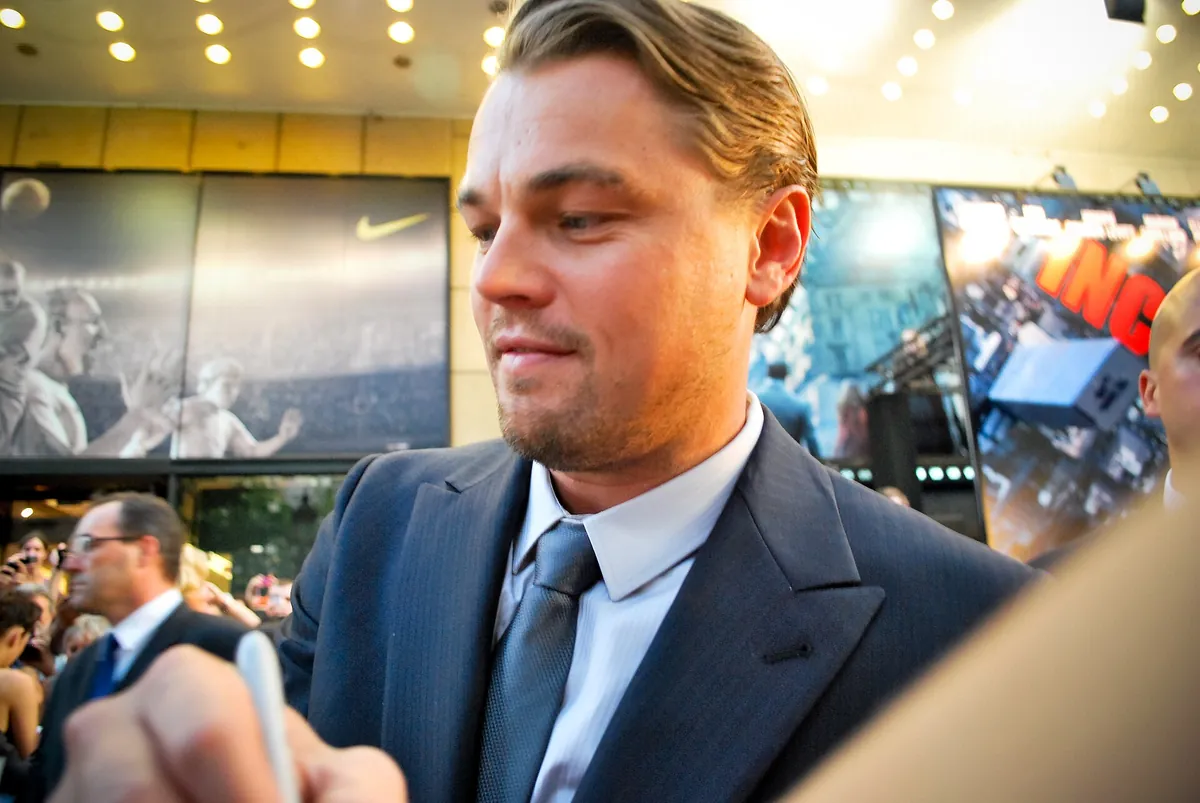
After Inception, in 2010, Leonardo DiCaprio spent about a year and a half without choosing his next role. Scripts kept coming, but he wanted a story and a director that truly interested him.
He only decided when J. Edgar came along, with Clint Eastwood. In DiCaprio's temperament, waiting is not indecision: it is the time it takes to judge whether something is worth what it will cost, and only then does the yes come whole.
The money had a purpose

DiCaprio was born in Los Angeles on November 11, 1974, and grew up with his mother in a poor neighborhood of Hollywood. His stepbrother, Adam, had already done commercials.
The boy saw a way out: get work and improve the life he shared with his mother. In his temperament, the distance between what one has and what one wants does not stay a complaint: it becomes a goal, and the goal calls for a concrete path.
He didn't want to be Lenny Williams

An agent suggested he start calling himself Lenny Williams. He thought "Leonardo DiCaprio" was too difficult a name for a career.
The boy liked his own name, turned down the change, and went looking for another representative. For someone of his temperament, some things are not up for negotiation, not even in exchange for an open door: he knows what is his and does not give it up to please others.
His father asked him to be patient

After being turned down at many auditions, DiCaprio thought about giving up. He told his father he wanted to be an actor but didn't know if he could keep going like that.
George encouraged him to be patient, and, according to biographer Douglas Wight, the conversation got him trying again. In DiCaprio's temperament, frustration weighs on the inside but does not erase the target: after the blow, he reorganizes his strategy and goes back for what he decided on.
Acting took on another meaning

With his first jobs, the motive changed. DiCaprio himself said that money stopped being the main reason to keep going.
He discovered the pleasure of getting inside his characters and became absorbed in the process of acting. For someone with his temperament, what began as a means can take on value of its own: when he recognizes something worthy, he starts serving it with all his strength.
He learned the craft on the film set
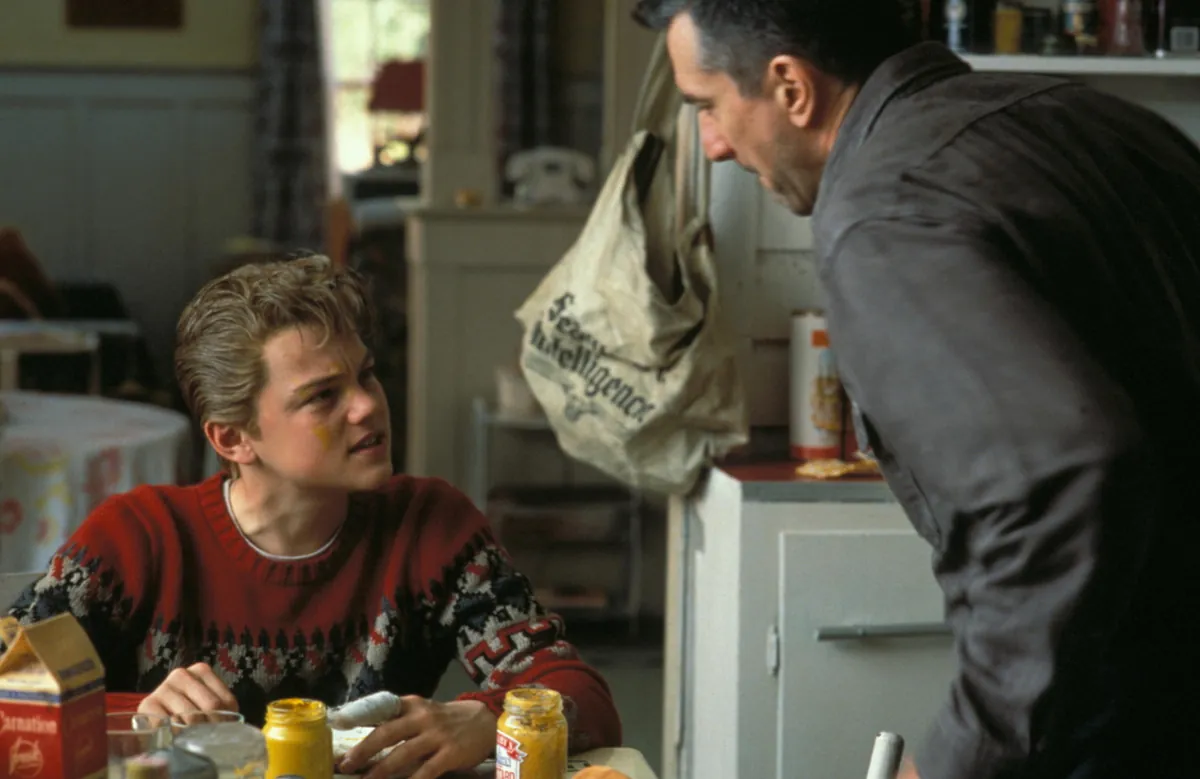
On This Boy's Life, from 1993, with Robert De Niro, director Michael Caton-Jones guided him closely. DiCaprio admitted he did not yet know how to behave on a film set or how much dedication a movie demanded.
That was the origin of the trust in directors that would stay with him throughout his career. In his temperament, learning is not humiliation: it is the way to reach the right measure of the work, and whoever teaches him earns his loyalty.
His father showed him what he didn't know yet
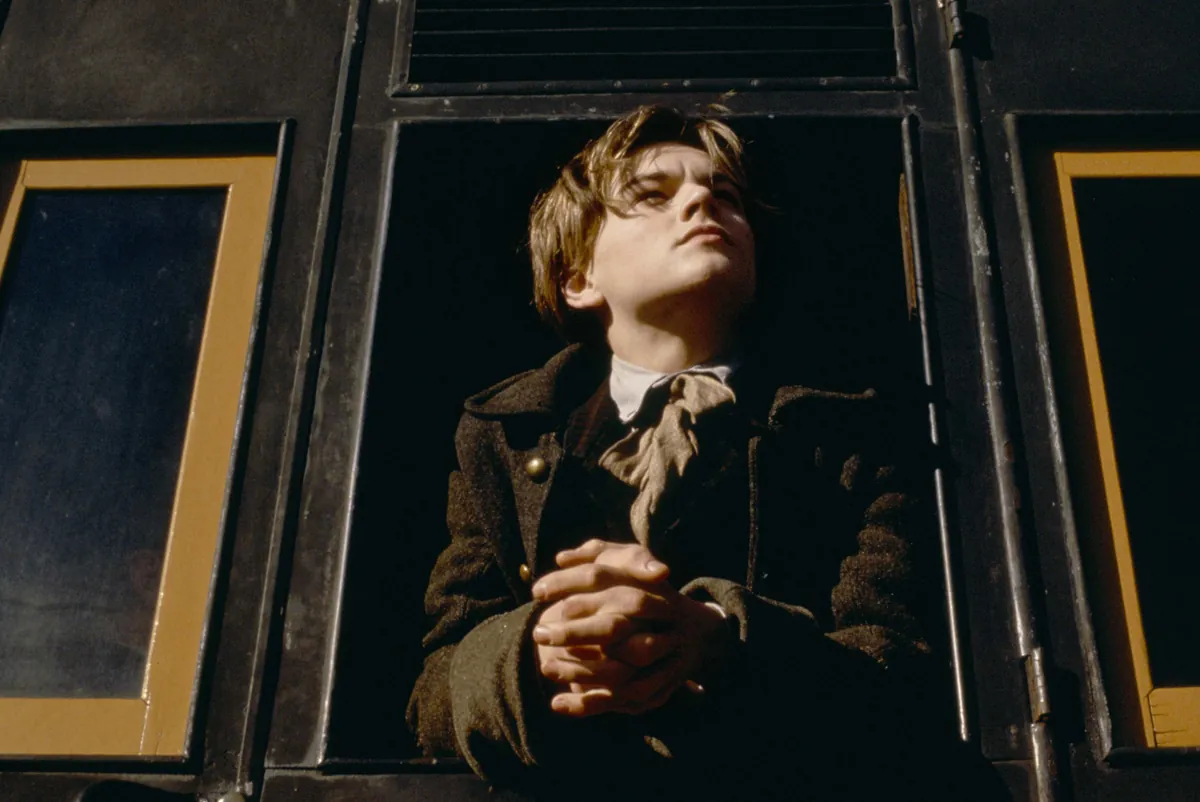
George introduced his son to new films, directors, and subjects. He was the one who drew DiCaprio's attention to Arthur Rimbaud, the poet the actor played in Total Eclipse, from 1995.
DiCaprio began looking for different roles and kept consulting his father before deciding. In DiCaprio's temperament, a good choice goes through the scrutiny of those he trusts, and loyalty to those few lasts a lifetime.
Among his friends, he stayed Leo
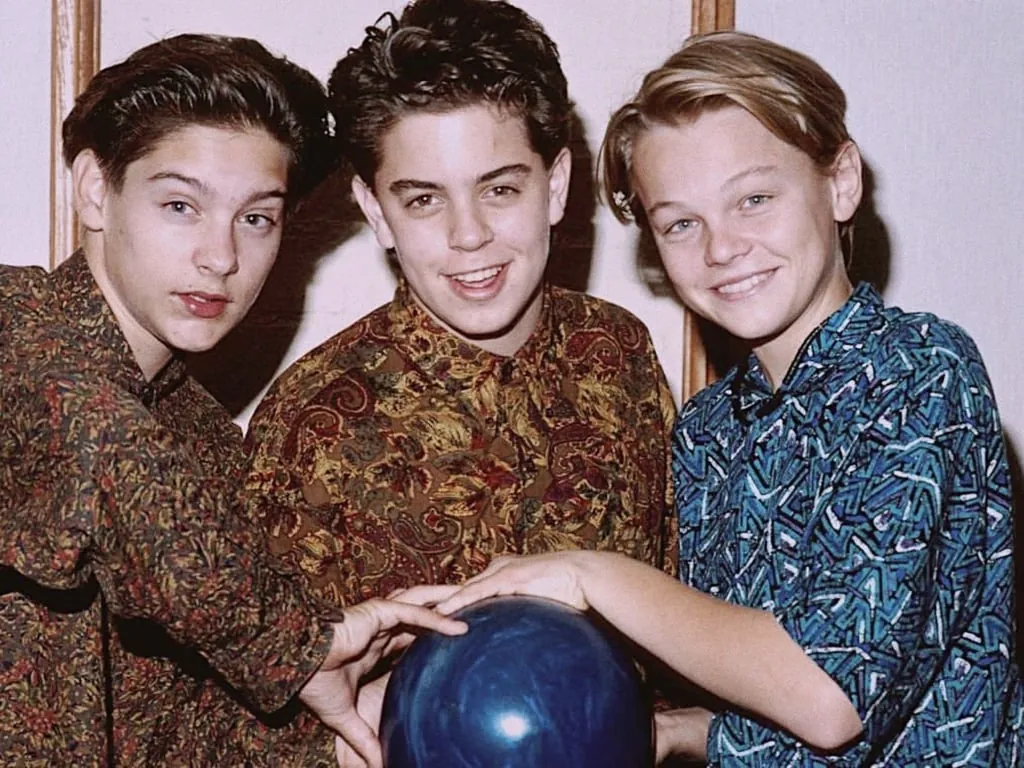
When fame exploded, DiCaprio said he wanted to protect his life with his family and his longtime friends. He insisted that they treat him simply as Leo.
There, being a star did not need to take center stage. For someone of his temperament, true bonds are few and deep, and he protects them the same way he protects his own work.
He made The Aviator happen
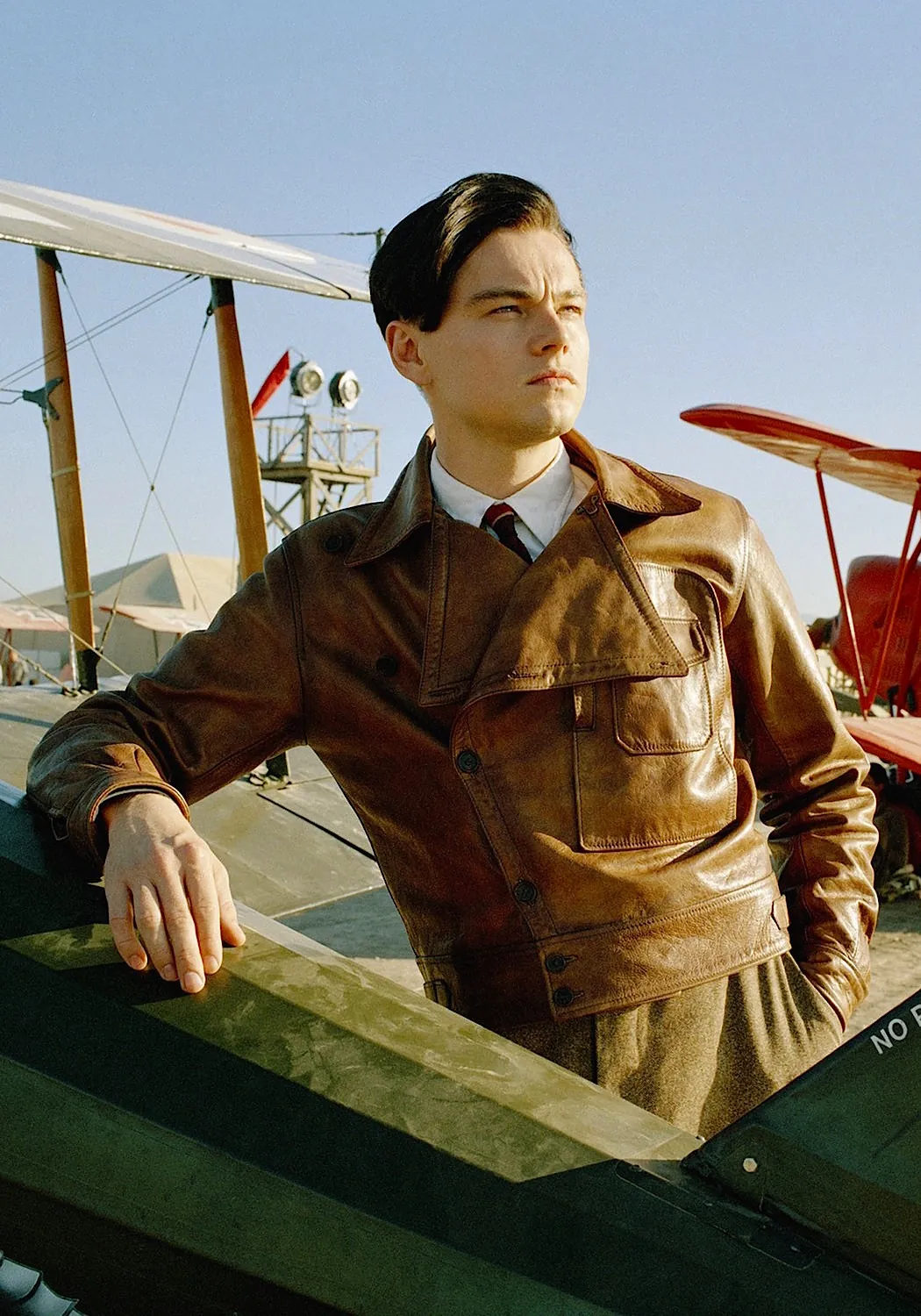
Interested in the life of Howard Hughes, DiCaprio took the idea to Michael Mann. The two, as producers, convinced Martin Scorsese to direct The Aviator, released in 2004.
DiCaprio helped build the project and spent a year preparing for the role. In his temperament, what he judges valuable does not stay a wish: he seeks out the people, the means, and the time to make it real.
What he found in Mozambique

While filming Blood Diamond, in 2006, DiCaprio met a girl who had lost her parents and lived in an orphanage. He and the crew rallied to raise help.
Years later, what he highlighted was seeing the contributions turn into something concrete. In DiCaprio's temperament, perceiving an injustice awakens the urge to intervene, and compassion is only complete when it turns into provision.
He agreed to earn less to make J. Edgar
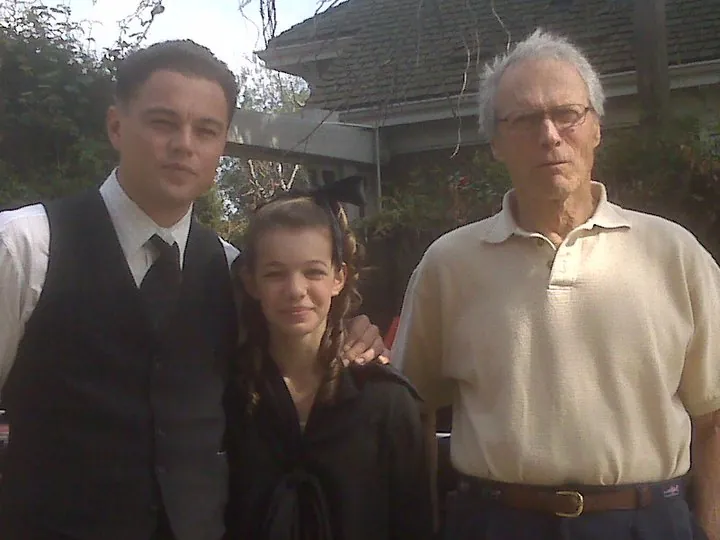
Clint Eastwood's film had a limited budget, and DiCaprio agreed to cut his own fee so the numbers would work.
Eastwood noted that the actor could earn much more on other productions, but he wanted to vary the paths of his career. For someone with his temperament, the price is measured by what the choice is worth: he accepts the cost when the end is worthy.
At Carey Mulligan's audition, the camera was on her

Carey Mulligan recalled that, at her audition for The Great Gatsby, DiCaprio improvised and even played other characters to help her. The camera wasn't even pointed at him.
She remembered how fully he gave himself to that audition. In his temperament, what matters is work done well, and he brings the same seriousness to the scene that will never be seen.
An auction to protect what was under threat

In 2013, DiCaprio, the foundation he created in 1998, and the Christie's auction house organized a contemporary art auction for the environment. According to Christie's, the evening raised about 38.8 million dollars.
The money went to protecting threatened places and species. In DiCaprio's temperament, a cause does not live on speeches: when one path is not enough, he opens another to reach the same end.
The Oscar came on the fifth nomination
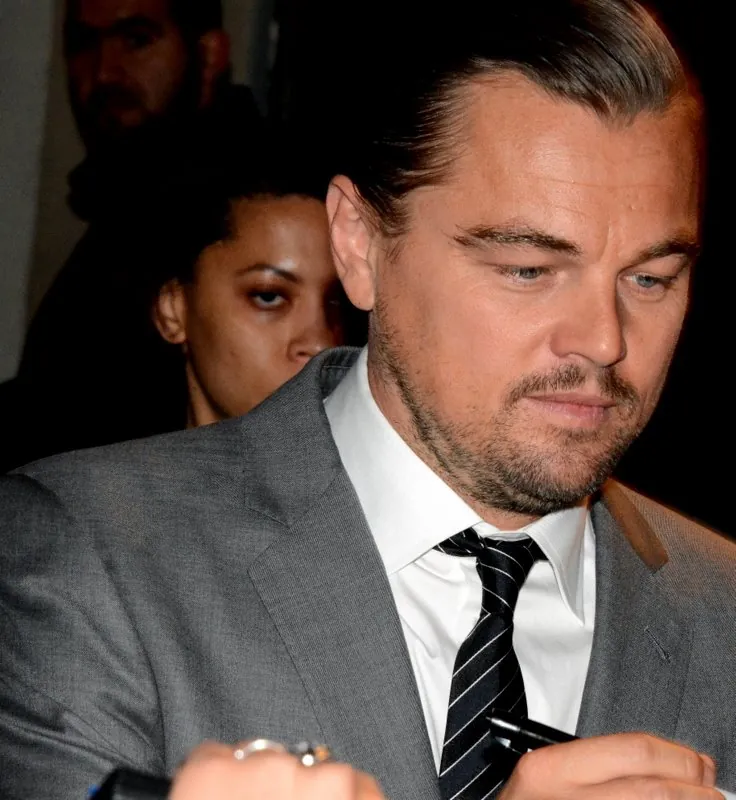
For The Revenant, DiCaprio filmed for months in the extreme cold of Canada and Argentina. In 2016, after four acting nominations without a win, he won the Oscar for Best Actor.
He took the stage and used his speech to talk about the environmental cause. For someone of his temperament, a long-awaited achievement has a special flavor: it is proof that the measure was right and that perseverance paid off.
The work still entertained him
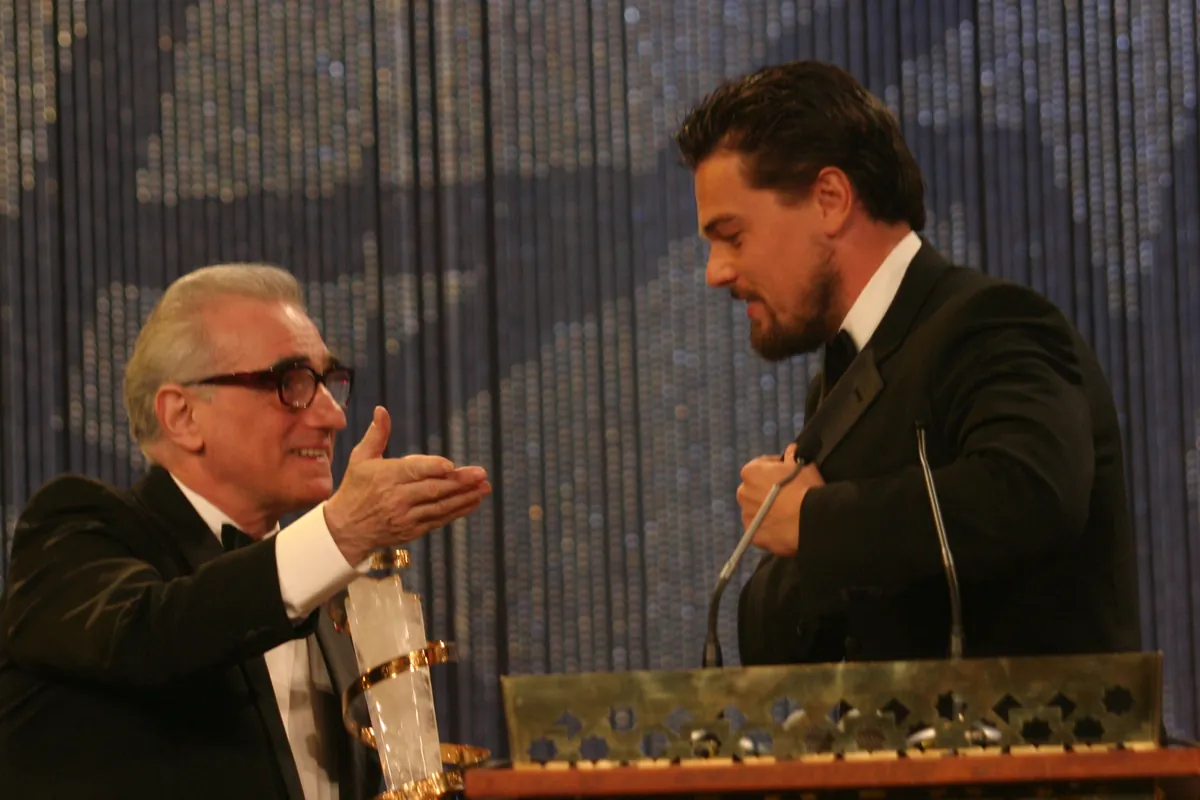
When talking about his career, DiCaprio described the fun, the challenge, and the excitement of trying to tell a good story. The reaction of audiences and critics remained unpredictable.
Even after so many films, the work itself still interested him. In his temperament, satisfaction lies in doing well what one has judged worthy, and that is why the craft does not wear out with time.
Melancholic-Choleric
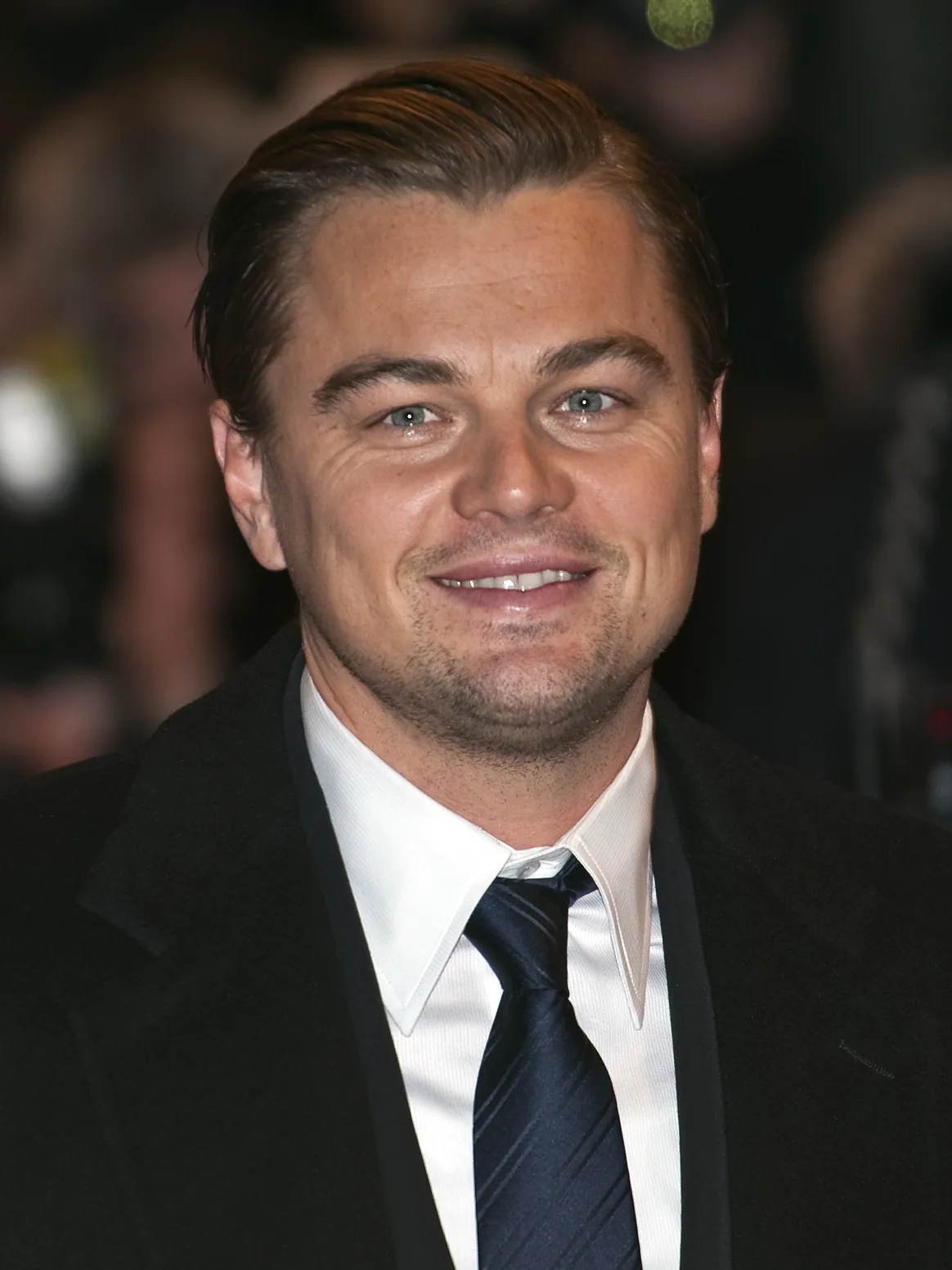
According to Axis Ratio, the most coherent reading of Leonardo DiCaprio's life is that his temperament is melancholic-choleric.
What governs is measure: judging whether a script, a director, a cause, or a price is worth it. The choleric strength comes to serve that judgment: what he has recognized as valuable does not stay a wish; it becomes a project, a production, an auction, and years of work until it happens.
The symbol of the melancholic-choleric is magnetite, a polarized crystal that has direction and draws to itself what it has recognized.
The marks of the melancholic genus
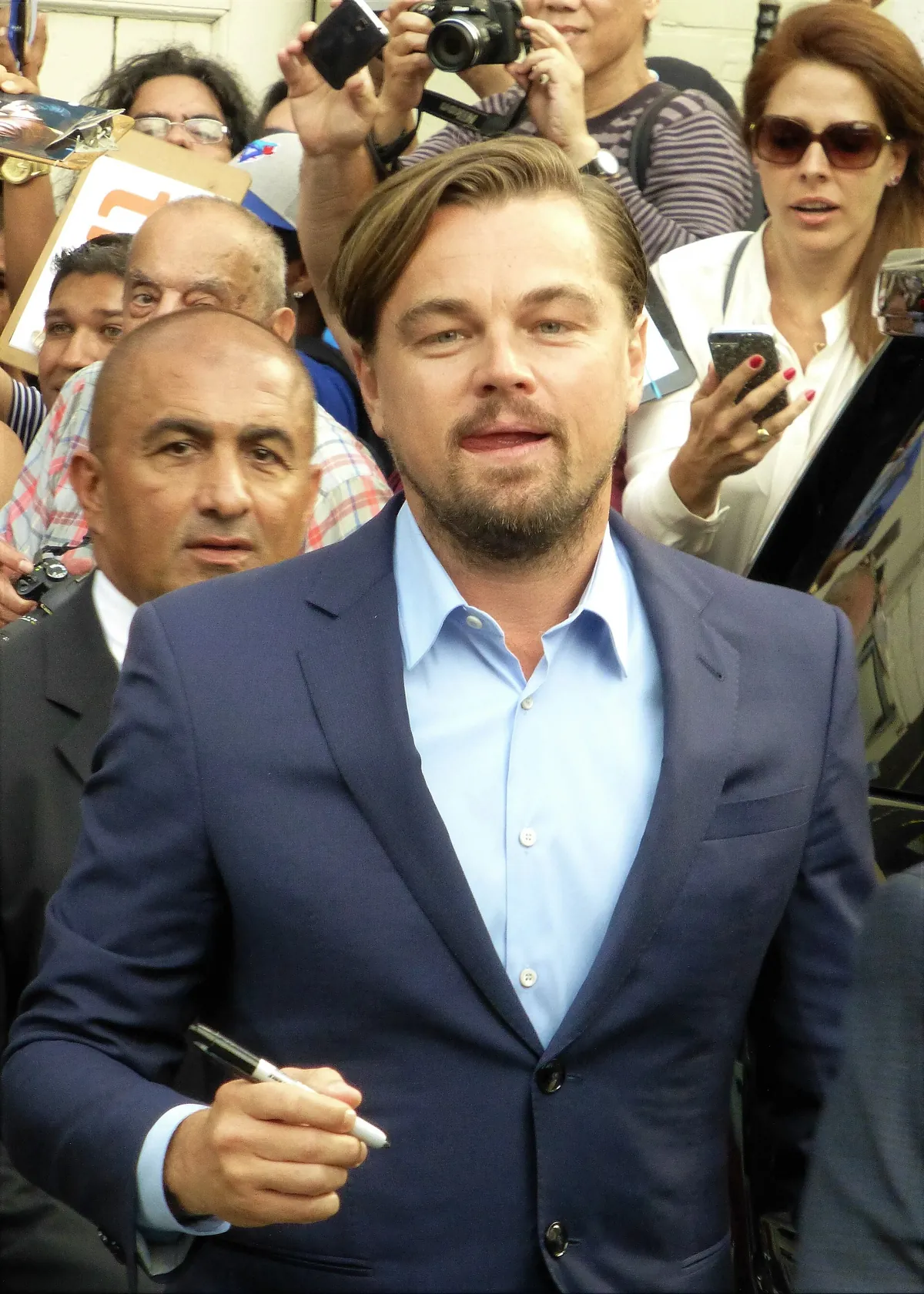
Every melancholic has a natural inclination toward measure, and in DiCaprio it shows up like this:
- Discernment: he waited a year and a half until he found a story and a director worth the effort.
- Firmness about what is his: still a boy, he refused to trade his own name for Lenny Williams.
- Inner life: he discovered the pleasure of getting inside his characters and became absorbed in the process of acting.
- Deep bonds: he consulted his father before deciding and, among his friends, stayed just Leo.
The melancholic, then, does not choose by whatever shows up first, because he needs to know whether it is worth it.
The marks of the melancholic-choleric

In the melancholic-choleric, measure does not stand still: it gains the strength to be fulfilled. In DiCaprio:
- Judgment that becomes a project: he took the idea for The Aviator to Michael Mann and convinced Scorsese to direct it.
- Flexibility in the paths: he agreed to earn less so J. Edgar would fit the budget.
- Action in the face of injustice: in Mozambique, he rallied help for an orphaned girl.
- Determination in his achievements: he won the Oscar on his fifth nomination, after months of filming in extreme cold.
That is why, in him, what has been recognized as valuable ends up happening, even if it takes years.
He said he was living a dream
DiCaprio said he was living a dream: doing what he loved, choosing his own projects, and trying to be the actor he imagined as a boy. Losing part of his privacy was, for him, a price worth paying for that life.
Leonardo DiCaprio was born on November 11, 1974, in Los Angeles.