
What is the temperament of Jeffrey Chiquini?
Filipe Martins's fearless lawyer started out meeting clients in coffee shops, stood up to Alexandre de Moraes face to face, and insists that it's trouble that likes him. What kind of nature is that?
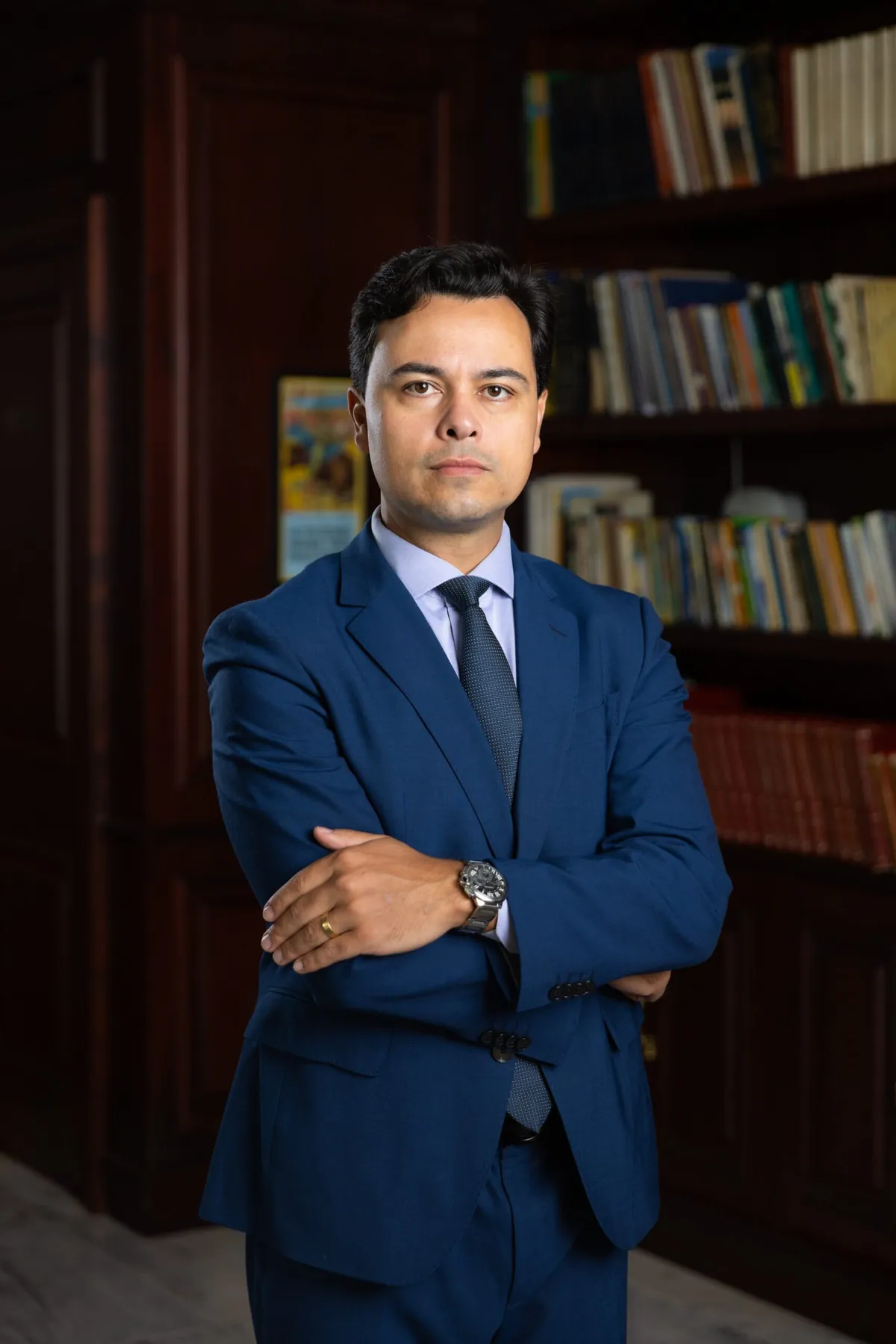
Far beyond the clips

On social media, Chiquini almost always appears in clips: the hard-hitting reply, the heated argument, the tone of a man who won't accept losing. Anyone who sees only that concludes he likes a fight, and stops there.
His firmness, however, has a root, and it shows up better away from the cameras: in a text about a defendant the judge assigned him to defend, in a hearing where he was told to keep quiet, in a moment of venting to his wife over breakfast.
"I started out meeting clients in coffee shops."

On Pânico (a Jovem Pan show) in October 2025, he told how it all began: "I started from the bottom, I started out meeting clients in coffee shops."
He is the first lawyer in his family, and says he suffered and worked his tail off to build his firm. He didn't have the structure yet, but he had already taken up the post.
He starts before he is ready and finishes preparing along the way.
The lunch on December 2

He and his wife had known each other since childhood, from the same church. On December 2, 2010, he invited her to lunch and, soon after, asked her to be his girlfriend and went to ask her father's approval, according to a report about their wedding, which took place in 2016.
When he recognizes what he wants, he goes straight after it, and by the path he judges to be right.
"Society is bleeding."

In July 2016, he was appointed by the judge to defend, before a jury, a 24-year-old man accused of killing his girlfriend. The defendant was deaf, had been addicted to crack since he was 14, and came from a family marked by deaths and imprisonments.
Chiquini wrote about the case: "The days are evil. Society is bleeding and apparently suffers from hemophilia." And, about his own duty: "There is nowhere to run, because I was appointed by the judge and I cannot give up."
For him, a case keeps being thought over long after the sentence.
Evidence before prison

In the articles he published in Empório do Direito between 2017 and 2019, the yardstick is always the same: you only convict with certainty, and certainty only comes from evidence argued by both sides.
In 2019, he criticized the new abuse-of-authority law for being too vague, even though it was a law made to punish those who abuse the power to arrest.
What he judges to be just, he defends even when the criticism hits his own side.
The Filipe Martins case
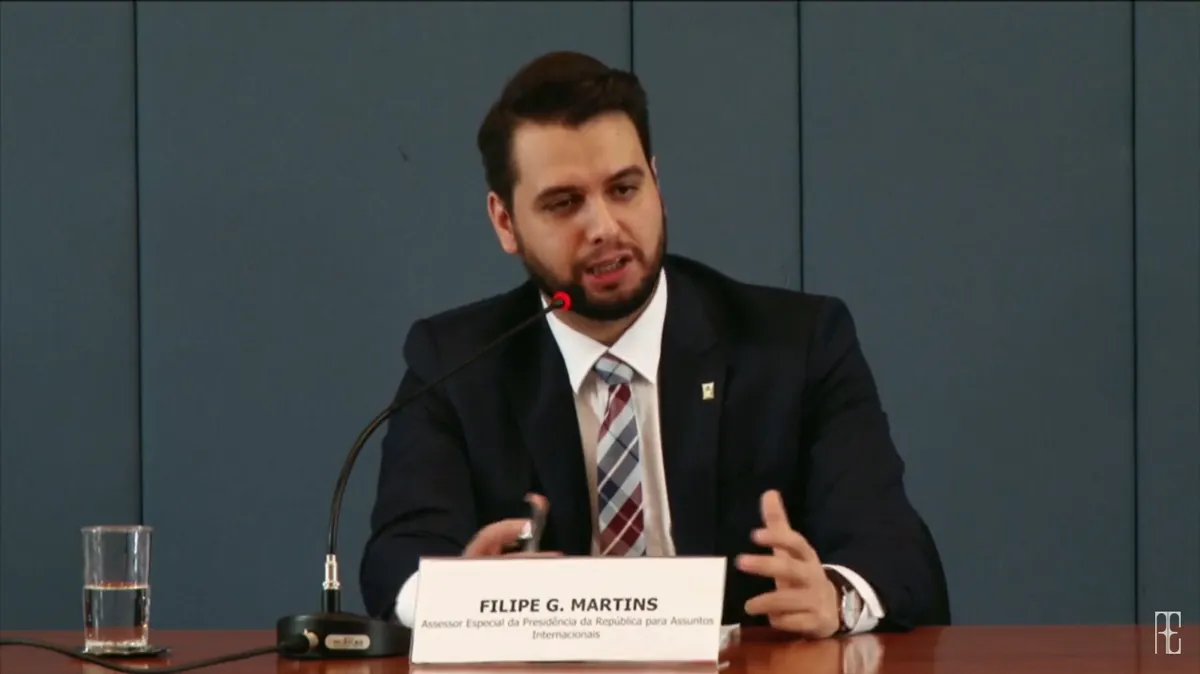
In February 2024, Alexandre de Moraes ordered the arrest of Filipe Martins, Bolsonaro's former international affairs adviser, on the grounds that he was a flight risk: a record said he had entered the United States on December 30, 2022. He had not traveled. He spent six months in prison, and later U.S. Customs itself admitted that the record was false.
Even so, he was sentenced to 21 years and, in January 2026, went back to prison over an alleged LinkedIn login.
It was through this case that I began following Chiquini: I am an admirer of Filipe Martins, and I became an admirer of his too.
Justice has an owner
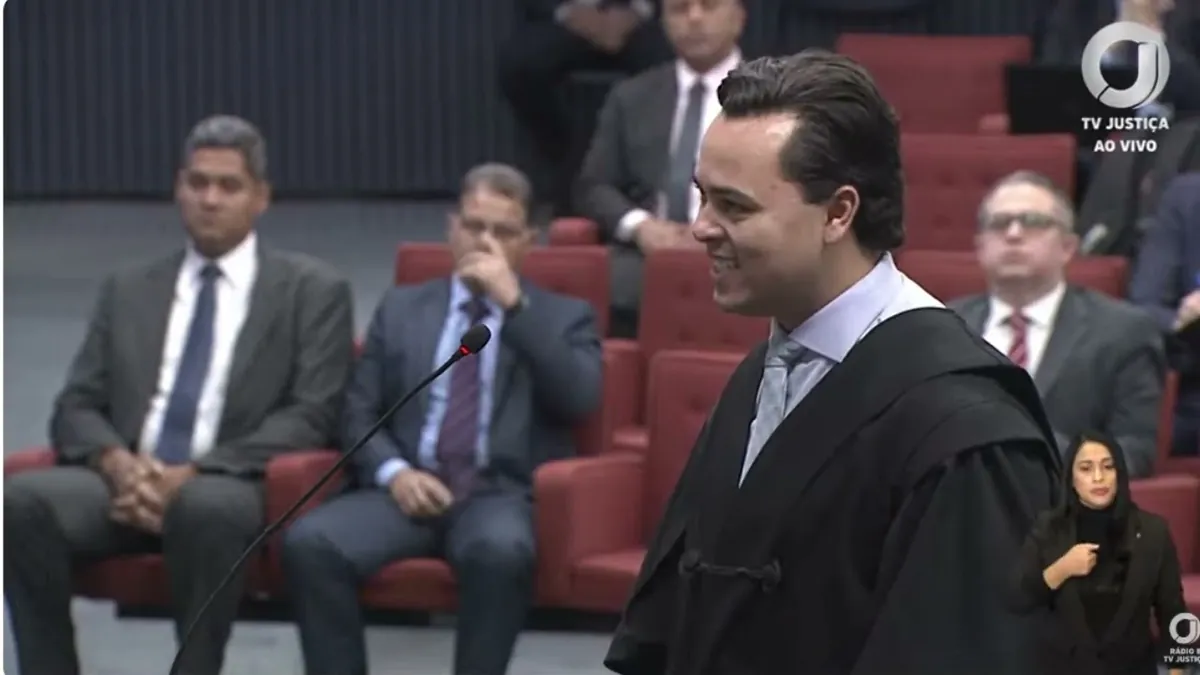
Chiquini took over the defense at the STF (Brazil's Supreme Federal Court) in July 2025. Days later, while pointing out contradictions in the testimony of the plea-bargain informant Mauro Cid, he heard from Moraes: "While I am speaking, you keep quiet." He showed that the entry record had been created in May 2024, when Filipe was already in prison, and still had part of the slides for his oral argument blocked.
He lost the case because, in Brazil, Justice has an owner. In 2026, he became the target of a disciplinary proceeding that, according to him, was meant to make him ineligible for office, and he was elected federal deputy in October.
In the face of what he judges unjust, he doesn't back down, not even when the price is becoming a target.
"Water under the bridge."
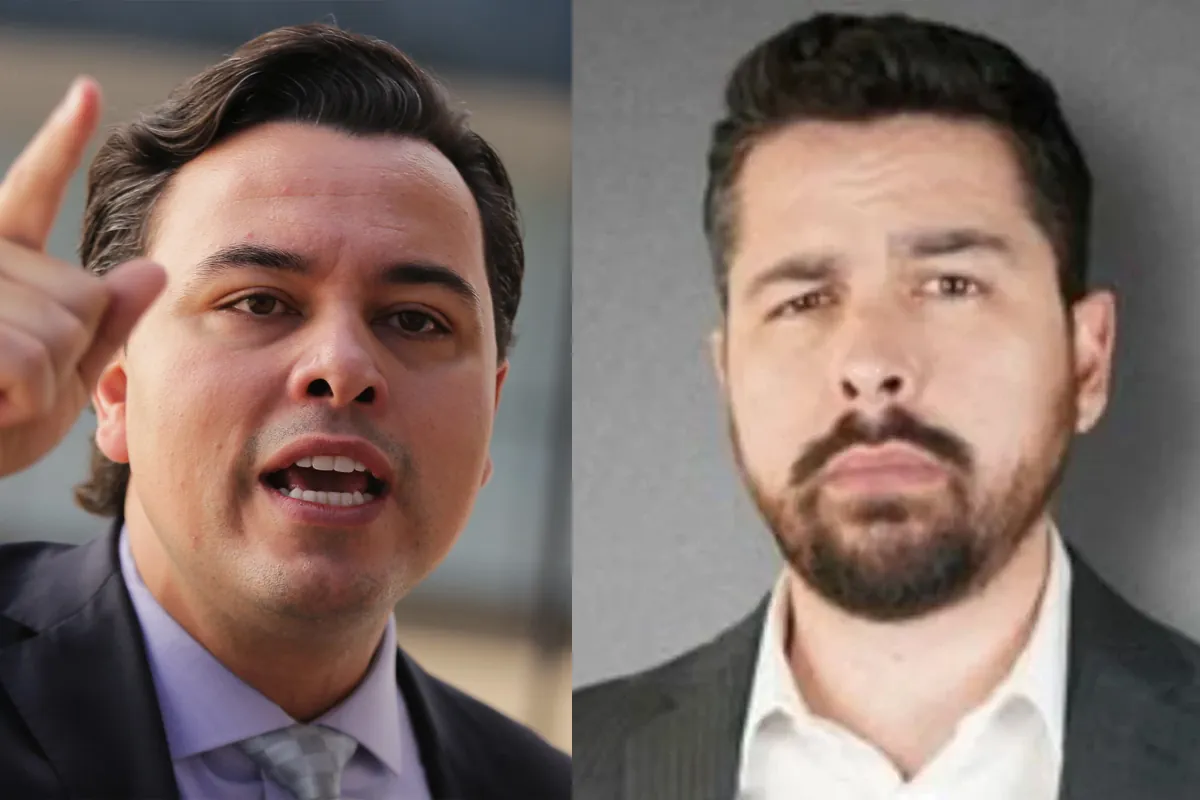
In October 2025, according to Metrópoles, a disagreement over Filipe Martins's defense turned, during a live debate, into an exchange of insults with Paulo Figueiredo: "opportunist," "crook," "dumb ox."
Days later, when the column reached out to him, Chiquini closed the matter: "That's in the past. Water under the bridge. Our focus is the same."
He goes into a fight all in when he thinks he is right, but he knows how to get out of it when the bigger goal is at stake.
"Trouble likes me."
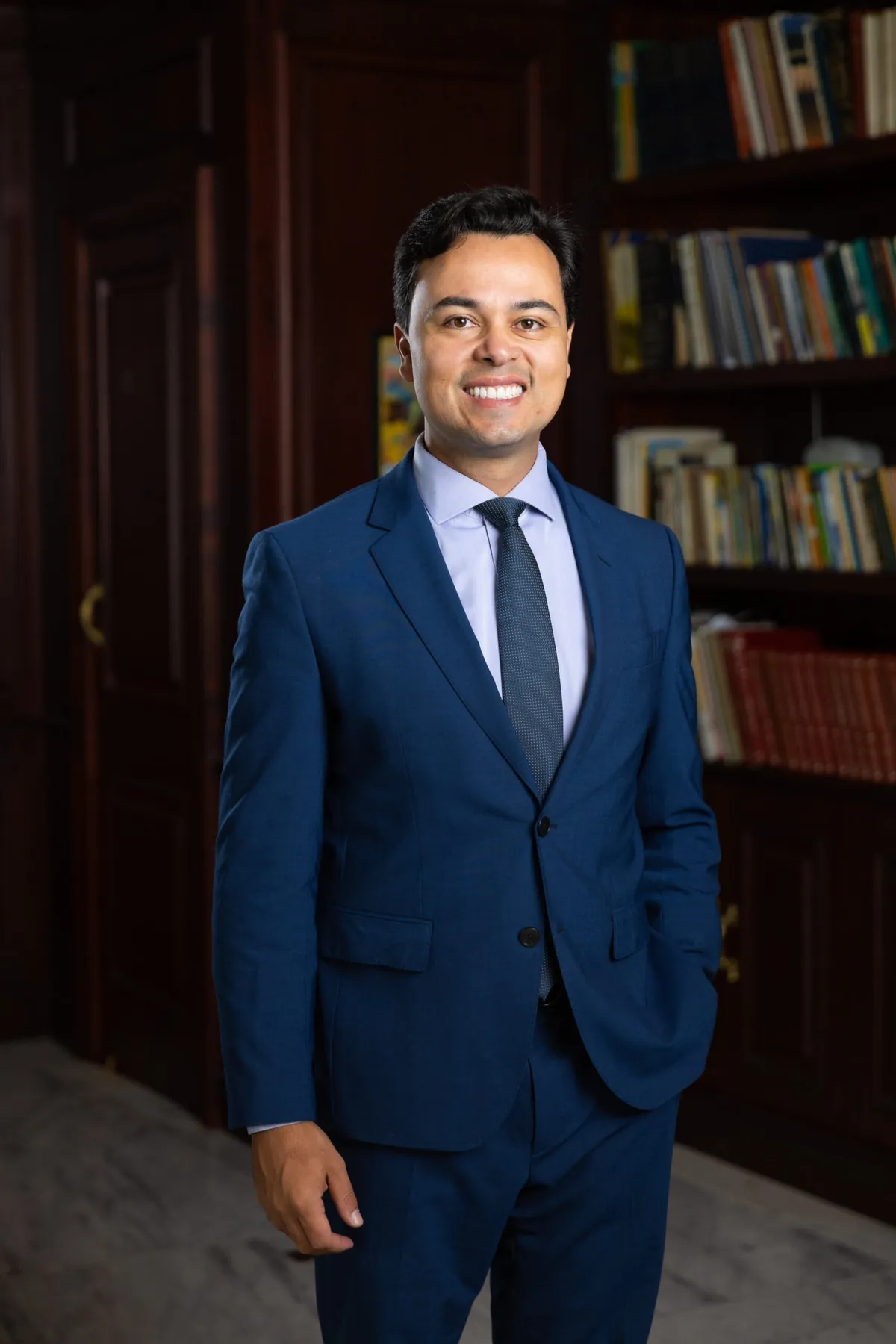
On Pânico in October 2026, the hosts recalled that he had fought with a lot of people. The answer came with a laugh: "They say I like trouble. Lies, trouble likes me."
He knows how to laugh at his own reputation, and he is far less stern than the clips make him look.
"Dr. Chiquinho."
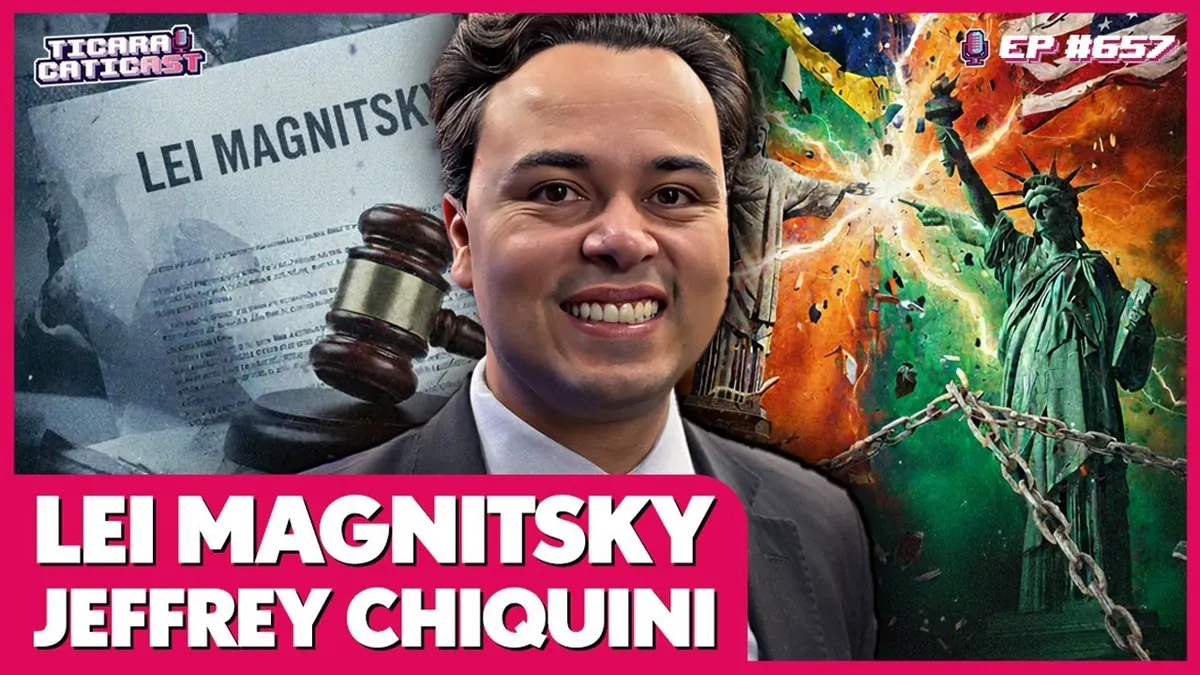
On Ticaracaticast, the hosts started calling him Chiquinho. He said that one of his partners only calls him that, and that an appellate judge once greeted him as "Dr. Chiquinho": "I don't care."
When they laughed at him for saying he had "defended the front man," he corrected them on the spot: "I defended the guy who was unjustly accused of being a front man. And he was acquitted."
He can take a joke, but he won't let an unfair word against a client slide.
"I get involved, I suffer along with them, I become their friend."

In December 2025, the day after Filipe Martins was sentenced to 21 years, he said on Oeste com Elas: "I have friends, lawyers, criminal attorneys, who close the office door and go home. I can't do that." And he added: "It's as if a member of my family had been treated unjustly."
What hits him keeps being turned over inside long after the day is done.
"Clean hands, and the enemy with a rifle."

In the same interview, he said he had arrived from Brasília in the early hours and, at breakfast, vented to his wife: "My wife opened my eyes this morning." She said: "Honey, do you see that your hands are clean and the enemy has a rifle?"
What weighs on him inside, he shares with few people, and he truly listens to those who have his trust.
"Being a politician is not a profession."

On Pânico in 2025, when he was still denying he would run, he went back to the beginning: "I suffered a lot, I worked my tail off to build my firm. And I'm not going to throw myself into politics and kill my firm."
And he made a point of keeping things separate: "Being a politician is not a profession."
For him, what was hard to win has a value that is not to be risked lightly.
"As a lawyer alone, I can't fix justice in Brazil."

On October 4, 2026, running for the Novo party, he received 425,399 votes and was the most-voted federal deputy in Paraná. On Pânico, he explained: "A lawyer works on specific cases." He thought about the Senate but, as he put it, "Deltan had priority," and he ran for the Chamber of Deputies: "It's a chessboard."
When he sees the gap between what is and what ought to be, he changes course, if he has to, so as not to change his destination.
"The most technical federal deputy in this country."
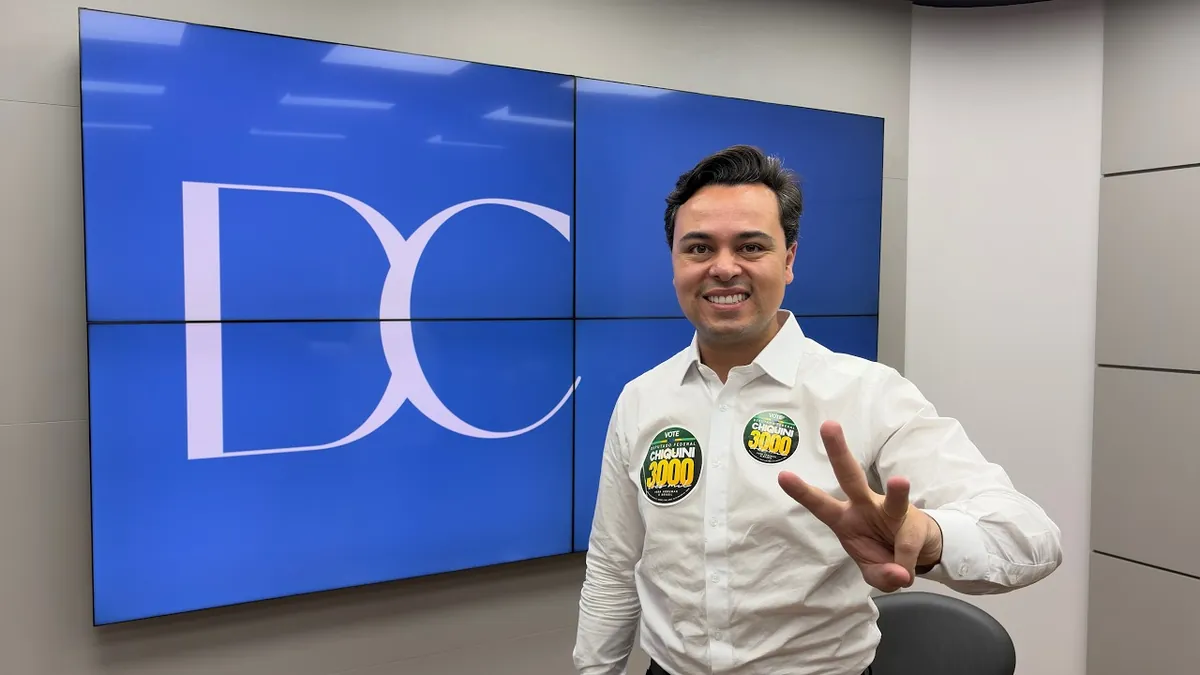
In the same interview, he said: "The vote wasn't for me, it was for the cause." And he told what he wants: "I want to be the most technical federal deputy in this country." He wants "to go down in history as a lawyer who was part of the judicial reform that worked."
He doesn't hide his ambition: he wants his name tied to a concrete work.
Melancholic-Choleric
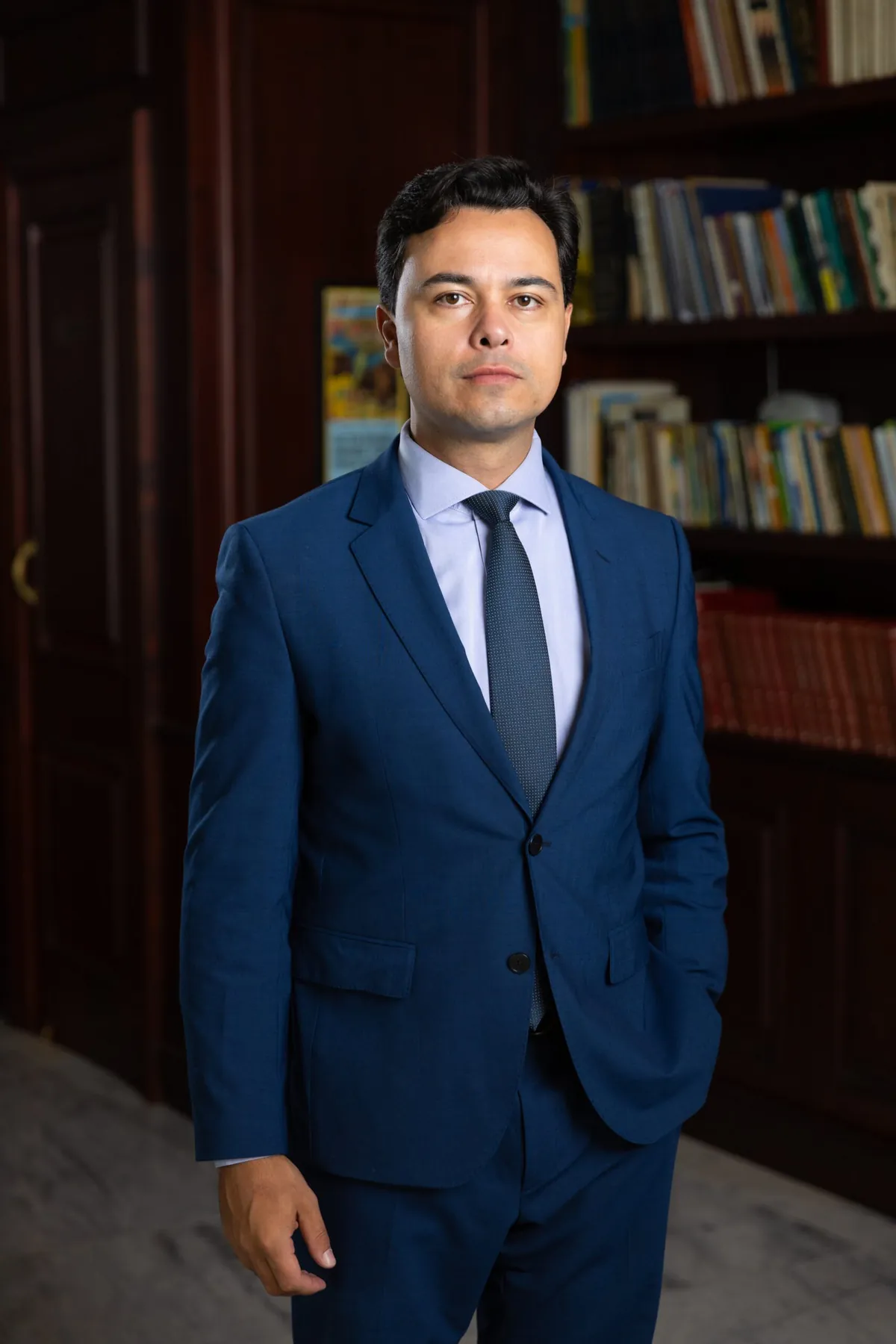
According to Axis Ratio, the most coherent reading of Jeffrey Chiquini's life is that he is melancholic-choleric.
The melancholic sets the tone: the measure of what is just, the weight that stays, the case that keeps being thought over after the sentence. And the choleric comes to serve that measure with initiative, courage, and the strength to execute. That is why, in him, a fight is almost always born of a conviction.
In the melancholic-choleric, strength works for what is just, and the challenge is not to think that what he deserves is already owed to him.
The marks of the melancholic genus

Every melancholic has a natural inclination toward measure, and in Chiquini it shows like this:
- A sense of justice: "I defended the guy who was unjustly accused of being a front man."
- Inner life: the 2016 jury trial produced a text about a society that "is bleeding."
- What weighs, stays: "It's as if a member of my family had been treated unjustly."
- Few bonds, and deep ones: he has known his wife since childhood, and she is the one he vents to over breakfast.
That is why he can't treat a case as just another case.
The marks of the melancholic-choleric

In the melancholic-choleric, measure gains the strength to become a work. In Chiquini:
- Firmness when the matter is important: he doesn't back down in Filipe Martins's defense.
- Starts before he is ready: "I started out meeting clients in coffee shops."
- Turns the gap into a project: "As a lawyer alone, I can't fix justice in Brazil."
- Values what he has won: "I'm not going to throw myself into politics and kill my firm."
His danger is thinking that, because he fought and deserved it, the result already belongs to him. He matures when that same firmness learns to say "water under the bridge" and to listen to his wife over breakfast.
Firmness in the service of justice
Jeffrey Chiquini is that strength born of a conviction. He is the lawyer who started out meeting clients in coffee shops, who wrote about the society that bleeds, who didn't back down in Filipe Martins's defense even before Moraes, and who reached the Chamber of Deputies wanting to fix Justice.
Jeffrey, the firmness is yours. May it remain in the service of what is just, and not of what seems owed to you.
@jeffreychiquini, do you recognize yourself in this reading?