
What is Guilherme Derrite's temperament?
He failed the Military Police psychological exam and went on to win 13,273,880 votes, the largest vote for the Senate in Brazil's history. What kind of force is this, that is not content with doing, and needs to do it well?
Engineer or dentist

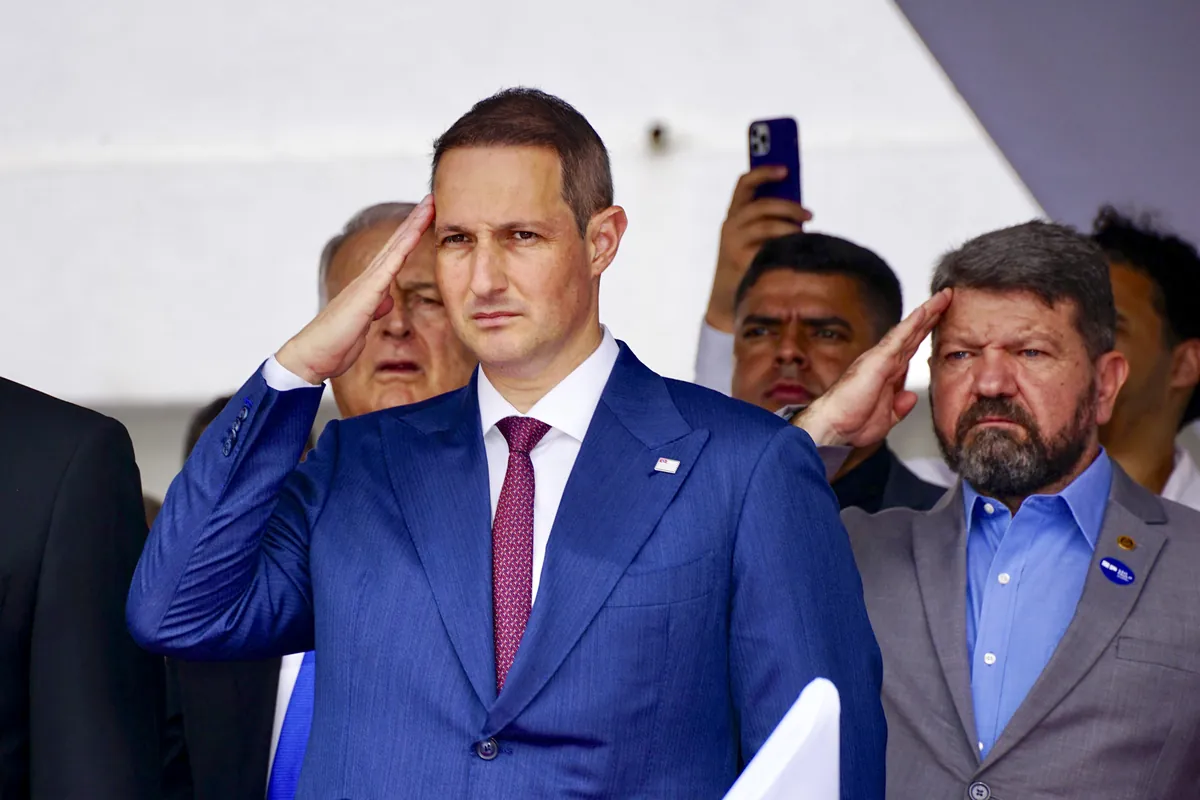
Guilherme Derrite was born in Sorocaba on October 10, 1984, the middle child of a middle-class family. He went to state public schools and attended high school on a scholarship. The plan was to become an engineer or a dentist.
Until, close to the college entrance exam, he saw a photo of his father from his days in the Tiro de Guerra (the Brazilian Army's reservist training) and talked with a family friend who was studying at the Barro Branco Academy. He came out of that conversation decided: he would try for a career as an officer of the PM (São Paulo's Military Police).
Failed the psychological exam
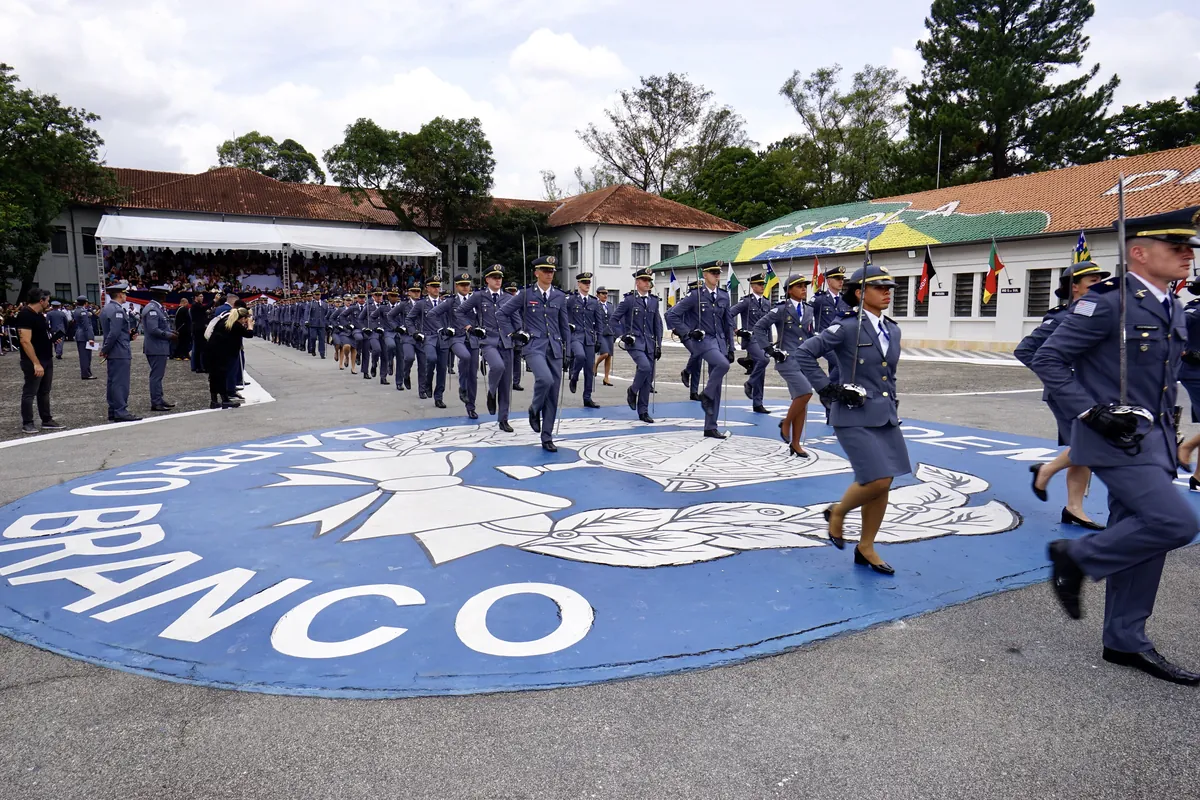
The first attempt did not work out: Derrite failed the psychological exam. The following year, he tried again and passed, and in February 2003 he entered Barro Branco.
It was there that he met Iara, also a cadet, now a captain in the Military Police. The two married and have two sons, Gabriel and Gustavo. The young man who nearly missed out on the Academy came out of it, in 2006, an officer candidate.
Promoted on intellectual merit
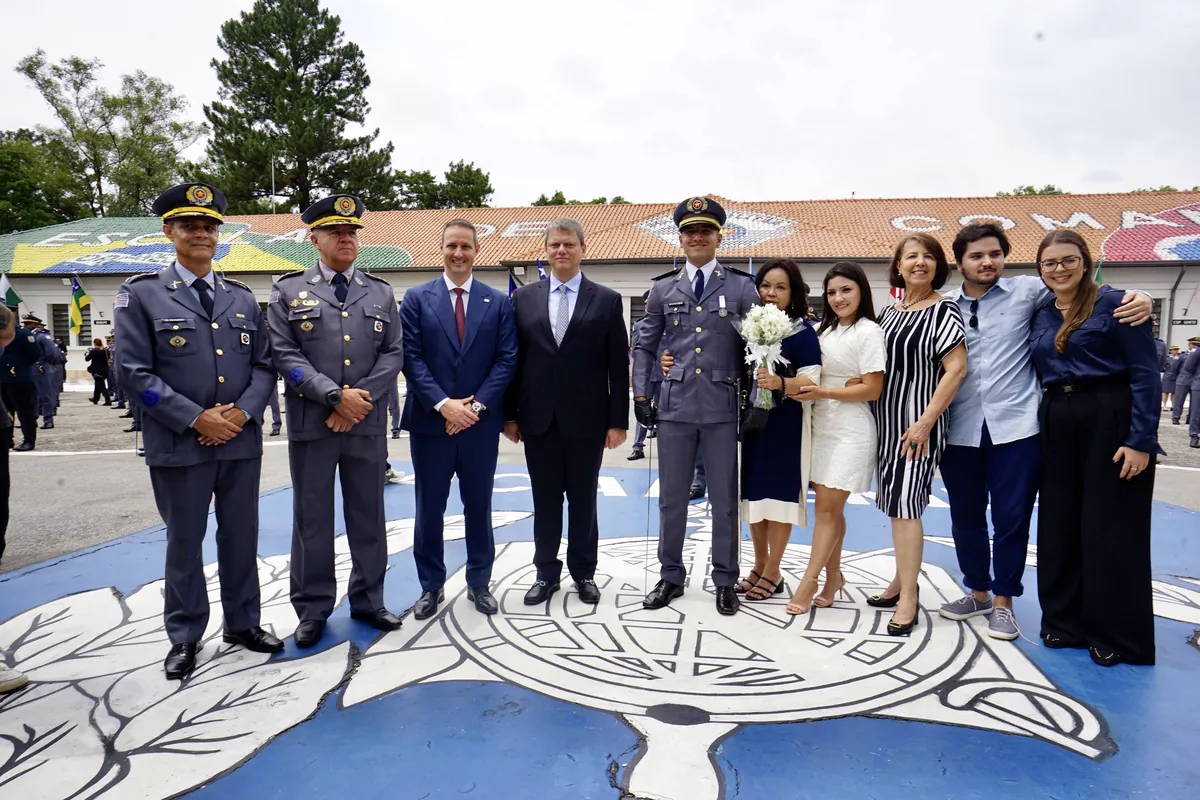
In December 2007, a year after graduating, Derrite was promoted to second lieutenant on intellectual merit. And he never stopped studying again: after his bachelor's degree at the Academy, he studied law, did a graduate program in legal sciences, and earned a master's degree in public management and public policy.
The topic of his thesis says a lot: the electronic ankle monitor for men who assault women. The policeman who faced crime on the street also wanted to understand how to fight it better.
"I went right at them."

Between 2006 and 2009, he commanded Radio Patrol and Tactical Force platoons in Osasco. His dream was the Rota (the São Paulo PM's elite unit), and on his first attempt he was not accepted. In 2010, he got in, and spent about three years in the unit most feared by criminals in São Paulo.
Years later, he summed up his way of working: "I had a lot of shootouts, I went right at them, you know? Whoever goes right at them is exposed."
More than a thousand soldiers

In 2013 and 2014, Derrite coordinated the training of soldiers in the Sorocaba region and, during that period, trained more than a thousand police officers. In 2015, he commanded a platoon of trainees at the Higher School of Soldiers.
Doing his own job well was no longer enough. He had to teach others to do, to the same standard, what he had learned on the street.
In the rubble of the Wilton Paes de Almeida
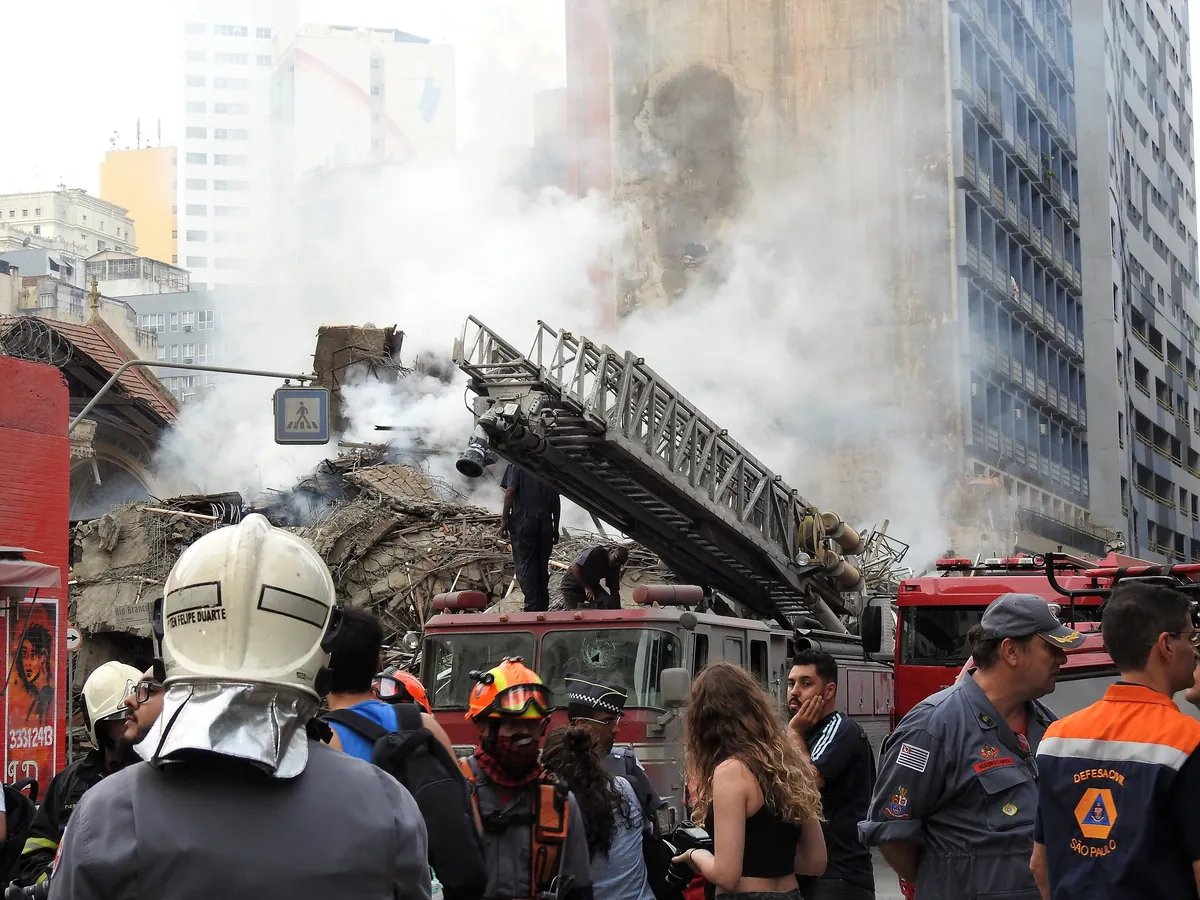
Later, the uniform changed color: Derrite commanded Fire Department stations in Casa Verde and Pirituba. On May 1, 2018, the Wilton Paes de Almeida building caught fire and collapsed in downtown São Paulo, and Lieutenant Derrite was among those speaking for the corps during the search.
Not a word out of place: "This material was taken to the IML (the Forensic Medicine Institute) for the victim's identification exam." In the face of tragedy, precision is also a form of respect.
"I was elected thanks to social media."

Long before his first term, Derrite was already known to the public. He appeared on the police shows of Band and Record and even starred in a reality show, Operação de Risco, on RedeTV!. On social media, he gained thousands of followers.
He himself acknowledges how much that weighed: "I am absolutely certain that I was elected thanks to social media." The captain who went right at them on the street learned early on to go right at them on screen too.
"I was invited by Jair Bolsonaro."

"I was invited by Jair Bolsonaro, today President of the Republic and at the time a federal deputy, and also by Eduardo Bolsonaro, to take on this challenge." Out of loyalty to the former commander of the Rota, Colonel Telhada, he joined the PP (Progressistas party) and ran on a joint ticket with him.
One sentence had stayed with him: "If we do not fill the seats with honest people who have the courage needed to change our country, that gap will be filled by people possibly with shady interests." In 2018, he won more than 119,000 votes and made it to the Chamber.
The end of the "saidinha"

In the Chamber, Derrite was the rapporteur of the bill that ended the temporary furloughs of prisoners (the "saidinha"), passed on August 3, 2022, by 311 votes to 98. That year, he was reelected with 239,772 votes, twice his first election.
When the bill came back from the Senate, in 2024, he was already Secretary of Public Security, and he left the post for a few days just to return to the Chamber and finish the job. The law was signed on April 11, 2024.
The record drop in robberies

In January 2023, Tarcísio (the governor of São Paulo) called him to the São Paulo Secretariat of Public Security. For executive secretary, Derrite chose a civil police officer, Chief Osvaldo Nico Gonçalves, to unite the two police forces. Then came the ankle monitor for men who assault women, the SP Mulher Segura app, and the Muralha Paulista program.
Robberies fell from 242,900 in 2022 to 193,700 in 2024, a drop that Folha called a record.
"We put the magnifying glass on it and separated them."

At the secretariat, he also wanted more exact numbers. On femicide, he explained: "Many femicides were recorded as homicides, and we did a more detailed investigation."
And he added: "It's not that there was an increase, femicide was already hidden inside the homicide statistics, only now we put the magnifying glass on it and separated them." For anyone who wants to fight a crime, the first step is to know exactly where it is.
"I prefer to monitor the criminal."
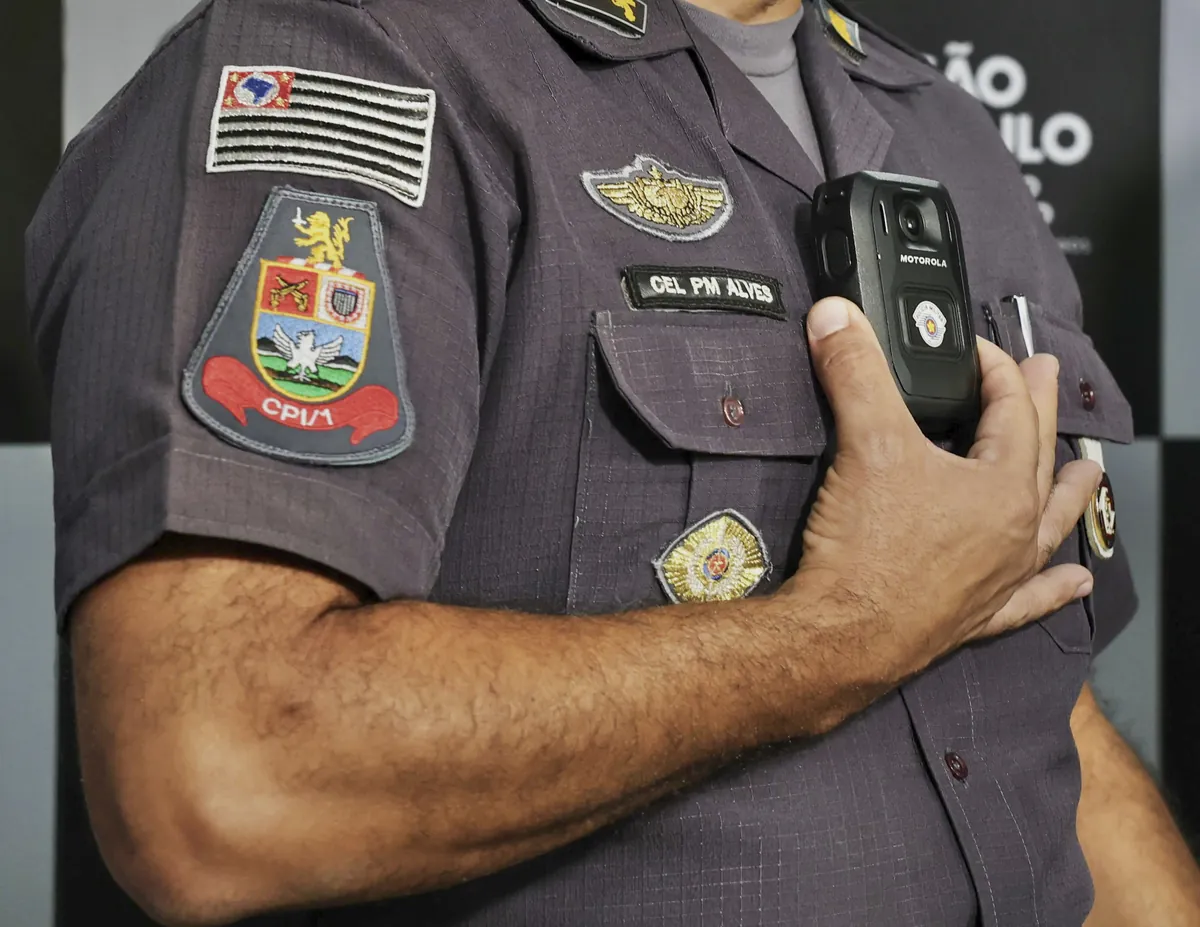
In March 2024, Derrite was criticizing the PM's body cameras: "I prefer to monitor the criminal, it's cheaper." Two months later, he changed his mind in public: "I myself, during the campaign, questioned the use of the camera and its effectiveness, but I was able to see that it can be used for other functions."
The model was redone: 12,000 new cameras, remote activation by the control center, and recording of the 90 seconds before activation.
"We will not tolerate any kind of misconduct."

In December 2024, a video showed a police officer throwing a man off a bridge, in the south of São Paulo. The next day, Derrite removed the 13 officers involved from duty and said: "We will not tolerate any kind of misconduct by any police officer in the state of São Paulo."
The captain who defends the police like few others did not go easy on anyone who dishonored it. The demand he makes of others applies, first, to his own.
"I kept quiet, I kept working on the technical side."
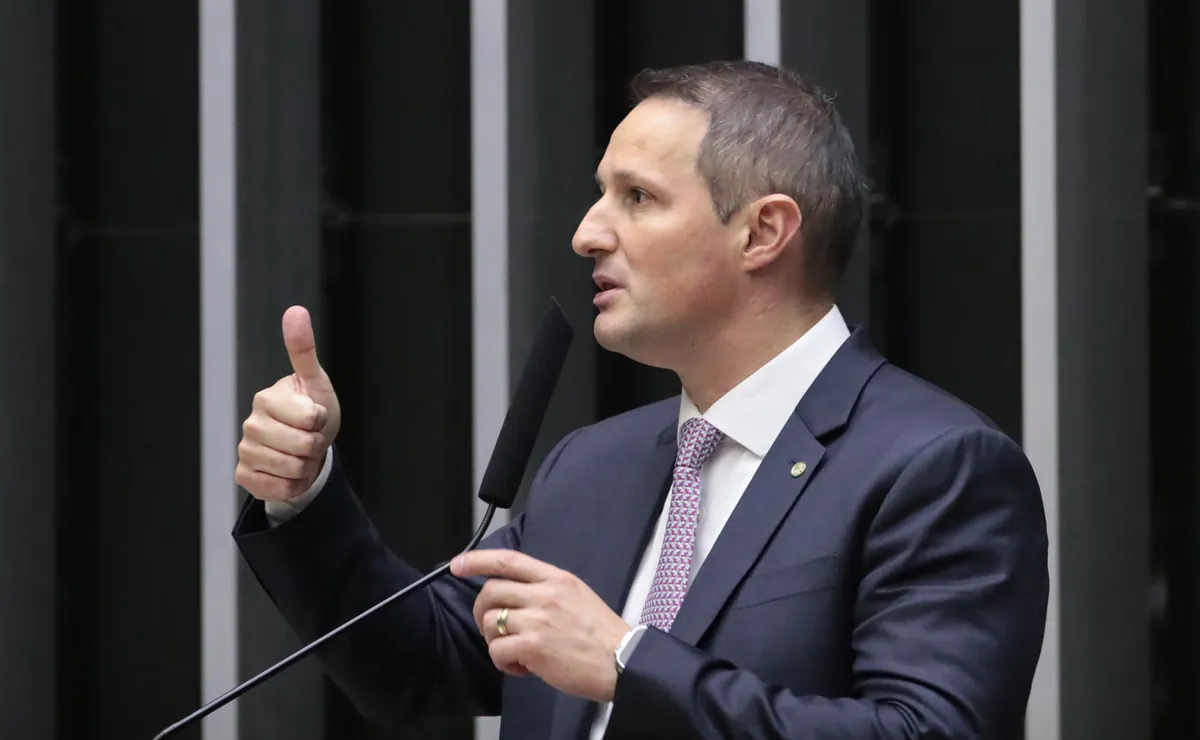
In November 2025, Derrite was the rapporteur of the anti-faction bill. There were six versions of the text: he removed the changes to the Anti-Terrorism Law, kept the powers of the Federal Police, and rewrote what needed rewriting. Attacked by the government, he replied: "I kept quiet, I kept working on the technical side."
And he concluded: "We went into the confrontation at the time it had to happen, in a democracy, on the floor, and we won." The text passed by 370 votes to 110 and became law in March 2026.
13,273,880 votes

On October 4, 2026, Derrite was elected senator for São Paulo with 13,273,880 votes, 30.59% of the valid votes: the largest vote for the Senate in Brazil's history, ahead of Aloysio Nunes's record from 2010. On the night of the victory, he said: "We ran a clean campaign and we won with integrity."
The young man who failed the psychological exam became the most-voted senator in the country. What temperament can be recognized in this path?
Choleric-Melancholic
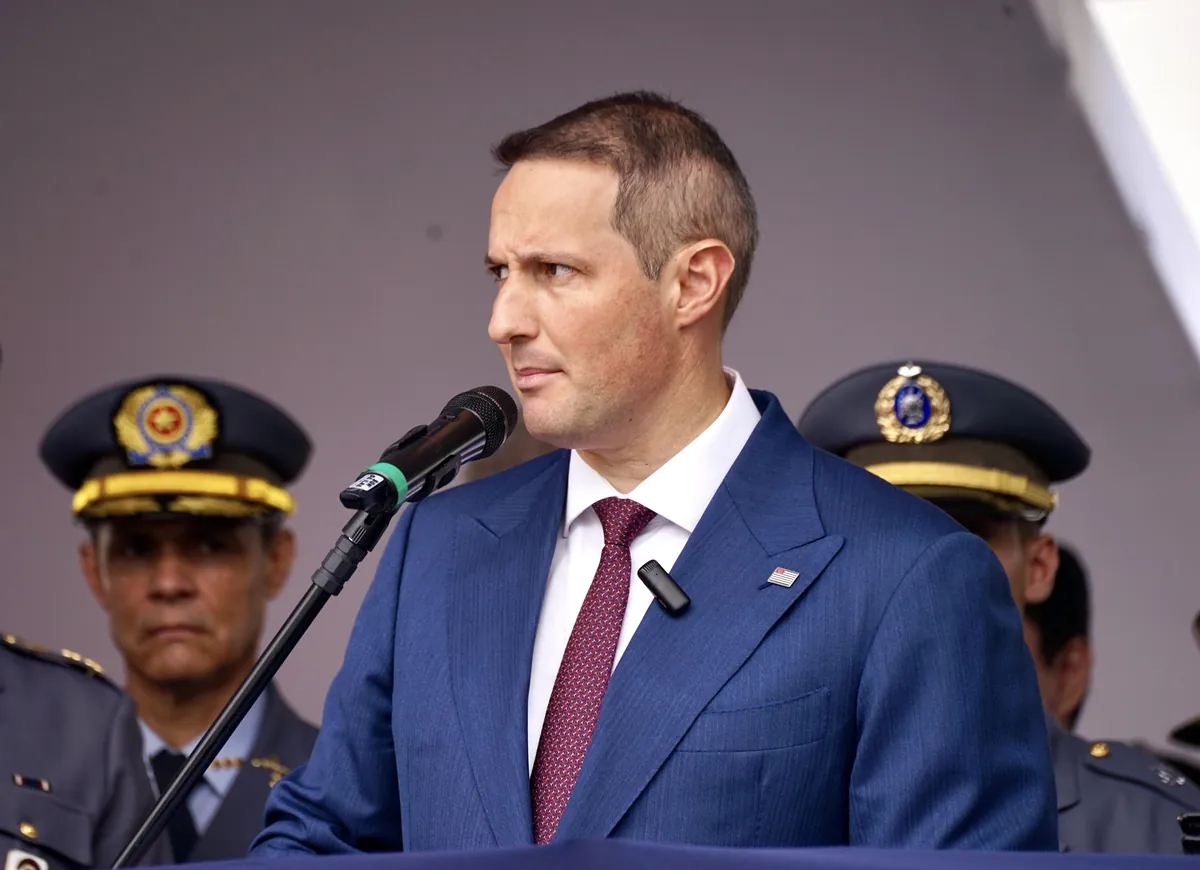
According to Axis Ratio, Guilherme Derrite's temperament is choleric-melancholic.
Choleric action rules, and melancholic measure comes to serve it: before executing, he asks what is missing and what needs correcting. He failed and came back better prepared, he went right at them on the street and studied to do it better, he changed his mind about the cameras and rewrote the bill six times until he got it right.
In the choleric-melancholic, doing is not enough: it has to be done well.
The strength that comes from the choleric genus

Like every choleric, Derrite shows:
- Initiative: he chose the uniform and, later, politics, and went after them.
- Confrontation: he went right at them on the street and on the floor.
- Persistence in the face of obstacles: he failed, came back; was turned down by the Rota, got in.
- Disposition to command: platoons, troops, a secretariat.
- Pursuit of effectiveness: he wants concrete results, like the drop in robberies.
It is the strength that took him to the front line, but in him it comes with a particular demand.
The choleric-melancholic's own way

As a choleric-melancholic, this strength comes with:
- Preparation: law school, graduate studies, and a master's degree after the uniform.
- Precision: he put the magnifying glass on the statistics and weighed his words in the face of tragedy.
- A standard that can be taught: he trained more than a thousand soldiers.
- Correcting the means: he revised his position on the cameras without letting go of the goal.
- Demanding with his own: he immediately removed those who dishonored the uniform.
This is how this way of acting is recognized: the demand begins with his own work.
Doing is not enough. It has to be done well

Guilherme Derrite is this force that is not content with the first result. He is the boy from Sorocaba who wanted to be an engineer, failed the psychological exam, got into the Rota, trained a thousand soldiers, spoke for the firefighters in the rubble, ended the "saidinha," revised what needed revising, and rewrote the law until he won on the floor, until he became the most-voted senator in Brazil's history.
@guilhermederrite, do you recognize yourself in this reading?