
What Is Carlos Bolsonaro's Temperament?
Jair Bolsonaro's "02" tattooed his father on his arm at 17, ran against his own mother in an election, and, drawing in Paint, turned his father into an internet phenomenon. What kind of disposition is that?

He noticed a different mark

At 14, Carlos got his change from the bus conductor in coins and, counting them one by one, noticed that one of them had a different mark. The one-real coin was counterfeit, and he ended up giving a statement to the Federal Police.
The news story from that time came back around in 2019, in his interview with Leda Nagle, who remarked: "This boy is a stickler for his rights."
Since he was a boy, he has noticed whatever is out of measure, and he doesn't let it slide.
His mother was the drill sergeant of the house

Rogéria took her three sons to school, to soccer, and to swimming, and swam along with them. She tells it herself: "I was the drill sergeant of the house. I was tougher than Jair Bolsonaro."
As an adult, Carlos addressed Leda Nagle as "ma'am" the whole time, and explained: "It's a form of address I learned as a little boy." His upbringing, he said, came largely from his mother.
What he learned at home, he keeps as something serious.
He tattooed his father on his arm

"My father was my only idol," Carlos said on Pod Atualizar in 2023. At 17, he got a tattoo of him on his arm, and he makes a point of saying it was "long before any political angle."
In 2025, before the PL (Bolsonaro's Liberal Party), he came back to it: "I already loved someone. I got a tattoo on my arm at 17 years old."
When he bonds with someone, it's for life, and he marks it on his skin.
He ran against his own mother in an election
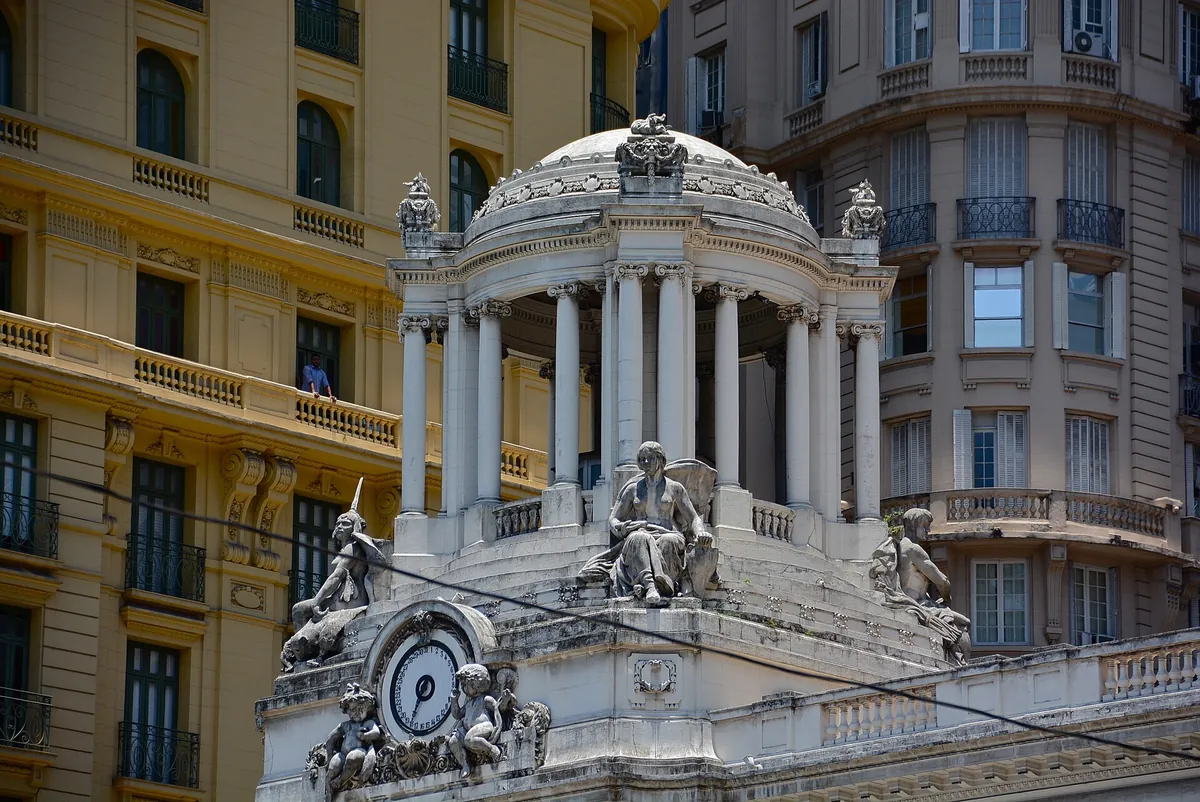
In 2000, his parents were separating. Rogéria was seeking a third term on the Rio city council, and Jair needed political support in the city. Carlos, at 17, put himself at his father's disposal and ran against his mother.
He tells it himself: "I saw a situation where I could be part of a problem so I could later be the solution." He was elected, turned 18 twenty-three days before taking office, and his mother was left out.
He takes the position before he knows where it will lead.
"Sit down there, even if you're alone."
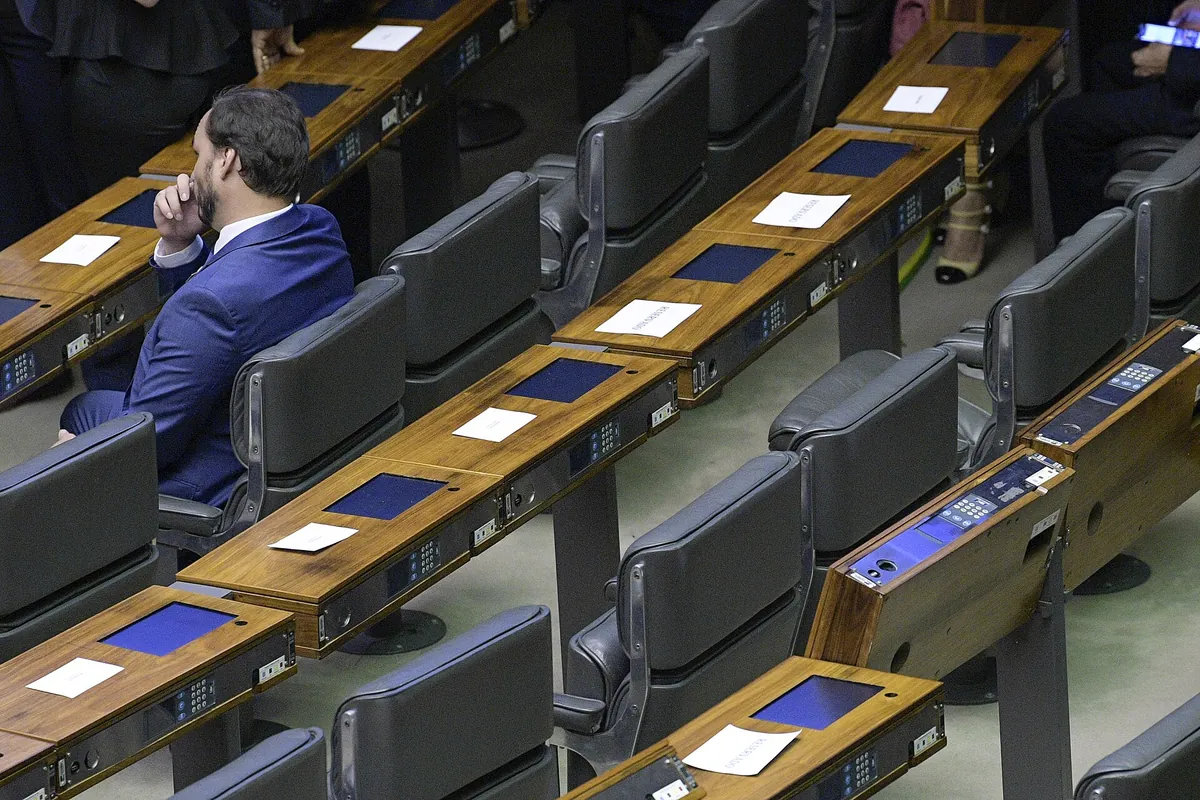
"My father managed to elect a lamppost," says Carlos, laughing at himself. He got 16,000 votes, and his father, according to him, only found out the next day.
At the Chamber, Jair gave the order: during the main session, from two to four, sit on the floor of the house, even alone, without talking to anyone. He obeyed, and asked himself: "What am I doing here? Why is my dad doing this to me?" Today he answers: "I'm sure the old man only wants what's best for me."
He learns in silence, and inside he keeps thinking through the meaning of every order.
"My dad is a seriously good-looking guy."

Since 1986, Carlos had seen what they did to his father. "Sometimes he considers it fair, and I, as his son, consider it unfair," he said about the blows Jair took.
Around 2010, he saw the photos going around: "Man, my dad looks seriously ugly. That's not how he is. My dad is a seriously good-looking guy." He created a blog so Google would find positive images of him. He wanted to show "the real Jair Bolsonaro in my eyes."
When he sees an injustice done to someone he loves, it becomes a problem to solve.
Team Bolsonaro was him in Paint
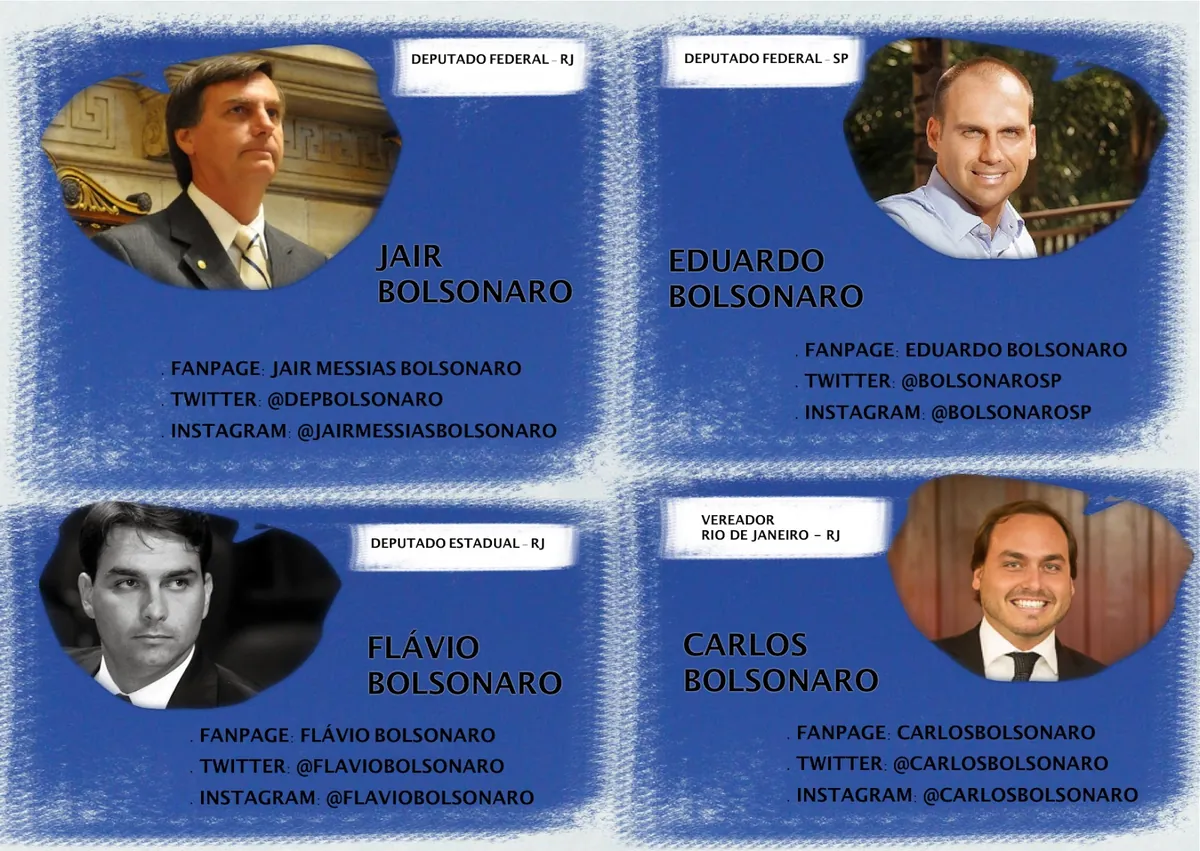
The family publicized his father's term with letters, about three mailings a year. When Carlos dropped the letters to fiddle with the internet, his father complained: "What's your deal? Don't you want to work?" He answered: "Let me try."
And he explained how it started: "Team Bolsonaro, which was me, drawing a picture of him in Paint with his number." He answered on his own everyone who asked whether they could vote from another state, "hooked on it 24 hours a day."
He finds the way with whatever he has in hand.
"I'm not the father of any movement."
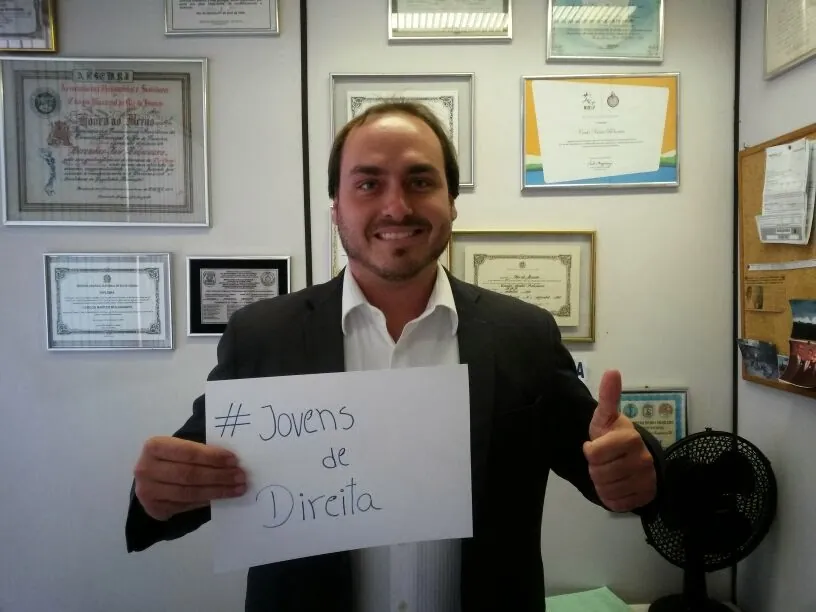
In 2010, Jair was among the most-voted congressmen in Brazil, and his father, in Carlos's words, stopped pulling his ear. By 2014, he already had about 500,000 followers on Facebook, with his son still answering them one by one.
Carlos doesn't claim the work as his: "I'm not the father of any movement." He says he had "simply a feeling" and that he was "feeling useful."
His satisfaction lies in seeing the work serve, not in being remembered as its author.
"I saw my father almost die."

On September 6, 2018, in Juiz de Fora, Carlos was in a Federal Police car ahead of his father when it all happened. He saw Jair on the ground, helped carry him, and went with him into the room at the Santa Casa hospital.
He lasted about fifteen minutes of the surgery and walked out. He sat outside, and the doctors came, one or another, to give him news. When he heard "we saved your father," he couldn't say what he felt: "Shock, I think."
Inside, the weight stays; outside, he is already looking for the next step.
"Sometimes we cross the line."

When Leda Nagle asked about how harsh his replies on social media were, Carlos admitted: "Sometimes, yes, we cross the line."
He said he had been listening more to the friends who told him "you've gone too far," that his father also scolded him, and that he read what people wrote: "I feel very guilty every now and then."
He reacts forcefully to what he considers unfair, and afterward holds himself to account inside.
"He schooled me."
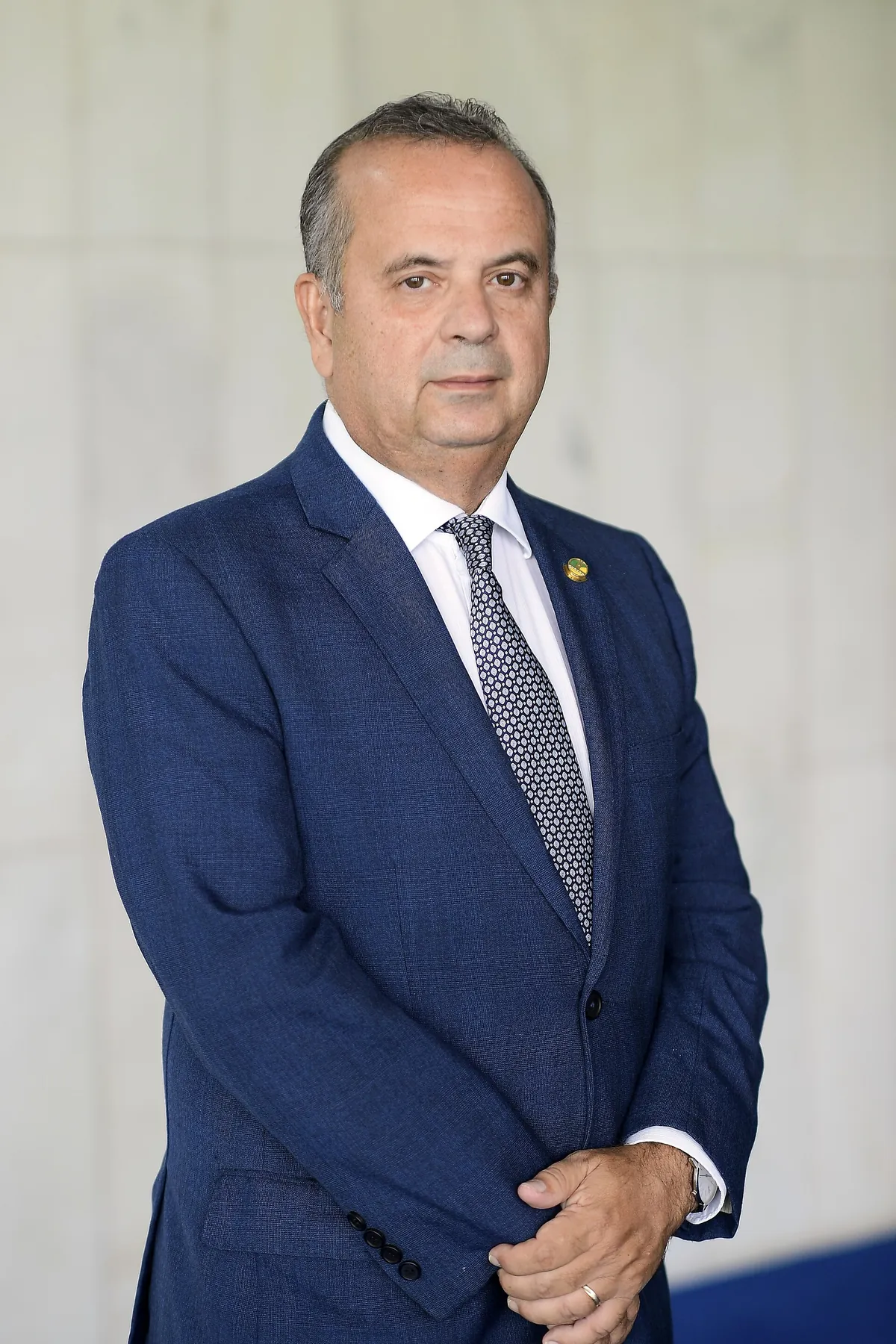
In 2025, opening his talk at the PL Communication Seminar, Carlos made a public confession about Rogério Marinho: "We have a habit of underestimating others. When we're younger, we think we're more capable than the older folks."
And he added: "He schooled me." He said that in ten minutes he learned far more about culture and political history than he had imagined the senator knew.
When he recognizes someone's worth, he says so in public, even if he has to correct himself.
His mother says he can sniff out fake people

Asked about her sons, Rogéria described Carlos this way: "Hot-tempered, explosive." And right after: "He's a person who keeps very much to himself, very reserved. He doesn't mince words. He says what he thinks."
She said he is more "all or nothing" and that he has a nose for people: "He can sniff out the fake ones."
He says little, but when he speaks, he says everything, and he trusts few.
"Mom, I need a hug."

After 2000, Carlos went to live with his father. Months later, as he puts it, he managed to "bring my mother back over to my side," and today he calls her his best friend.
He describes it: "I call her: Mom, I need a hug, come over, make a stroganoff with mashed potatoes, which I love." In 2019, he helped Rogéria publicize her pre-candidacy for the Rio city council, according to Folha.
Behind the firmness, he has a son's affection that isn't ashamed to ask for a hug.
He distanced himself from his friends to protect them

When people were talking about a "hate office," Carlos made a decision: "I stopped talking to a lot of people for fear of exposing them." He knew his last name made him "a worthwhile target."
That's why, he said, he only really talked with Bárbara, the Pod Atualizar interviewer, when she messaged him from Cabo Frio, where she was on vacation. He got in the car and drove there. It rained, and the two of them didn't talk about politics at all.
He protects those close to him, even if it leaves him more alone.
"Backstage, I produce much more."

In 2023, he explained why he hardly ever gave interviews: "I put myself backstage, and I think I end up producing much more." And he joked: "I'm a little too old to change my profile."
In 2025, he told the PL he never wanted a higher office: "I know my place." In October 2026, when the mission called for it, the city councilman with a degree in Aeronautical Sciences stepped out front: elected senator for Santa Catarina, with 2,041,840 votes.
He prefers the background, but he steps forward when he understands that's where he needs to be.
Melancholic-Choleric

By Axis Ratio, the most coherent reading of Carlos Bolsonaro's life is that he is melancholic-choleric.
The melancholic sets the tone: the measure of what is just, the deep loyalty, the weight that stays. And the choleric comes to serve that measure with initiative and the strength to carry things out. That's why his firmness almost always springs from defending those he loves.
In the melancholic-choleric, strength works for what is just and for those he loves.
The marks of the melancholic genus

Every melancholic has a natural inclination toward measure, and in Carlos it shows up like this:
- Reserved: his mother describes him as someone who "keeps very much to himself," and he hardly ever gives interviews.
- Sense of justice: he considered the blows his father took unfair.
- What weighs on him stays: in 2025, he still got emotional remembering the election against his mother.
- Few bonds, and deep ones: his father tattooed on his arm, his mother as his best friend.
That's why he can't treat what hits his family as mere politics.
The marks of the Melancholic-Choleric

In the melancholic-choleric, measure gains the strength to become a work. In Carlos:
- Critical and ready to intervene: he saw the ugly photos of his father and decided to show a different Jair.
- Practical with what he has: he started out drawing in Paint.
- Loyal to those he loves: he distanced himself from his friends so as not to expose them.
- Determined in his achievements: he came out from backstage and reached the Senate with more than 2 million votes.
In him, measure gives the direction and strength does the work: from Paint to the Senate, what he built was to defend those he loves.
Firmness in the service of those he loves
Carlos Bolsonaro is this strength that springs from loyalty. He is the boy who noticed the counterfeit coin, the young man who tattooed his father on his arm, the councilman who drew in Paint, and the son who asks his mother for a hug and a stroganoff.
Carlos, the firmness is yours. May it remain in the service of what is just and of those you love.
@carlosbolsonaro, do you recognize yourself in this reading?